Sovanex International — Verified Supplier
About Sovanex International - Other Ores & Minerals Supplier in India
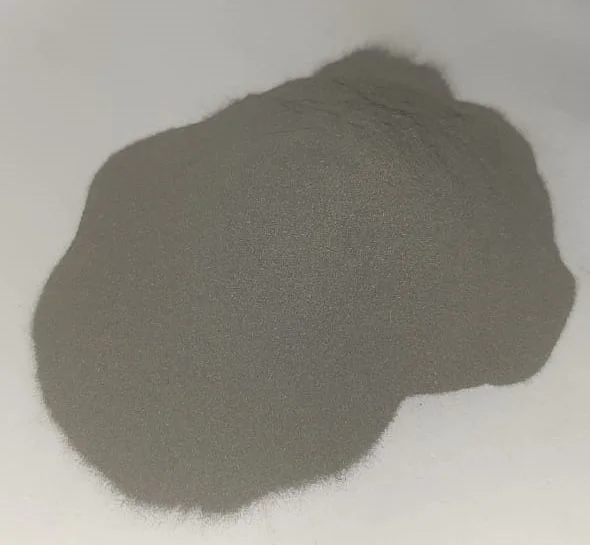
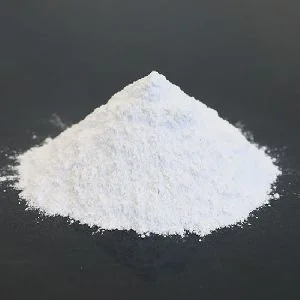
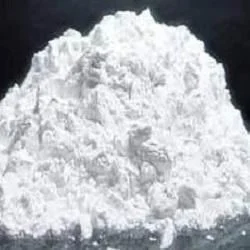
India hosts Sovanex International, which lists 17 distinct mineral products across its catalogue. The supplier classifies its offerings under categories such as Other Ores & Minerals, Calcium Carbonate, Talc, Dolomite, Silica Sand, Clay, Mica and Feldspar, reflecting a broad spectrum of industrial minerals used in construction, cosmetics, plastics and ceramics. Each product entry is tied to a specific HS‑code family, for example Calcium Carbonate (HS 2836.50) and Talc (HS 2526.20), enabling clear customs classification. The catalogue also includes both natural and processed forms, ranging from raw powders to precipitated variants, providing buyers with multiple material grades within the same commodity line.
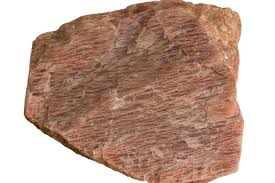
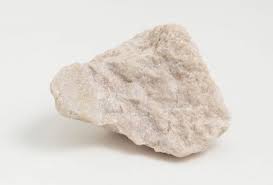
Sovanex International’s catalogue enumerates products such as Calcite (Natural Calcium Carbonate, HS 2836.50), Talc / Soapstone (Hydrated Magnesium Silicate, HS 2526.20), Dolomite Powder (Calcium Magnesium Carbonate, HS 2518.10), Silica Powder (Natural Silica, HS 2505.10) and various clay products including China Clay (Kaolin, HS 2507.00). Additional items include Barytes (BaSO4, HS 2511.10), Mica Powder (Potassium Aluminium Silicate, HS 2525.20), Feldspar Powder (K/Na/Ca Aluminate Silicate, HS 2529.10), as well as lime products such as Hydrated Lime (Ca(OH)2, HS 2522.20) and Quick Lime (CaO, HS 2522.10). The presence of both Whiting Powder and Ground Calcium Carbonate under separate HS codes (2836.50 and 2509.00) illustrates the supplier’s handling of both bulk and finely ground calcium carbonate grades.
Product Range and Specialties of Sovanex International
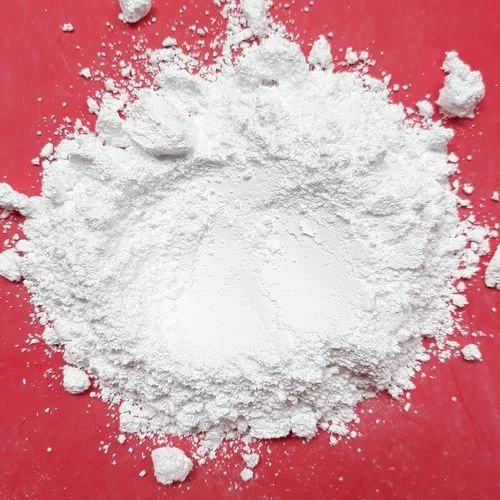
The product list covers primary mineral powders commonly supplied in bulk bags (25 kg - 1 ton) or intermediate containers for downstream processing. In the calcium carbonate family, buyers typically differentiate between ground calcium carbonate (GCC) used in paper coating (often ICCUMSA 45 - 90) and precipitated calcium carbonate (PCC) required for high‑purity applications such as plastics and paints (ICUMSA 45 with low moisture). Talc products are generally graded by ASTM D4236 for oil‑absorption and particle size, while silica powders are specified by purity (≥99 %) and particle size distribution (e.g., 5 - 15 µm). Dolomite and feldspar are often supplied in particle size ranges of 0 - 75 µm for ceramics, whereas mica powders are classified by flake size and potassium content for electrical insulation. Standard industry specifications such as ISO 9001 for quality management, and material‑specific standards (e.g., ISO 14644 for cleanroom‑grade powders) are commonly requested by importers.
Trade and Export Information - Sovanex International
India ranks among the top global exporters of industrial minerals, with shipments frequently directed to Southeast Asia, the Middle East, Europe and North America. HS‑code chapters 25 and 28, which cover silicates, carbonates and oxides, are routinely inspected under the Indian Directorate General of Foreign Trade (DGFT) and may require a Certificate of Origin and a Laboratory Test Report confirming chemical composition. Buyers usually request compliance with ISO 14001 (environmental management) and, for food‑grade calcium carbonate, adherence to USP <233> or NF 43 standards. Typical packaging involves multi‑wall polypropylene bags or IBCs, loaded into 20‑ft or 40‑ft containers under CIF or FOB terms, with moisture content kept below 1 % for carbonate products to prevent caking.
Sourcing from Sovanex International - Buyer Guidance
When sourcing from Sovanex International, buyers should obtain a recent Certificate of Analysis that details purity, particle size distribution and moisture content for each mineral batch. Requesting ISO 9001 certification, as well as any specific food‑grade or pharmaceutical‑grade certificates (e.g., USP, NF), helps verify that the material meets downstream regulatory requirements. Verify the HS‑code declared on the commercial invoice matches the product’s chemical composition to avoid customs delays, and confirm packaging specifications such as bag weight, moisture barrier film and palletization method before finalizing the order. Samples of at least 5 kg are standard for quality testing, and a trial shipment under FOB terms can provide insight into logistics handling and product integrity.
Frequently Asked Questions About Sovanex International
What mineral grades does Sovanex International offer for calcium carbonate?
The catalogue lists natural calcite, whiting powder, ground calcium carbonate and precipitated calcium carbonate, each classified under HS 2836.50 or 2509.00. Buyers typically specify ICCUMSA 45 - 90 grades for GCC and ICCUMSA 45 with low moisture for PCC.
Which HS codes are associated with the silica products?
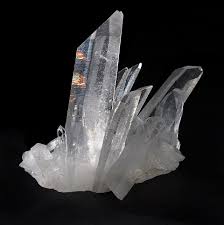
Silica Powder is listed under HS 2505.10 and Quartz Powder under HS 2506.10. Both fall within Chapter 25, covering silicate minerals, and are subject to purity testing (≥99 % SiO₂).
Are there standard certifications importers should request for talc and mica?
Importers commonly ask for an ISO 9001 quality system certificate and product‑specific test reports such as ASTM D4236 for talc and ASTM D4237 for mica flake size and potassium content.
What packaging formats are typically used for bulk mineral shipments?
Bulk mineral powders are usually packed in multi‑wall polypropylene bags ranging from 25 kg to 1 ton, often placed on wooden pallets or in IBCs for container loading. Moisture‑resistant liners are standard for carbonate products.
Which regions are the primary import markets for Indian mineral powders?
Key destinations include Southeast Asian countries (e.g., Vietnam, Malaysia), the European Union, the United Arab Emirates and the United States, where the minerals are used in construction, ceramics, cosmetics and chemical manufacturing.
What documentation is required before shipment?
A commercial invoice with the correct HS code, a Certificate of Origin, a recent Laboratory Test Report, and, when applicable, ISO 9001 or food‑grade certifications should accompany the shipment to satisfy customs and buyer quality checks.
What are typical lead times and minimum order quantities?
Lead times for standard powders range from 15 to 30 days after order confirmation, with minimum order quantities typically set at 5 metric tons per product, though smaller sample quantities can be arranged on request.
How can buyers verify the chemical composition of the delivered material?
Buyers should compare the received Laboratory Test Report with the pre‑shipment certificate, focusing on purity percentages, moisture content and particle size distribution. Any deviation beyond the agreed tolerance (usually ±0.5 % for purity) should be raised with the supplier immediately.




 , India