SMI International — Verified Supplier
About SMI International - Mixed Goods Supplier in Pakistan
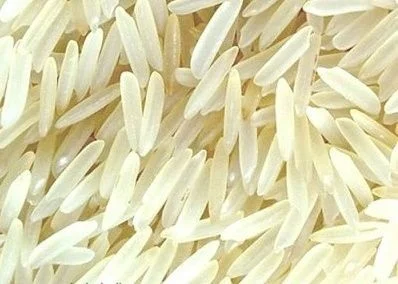
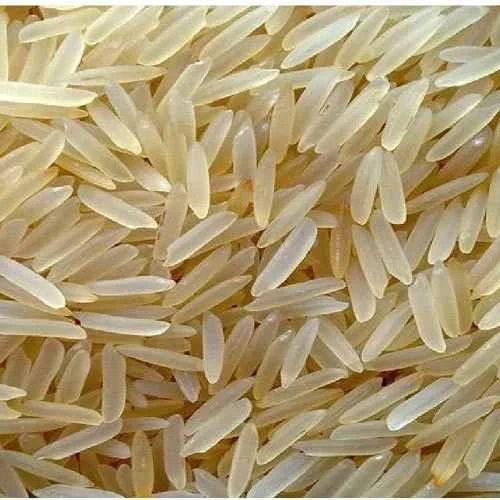
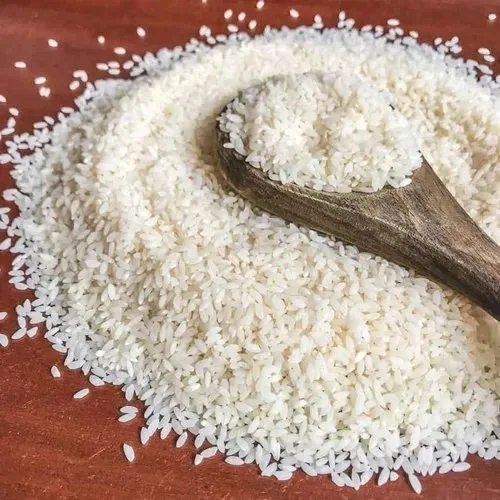
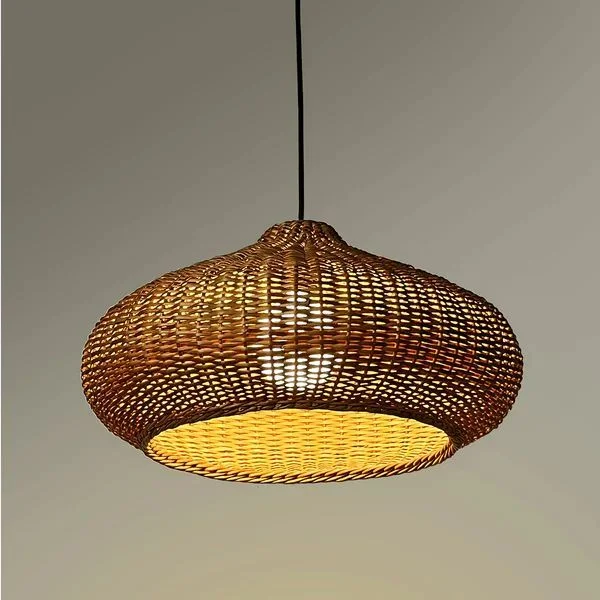
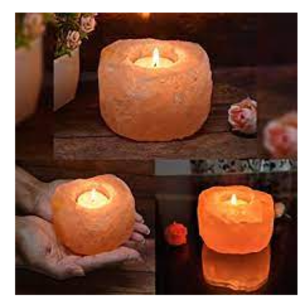
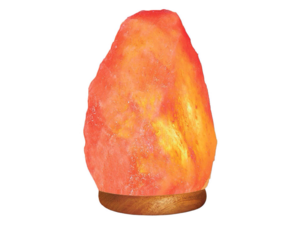
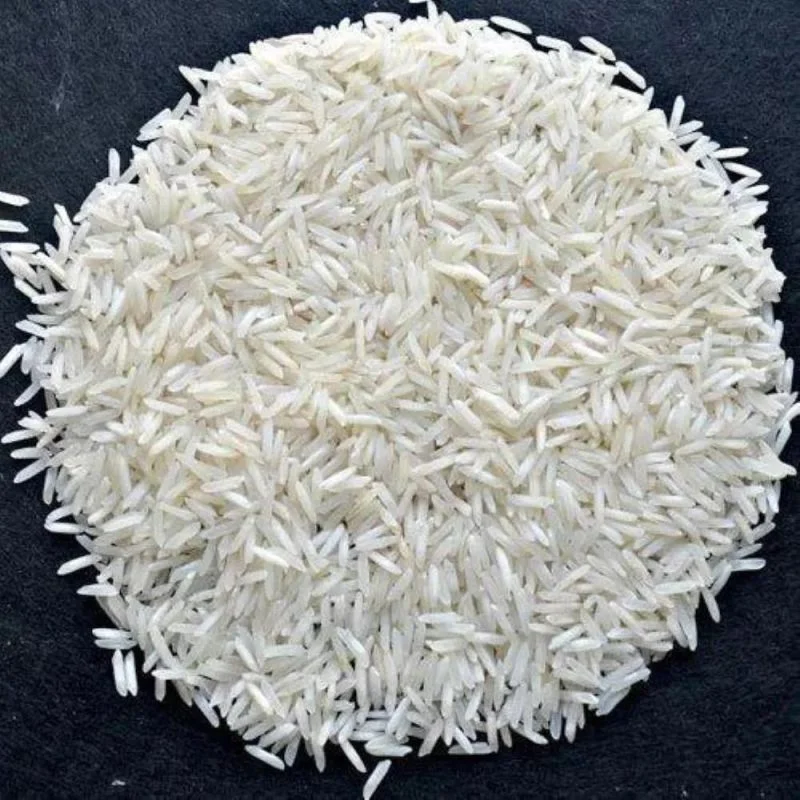
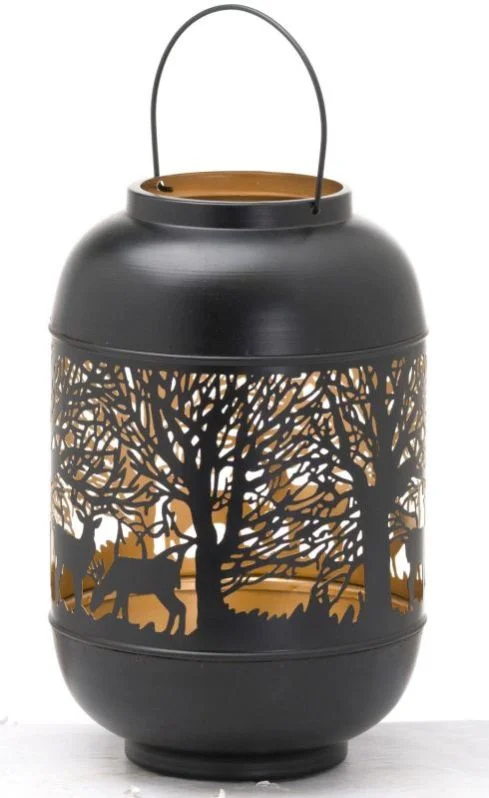
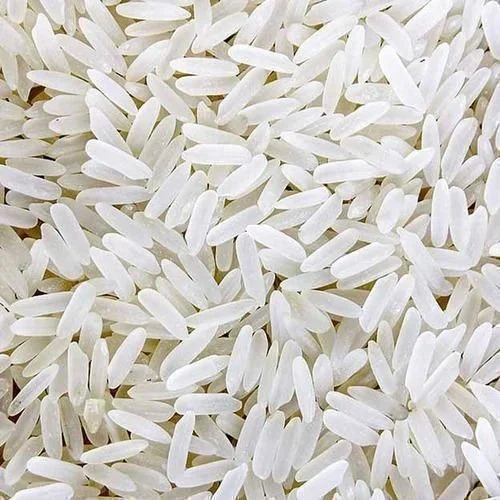
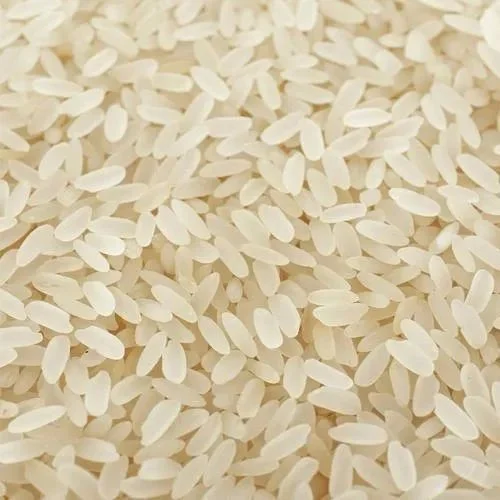
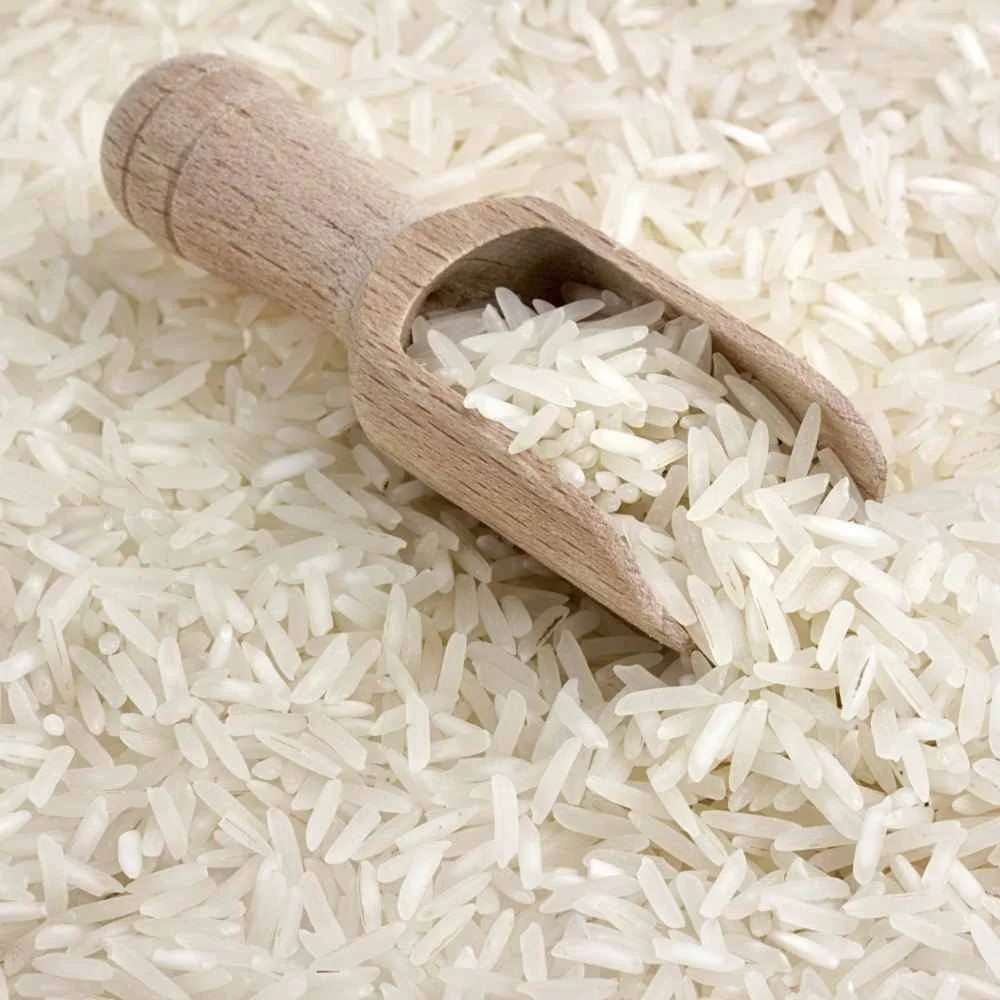
SMI International is based in Pakistan and lists 49 active products across several categories. The catalogue includes food staples such as Basmati rice (HS 1006.30, milled white rice), various beans, lentils and wheat, as well as horticultural produce like potatoes and mangoes. It also offers decorative items including Himalayan salt lamps (HS 9405.41) and LED USB lamps (HS 9405.40). The product list features both raw agricultural commodities and handcrafted goods such as onyx stone and iron basket lamps. Each entry is identified by its HS code where applicable, reflecting standard customs classifications.
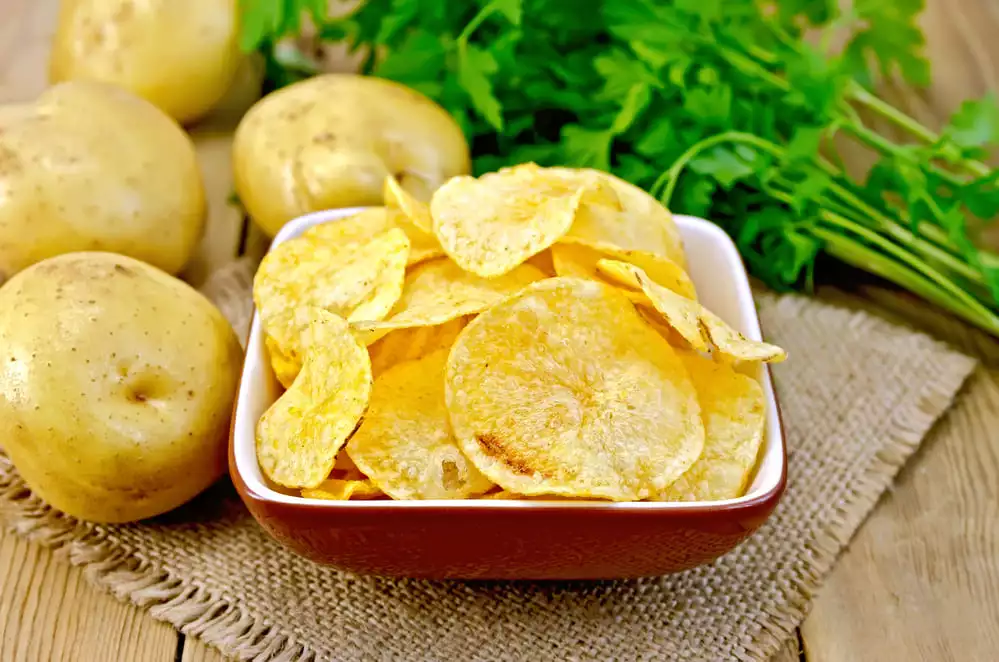
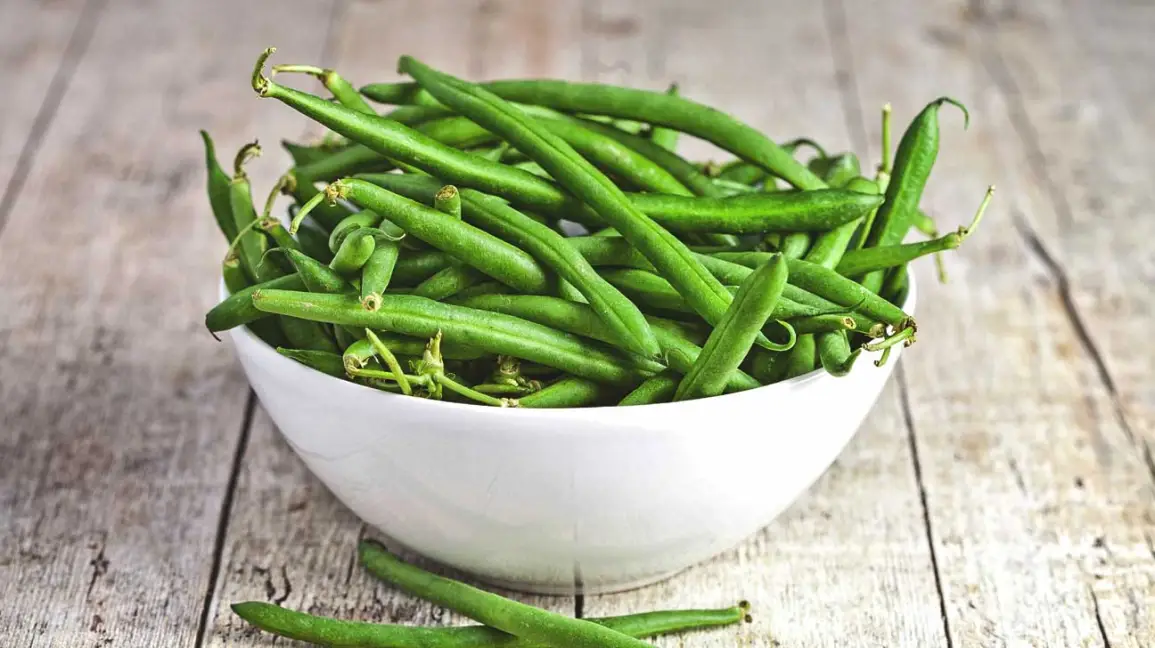
Among the 49 items, the food segment comprises grains, pulses, spices and edible salts, while the non‑food segment covers decorative lights, stone products and animal feed. The supplier’s top categories are listed as Decorative Lights & Lamps, Beans, Salt, Rice, Fresh Potato, Other Handicrafts & Decorative, Himalayan Salt, and Stones & Slates. The presence of HS codes for items like Black Eye Bean (0713.90) and Green Mung Beans (0713.90) indicates compliance with international tariff schedules. The range also includes specialty Himalayan pink salt products and onyx stone, which are commonly exported from Pakistan. This mix positions the supplier within both agricultural export and handicraft markets.
Product Range and Specialties of SMI International
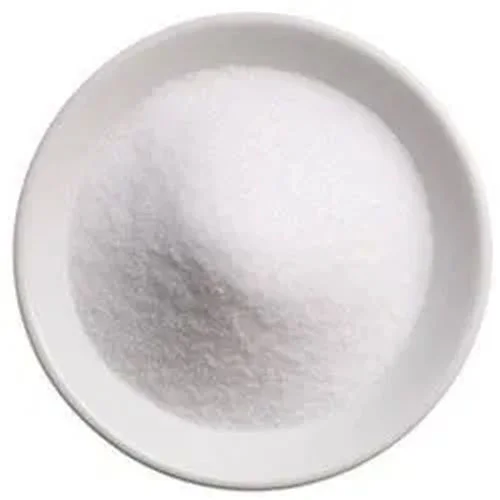
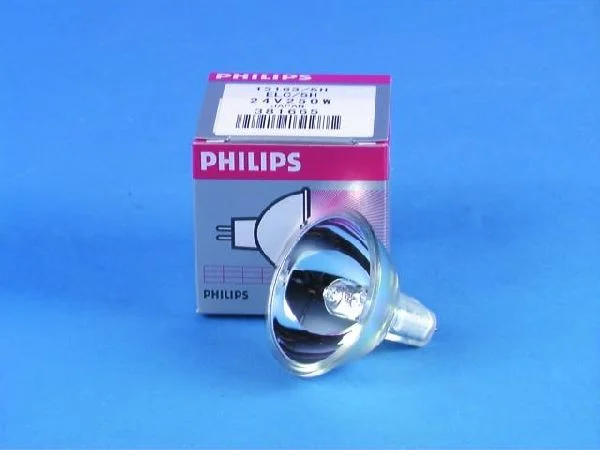
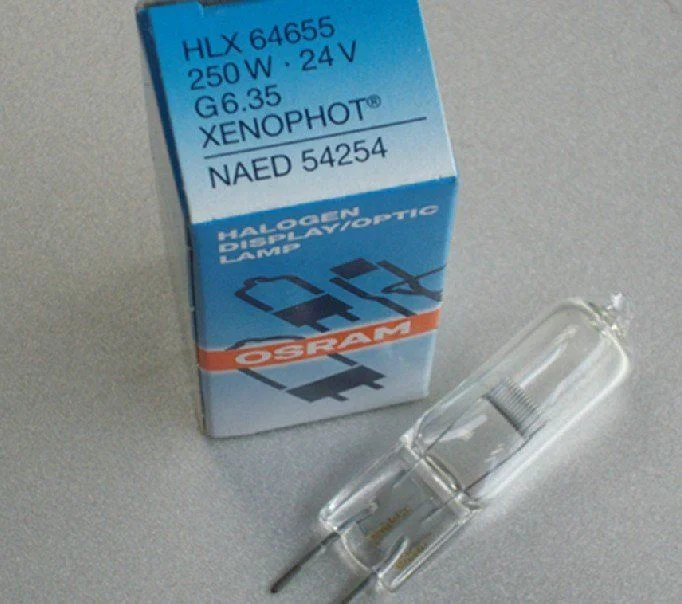
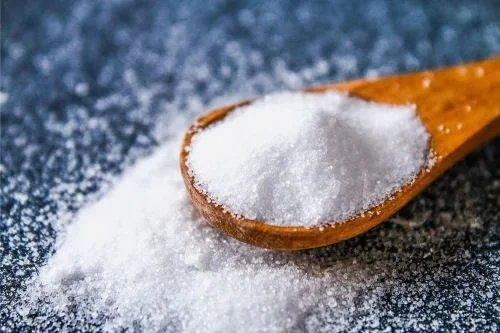
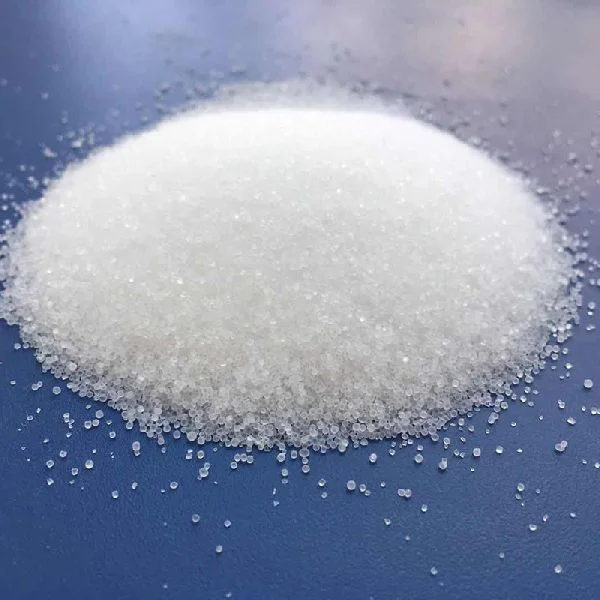
The catalogue enumerates specific products such as Basmati rice (HS 1006.30, milled white rice), Black Eye Bean and Green Mung Beans (both HS 0713.90, dried leguminous vegetables), and a series of decorative lighting items classified under HS 9405.xx. In the grain sector, Pakistani exporters typically offer Basmati rice with a broken grain rate below 2 % and moisture content under 13 %, while pulses are supplied with moisture below 12 % and size grades ranging from 6 mm to 12 mm. Himalayan pink salt is generally marketed with a purity of 99.5 % NaCl and low moisture, and decorative salt lamps are produced from natural pink salt crystals combined with steel or bronze bases. Handicraft stone items such as onyx and slate are usually cut to standard dimensions of 300 mm × 300 mm or similar, and packed in wooden crates for protection. The LED USB lamps conform to the typical LED luminous flux of 200 - 300 lumens and use ABS or metal housings for durability.
Trade and Export Information - SMI International
Pakistan is a major exporter of Basmati rice, pulses and bulk salts, with primary markets in the Middle East, Europe and North America. HS chapter 10 (1006) for milled rice and chapter 7 (0713) for dried beans are routinely inspected under the phytosanitary requirements of importing countries, and certificates of origin are standard for tariff preferences. Decorative lighting and stone handicrafts fall under HS 94, where CE marking or equivalent safety certification is often required for EU shipments. Buyers usually request ISO 22000 or HACCP compliance for food items, and laboratory analysis reports covering pesticide residues, aflatoxin levels for pulses, and NaCl purity for salt. Shipping is commonly arranged in 20‑ft or 40‑ft containers, with rice and pulses packed in 50 kg polypropylene bags, while salt lamps and stone pieces are crated to prevent breakage. Pakistani exporters frequently work with freight forwarders familiar with the Karachi port infrastructure and the associated customs clearance procedures.
Sourcing from SMI International - Buyer Guidance
When sourcing Basmati rice or other grains, request a recent laboratory analysis confirming moisture content, broken grain percentage and pesticide residue limits that meet the buyer’s import regulations. For beans and lentils, obtain a phytosanitary certificate and a test report for aflatoxins and heavy metals. Himalayan pink salt shipments should be accompanied by a purity certificate showing NaCl content and a moisture analysis; buyers often ask for a mineral composition report as well. Decorative lighting items should be supplied with CE conformity declarations or equivalent safety test reports, especially for voltage and thermal performance. Verify that packaging specifications (e.g., 50 kg bags for grains, wooden crates for lamps) match the intended logistics plan, and confirm container loading plans to avoid damage. Requesting a sample batch before full‑scale order helps validate quality and compliance with the specifications outlined above.
Frequently Asked Questions About SMI International
What HS codes are used for the rice and pulse products listed by SMI International?
Basmati rice is classified under HS 1006.30 for milled white rice. Black Eye Bean and Green Mung Beans are listed under HS 0713.90, which covers dried leguminous vegetables.
How can I verify the purity of the Himalayan pink salt supplied?
Ask the supplier for an independent laboratory analysis that reports NaCl purity (typically ≥99.5 %) and moisture content (generally ≤0.5 %). A mineral composition chart is also common for Himalayan salt.
Do the decorative lamps meet safety standards required for export to the EU?
Buyers should request a CE declaration of conformity or an equivalent safety test report covering electrical insulation, thermal limits and electromagnetic compatibility for the LED USB lamps and salt lamps.
What documentation is required for importing beans and lentils from Pakistan?
Standard documents include a phytosanitary certificate, a certificate of origin, and a laboratory test report covering pesticide residues and aflatoxin levels, all complying with the importing country’s regulations.
What are typical lead times for shipping a 20‑ft container of Basmati rice from Pakistan?
Lead times generally range from 30 to 45 days, covering grain processing, packaging in 50 kg bags, inland transport to Karachi port and vessel loading.
How are stone and slate handicrafts packaged for export?
Stone items such as onyx are usually packed in reinforced wooden crates with internal padding to protect against impact, and the crates are loaded into a 20‑ft or 40‑ft container depending on volume.
Can I request sample units of the Himalayan salt lamps before placing a full order?
Yes, suppliers typically provide a single unit or a small batch for evaluation, accompanied by a product specification sheet and any applicable safety test reports.
Which certifications should I ask for when buying food products from this supplier?
Commonly requested certifications include ISO 22000 or HACCP for food safety, along with any organic or GMP certifications the supplier may hold, and the relevant laboratory test reports for each commodity.




 , Pakistan