Silver Stone Industries — Supplier
About Silver Stone Industries - Dolomite Supplier in India
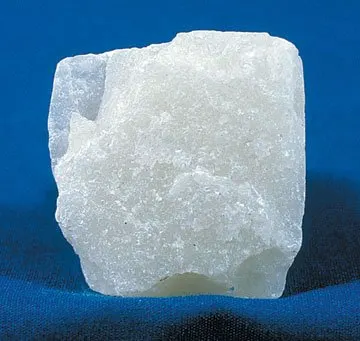
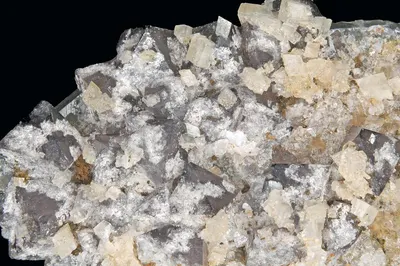
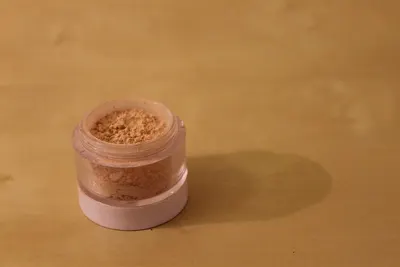
Silver Stone Industries is located in Udaipur, Rajasthan, India and currently lists six active mineral powder products. The catalogue includes Calcium Carbonate, Dolomite, Marble Powder, Low Silica Dolomite, Talc and Dolo Talc, each classified under mineral chemical product families commonly recorded in HS Chapter 25. The supplier’s tier is listed as imported with a harbor trust tier, indicating participation in cross‑border trade channels. The listed items cover a spectrum of industrial minerals used in construction, plastics, cosmetics and ceramics. Calcium Carbonate serves as a filler and pigment, Dolomite is employed in steelmaking and agriculture, Marble Powder provides a fine grinding option for flooring, Low Silica Dolomite addresses low‑silica requirements in ceramics, while Talc and Dolo Talc are used in personal care and paper coating applications.
Product Range and Specialties of Silver Stone Industries
The product catalogue comprises six mineral powders. Calcium Carbonate is offered without a specified grade, but industry standards often reference ICC 150 (high purity, 95 % CaCO₃) and ICC 200 (lower purity, 85‑90 % CaCO₃). Dolomite products are typically graded by calcium to magnesium ratios, with standard commercial dolomite containing about 38 % CaCO₃ and 20 % MgO. Low Silica Dolomite is a variant where silica content is kept below 2 % to meet ceramic glaze specifications. Talc and Dolo Talc are fine‑particle silicates; commercial talc grades range from 99 % purity with a moisture content under 0.5 % to finer grades for cosmetics that meet ISO 12784. Marble Powder is a calcite‑rich powder with typical particle size distribution of 10‑150 µm, used where a smooth finish is required.
Trade and Export Information - Silver Stone Industries
India is a major exporter of industrial minerals, and shipments of calcium carbonate, dolomite and talc are routinely directed to Southeast Asia, the Middle East, Europe and North America. HS code 2520 covers calcium carbonate, 2515 covers dolomite and 2504 covers talc; these codes are used by customs authorities to classify the goods for duty assessment. Buyers usually request compliance with ISO 9001 quality management systems and third‑party lab reports such as SGS or Bureau Veritas. Typical export logistics involve containerised loads (20 ft or 40 ft) with the product bagged in polypropylene or paper bags of 20‑25 kg. Incoterms most often applied are FOB Udaipur or CIF destination port, depending on the buyer’s preference. Indian mineral exporters must provide a Certificate of Origin and, where required, a Phytosanitary Certificate for dolomite used in agricultural applications.
Sourcing from Silver Stone Industries - Buyer Guidance
When sourcing from Silver Stone Industries, buyers should request a recent Material Safety Data Sheet (MSDS) and a laboratory analysis report that includes purity, moisture, particle size distribution and heavy‑metal limits. For calcium carbonate and dolomite, verify the CaCO₃ and MgO percentages against the intended application specifications. Talc grades should be checked for asbestos‑free certification and a loss on ignition (LOI) value below 0.2 %. It is advisable to obtain a sample batch before confirming a full order, and to confirm the packaging material (e.g., multi‑layer bags) meets the shipping route’s humidity conditions. Clarify the minimum order quantity, typical lead time of 30‑45 days after order confirmation, and the preferred Incoterm to align with your logistics plan.
Frequently Asked Questions About Silver Stone Industries
What mineral powder products does Silver Stone Industries offer?
The supplier lists six products: Calcium Carbonate, Dolomite, Marble Powder, Low Silica Dolomite, Talc and Dolo Talc, all classified under mineral chemical categories.
Which HS codes are applicable to these products?
Typical HS codes are 2520 for Calcium Carbonate, 2515 for Dolomite (including low‑silica variants) and 2504 for Talc, which customs authorities use for duty and documentation purposes.
What specifications should a buyer verify for Calcium Carbonate?
Buyers should check CaCO₃ purity (usually 85‑95 %), moisture content (<0.5 %), particle size (often 1‑100 µm) and request an ICC grade certification or laboratory analysis report.
Are there any standard certifications for Talc shipments?
Talc intended for cosmetics normally requires an asbestos‑free certificate and compliance with ISO 12784; buyers should request these documents from the supplier.
What is the typical minimum order quantity and lead time?
Most Indian mineral powder exporters set a MOQ of one 20 ft container (approximately 15‑20 tonnes) and a lead time of 30‑45 days after order confirmation, subject to production scheduling.
How are the products packaged for export?
Products are usually packed in multi‑layer polypropylene or paper bags of 20‑25 kg, then palletised inside a 20 ft or 40 ft container to protect against moisture and breakage.
Which markets commonly import these Indian mineral powders?
Key import regions include Southeast Asia, the Middle East, the European Union and North America, where the minerals are used in construction, plastics, ceramics and personal‑care formulations.
What documentation should a buyer request before shipment?
Buyers should obtain a Commercial Invoice, Packing List, Bill of Lading, Certificate of Origin, MSDS and any third‑party test reports (e.g., SGS) that confirm purity, particle size and compliance with relevant standards.




 Udaipur, India