Sialwings International — Manufacturer & Wholesale Supplier
About Sialwings International - Leisure Wear Supplier in Pakistan
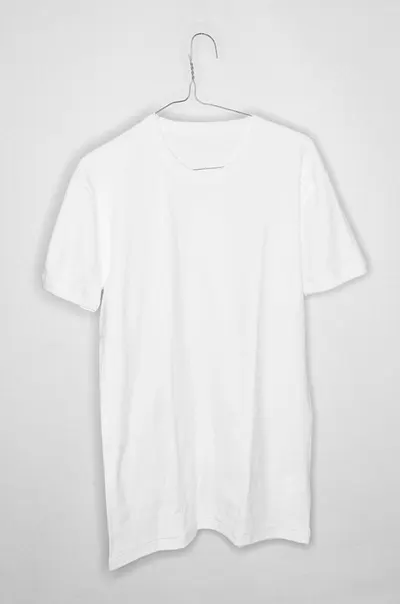
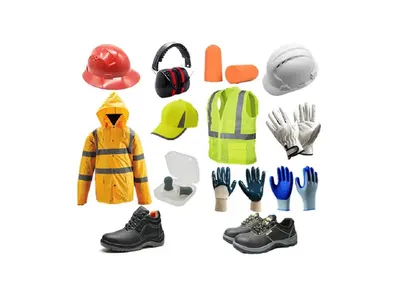
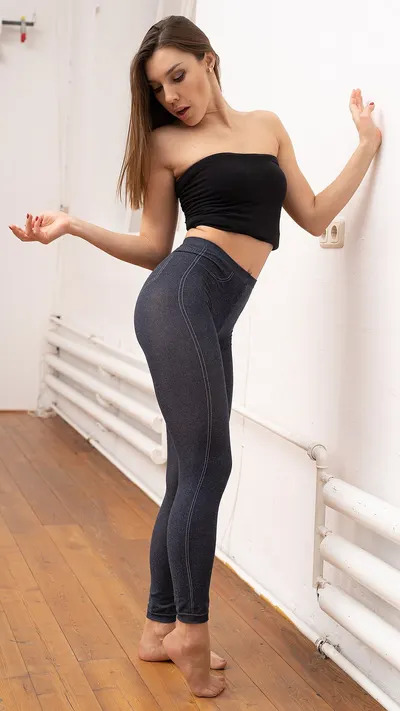
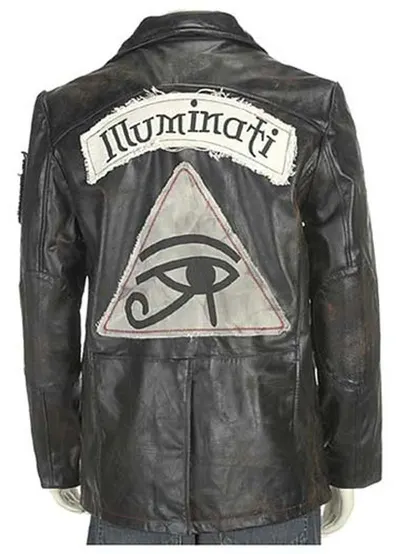
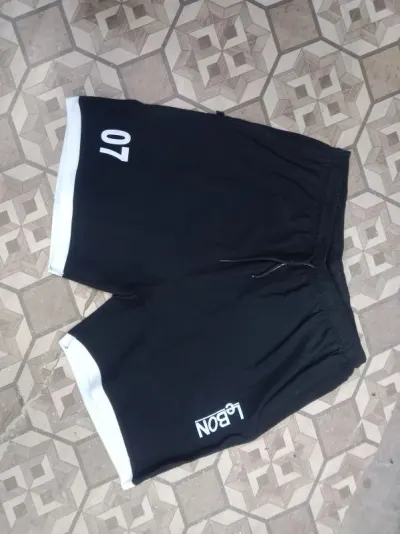
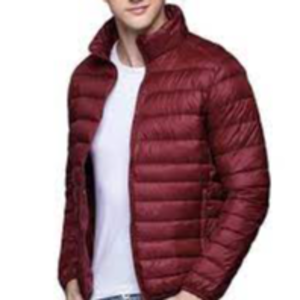
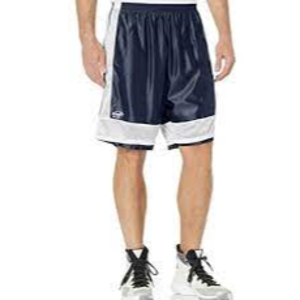
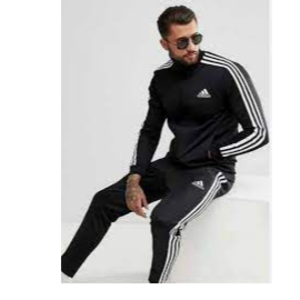
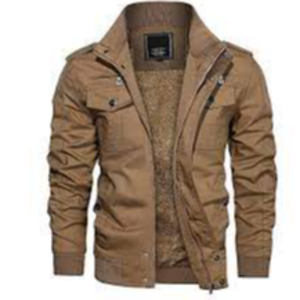
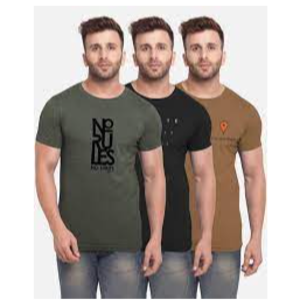
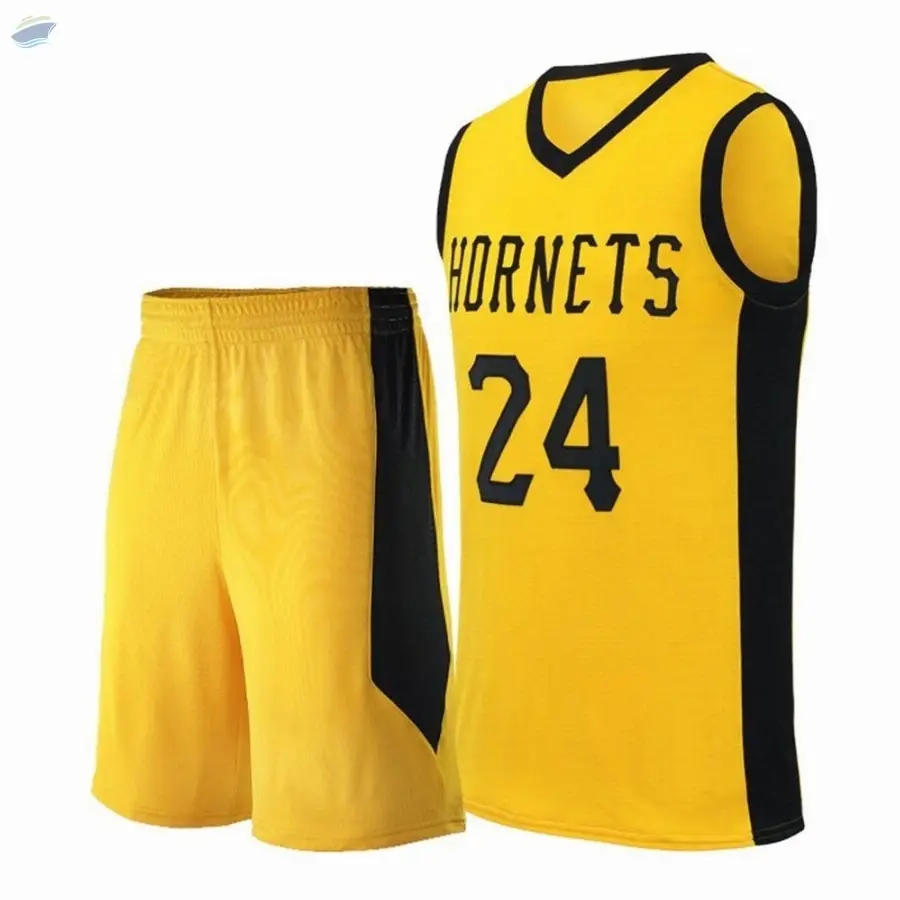
Sialwings International operates from Sialkot in the Punjab province of Pakistan and currently lists nine active products on its catalogue. The company’s inventory includes items classified under HS Chapter 61 and 62 such as T‑shirts (HS 6109.10), hoodies (HS 6110.20), shorts (HS 6107.12), jackets (HS 6203.31), work wear (HS 6210.40), sports wear (HS 6205.20), fight wear (HS 4203.29) and motorbike wear (HS 6507.00). Each entry specifies the primary material - ranging from 100 % cotton fabrics to full‑grain cowhide leather with polymer overlays. The catalogue also mentions a generic “round neck t‑shirt for men” without a listed HS code. The product set covers casual, athletic and protective apparel, reflecting a broad but defined product scope.
The listed categories span leisure wear, leather work gear, sports and medical clothing, and specialised protective gear. Materials include cotton‑polyester blends, wool‑polyester blends, heavy canvas, leather, PVC‑coated polyester and mesh polyester, each matched to its HS code family. The variety demonstrates the supplier’s capability to source both textile‑based garments and high‑performance leather items. The focus on blends and composites aligns with typical export profiles from Pakistan’s garment sector.
Product Range and Specialties of Sialwings International
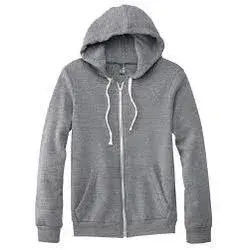
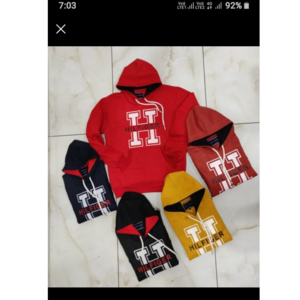
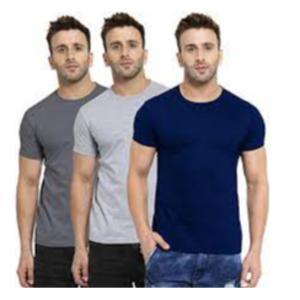
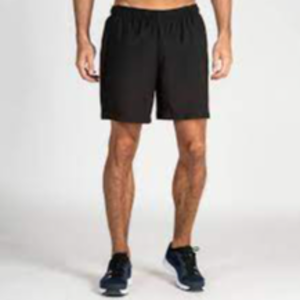
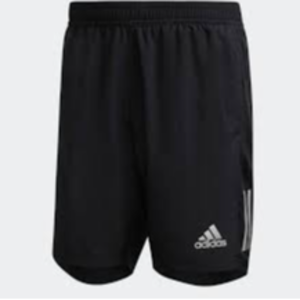
The catalogue presents T‑shirts made from 100 % cotton or cotton‑polyester blends, a segment where buyers usually look for fabric weights between 150‑180 gsm and a whiteness level of ICUMSA 45 for pure cotton. Hoodies are knit fabrics with cotton/polyester blends, commonly supplied at 280‑350 gsm and a brushed finish for softness. Shorts combine cotton with elastane, giving stretch; industry standards often require a 2‑5 % elastane content and a length of 470‑530 mm. Jackets listed under HS 6203.31 are offered in wool‑polyester blends or 100 % wool, where a minimum 250 gsm weight and a felting resistance test are typical. Work wear materials range from heavy cotton canvas (350‑450 gsm) to leather or PVC‑coated polyester, with thicknesses of 1.2‑2.0 mm for durable protection. Sports wear uses polyester mesh, usually 180‑220 gsm with moisture‑wicking treatment. Fight wear and motorbike wear incorporate full‑grain cowhide leather; standard leather thickness for protective gear is 1.2‑1.5 mm and may include CE‑approved armor inserts.
Trade and Export Information - Sialwings International
Pakistan ranks among the top global exporters of ready‑made garments, with the EU, United States and Middle East accounting for the majority of shipment value. HS codes 6109, 6110, 6107, 6203, 6210, 6205, 4203 and 6507 fall under Chapters 61‑65, which are routinely inspected for compliance with textile labeling, fiber content declarations and, for leather, REACH chemical limits. Buyers typically request Oeko‑Tex Standard 100 certification for cotton items and ISO 9001 quality‑management documentation for bulk production runs. Protective leather items often need CE conformity certificates, especially when marketed as motorbike or fight wear. Export logistics from Pakistan frequently use FOB Karachi or FOB Port Qasim, with container loads of 20 ft accommodating roughly 10 000 T‑shirts or 2 000 leather jackets, depending on packaging. Standard packaging includes poly‑bagging, cardboard cartons, and for leather goods, reinforced wooden crates to prevent deformation during sea transit.
Sourcing from Sialwings International - Buyer Guidance
When sourcing from this supplier, request material test reports that cover colorfastness to washing (AATCC 61), dimensional stability (shrinkage ≤ 3 %), and seam strength (minimum 5 N/tex). For leather‑based work, fight and motorbike wear, ask for tensile strength data (minimum 20 MPa) and CE armor test certificates where applicable. Verify that fiber content labels match the HS declarations and that any REACH‑restricted substances are below threshold limits. Typical minimum order quantities are 500 pieces for basic T‑shirts, 200 pieces for hoodies, and 100 pieces for leather jackets or protective gear, with lead times of 30‑45 days after sample approval. Ensure that the supplier can provide packaging specifications such as 120 gsm poly‑bag thickness and double‑wall cartons for bulk shipments.
Frequently Asked Questions About Sialwings International
What product categories does Sialwings International list in its catalogue?
The catalogue includes T‑shirts, hoodies, shorts, jackets, work wear, sports wear, fight wear, motorbike wear and a generic round‑neck men’s T‑shirt, each linked to specific HS codes from Chapters 61 to 65.
Which HS codes are associated with the listed garments?
T‑shirts are HS 6109.10, hoodies HS 6110.20, shorts HS 6107.12, jackets HS 6203.31, work wear HS 6210.40, sports wear HS 6205.20, fight wear HS 4203.29 and motorbike wear HS 6507.00.
What material specifications should a buyer verify before placing an order?
Confirm fabric weight (gsm), fiber blend ratios (e.g., 100 % cotton or cotton‑polyester 60/40), leather thickness (1.2‑1.5 mm for protective items), and any elastane content for stretch garments.
Which certifications are commonly required for these types of products?
Buyers usually request Oeko‑Tex Standard 100 for cotton textiles, ISO 9001 for overall quality management, REACH compliance for leather, and CE conformity for motorbike protective gear.
What are typical sample and MOQ requirements?
A standard sample set includes one unit of each garment type; minimum order quantities are generally 500 pieces for basic T‑shirts, 200 pieces for hoodies, and 100 pieces for leather or protective items.
What documentation should be requested to ensure compliance?
Ask for a fiber content declaration, test reports for colorfastness, shrinkage and seam strength, REACH chemical compliance certificates for leather, and CE test reports for any armor‑inserted motorbike wear.
How are the goods usually packaged for export?
Textile items are poly‑bagged and placed in double‑wall cardboard cartons; leather and protective gear are often wrapped in breathable film and loaded in reinforced wooden crates to prevent deformation during container transport.
Which Incoterms are most frequently used for shipments from Pakistan?
Suppliers typically operate on FOB Karachi or FOB Port Qasim, allowing buyers to arrange freight, insurance and destination handling under CIF or DDP terms as needed.




 , Pakistan