Shree Organic Foods — Verified Supplier
About Shree Organic Foods - Food Supplier in India
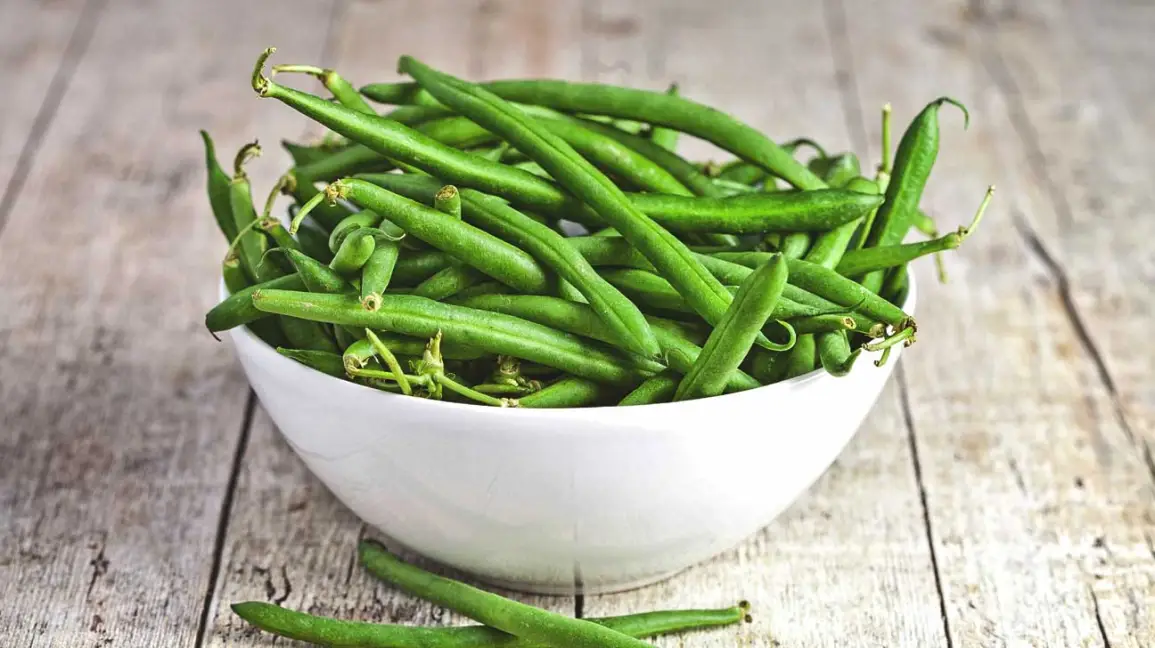
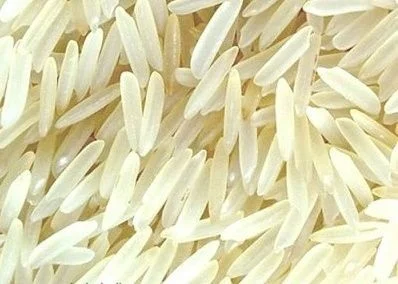
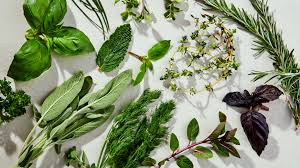
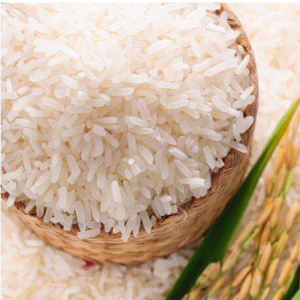
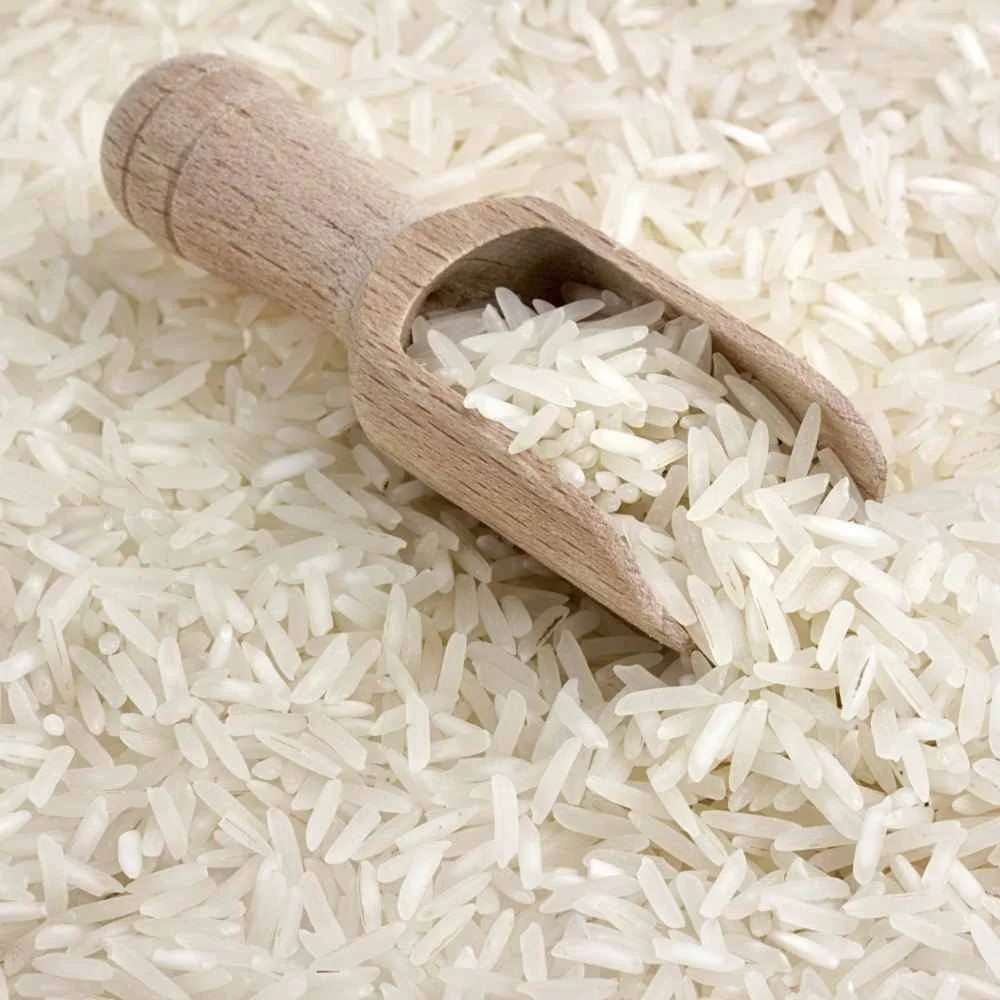
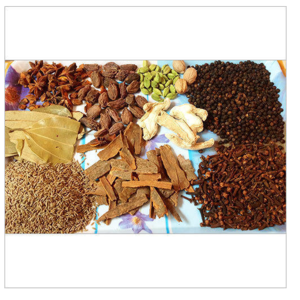
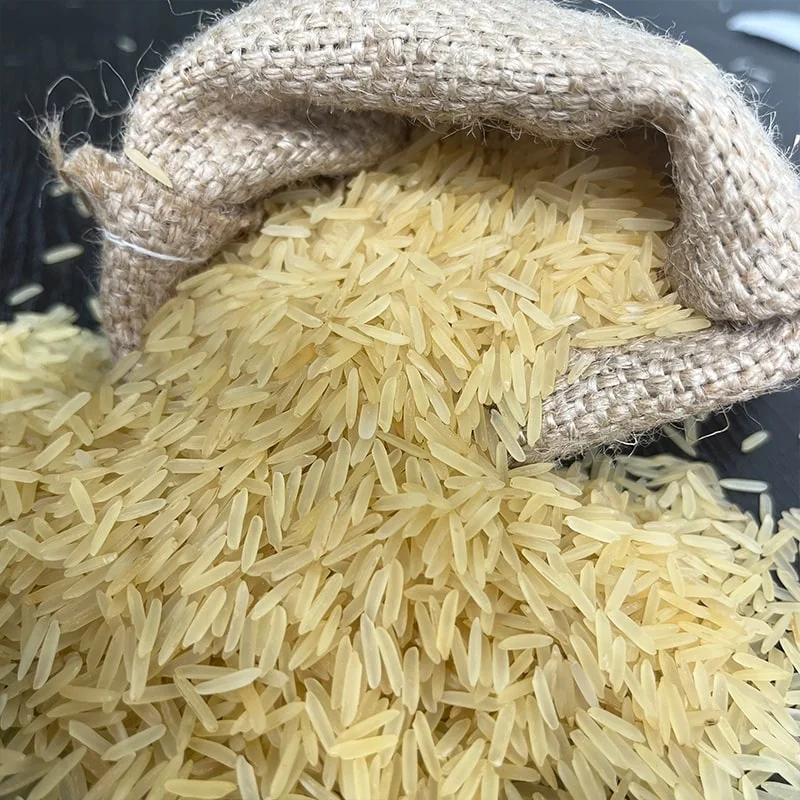
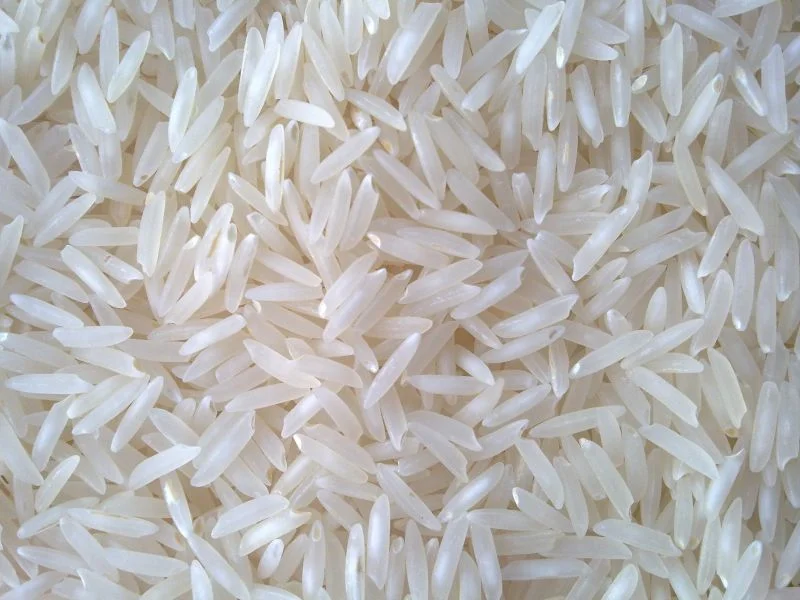
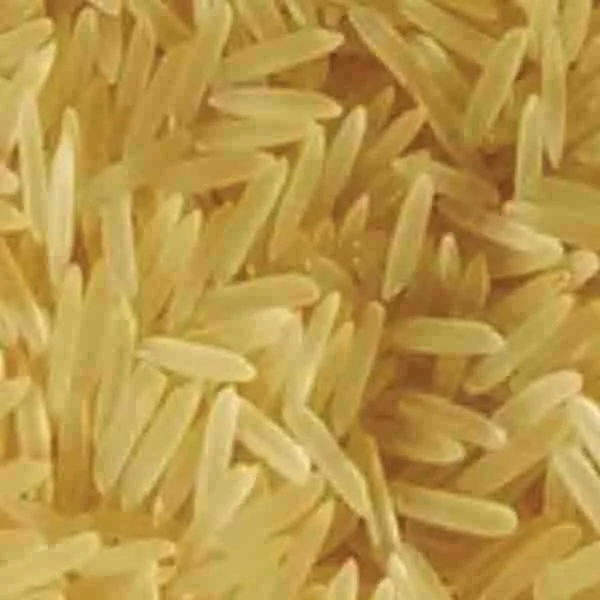
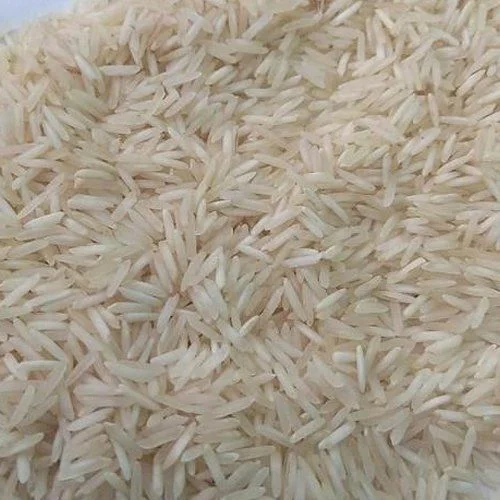
India hosts Shree Organic Foods, which currently lists seven active products in its catalogue. The product set includes Basmati Rice, IR 1121 Basmati Rice, Raw Herbs & Spices, Fresh Vegetables, Black Eyed Beans, Split Bengal Gram, and Dry Turmeric Finger. Each entry is identified by its category name, and where applicable the catalogue provides HS codes - 1006.30 for both Basmati rice items and 0713.39 for the dried Black Eyed Beans. The material descriptions note milled white Basmati rice (Oryza sativa) and dried Vigna unguiculata beans, while the remaining items are listed without additional HS classifications.
Product Range and Specialties of Shree Organic Foods
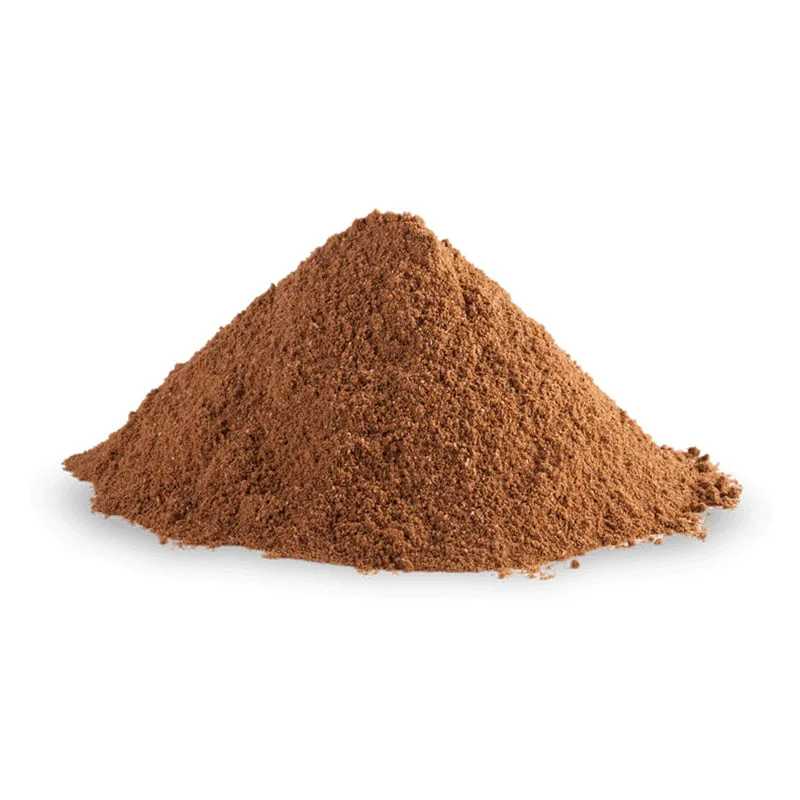
The catalogue covers staple grains, pulses, herbs and fresh produce. Basmati rice items fall under HS chapter 10 and are typically sold in 25 kg bags with moisture content of 12‑14 % and broken grain ≤5 %. IR 1121 is a long‑grain variety often graded for head‑rice yield ≥70 % and uniform grain length around 7‑8 mm. Black Eyed Beans under HS 0713.39 are usually supplied with moisture ≤12 % and size grading from small to large. Raw herbs and spices are commonly offered in bulk or 1 kg packs, with organic or food‑grade certifications such as ISO 22000 or FSSAI. Fresh vegetables are packed in ventilated crates, while dry Turmeric Finger is graded for curcumin content 3‑5 % and moisture ≤10 %.
Trade and Export Information - Shree Organic Foods
India is a major exporter of Basmati rice to the Middle East, South Asia, Europe and North America, and the HS code 1006.30 is routinely inspected under phytosanitary and residue regulations. Dried pulses like Black Eyed Beans (HS 0713.39) are shipped to African and Gulf Cooperation Council markets where importers often require a phytosanitary certificate and proof of compliance with Codex maximum residue limits. Buyers typically request packaging in 20‑ft containers, with rice and beans packed in jute or polypropylene bags that meet ISO 9001 quality‑management standards. Commonly required certifications for Indian food exports include FSSAI registration, ISO 22000, and, where applicable, organic certification (USDA‑NOP or EU organic).
Sourcing from Shree Organic Foods - Buyer Guidance
When sourcing from Shree Organic Foods, buyers should request a product specification sheet that includes moisture, broken‑grain percentage, and any pesticide residue test results. Samples should be examined for organoleptic qualities such as grain aroma for rice or color intensity for turmeric. Verify that the supplier can provide the standard export documents - commercial invoice, packing list, certificate of origin, phytosanitary certificate and, if required, an organic certification audit report.
Frequently Asked Questions About Shree Organic Foods
What HS codes are used for the rice products offered by Shree Organic Foods?
Both the standard Basmati Rice and the IR 1121 Basmati Rice are classified under HS code 1006.30, which covers milled white rice of the Basmati variety.
Which certifications should a buyer request for the raw herbs and spices?
Buyers should ask for ISO 22000 or FSSAI food‑safety certificates, and if organic sourcing is needed, an USDA‑NOP or EU organic certification.
What are typical packaging formats for the Black Eyed Beans?
Black Eyed Beans are usually packed in 25 kg polypropylene bags, which are then grouped on pallets for container loading.
What quality parameters are commonly checked for Basmati rice?
Key parameters include moisture content (12‑14 %), broken grain percentage (≤5 %), head‑rice yield (≥70 %) and grain length uniformity (7‑8 mm).
Which markets commonly import Indian fresh vegetables?
Fresh vegetables from India are frequently shipped to the Middle East, Southeast Asia and European Union countries, often under refrigerated container conditions.
What documentation is required for exporting Turmeric Finger (dry) from India?
Standard export documents include a commercial invoice, packing list, certificate of origin, phytosanitary certificate and any relevant quality‑test reports such as curcumin content analysis.
What container size is typical for shipping the rice and pulse products?
A 20‑ft container can hold approximately 24‑26 tons of 25 kg bags, while a 40‑ft container can accommodate roughly 48‑52 tons, depending on packaging efficiency.
How can a buyer verify the authenticity of the IR 1121 Basmati variety?
Request the supplier’s grain‑quality certificate that shows the IR 1121 designation, along with laboratory analysis confirming grain length, moisture and aroma profiles.




 , India