Shenzhen Goldentex Industrial And Trading Co., Ltd — Supplier
About Shenzhen Goldentex Industrial And Trading Co., Ltd - Textile Fabric Supplier in China
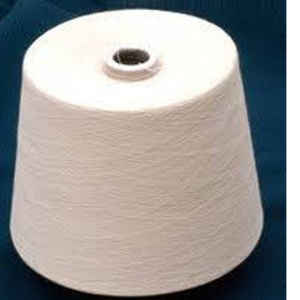
Shenzhen Goldentex Industrial And Trading Co., Ltd is based in Shenzhen, China and currently lists eight active textile products. The catalogue focuses on linen‑based fabrics, which fall under the HS Chapter 63 (woven fabrics) and are commonly classified with HS codes in the 5903‑5905 range for finished textile materials. The supplier’s top categories include Cotton Yarn, Viscose Yarn, Silk and broader fabric raw materials, indicating a focus on blended and natural fibre textiles. Buyers of Chinese linen fabrics typically look for compliance with standards such as ISO 9001 for quality management and may request OEKO‑TX or GOTS certifications for environmentally‑friendly processing. The product list reflects a mix of pure and blended linen constructions, catering to markets that require breathable, medium‑weight woven textiles.
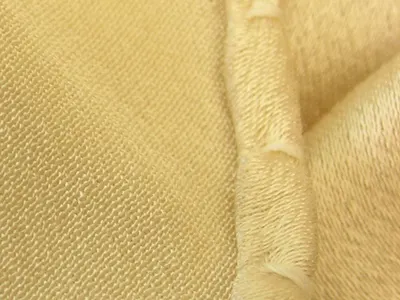
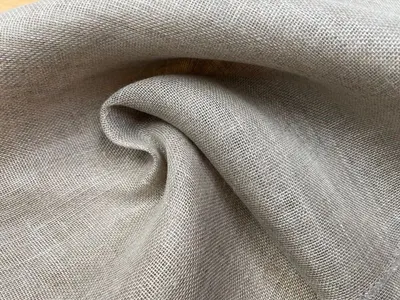
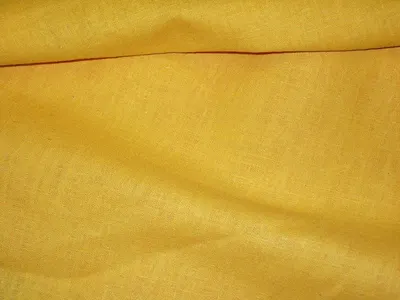
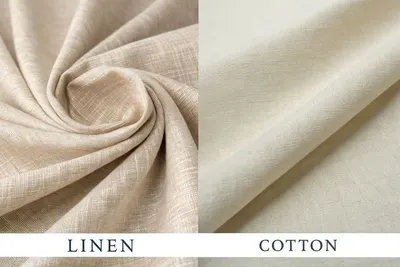
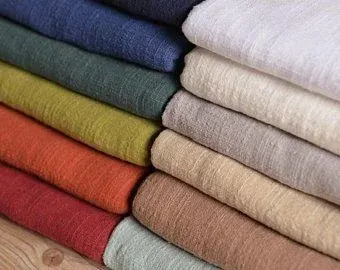
The eight listed items comprise Pure linen fabric, Linen fabric, Linen cotton fabric, Linen golden fabric, Linen ramie cotton fabric, Linen viscose fabric, Linen cotton acrylic, and Linen silk fabric. Each entry specifies a different fibre blend, ranging from 100 % linen to combinations with cotton, ramie, viscose, acrylic and silk. These blends affect characteristics such as tensile strength, moisture absorption and drape, which are relevant to apparel, home‑textile and technical applications. The catalogue does not provide detailed specifications such as GSM or weave type, but the product names indicate the primary fibre composition that buyers can evaluate against their technical requirements.
Product Range and Specialties of Shenzhen Goldentex Industrial And Trading Co., Ltd
The supplier’s catalogue is limited to eight linen‑based woven fabrics with varying fibre blends. Pure linen fabric represents 100 % flax fibres, while the other items introduce cotton, ramie, viscose, acrylic and silk in differing proportions. In the broader linen market, typical grades include standard linen (≈150‑250 gsm), heavy‑weight linen (≈300‑350 gsm) and fine‑weave linen (≈120‑150 gsm), with thread counts ranging from 30 to 70 ends per inch. Buyers often request information on yarn count (Nm or Tex), weave structure (plain, twill or damask) and finishing treatments such as mercerisation or anti‑wrinkle finishes. For blended fabrics, the fibre ratio is a key specification; for example, a linen‑cotton blend may be 70 % linen / 30 % cotton, influencing breathability and durability. The catalogue’s blend variety aligns with common industry practices of mixing linen with other fibres to balance cost, softness and mechanical performance.
Trade and Export Information - Shenzhen Goldentex Industrial And Trading Co., Ltd
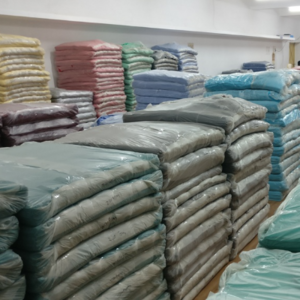
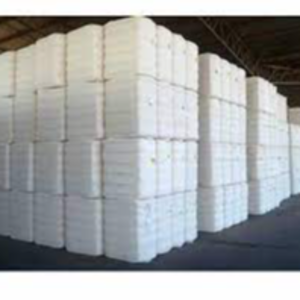
China is a leading exporter of woven textiles, with linen and blended linen fabrics shipped mainly to Europe, North America and the Middle East. HS Chapter 63 codes (e.g., 5903 for woven fabrics of cotton, 5904 for synthetic fibres, 5905 for other woven fabrics) are routinely used for customs clearance of such products. Importers often require certificates of origin, material safety data sheets and compliance with REACH regulations for chemical residues. While the supplier’s specific certifications are not listed, buyers typically request OEKO‑TX Standard 100, GOTS (for organic content) or ISO 9001 quality system certificates from Chinese textile exporters. Shipping is commonly arranged in 20‑ft or 40‑ft containers, with fabrics packed in sealed polyethylene or polypropylene bags, or folded and placed in cardboard cartons to protect against moisture and contamination. Incoterms such as FOB Shenzhen or CIF destination are standard for textile shipments from China.
Sourcing from Shenzhen Goldentex Industrial And Trading Co., Ltd - Buyer Guidance
When sourcing linen fabrics from this supplier, buyers should ask for a product data sheet that details fibre composition, GSM, weave type, colourfastness grades (ISO 105‑B02) and any finishing treatments. Requesting a physical sample is advisable to verify tactile qualities, shrinkage and dimensional stability, especially for blended fabrics where fibre ratios affect performance. Buyers should also confirm the availability of third‑party test reports for compliance with REACH, Oeko‑Tex or any other relevant standards, and request a copy of the supplier’s quality management certification if applicable. Verification of packaging dimensions, container loading plans and lead times helps align logistics with production schedules.
Frequently Asked Questions About Shenzhen Goldentex Industrial And Trading Co., Ltd
What linen fabric variants are listed in the catalogue?
The catalogue lists eight variants: Pure linen, standard Linen, Linen cotton, Linen golden, Linen ramie cotton, Linen viscose, Linen cotton acrylic and Linen silk, each indicating a different fibre blend.
Which HS code chapter covers these fabrics?
These fabrics fall under HS Chapter 63, which covers woven textiles, and are generally classified with codes in the 5903‑5905 range for finished fabric shipments.
What typical specifications should I request for linen fabrics?
Buyers usually request fibre composition percentages, GSM (weight per square metre), weave type, thread count, colour‑fastness ratings and any finishing treatments.
Are there common certifications for Chinese linen exports?
Importers often ask for OEKO‑TX Standard 100, GOTS for organic content, or ISO 9001 quality management certificates, as well as REACH compliance documentation.
How are these fabrics typically packaged for export?
Standard practice is to fold the fabric, place it in sealed polyethylene or polypropylene bags, or pack it in cardboard cartons, then load into 20‑ft or 40‑ft containers.
What Incoterms are most used for textile shipments from China?
FOB Shenzhen and CIF to the buyer’s destination are the most frequently used Incoterms for Chinese textile exporters.
What should I verify before placing a large order?
Confirm the exact fibre blend ratios, request a sample for physical testing, obtain third‑party test reports for REACH and colourfastness, and ensure the supplier can provide the required packaging and container loading plan.
Which regions are the main importers of Chinese linen fabrics?
Europe, North America and the Middle East are the primary markets that import Chinese linen and blended linen fabrics for apparel, home‑textile and industrial applications.




 , China