Shanghai Bst International Trading Co., Ltd — Supplier
About Shanghai Bst International Trading Co., Ltd - Quilts Supplier in China
Shanghai Bst International Trading Co., Ltd is based in China and currently lists five active products in its catalogue. The catalogue focuses on home‑textile items, specifically quilts and related bedding accessories, and includes a single entry with an HS code of 6302.31 for cotton printing bedding made from 100 % cotton. The remaining products - a silk quilt, a 100 % cotton satin quilt, a cushion and a siliconised 6‑denier quilt - are described without HS codes in the provided data. Each product falls under the broader HS Chapter 63 covering textile articles, particularly heading 6302 for bed‑linen. The supplier’s product list therefore spans both natural fibres (silk, cotton) and synthetic‑finished textiles, reflecting a mixed material portfolio.
The five items listed are a silk quilt, a 100 % cotton satin quilt, a cushion, a siliconised 6‑denier quilt and cotton printing bedding. The silk quilt is likely classified under HS 6302.22 for silk bed‑linen, while the cotton satin quilt aligns with HS 6302.21 for cotton bed‑linen. The siliconised quilt, commonly treated with a polyester coating, would typically fall under HS 6302.30 for other textile bed‑linen. The cushion, as a home‑textile accessory, is usually recorded under HS 6304.20 for cushions and similar articles. All products are presented without any claimed certifications or awards in the source data.
Product Range and Specialties of Shanghai Bst International Trading Co., Ltd
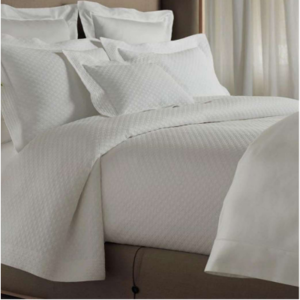
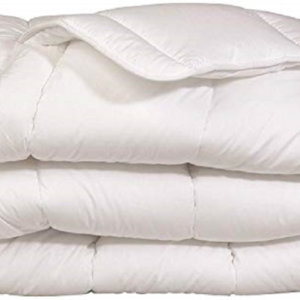
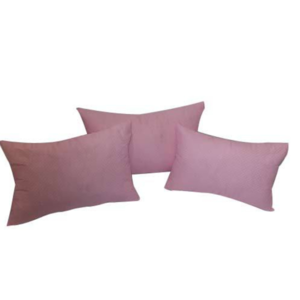
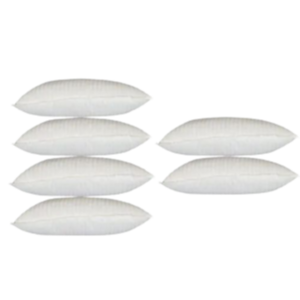
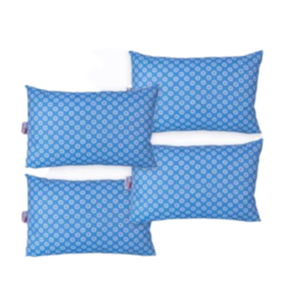
The catalogue presents a silk quilt, a 100 % cotton satin quilt, a cushion, a siliconised 6‑denier quilt and cotton printing bedding (HS 6302.31). In the global home‑textile market, silk quilts are often graded by long‑fibred mulberry silk content and may carry a weight of 120‑150 g/m², while cotton satin quilts are evaluated by thread count (typically 200‑400) and GSM (250‑350). Siliconised quilts commonly feature a polyester coating that provides water resistance; the coating weight is usually expressed in grams per square metre (e.g., 6 g/m²). Cushions are measured by fill power (e.g., 3000‑4000 g) and cover fabric GSM (150‑250). Cotton printing bedding is usually sold in standard sizes (e.g., 200 × 200 cm) with a GSM of 180‑220 and is subject to colour‑fastness standards such as ISO 105‑B02.
Trade and Export Information - Shanghai Bst International Trading Co., Ltd
China is a leading exporter of home‑textile goods, and products classified under HS 6302 and 6304 are routinely shipped to North America, the European Union and Southeast Asian markets. Buyers in these regions typically require compliance with standards such as Oeko‑Tex Standard 100, ISO 9001 quality management and, for flame‑resistant markets, the US 16 CFR 1633 or EU EN 71‑1. Shipping of quilts and bedding is commonly performed in 40‑foot containers, with a typical payload of 20‑22 metric tonnes, packed in sealed cardboard cartons to protect against moisture. Inspection regimes often involve pre‑shipment checks by agencies like SGS or Bureau Veritas, focusing on fibre content verification, dimensional accuracy and lab‑tested colourfastness. The supplier’s target markets are not listed, so buyers should confirm the intended destination’s import regulations and any required certifications before finalising orders.
Sourcing from Shanghai Bst International Trading Co., Ltd - Buyer Guidance
When sourcing from Shanghai Bst International Trading Co., Ltd, buyers should request a detailed product specification sheet that includes fibre composition, GSM, dimensions, coating weight for siliconised items and any applicable thread count. Lab test reports for colourfastness (ISO 105‑B02), shrinkage (ISO 6330) and, where relevant, flame resistance (ASTM E84 or EN 13501‑1) should be obtained before contract signing. Because no certifications are listed, buyers are advised to ask for copies of Oeko‑Tex, ISO 9001 or other relevant certificates if required by the destination market. Sample orders of a single unit per style are standard practice to verify texture, stitching quality and coating adherence. Confirm packaging details - typically double‑wall cartons with inner poly‑bag protection - and clarify Incoterms (e.g., FOB Shanghai or CIF destination) to align logistics expectations.
Frequently Asked Questions About Shanghai Bst International Trading Co., Ltd
What home‑textile categories does Shanghai Bst International Trading Co., Ltd list?
The supplier lists five items: a silk quilt, a 100 % cotton satin quilt, a cushion, a siliconised 6‑denier quilt and cotton printing bedding (HS 6302.31).
Which HS code is provided for any of the products?
Only the cotton printing bedding is associated with HS 6302.31, which covers printed cotton bed‑linen.
Does the supplier hold any certifications for its textile products?
No certifications are mentioned in the supplied data; buyers should request any needed certificates such as Oeko‑Tex or ISO 9001 directly from the supplier.
What material composition is disclosed for the cotton printing bedding?
The bedding is specified as 100 % cotton, aligning with the standard material description for HS 6302.31.
What are typical quality tests buyers should ask for with quilts and bedding?
Buyers usually request colour‑fastness (ISO 105‑B02), shrinkage (ISO 6330), GSM verification and, for siliconised quilts, coating weight measurement.
What packaging format is common for these home‑textile items?
Products are typically packed in sealed cardboard cartons, often grouped in layers with inner poly‑bag protection to prevent moisture during sea freight.
What lead time and minimum order quantity are typical for Chinese home‑textile exporters?
Lead times generally range from 30 to 60 days after order confirmation, and minimum order quantities often start at 500 units per style, but exact terms should be negotiated with the supplier.
Which Incoterms are frequently used for exporting quilts and bedding from China?
Exporters from China commonly use FOB Shanghai or CIF destination ports; buyers should confirm the preferred term before finalising the contract.




 , China