Agriculture›
 Apparel and fashion accessories›
 Construction & real estate›💡Electronic & Electrical›🍎Food & Beverages›🛋️Home furnishing & supplies›⚗️Industrial goods & chemical›🪨Minerals & metals›📦Miscellaneous›Agriculture›Apparel and fashion accessories›Construction & real estate›💡Electronic & Electrical›🍎Food & Beverages›🛋️Home furnishing & supplies›⚗️Industrial goods & chemical›🪨Minerals & metals›📦Miscellaneous›
Shandong Luyan Color Masterbatch Co., Ltd
⚓ Harbor , ChinaNew supplier / no reviews yet
Shandong Luyan Color Masterbatch Co., Ltd Product Catalog
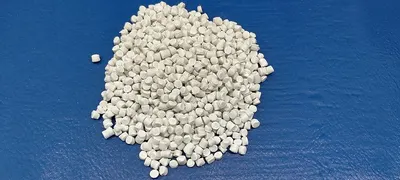
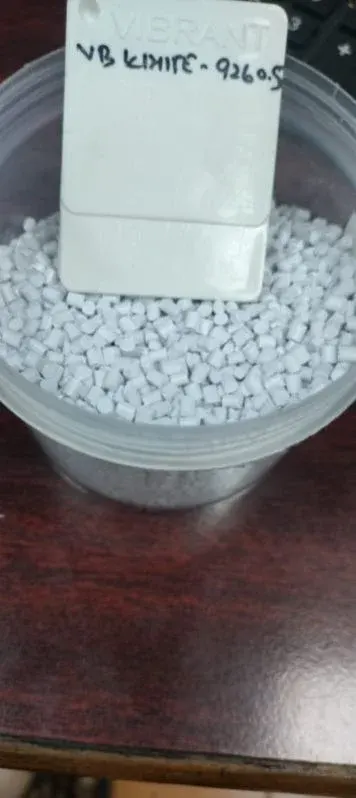
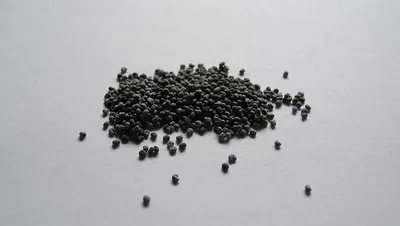
About Shandong Luyan Color Masterbatch Co., Ltd - Masterbatch Supplier in China
Shandong Luyan Color Masterbatch Co., Ltd operates out of China and currently lists six active masterbatch products in its catalogue. The company focuses on colour and functional masterbatches that are added to polymer resins during processing. Its catalogue includes both standard colour masterbatches and specialised formulations such as antistatic and film‑emboldening grades. Each product is identified by its functional description rather than a specific pigment code, reflecting a broad approach to colour matching. The supplier is classified as an imported tier with a harbor trust tier, indicating it is positioned for international trade.
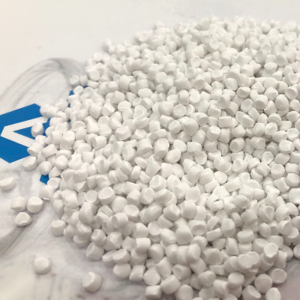
The listed products comprise a general colour masterbatch, a black masterbatch, a white masterbatch, a film‑emboldening masterbatch, a casting film masterbatch, and an antistatic masterbatch. These items fall under the broader HS‑code family for polymer additives, commonly recorded under HS 3820.90 for preparations for the printing or dyeing of textiles and similar uses. The catalogue does not specify individual pigment concentrations, but the product titles indicate typical applications in extrusion, film casting, and static‑dissipative packaging. The range of six products suggests a focused portfolio targeting colour consistency and functional performance in downstream plastic processing.
Product Range and Specialties of Shandong Luyan Color Masterbatch Co., Ltd
The supplier’s catalogue covers colour masterbatches for general use, black and white pigments, and functional grades such as antistatic and film‑emboldening masterbatches. In the broader masterbatch market, colour loads typically range from 5 % to 30 % by weight, with black loads often near the upper end of that range to achieve deep opacity. Functional masterbatches such as antistatic agents are usually formulated at 1 %‑5 % active additive, providing surface resistivity below 10⁹ Ω sq. Film‑emboldening and casting film masterbatches are engineered for low melt‑flow‑index (MFI) resins, often targeting an MFI of 2‑8 g/10 min to maintain film clarity. Standard packaging formats include 25 kg bulk bags and 1 ton wooden crates, compatible with container loading for 20 ft or 40 ft shipments.
Frequently Asked Questions About Shandong Luyan Color Masterbatch Co., Ltd
What types of masterbatch does Shandong Luyan offer?
The catalogue lists six types: a general colour masterbatch, black masterbatch, white masterbatch, film‑emboldening masterbatch, casting film masterbatch, and antistatic masterbatch.
Which HS code is normally used for these masterbatches?
Masterbatches are generally classified under HS code 3820.90, which covers preparations for the printing or dyeing of textiles and similar polymer additives.
What typical colour load ranges should a buyer expect?
Colour masterbatches usually contain 5 %‑30 % pigment by weight; black grades often approach the higher end of that range to achieve deep opacity.
Are functional grades like antistatic masterbatch subject to special testing?
Yes, antistatic masterbatches are typically tested for surface resistivity below 10⁹ Ω sq and for migration limits in the final polymer product.
What documentation is advisable to request before purchase?
Buyers should request a material safety data sheet (MSDS), REACH or equivalent chemical registration proof, and test reports for colour fastness, thermal stability, and melt flow index.
ChinaRelated Suppliers & Products
Explore similar suppliers, related products and trending categories