Horyal Frankincense — Verified Distributor & Wholesale Supplier

About Horyal Frankincense - Frankincense & Myrrh Resin Supplier in Ireland

Ireland, Mogadishu, hosts Horyal Frankincense, which lists five active products in its catalogue. The company records a portfolio of Boswellia Carteri Beyo, Boswellia Frereana, and three entries for Myrrh Sarac, each classified under HS code 1301.90 as natural oleoresins. All items are described as natural resin or gum from Boswellia and Commiphora species. The catalogue does not include other categories despite a broader top_categories list. Export activity has reached Europe, Asia and the Americas.

Product Range and Specialties of Horyal Frankincense

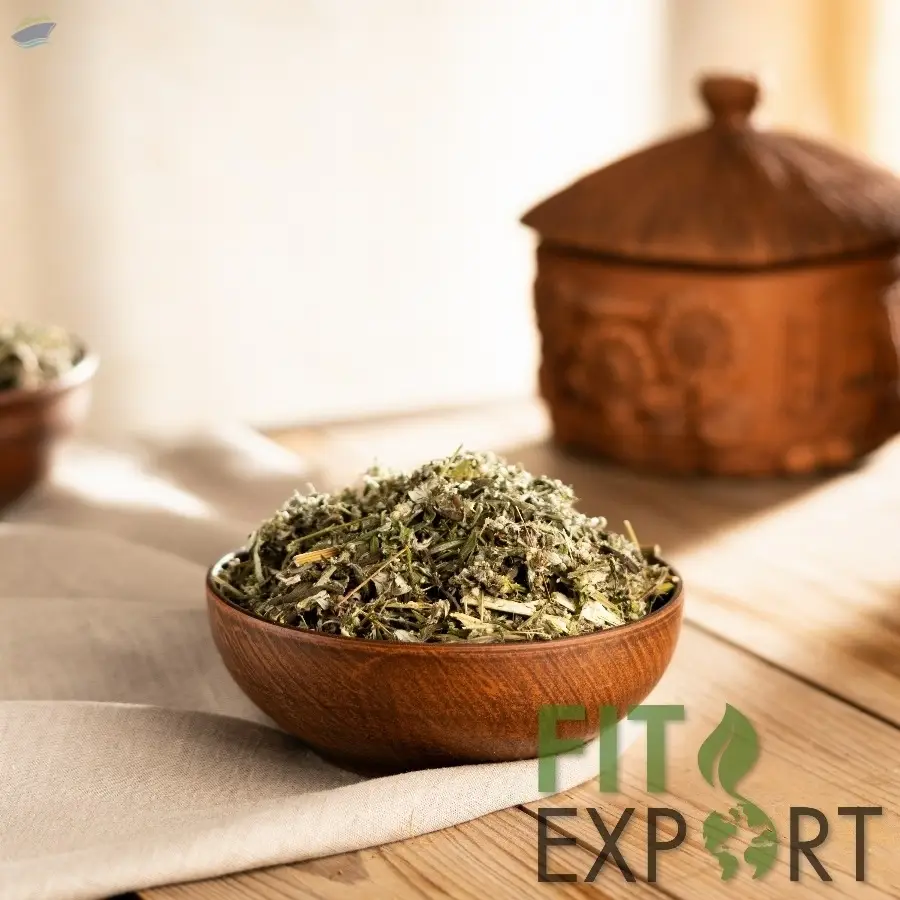
Horyal Frankincense’s catalogue contains Boswellia Carteri Beyo resin, Boswellia Frereana oleo‑resin, and three Myrrh Sarac entries, all recorded under HS 1301.90. The Boswellia products are harvested from the bark of Boswellia trees and are supplied as raw oleoresin, while Myrrh Sarac is harvested from Commiphora myrrha gum resin. The material descriptions indicate unprocessed natural resin without further refinement.

In the frankincense market, Grade A resin typically contains 70‑80 % volatile essential oils and less than 5 % moisture, with purity verified by gas chromatography - mass spectrometry (GC‑MS). Myrrh resin grades are assessed on resin purity (>95 %), essential oil content (5‑10 %), and resin size (usually 1‑3 mm fragments). Buyers often request certificates of analysis, ISO 9001 quality‑management compliance, and organic certification where applicable. Standard packaging for bulk resin includes 25 kg wooden drums, 500 kg polypropylene bags, or 1 ton bulk containers, sealed to prevent moisture ingress.

Trade and Export Information - Horyal Frankincense

Ireland’s export of aromatic plant resins is routed mainly to the European Union, the United States, and the Middle East, where they are used in perfumery, cosmetics, and traditional medicine. HS 1301.90 is monitored by customs authorities for phytosanitary compliance; exporters normally provide a phytosanitary certificate and a certificate of origin. Commonly required certifications for resin shipments include ISO 9001, ISO 14001, and where organic claims are made, EU organic certification or USDA Organic equivalence.

Logistically, bulk resin is shipped in 20‑foot or 40‑foot containers, often under CIF terms to major ports such as Rotterdam, Hamburg, New York, and Dubai. Moisture control is critical; containers are typically equipped with desiccant packs and sealed with vapor‑proof liners. Buyers in the cosmetics and fragrance industries frequently request pre‑shipment sampling and third‑party laboratory testing to confirm oil content and absence of contaminants such as heavy metals.

Sourcing from Horyal Frankincense - Buyer Guidance

When sourcing resin from Horyal Frankincense, purchasers should request a recent Certificate of Analysis that details essential oil percentage, moisture content, and any detected residues. Because the supplier is listed under the organic tier, buyers may also ask for the organic certification document and the corresponding audit report to verify compliance with organic standards.

Verification of the HS code (1301.90) on commercial invoices and packing lists is essential for customs clearance. Buyers typically confirm packaging type, weight per container, and the presence of a phytosanitary certificate. Providing a sample for independent GC‑MS testing before final order can help validate the resin’s grade and ensure it meets the buyer’s formulation specifications.

Frequently Asked Questions About Horyal Frankincense

What resin products are listed in Horyal Frankincense’s catalogue?

The catalogue lists Boswellia Carteri Beyo resin, Boswellia Frereana oleo‑resin, and three entries for Myrrh Sarac resin, all classified under HS code 1301.90 as natural vegetable oleoresins.

Which HS code applies to the listed resins?

All five products are recorded under HS code 1301.90, which covers “Other vegetable products” including aromatic resins such as frankincense and myrrh.

Does Horyal Frankincense hold any certifications?

The supplied data places the supplier in the organic tier, but no specific certification is listed; buyers should request the organic certification document and any quality‑management certificates such as ISO 9001.

What typical quality parameters are used for frankincense and myrrh resin?

Industry standards assess resin purity (typically >95 %), essential oil content (70‑80 % for frankincense, 5‑10 % for myrrh), moisture level (<5 %), and the absence of heavy‑metal residues, usually verified by GC‑MS analysis.

What packaging formats are common for these resins?

Bulk resin is normally packed in 25 kg wooden drums, 500 kg polypropylene bags, or bulk 1‑ton containers, sealed to protect against moisture and contamination.

Which markets commonly import Irish frankincense and myrrh resin?

Major import destinations include the European Union, the United States, and Gulf Cooperation Council countries, where the resins are used in fragrance, cosmetics, and traditional medicinal products.

What documents should a buyer request before placing an order?

Buyers should obtain a Certificate of Analysis, a phytosanitary certificate, a certificate of origin, and, if applicable, the organic certification and any ISO quality‑management certificates.


Other Suppliers in Sage

Top Trusted Suppliers

Related Products in Sage

Trending in Parent Category

More Suppliers in Parent Category

Related Products

Other Suppliers

EximNext
58.4K+ live requirements
Register Free🎁 5 free buy-lead credits
Post Requirement
🌍 Trusted by 224.3K+ businesses in 200+ countries|
58.4K+ active requirements right now
✉️ [email protected]
|
Sell on EximNextPost Requirement
EximNext
AgricultureApparelConstructionElectronicFoodHomeIndustrialMineralsMiscellaneous
🔥 Deals|✨ AI Match|🏭 Suppliers|📋 Buy Leads|💰 Trade Finance|⭐ Upgrade
58.4K+ live RFQs·194.4K+ suppliers
🎁 5 free credits →
EximNext
EximNext
Register Free
🎁 5 free buy-lead credits
Sign In
📋Post Requirement💬Get QuotesAI Match📋RFQ Marketplace
All Categories
Services & Tools
🏭Supplier Directory🔥Today's Deals💰Trade FinanceMembership
Sell on EximNext
AboutContactBlogHelp
Horyal Frankincense

Horyal Frankincense

Harbor
Country flag , IrelandEst. 2020-01-01
🏆
6+
Years in Business
🛡️
59/100
Trust Score

Horyal Frankincense Product Catalog

Showing 5 of 5 products
View all products →
Myrrh Sarac
Harbor
Myrrh Sarac
Contact
MOQ: 1 Unit
Myrrh Sarac
Harbor
Myrrh Sarac
Contact
MOQ: 1 Unit
Myrrh Sarac
Harbor
Myrrh Sarac
Contact
MOQ: 1 Unit
Boswellia Frereana
Harbor
Boswellia Frereana
Contact
MOQ: 1 Unit
Boswellia Carteri Beyo
Harbor
Boswellia Carteri Beyo
Contact
MOQ: 1 Unit

About Horyal Frankincense - Frankincense & Myrrh Resin Supplier in Ireland

Ireland, Mogadishu, hosts Horyal Frankincense, which lists five active products in its catalogue. The company records a portfolio of Boswellia Carteri Beyo, Boswellia Frereana, and three entries for Myrrh Sarac, each classified under HS code 1301.90 as natural oleoresins. All items are described as natural resin or gum from Boswellia and Commiphora species. The catalogue does not include other categories despite a broader top_categories list. Export activity has reached Europe, Asia and the Americas.

Product Range and Specialties of Horyal Frankincense

Horyal Frankincense’s catalogue contains Boswellia Carteri Beyo resin, Boswellia Frereana oleo‑resin, and three Myrrh Sarac entries, all recorded under HS 1301.90. The Boswellia products are harvested from the bark of Boswellia trees and are supplied as raw oleoresin, while Myrrh Sarac is harvested from Commiphora myrrha gum resin. The material descriptions indicate unprocessed natural resin without further refinement.

In the frankincense market, Grade A resin typically contains 70‑80 % volatile essential oils and less than 5 % moisture, with purity verified by gas chromatography - mass spectrometry (GC‑MS). Myrrh resin grades are assessed on resin purity (>95 %), essential oil content (5‑10 %), and resin size (usually 1‑3 mm fragments). Buyers often request certificates of analysis, ISO 9001 quality‑management compliance, and organic certification where applicable. Standard packaging for bulk resin includes 25 kg wooden drums, 500 kg polypropylene bags, or 1 ton bulk containers, sealed to prevent moisture ingress.

Trade and Export Information - Horyal Frankincense

Ireland’s export of aromatic plant resins is routed mainly to the European Union, the United States, and the Middle East, where they are used in perfumery, cosmetics, and traditional medicine. HS 1301.90 is monitored by customs authorities for phytosanitary compliance; exporters normally provide a phytosanitary certificate and a certificate of origin. Commonly required certifications for resin shipments include ISO 9001, ISO 14001, and where organic claims are made, EU organic certification or USDA Organic equivalence.

Logistically, bulk resin is shipped in 20‑foot or 40‑foot containers, often under CIF terms to major ports such as Rotterdam, Hamburg, New York, and Dubai. Moisture control is critical; containers are typically equipped with desiccant packs and sealed with vapor‑proof liners. Buyers in the cosmetics and fragrance industries frequently request pre‑shipment sampling and third‑party laboratory testing to confirm oil content and absence of contaminants such as heavy metals.

Sourcing from Horyal Frankincense - Buyer Guidance

When sourcing resin from Horyal Frankincense, purchasers should request a recent Certificate of Analysis that details essential oil percentage, moisture content, and any detected residues. Because the supplier is listed under the organic tier, buyers may also ask for the organic certification document and the corresponding audit report to verify compliance with organic standards.

Verification of the HS code (1301.90) on commercial invoices and packing lists is essential for customs clearance. Buyers typically confirm packaging type, weight per container, and the presence of a phytosanitary certificate. Providing a sample for independent GC‑MS testing before final order can help validate the resin’s grade and ensure it meets the buyer’s formulation specifications.

Frequently Asked Questions About Horyal Frankincense

What resin products are listed in Horyal Frankincense’s catalogue?

The catalogue lists Boswellia Carteri Beyo resin, Boswellia Frereana oleo‑resin, and three entries for Myrrh Sarac resin, all classified under HS code 1301.90 as natural vegetable oleoresins.

Which HS code applies to the listed resins?

All five products are recorded under HS code 1301.90, which covers “Other vegetable products” including aromatic resins such as frankincense and myrrh.

Does Horyal Frankincense hold any certifications?

The supplied data places the supplier in the organic tier, but no specific certification is listed; buyers should request the organic certification document and any quality‑management certificates such as ISO 9001.

What typical quality parameters are used for frankincense and myrrh resin?

Industry standards assess resin purity (typically >95 %), essential oil content (70‑80 % for frankincense, 5‑10 % for myrrh), moisture level (<5 %), and the absence of heavy‑metal residues, usually verified by GC‑MS analysis.

What packaging formats are common for these resins?

Bulk resin is normally packed in 25 kg wooden drums, 500 kg polypropylene bags, or bulk 1‑ton containers, sealed to protect against moisture and contamination.

Which markets commonly import Irish frankincense and myrrh resin?

Major import destinations include the European Union, the United States, and Gulf Cooperation Council countries, where the resins are used in fragrance, cosmetics, and traditional medicinal products.

What documents should a buyer request before placing an order?

Buyers should obtain a Certificate of Analysis, a phytosanitary certificate, a certificate of origin, and, if applicable, the organic certification and any ISO quality‑management certificates.

About Horyal Frankincense - Frankincense & Myrrh Resin Supplier in Ireland

Ireland, Mogadishu, hosts Horyal Frankincense, which lists five active products in its catalogue. The company records a portfolio of Boswellia Carteri Beyo, Boswellia Frereana, and three entries for Myrrh Sarac, each classified under HS code 1301.90 as natural oleoresins. All items are described as natural resin or gum from Boswellia and Commiphora species. The catalogue does not include other categories despite a broader top_categories list. Export activity has reached Europe, Asia and the Americas.

Product Range and Specialties of Horyal Frankincense

Horyal Frankincense’s catalogue contains Boswellia Carteri Beyo resin, Boswellia Frereana oleo‑resin, and three Myrrh Sarac entries, all recorded under HS 1301.90. The Boswellia products are harvested from the bark of Boswellia trees and are supplied as raw oleoresin, while Myrrh Sarac is harvested from Commiphora myrrha gum resin. The material descriptions indicate unprocessed natural resin without further refinement.

In the frankincense market, Grade A resin typically contains 70‑80 % volatile essential oils and less than 5 % moisture, with purity verified by gas chromatography - mass spectrometry (GC‑MS). Myrrh resin grades are assessed on resin purity (>95 %), essential oil content (5‑10 %), and resin size (usually 1‑3 mm fragments). Buyers often request certificates of analysis, ISO 9001 quality‑management compliance, and organic certification where applicable. Standard packaging for bulk resin includes 25 kg wooden drums, 500 kg polypropylene bags, or 1 ton bulk containers, sealed to prevent moisture ingress.

Trade and Export Information - Horyal Frankincense

Ireland’s export of aromatic plant resins is routed mainly to the European Union, the United States, and the Middle East, where they are used in perfumery, cosmetics, and traditional medicine. HS 1301.90 is monitored by customs authorities for phytosanitary compliance; exporters normally provide a phytosanitary certificate and a certificate of origin. Commonly required certifications for resin shipments include ISO 9001, ISO 14001, and where organic claims are made, EU organic certification or USDA Organic equivalence.

Logistically, bulk resin is shipped in 20‑foot or 40‑foot containers, often under CIF terms to major ports such as Rotterdam, Hamburg, New York, and Dubai. Moisture control is critical; containers are typically equipped with desiccant packs and sealed with vapor‑proof liners. Buyers in the cosmetics and fragrance industries frequently request pre‑shipment sampling and third‑party laboratory testing to confirm oil content and absence of contaminants such as heavy metals.

Sourcing from Horyal Frankincense - Buyer Guidance

When sourcing resin from Horyal Frankincense, purchasers should request a recent Certificate of Analysis that details essential oil percentage, moisture content, and any detected residues. Because the supplier is listed under the organic tier, buyers may also ask for the organic certification document and the corresponding audit report to verify compliance with organic standards.

Verification of the HS code (1301.90) on commercial invoices and packing lists is essential for customs clearance. Buyers typically confirm packaging type, weight per container, and the presence of a phytosanitary certificate. Providing a sample for independent GC‑MS testing before final order can help validate the resin’s grade and ensure it meets the buyer’s formulation specifications.

Frequently Asked Questions About Horyal Frankincense
What resin products are listed in Horyal Frankincense’s catalogue?
The catalogue lists Boswellia Carteri Beyo resin, Boswellia Frereana oleo‑resin, and three entries for Myrrh Sarac resin, all classified under HS code 1301.90 as natural vegetable oleoresins.
Which HS code applies to the listed resins?
All five products are recorded under HS code 1301.90, which covers “Other vegetable products” including aromatic resins such as frankincense and myrrh.
Does Horyal Frankincense hold any certifications?
The supplied data places the supplier in the organic tier, but no specific certification is listed; buyers should request the organic certification document and any quality‑management certificates such as ISO 9001.
What typical quality parameters are used for frankincense and myrrh resin?
Industry standards assess resin purity (typically >95 %), essential oil content (70‑80 % for frankincense, 5‑10 % for myrrh), moisture level (<5 %), and the absence of heavy‑metal residues, usually verified by GC‑MS analysis.
What packaging formats are common for these resins?
Bulk resin is normally packed in 25 kg wooden drums, 500 kg polypropylene bags, or bulk 1‑ton containers, sealed to protect against moisture and contamination.
Which markets commonly import Irish frankincense and myrrh resin?
Major import destinations include the European Union, the United States, and Gulf Cooperation Council countries, where the resins are used in fragrance, cosmetics, and traditional medicinal products.
What documents should a buyer request before placing an order?
Buyers should obtain a Certificate of Analysis, a phytosanitary certificate, a certificate of origin, and, if applicable, the organic certification and any ISO quality‑management certificates.

Horyal Frankincense
Horyal Frankincense
Country flag , Ireland
Harbor
59/100
Trust Score
📦
5
Products
Free to contact — no commission
Escrow payment available
Verified business identity
Compare more suppliers
Post a requirement — get 10 quotes free
Let verified suppliers compete for your business. Free, fast, no commitment.
EximNext Verified Supplier
Business identity verified
Physical address confirmed
Financial history checked
Certifications authenticated
Trade references validated
Due Diligence
Verify this supplier's real shipping history.
Every shipment, every buyer, every port. Trade data that can't be faked.
Run due diligence →
Discover More

Related Suppliers & Products

Explore similar suppliers, related products and trending categories

Other Suppliers in Sage

Top Trusted Suppliers

Related Products in Sage

Trending in Parent Category

More Suppliers in Parent Category

Stay ahead in global trade
Weekly market insights & new supplier alerts.
EximNext
Exim Next is a leading global B2B marketplace, connecting over 205,000 verified suppliers and buyers across 200+ countries. As a trusted import export marketplace, it serves as the essential B2B portal for businesses worldwide, empowering them to expand their international reach. With Exim Next, businesses can trade smarter and grow faster.
SECURE PAYMENTS
VISAMastercardPayPalSWIFTL/CEscrow
Follow us
© 2026 EximNext