Semmoor Exports and Imports — Verified Supplier
About Semmoor Exports and Imports - Agricultural Products Supplier in India
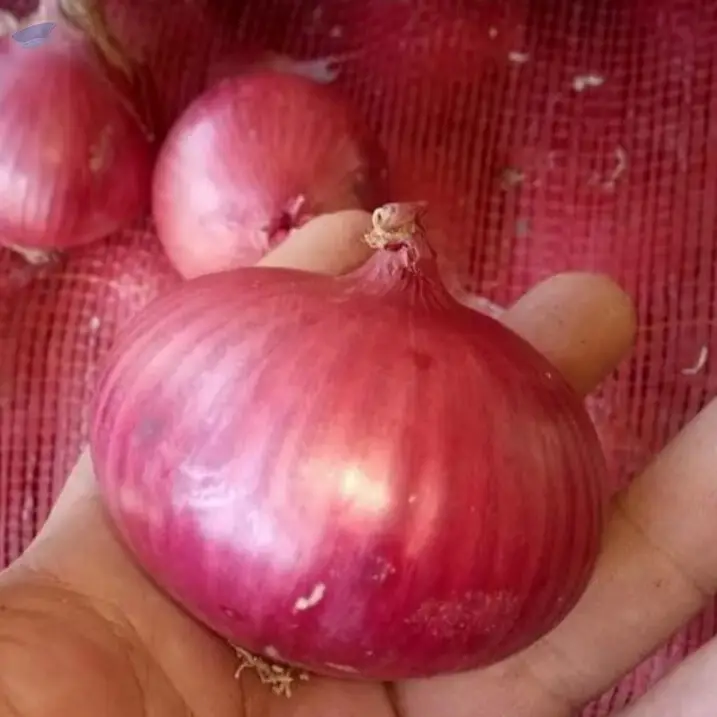
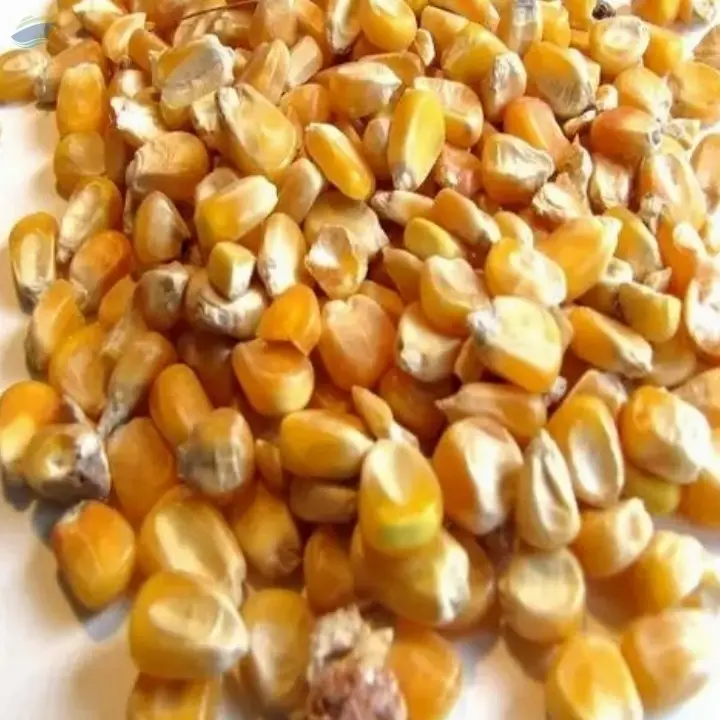
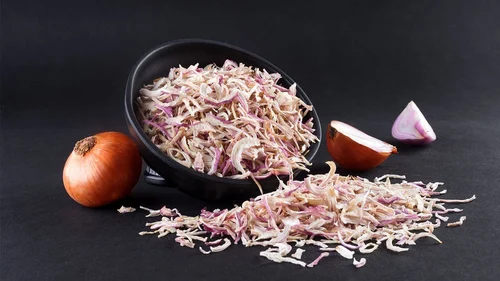
India, Pudukkottai, Tamil Nadu, is the operational base of Semmoor Exports and Imports. The company lists six active products in its current catalogue, covering Yellow Maize, Semi‑Husked Coconuts, Small Onion, Watermelon, Raw Coconut with husk and Fully Husked coconuts. These items are recorded under the broader agricultural categories of cereals, tropical fruits and vegetables. The supplier’s profile states that it exports agro‑products such as coconuts, sesame, urad dal, maize, vegetables and other agricultural produce. Each product is identified by its common trade name without additional proprietary branding.
The catalogue reflects a focus on staple and perishable crops that are commonly traded from India. Yellow Maize belongs to the HS‑10.05 family for cereals, while the various coconut forms fall under HS‑08.04 for fresh coconuts. Small Onion is classified under HS‑07.03 for onions, and Watermelon under HS‑08.07 for melons. No further company‑specific data beyond the product list is provided, allowing buyers to match these items with standard industry specifications for each commodity.
Product Range and Specialties of Semmoor Exports and Imports
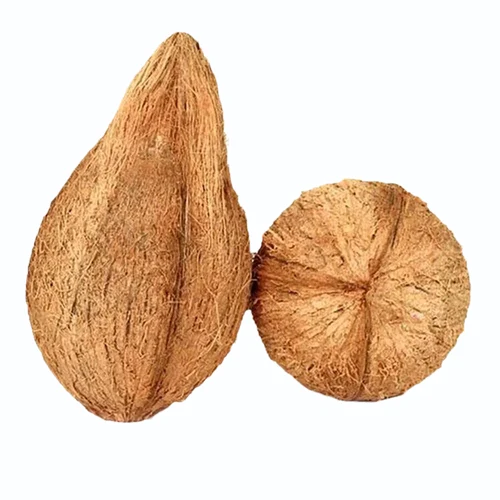
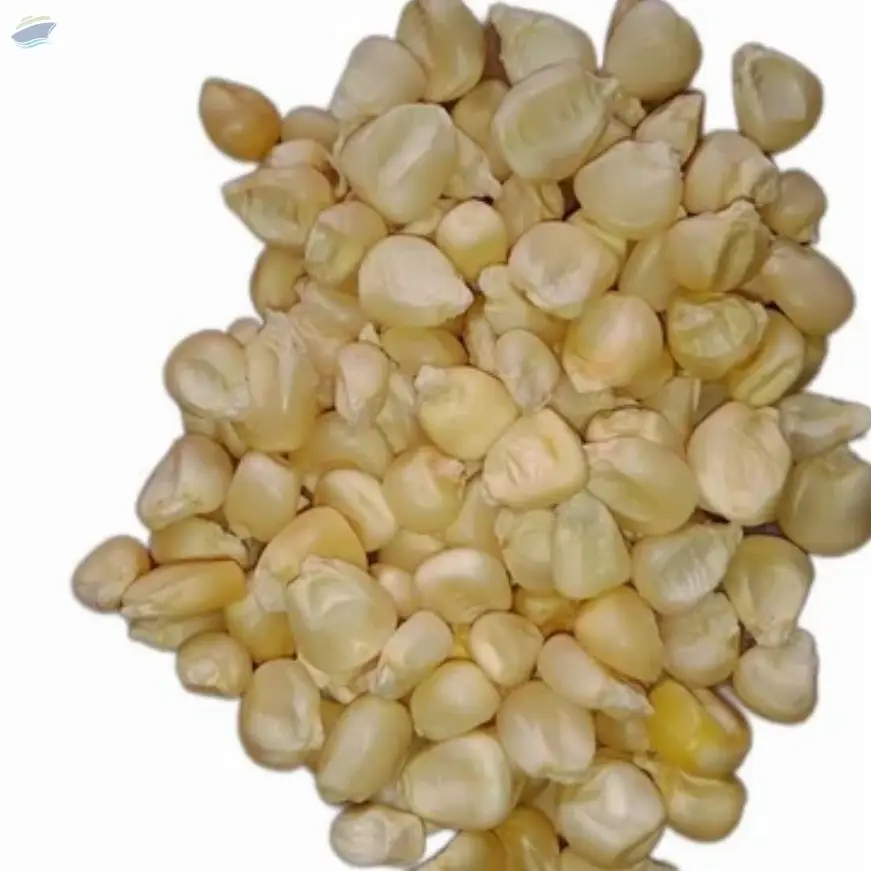
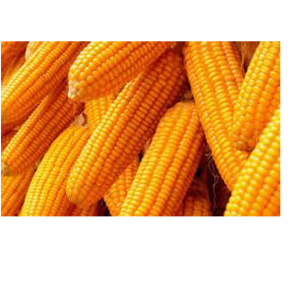
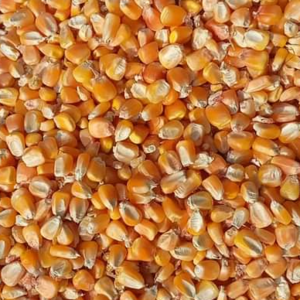
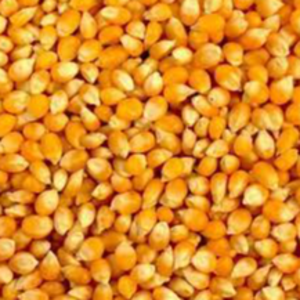
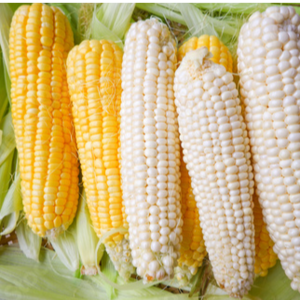
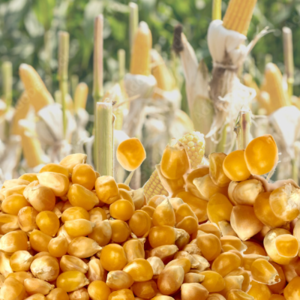
Semmoor’s catalogue includes Yellow Maize, which in Indian export markets is typically a 100 % yellow kernel grade with moisture content between 13 % and 15 % and a test weight of 720‑750 kg / hL. Semi‑Husked Coconuts and Fully Husked Coconuts are usually graded by husk removal percentage (30‑40 % husk retained for semi‑husked) and meet size specifications of 9‑12 cm diameter for export. Small Onion is commonly offered in the 30‑40 mm diameter range and is graded for dry matter content above 10 %. Watermelon exports generally conform to a uniform shape, flesh firmness above 6 kg / cm² and a sugar content (Brix) of 10‑12 %. These grades align with the specifications required by major importers and are packed in ventilated crates or bulk containers according to HS‑code handling norms.
Trade and Export Information - Semmoor Exports and Imports
India is a major exporter of maize, coconuts, onions and watermelon to the Middle East, the European Union, Africa and Southeast Asia. HS‑10.05 (maize) shipments are often subject to phytosanitary certificates and, for certain destination markets, a certificate of origin and a declaration of pesticide residues under the Codex Alimentarius limits. Fresh coconuts (HS‑08.04) typically require a phytosanitary certificate, a moisture content test, and may be inspected for aflatoxin levels when destined for the EU. Onion (HS‑07.03) and watermelon (HS‑08.07) consignments are usually packed in 20‑ft or 40‑ft refrigerated containers, with temperature controls set at 5‑8 °C for onions and 10‑12 °C for watermelon to preserve freshness during sea transit. Commonly requested certifications include ISO 22000, FSSC 22000 and, where applicable, GlobalGAP for traceability. Export documentation from Indian producers often includes a commercial invoice, packing list, bill of lading, phytosanitary certificate, and, for certain buyers, a certificate of analysis for pesticide residues.
Sourcing from Semmoor Exports and Imports - Buyer Guidance
When sourcing Yellow Maize from this supplier, buyers should request a recent test report showing moisture content, kernel purity and mycotoxin levels, as well as a phytosanitary certificate confirming compliance with the destination country’s plant health regulations. For coconut products, buyers normally ask for a sample to verify husk removal percentage, size uniformity and moisture content, together with a GlobalGAP or equivalent farm‑level certification if required by the buyer’s quality system. Onion purchases should be supported by a certificate of analysis for dry matter and a phytosanitary certificate; the buyer may also request a pesticide residue report for the latest harvest. Watermelon consignments benefit from a pre‑shipment inspection report confirming Brix level, firmness and absence of external damage, plus a temperature‑controlled container booking. In all cases, confirming the HS‑code used on the commercial invoice matches the product description helps avoid customs delays.
Frequently Asked Questions About Semmoor Exports and Imports
What HS codes does Semmoor use for its listed products?
Typical HS codes for the listed items are 1005 for Yellow Maize, 0804 for Semi‑Husked and Fully Husked Coconuts, 0703 for Small Onion and 0807 for Watermelon. The supplier aligns its invoices with these standard codes.
Can I obtain a sample of the Semi‑Husked Coconuts before placing a full order?
Yes, the supplier can arrange a small sample shipment. Buyers should request a sample that includes a husk removal percentage test and a moisture content analysis.
Which certifications are commonly required for importing Indian maize?
Importers usually request a phytosanitary certificate, a certificate of origin and a laboratory analysis confirming moisture below 14 % and mycotoxin levels within Codex limits. ISO 22000 or FSSC 22000 certification is often preferred but not mandatory.
What packaging is used for the Fresh Onion shipment?
Fresh Onion is typically packed in ventilated mesh bags of 25 kg or in bulk cartons with perforated liners to maintain airflow. The packaging complies with HS‑code 0703 handling requirements.
How is Watermelon shipped to maintain quality?
Watermelon is generally loaded in temperature‑controlled 20‑ft or 40‑ft reefers set at 10‑12 °C, with pallets spaced to avoid bruising. Palletized loads are secured with stretch film and labeled with the HS‑code 0807.
What documentation should I expect with a Maize export order?
Standard documents include a commercial invoice, packing list, bill of lading, phytosanitary certificate, certificate of origin and, if requested, a laboratory test report for pesticide residues.
Is a GlobalGAP certification available for the coconut products?
The supplier can provide evidence of farm‑level compliance if requested, but GlobalGAP is not listed among its current certifications. Buyers should ask for any available traceability documents.
What are the typical minimum order quantities (MOQ) for these products?
MOQs vary by commodity: maize is often quoted per metric ton, coconuts per 500 kg pallet, onions per 10 metric tons and watermelon per 20‑ft container load. Exact MOQs are confirmed during the quotation stage.




 Pudukkottai, India

.jpg.png)