Scrap IT III LLC — Verified Supplier

About Scrap IT III LLC - Plastic Recycling Supplier in the United States

Scrap IT III LLC is an independent plastic recycling firm based in Bartow, Florida, in the United States, operating in the scrap polymer and paper recovery segment of the recycling industry. The company lists 6 active products in its catalogue, spanning post-consumer rPET packaging, rHDPE containers, HDPE drums, PU foam scrap, woven PP super sacks, and OCC (Old Corrugated Containers) waste paper. Its catalogue spans four HS code families: 3923.30 (pet bottles), 3921.11 (PU foam), 3923.29 (HDPE milk bottles), 3915.10 (HDPE drum), 6305.32 (PP super sacks), and 4707.90 (OCC waste paper), reflecting a mixed-plastics-and-paper recovery operation rather than a single-resin focus. The Bartow, FL location places the firm in central Florida's logistics corridor, with road access to the Port of Tampa for containerised export and to Gulf Coast shipping lanes used by US scrap exporters. The supplier's listed materials cover the seven resin groups that dominate US curbside and commercial recovery streams: PET (rPET), HDPE (rHDPE and HDPE), PP (woven PP fabric), PU foam, and cellulose fibre in the form of OCC Grade 11. The product mix indicates a bales-and-grind operation handling both rigid container scrap (bottles, drums, milk bottles) and flexible or fibrous scrap (PU foam, woven PP sacks, OCC paper). Scrap IT III LLC is registered as a US-based exporter of recyclable raw materials, supplying downstream reclaimers, sheet extruders, blow moulders, and paper mills that consume secondary feedstock rather than virgin resin.

Product Range and Specialties of Scrap IT III LLC

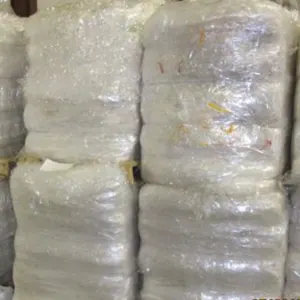
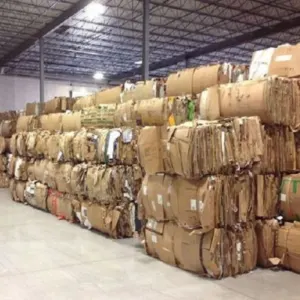
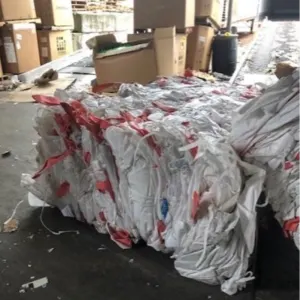
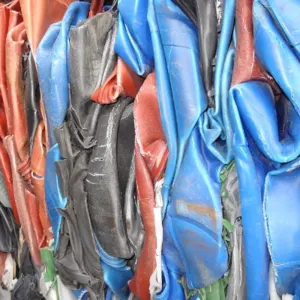
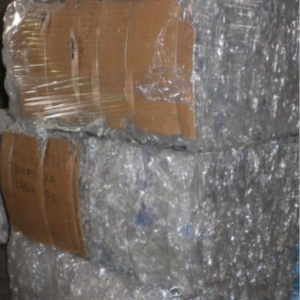
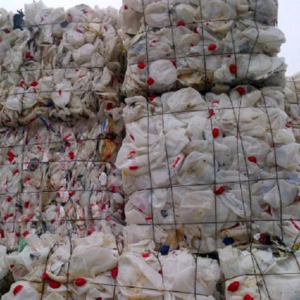
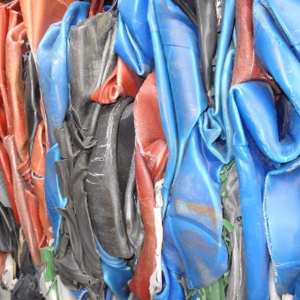
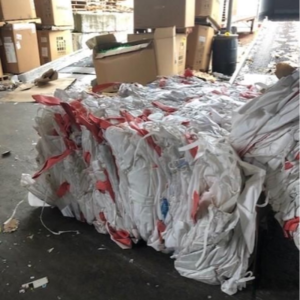
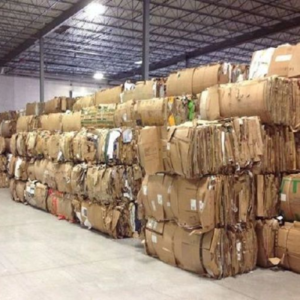
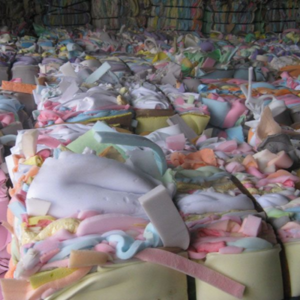
Scrap IT III LLC's catalogue covers six product lines that map directly onto the standard commodity grades traded in the US scrap market. The PET line is rPET in baled post-consumer bottle form, falling under HS 3923.30 and typically graded against the ISRI specifications for whole post-consumer PET bottles (e.g., bale grade with PVC/PLA contamination limits below 50 ppm and moisture content typically capped at 2%). The HDPE products include both natural-coloured milk bottle scrap (HS 3923.29, typically post-consumer HDPE pigmented natural, ISRI bale specs) and HDPE drum scrap (HS 3915.10, rigid industrial containers that reclaimers flake into extrusion-grade pellets). The PU foam line (HS 3921.11) is rebond or shredded flexible polyurethane foam scrap, used in carpet underlay, automotive seating, and acoustic panel applications, typically graded by density (kg/m³) and foam type (ether/ester). The remaining two lines extend the catalogue into non-plastic scrap. The PP super sacks (HS 6305.32) are recycled woven polypropylene FIBC (Flexible Intermediate Bulk Container) bags, typically supplied cleaned and baled, with polypropylene content above 90% and minimal PE contamination, used by reclaimers producing injection-grade PP. The OCC waste paper line (HS 4707.90) is Old Corrugated Containers Grade 11, the standard US export grade for mixed corrugated kraft cuttings and used boxes, with a typical kraft fibre content of at least 92% and moisture below 12%, used by Asian and domestic containerboard mills. Across all six lines, the supplier offers toll grinding, metal separation, baling, storage, and packaging as processing services, which aligns with the standard preprocessing steps (sorting, metal-detection, shredding, baling to 500-600 kg bales) required to meet reclaimers' intake specifications.

Trade and Export Information - Scrap IT III LLC

Trade in US-origin recycled plastics and OCC paper is dominated by bulk containerised shipments, typically in 40 ft high-cube containers loaded to roughly 20-22 metric tonnes for baled plastics and OCC, and in 40 ft dry vans for FIBC and foam scrap. The HS code families represented in Scrap IT III LLC's catalogue (3923.30, 3921.11, 3923.29, 3915.10, 6305.32, 4707.90) cover plastics articles, polyurethane foam, polyethylene containers, polyethylene waste, woven PP sacks, and recovered paper, all of which move under standard Incoterms such as FOB Port of Tampa or CIF destination port for export buyers. US scrap exports of rPET, rHDPE, and OCC are heavily directed to Asia (China historically, now Vietnam, Indonesia, Malaysia, Thailand, and India for paper; Southeast Asia and Latin America for plastics), with Mexico and Canada taking significant volumes overland for cross-border processing. Buyers of these commodity grades typically require documentation tied to the scrap's regulatory and quality status. For OCC, the ISRI Grade 11 specification and a moisture reading (typically below 12%) are standard, and many Asian mills request a pre-shipment inspection certificate. For rPET and rHDPE bales, buyers usually ask for ISRI bale specifications, contamination reports (PVC, PLA, metal, paper labels), melt flow or melt index data where applicable, and a Certificate of Destruction or non-food-contact statement for post-consumer food-grade packaging scrap. For PU foam (HS 3921.11), density (kg/m³), foam type (polyether vs polyester), and absence of flame-retardant chemicals above destination-country thresholds are commonly verified. US-origin OCC and recycled resin exports are subject to US EPA and state-level solid waste export rules, and many importing countries require prior informed consent under the Basel Convention for certain plastic scrap streams, particularly mixed or contaminated bales. Florida-based exporters typically route through the Port of Tampa or PortMiami for ocean container shipments.

Sourcing from Scrap IT III LLC - Buyer Guidance

Buyers sourcing from Scrap IT III LLC should treat each product line as a separate commodity grade and request the relevant specification sheet before issuing a purchase order. For the rPET and rHDPE bales, ask for the ISRI bale grade, a recent contamination analysis (PVC, PLA, metals, paper, other resins), moisture percentage, and bale weight (typically 500-600 kg). For the HDPE drum scrap (HS 3915.10), confirm drum origin (food-grade vs industrial), residual product, and whether metal fittings have been removed, as residual contents can trigger hazardous-waste classification under US RCRA rules. For PU foam scrap, request foam type (polyether or polyester), density in kg/m³, and a statement on flame-retardant treatment, since some destination markets restrict brominated flame retardants. For the PP super sacks, request confirmation of PP content (typically above 90%), absence of PE liners or contamination, and bale or roll-pack format. For the OCC Grade 11 paper, request an ISRI 11 specification sheet, a moisture reading (target below 12%), and a pre-shipment inspection if shipping to Asian containerboard mills, which is standard practice for that trade. Across all lines, buyers should confirm the supplier's US exporter status, ask for a proforma invoice and packing list matching bale count and weight per container, and clarify Incoterm (FOB Tampa vs CIF destination port) and container loading density. Typical verification signals include a willingness to provide recent bales photos, third-party inspection reports, and reference buyers in the destination country; absence of these on request is a signal to proceed with a trial container before scaling volume.

Frequently Asked Questions About Scrap IT III LLC

What types of recyclable scrap does Scrap IT III LLC supply?

The supplier lists 6 active products: rPET bottles (HS 3923.30), PU foam scrap (HS 3921.11), rHDPE milk bottles (HS 3923.29), HDPE drums (HS 3915.10), recycled PP super sacks (HS 6305.32), and OCC Grade 11 waste paper (HS 4707.90). The mix covers rigid plastics, flexible foam, woven PP, and cellulose fibre.

Which specifications should I request for the rPET and rHDPE bales?

Ask for the ISRI bale grade, a contamination report covering PVC, PLA, metals, and paper labels, moisture percentage (typically capped at 2% for plastic bales), and bale weight (commonly 500-600 kg). For rHDPE milk bottles, confirm whether the bale is natural-coloured or mixed-colour, as this affects reclaim value.

What documentation is standard for US-origin OCC paper exports?

Buyers typically request an ISRI Grade 11 specification sheet, a moisture reading below 12%, and a pre-shipment inspection certificate. A commercial invoice, packing list, and weight certificate per container are standard shipping documents for 40 ft container loads of roughly 20-22 metric tonnes.

How is PU foam scrap graded and what should I verify?

PU foam scrap is graded by density (kg/m³) and by foam type, either polyether or polyester. Buyers should request a statement on flame-retardant treatment, since brominated and other flame retardants are restricted in several destination markets and can disqualify a shipment.

What is the typical container and shipping arrangement for these scrap grades?

Baled plastics and OCC paper are typically loaded into 40 ft high-cube containers at 20-22 metric tonnes per box. PU foam and FIBC sacks are usually shipped in 40 ft dry vans at lower densities. Most US scrap exports move FOB Port of Tampa or CIF destination port under standard Incoterms.

Are there regulatory requirements I should be aware of when importing US plastic scrap?

Several destination countries apply Basel Convention prior informed consent rules to plastic scrap imports, and some restrict mixed or contaminated bales. Buyers should confirm their country's import rules for HS 3923.30, 3923.29, 3915.10, and 3921.11 before placing an order, and request a non-hazardous waste declaration from the supplier.

What processing services does Scrap IT III LLC offer alongside its scrap supply?

The supplier lists toll grinding, metal separation, storage, packaging, and baling among its services. These are the standard preprocessing steps used to bring loose scrap into the bale or flake form required by reclaimers and paper mills.

What is the best way to confirm quality before placing a full container order?

Request recent bale or roll photos, a sample bale for lab analysis, and any third-party inspection reports the supplier holds. A trial container at standard loading density is the standard approach used by reclaimers and mills when onboarding a new US scrap supplier.


Featured Products from Scrap IT III LLC

Other Suppliers in Baby Bottle Accessories

Top Trusted Suppliers

Related Products in Baby Bottle Accessories

Trending in Parent Category

More Suppliers in Parent Category

Related Products

Other Suppliers

EximNext
58.4K+ live requirements
Register Free🎁 5 free buy-lead credits
Post Requirement
🌍 Trusted by 224.3K+ businesses in 200+ countries|
58.4K+ active requirements right now
✉️ [email protected]
|
Sell on EximNextPost Requirement
EximNext
AgricultureApparelConstructionElectronicFoodHomeIndustrialMineralsMiscellaneous
🔥 Deals|✨ AI Match|🏭 Suppliers|📋 Buy Leads|💰 Trade Finance|⭐ Upgrade
58.4K+ live RFQs·194.4K+ suppliers
🎁 5 free credits →
EximNext
EximNext
Register Free
🎁 5 free buy-lead credits
Sign In
📋Post Requirement💬Get QuotesAI Match📋RFQ Marketplace
All Categories
Services & Tools
🏭Supplier Directory🔥Today's Deals💰Trade FinanceMembership
Sell on EximNext
AboutContactBlogHelp
🏭

Scrap IT III LLC

🚢 Voyage
Country flag Bartow, FL, USA, United States
🛡️
61/100
Trust Score

Scrap IT III LLC Product Catalog

Showing 8 of 8 products
View all products →
Bopp films
🚢 Voyage
Bopp films
Contact
MOQ: 1 Unit
occ wate paper
🚢 Voyage
occ wate paper
Contact
MOQ: 1 Unit
pp super sacks
🚢 Voyage
pp super sacks
Contact
MOQ: 1 Unit
Hdpe drum
🚢 Voyage
Hdpe drum
Contact
MOQ: 1 Unit
ldpe films
🚢 Voyage
ldpe films
Contact
MOQ: 1 Unit
hdpe milk bottles
🚢 Voyage
hdpe milk bottles
Contact
MOQ: 1 Unit
PU faom
🚢 Voyage
PU faom
Contact
MOQ: 1 Unit
Pet bottles
🚢 Voyage
Pet bottles
Contact
MOQ: 1 Unit

About Scrap IT III LLC - Plastic Recycling Supplier in the United States

Scrap IT III LLC is an independent plastic recycling firm based in Bartow, Florida, in the United States, operating in the scrap polymer and paper recovery segment of the recycling industry. The company lists 6 active products in its catalogue, spanning post-consumer rPET packaging, rHDPE containers, HDPE drums, PU foam scrap, woven PP super sacks, and OCC (Old Corrugated Containers) waste paper. Its catalogue spans four HS code families: 3923.30 (pet bottles), 3921.11 (PU foam), 3923.29 (HDPE milk bottles), 3915.10 (HDPE drum), 6305.32 (PP super sacks), and 4707.90 (OCC waste paper), reflecting a mixed-plastics-and-paper recovery operation rather than a single-resin focus. The Bartow, FL location places the firm in central Florida's logistics corridor, with road access to the Port of Tampa for containerised export and to Gulf Coast shipping lanes used by US scrap exporters. The supplier's listed materials cover the seven resin groups that dominate US curbside and commercial recovery streams: PET (rPET), HDPE (rHDPE and HDPE), PP (woven PP fabric), PU foam, and cellulose fibre in the form of OCC Grade 11. The product mix indicates a bales-and-grind operation handling both rigid container scrap (bottles, drums, milk bottles) and flexible or fibrous scrap (PU foam, woven PP sacks, OCC paper). Scrap IT III LLC is registered as a US-based exporter of recyclable raw materials, supplying downstream reclaimers, sheet extruders, blow moulders, and paper mills that consume secondary feedstock rather than virgin resin.

Product Range and Specialties of Scrap IT III LLC

Scrap IT III LLC's catalogue covers six product lines that map directly onto the standard commodity grades traded in the US scrap market. The PET line is rPET in baled post-consumer bottle form, falling under HS 3923.30 and typically graded against the ISRI specifications for whole post-consumer PET bottles (e.g., bale grade with PVC/PLA contamination limits below 50 ppm and moisture content typically capped at 2%). The HDPE products include both natural-coloured milk bottle scrap (HS 3923.29, typically post-consumer HDPE pigmented natural, ISRI bale specs) and HDPE drum scrap (HS 3915.10, rigid industrial containers that reclaimers flake into extrusion-grade pellets). The PU foam line (HS 3921.11) is rebond or shredded flexible polyurethane foam scrap, used in carpet underlay, automotive seating, and acoustic panel applications, typically graded by density (kg/m³) and foam type (ether/ester). The remaining two lines extend the catalogue into non-plastic scrap. The PP super sacks (HS 6305.32) are recycled woven polypropylene FIBC (Flexible Intermediate Bulk Container) bags, typically supplied cleaned and baled, with polypropylene content above 90% and minimal PE contamination, used by reclaimers producing injection-grade PP. The OCC waste paper line (HS 4707.90) is Old Corrugated Containers Grade 11, the standard US export grade for mixed corrugated kraft cuttings and used boxes, with a typical kraft fibre content of at least 92% and moisture below 12%, used by Asian and domestic containerboard mills. Across all six lines, the supplier offers toll grinding, metal separation, baling, storage, and packaging as processing services, which aligns with the standard preprocessing steps (sorting, metal-detection, shredding, baling to 500-600 kg bales) required to meet reclaimers' intake specifications.

Trade and Export Information - Scrap IT III LLC

Trade in US-origin recycled plastics and OCC paper is dominated by bulk containerised shipments, typically in 40 ft high-cube containers loaded to roughly 20-22 metric tonnes for baled plastics and OCC, and in 40 ft dry vans for FIBC and foam scrap. The HS code families represented in Scrap IT III LLC's catalogue (3923.30, 3921.11, 3923.29, 3915.10, 6305.32, 4707.90) cover plastics articles, polyurethane foam, polyethylene containers, polyethylene waste, woven PP sacks, and recovered paper, all of which move under standard Incoterms such as FOB Port of Tampa or CIF destination port for export buyers. US scrap exports of rPET, rHDPE, and OCC are heavily directed to Asia (China historically, now Vietnam, Indonesia, Malaysia, Thailand, and India for paper; Southeast Asia and Latin America for plastics), with Mexico and Canada taking significant volumes overland for cross-border processing. Buyers of these commodity grades typically require documentation tied to the scrap's regulatory and quality status. For OCC, the ISRI Grade 11 specification and a moisture reading (typically below 12%) are standard, and many Asian mills request a pre-shipment inspection certificate. For rPET and rHDPE bales, buyers usually ask for ISRI bale specifications, contamination reports (PVC, PLA, metal, paper labels), melt flow or melt index data where applicable, and a Certificate of Destruction or non-food-contact statement for post-consumer food-grade packaging scrap. For PU foam (HS 3921.11), density (kg/m³), foam type (polyether vs polyester), and absence of flame-retardant chemicals above destination-country thresholds are commonly verified. US-origin OCC and recycled resin exports are subject to US EPA and state-level solid waste export rules, and many importing countries require prior informed consent under the Basel Convention for certain plastic scrap streams, particularly mixed or contaminated bales. Florida-based exporters typically route through the Port of Tampa or PortMiami for ocean container shipments.

Sourcing from Scrap IT III LLC - Buyer Guidance

Buyers sourcing from Scrap IT III LLC should treat each product line as a separate commodity grade and request the relevant specification sheet before issuing a purchase order. For the rPET and rHDPE bales, ask for the ISRI bale grade, a recent contamination analysis (PVC, PLA, metals, paper, other resins), moisture percentage, and bale weight (typically 500-600 kg). For the HDPE drum scrap (HS 3915.10), confirm drum origin (food-grade vs industrial), residual product, and whether metal fittings have been removed, as residual contents can trigger hazardous-waste classification under US RCRA rules. For PU foam scrap, request foam type (polyether or polyester), density in kg/m³, and a statement on flame-retardant treatment, since some destination markets restrict brominated flame retardants. For the PP super sacks, request confirmation of PP content (typically above 90%), absence of PE liners or contamination, and bale or roll-pack format. For the OCC Grade 11 paper, request an ISRI 11 specification sheet, a moisture reading (target below 12%), and a pre-shipment inspection if shipping to Asian containerboard mills, which is standard practice for that trade. Across all lines, buyers should confirm the supplier's US exporter status, ask for a proforma invoice and packing list matching bale count and weight per container, and clarify Incoterm (FOB Tampa vs CIF destination port) and container loading density. Typical verification signals include a willingness to provide recent bales photos, third-party inspection reports, and reference buyers in the destination country; absence of these on request is a signal to proceed with a trial container before scaling volume.

Frequently Asked Questions About Scrap IT III LLC

What types of recyclable scrap does Scrap IT III LLC supply?

The supplier lists 6 active products: rPET bottles (HS 3923.30), PU foam scrap (HS 3921.11), rHDPE milk bottles (HS 3923.29), HDPE drums (HS 3915.10), recycled PP super sacks (HS 6305.32), and OCC Grade 11 waste paper (HS 4707.90). The mix covers rigid plastics, flexible foam, woven PP, and cellulose fibre.

Which specifications should I request for the rPET and rHDPE bales?

Ask for the ISRI bale grade, a contamination report covering PVC, PLA, metals, and paper labels, moisture percentage (typically capped at 2% for plastic bales), and bale weight (commonly 500-600 kg). For rHDPE milk bottles, confirm whether the bale is natural-coloured or mixed-colour, as this affects reclaim value.

What documentation is standard for US-origin OCC paper exports?

Buyers typically request an ISRI Grade 11 specification sheet, a moisture reading below 12%, and a pre-shipment inspection certificate. A commercial invoice, packing list, and weight certificate per container are standard shipping documents for 40 ft container loads of roughly 20-22 metric tonnes.

How is PU foam scrap graded and what should I verify?

PU foam scrap is graded by density (kg/m³) and by foam type, either polyether or polyester. Buyers should request a statement on flame-retardant treatment, since brominated and other flame retardants are restricted in several destination markets and can disqualify a shipment.

What is the typical container and shipping arrangement for these scrap grades?

Baled plastics and OCC paper are typically loaded into 40 ft high-cube containers at 20-22 metric tonnes per box. PU foam and FIBC sacks are usually shipped in 40 ft dry vans at lower densities. Most US scrap exports move FOB Port of Tampa or CIF destination port under standard Incoterms.

Are there regulatory requirements I should be aware of when importing US plastic scrap?

Several destination countries apply Basel Convention prior informed consent rules to plastic scrap imports, and some restrict mixed or contaminated bales. Buyers should confirm their country's import rules for HS 3923.30, 3923.29, 3915.10, and 3921.11 before placing an order, and request a non-hazardous waste declaration from the supplier.

What processing services does Scrap IT III LLC offer alongside its scrap supply?

The supplier lists toll grinding, metal separation, storage, packaging, and baling among its services. These are the standard preprocessing steps used to bring loose scrap into the bale or flake form required by reclaimers and paper mills.

What is the best way to confirm quality before placing a full container order?

Request recent bale or roll photos, a sample bale for lab analysis, and any third-party inspection reports the supplier holds. A trial container at standard loading density is the standard approach used by reclaimers and mills when onboarding a new US scrap supplier.

About Scrap IT III LLC - Plastic Recycling Supplier in the United States

Scrap IT III LLC is an independent plastic recycling firm based in Bartow, Florida, in the United States, operating in the scrap polymer and paper recovery segment of the recycling industry. The company lists 6 active products in its catalogue, spanning post-consumer rPET packaging, rHDPE containers, HDPE drums, PU foam scrap, woven PP super sacks, and OCC (Old Corrugated Containers) waste paper. Its catalogue spans four HS code families: 3923.30 (pet bottles), 3921.11 (PU foam), 3923.29 (HDPE milk bottles), 3915.10 (HDPE drum), 6305.32 (PP super sacks), and 4707.90 (OCC waste paper), reflecting a mixed-plastics-and-paper recovery operation rather than a single-resin focus. The Bartow, FL location places the firm in central Florida's logistics corridor, with road access to the Port of Tampa for containerised export and to Gulf Coast shipping lanes used by US scrap exporters. The supplier's listed materials cover the seven resin groups that dominate US curbside and commercial recovery streams: PET (rPET), HDPE (rHDPE and HDPE), PP (woven PP fabric), PU foam, and cellulose fibre in the form of OCC Grade 11. The product mix indicates a bales-and-grind operation handling both rigid container scrap (bottles, drums, milk bottles) and flexible or fibrous scrap (PU foam, woven PP sacks, OCC paper). Scrap IT III LLC is registered as a US-based exporter of recyclable raw materials, supplying downstream reclaimers, sheet extruders, blow moulders, and paper mills that consume secondary feedstock rather than virgin resin.

Product Range and Specialties of Scrap IT III LLC

Scrap IT III LLC's catalogue covers six product lines that map directly onto the standard commodity grades traded in the US scrap market. The PET line is rPET in baled post-consumer bottle form, falling under HS 3923.30 and typically graded against the ISRI specifications for whole post-consumer PET bottles (e.g., bale grade with PVC/PLA contamination limits below 50 ppm and moisture content typically capped at 2%). The HDPE products include both natural-coloured milk bottle scrap (HS 3923.29, typically post-consumer HDPE pigmented natural, ISRI bale specs) and HDPE drum scrap (HS 3915.10, rigid industrial containers that reclaimers flake into extrusion-grade pellets). The PU foam line (HS 3921.11) is rebond or shredded flexible polyurethane foam scrap, used in carpet underlay, automotive seating, and acoustic panel applications, typically graded by density (kg/m³) and foam type (ether/ester). The remaining two lines extend the catalogue into non-plastic scrap. The PP super sacks (HS 6305.32) are recycled woven polypropylene FIBC (Flexible Intermediate Bulk Container) bags, typically supplied cleaned and baled, with polypropylene content above 90% and minimal PE contamination, used by reclaimers producing injection-grade PP. The OCC waste paper line (HS 4707.90) is Old Corrugated Containers Grade 11, the standard US export grade for mixed corrugated kraft cuttings and used boxes, with a typical kraft fibre content of at least 92% and moisture below 12%, used by Asian and domestic containerboard mills. Across all six lines, the supplier offers toll grinding, metal separation, baling, storage, and packaging as processing services, which aligns with the standard preprocessing steps (sorting, metal-detection, shredding, baling to 500-600 kg bales) required to meet reclaimers' intake specifications.

Trade and Export Information - Scrap IT III LLC

Trade in US-origin recycled plastics and OCC paper is dominated by bulk containerised shipments, typically in 40 ft high-cube containers loaded to roughly 20-22 metric tonnes for baled plastics and OCC, and in 40 ft dry vans for FIBC and foam scrap. The HS code families represented in Scrap IT III LLC's catalogue (3923.30, 3921.11, 3923.29, 3915.10, 6305.32, 4707.90) cover plastics articles, polyurethane foam, polyethylene containers, polyethylene waste, woven PP sacks, and recovered paper, all of which move under standard Incoterms such as FOB Port of Tampa or CIF destination port for export buyers. US scrap exports of rPET, rHDPE, and OCC are heavily directed to Asia (China historically, now Vietnam, Indonesia, Malaysia, Thailand, and India for paper; Southeast Asia and Latin America for plastics), with Mexico and Canada taking significant volumes overland for cross-border processing. Buyers of these commodity grades typically require documentation tied to the scrap's regulatory and quality status. For OCC, the ISRI Grade 11 specification and a moisture reading (typically below 12%) are standard, and many Asian mills request a pre-shipment inspection certificate. For rPET and rHDPE bales, buyers usually ask for ISRI bale specifications, contamination reports (PVC, PLA, metal, paper labels), melt flow or melt index data where applicable, and a Certificate of Destruction or non-food-contact statement for post-consumer food-grade packaging scrap. For PU foam (HS 3921.11), density (kg/m³), foam type (polyether vs polyester), and absence of flame-retardant chemicals above destination-country thresholds are commonly verified. US-origin OCC and recycled resin exports are subject to US EPA and state-level solid waste export rules, and many importing countries require prior informed consent under the Basel Convention for certain plastic scrap streams, particularly mixed or contaminated bales. Florida-based exporters typically route through the Port of Tampa or PortMiami for ocean container shipments.

Sourcing from Scrap IT III LLC - Buyer Guidance

Buyers sourcing from Scrap IT III LLC should treat each product line as a separate commodity grade and request the relevant specification sheet before issuing a purchase order. For the rPET and rHDPE bales, ask for the ISRI bale grade, a recent contamination analysis (PVC, PLA, metals, paper, other resins), moisture percentage, and bale weight (typically 500-600 kg). For the HDPE drum scrap (HS 3915.10), confirm drum origin (food-grade vs industrial), residual product, and whether metal fittings have been removed, as residual contents can trigger hazardous-waste classification under US RCRA rules. For PU foam scrap, request foam type (polyether or polyester), density in kg/m³, and a statement on flame-retardant treatment, since some destination markets restrict brominated flame retardants. For the PP super sacks, request confirmation of PP content (typically above 90%), absence of PE liners or contamination, and bale or roll-pack format. For the OCC Grade 11 paper, request an ISRI 11 specification sheet, a moisture reading (target below 12%), and a pre-shipment inspection if shipping to Asian containerboard mills, which is standard practice for that trade. Across all lines, buyers should confirm the supplier's US exporter status, ask for a proforma invoice and packing list matching bale count and weight per container, and clarify Incoterm (FOB Tampa vs CIF destination port) and container loading density. Typical verification signals include a willingness to provide recent bales photos, third-party inspection reports, and reference buyers in the destination country; absence of these on request is a signal to proceed with a trial container before scaling volume.

Frequently Asked Questions About Scrap IT III LLC
What types of recyclable scrap does Scrap IT III LLC supply?
The supplier lists 6 active products: rPET bottles (HS 3923.30), PU foam scrap (HS 3921.11), rHDPE milk bottles (HS 3923.29), HDPE drums (HS 3915.10), recycled PP super sacks (HS 6305.32), and OCC Grade 11 waste paper (HS 4707.90). The mix covers rigid plastics, flexible foam, woven PP, and cellulose fibre.
Which specifications should I request for the rPET and rHDPE bales?
Ask for the ISRI bale grade, a contamination report covering PVC, PLA, metals, and paper labels, moisture percentage (typically capped at 2% for plastic bales), and bale weight (commonly 500-600 kg). For rHDPE milk bottles, confirm whether the bale is natural-coloured or mixed-colour, as this affects reclaim value.
What documentation is standard for US-origin OCC paper exports?
Buyers typically request an ISRI Grade 11 specification sheet, a moisture reading below 12%, and a pre-shipment inspection certificate. A commercial invoice, packing list, and weight certificate per container are standard shipping documents for 40 ft container loads of roughly 20-22 metric tonnes.
How is PU foam scrap graded and what should I verify?
PU foam scrap is graded by density (kg/m³) and by foam type, either polyether or polyester. Buyers should request a statement on flame-retardant treatment, since brominated and other flame retardants are restricted in several destination markets and can disqualify a shipment.
What is the typical container and shipping arrangement for these scrap grades?
Baled plastics and OCC paper are typically loaded into 40 ft high-cube containers at 20-22 metric tonnes per box. PU foam and FIBC sacks are usually shipped in 40 ft dry vans at lower densities. Most US scrap exports move FOB Port of Tampa or CIF destination port under standard Incoterms.
Are there regulatory requirements I should be aware of when importing US plastic scrap?
Several destination countries apply Basel Convention prior informed consent rules to plastic scrap imports, and some restrict mixed or contaminated bales. Buyers should confirm their country's import rules for HS 3923.30, 3923.29, 3915.10, and 3921.11 before placing an order, and request a non-hazardous waste declaration from the supplier.
What processing services does Scrap IT III LLC offer alongside its scrap supply?
The supplier lists toll grinding, metal separation, storage, packaging, and baling among its services. These are the standard preprocessing steps used to bring loose scrap into the bale or flake form required by reclaimers and paper mills.
What is the best way to confirm quality before placing a full container order?
Request recent bale or roll photos, a sample bale for lab analysis, and any third-party inspection reports the supplier holds. A trial container at standard loading density is the standard approach used by reclaimers and mills when onboarding a new US scrap supplier.

🏭
Scrap IT III LLC
Country flag Bartow, FL, USA, United States
🚢 Voyage
61/100
Trust Score
📦
8
Products
Free to contact — no commission
Escrow payment available
Verified business identity
Compare more suppliers
Post a requirement — get 10 quotes free
Let verified suppliers compete for your business. Free, fast, no commitment.
EximNext Verified Supplier
Business identity verified
Physical address confirmed
Financial history checked
Certifications authenticated
Trade references validated
Due Diligence
Verify this supplier's real shipping history.
Every shipment, every buyer, every port. Trade data that can't be faked.
Run due diligence →
Discover More

Related Suppliers & Products

Explore similar suppliers, related products and trending categories

Featured Products from Scrap IT III LLC

Other Suppliers in Baby Bottle Accessories

Top Trusted Suppliers

Related Products in Baby Bottle Accessories

Trending in Parent Category

More Suppliers in Parent Category

Stay ahead in global trade
Weekly market insights & new supplier alerts.
EximNext
Exim Next is a leading global B2B marketplace, connecting over 205,000 verified suppliers and buyers across 200+ countries. As a trusted import export marketplace, it serves as the essential B2B portal for businesses worldwide, empowering them to expand their international reach. With Exim Next, businesses can trade smarter and grow faster.
SECURE PAYMENTS
VISAMastercardPayPalSWIFTL/CEscrow
Follow us
© 2026 EximNext