Sajida Exports — Verified Supplier
About Sajida Exports - Maize Supplier in India
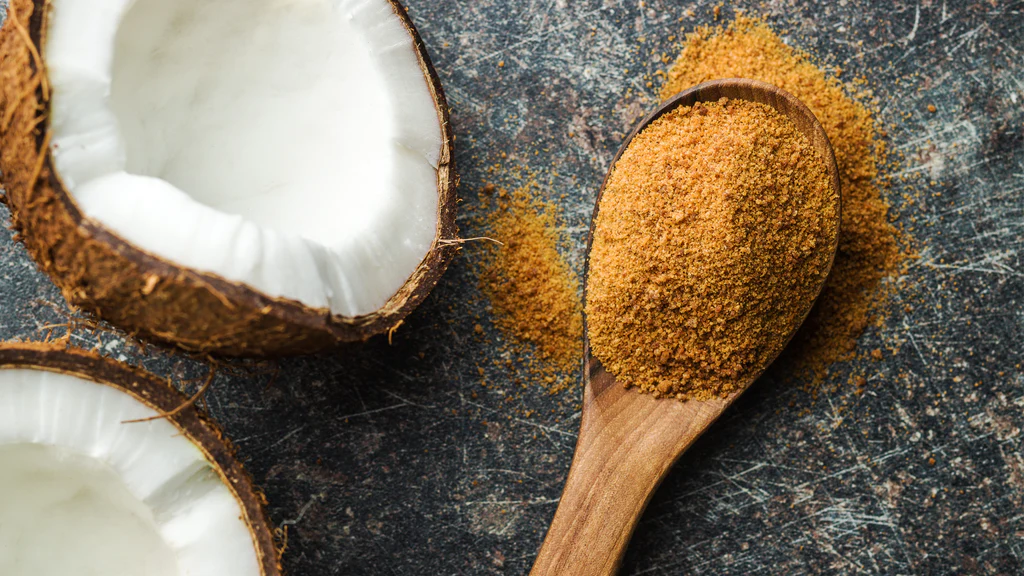
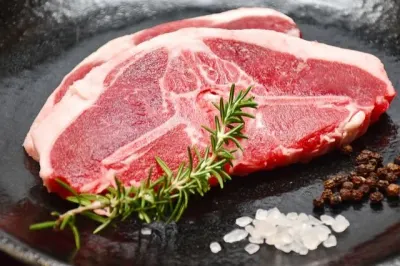
Sajida Exports is based in India and currently lists eight active products in its catalogue. The portfolio includes five agricultural grains - maize, barley, millets, wheat and rice - a refined white beet sugar (HS code 1701.12, chemically pure sucrose C12H22O11), frozen meat, and metal scrap. Each product is identified by its generic commodity name as provided in the catalogue, without additional sub‑category labels.
The supplier’s catalogue groups the commodities by broad type: cereals (maize, barley, millets, wheat, rice), a confectionery raw material (refined beet sugar), an animal protein product (frozen meat), and a secondary metal material (metal scrap). The only product with a specific HS code in the data is the beet sugar, classified under HS 1701.12. No further product‑specific identifiers such as pack size or grade are supplied.
Product Range and Specialties of Sajida Exports
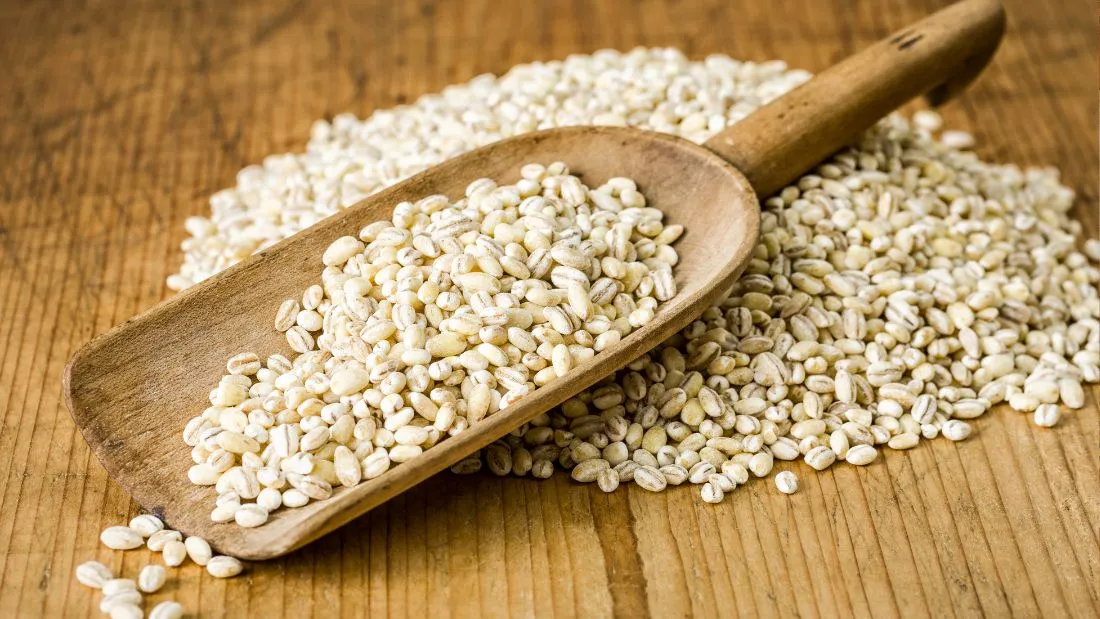
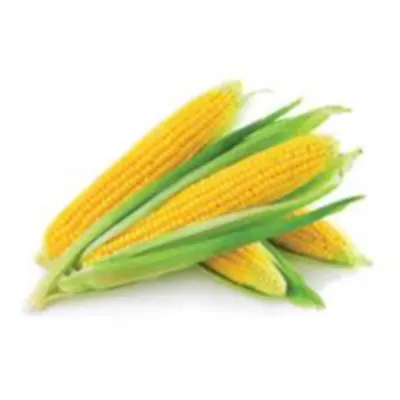
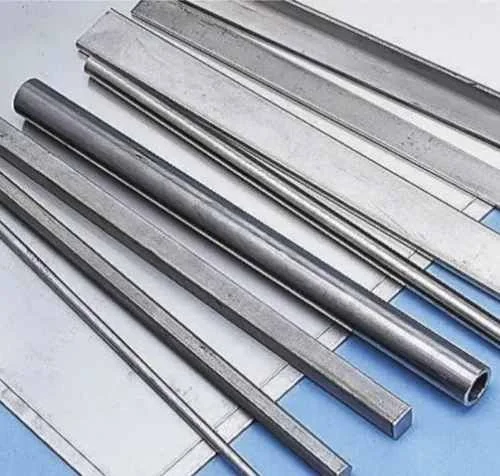
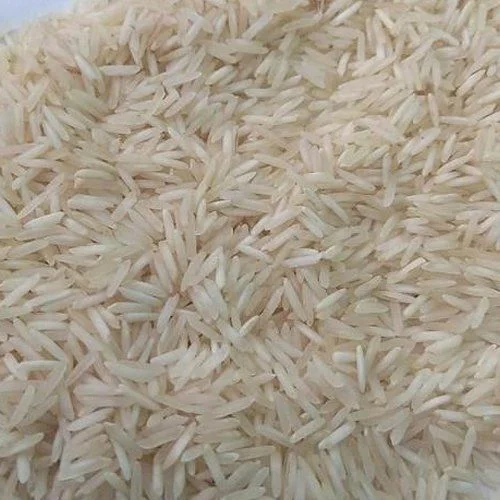
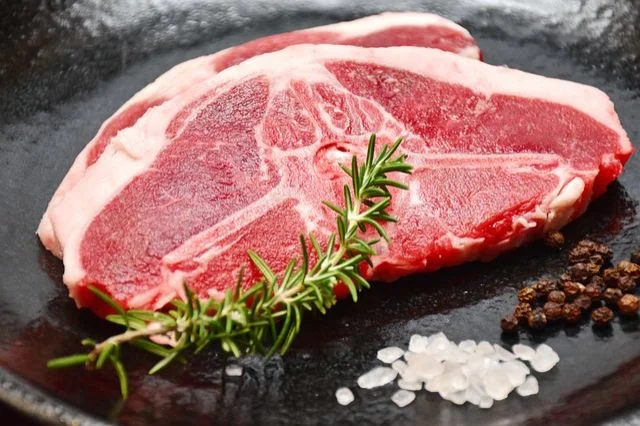
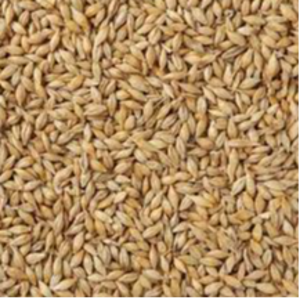
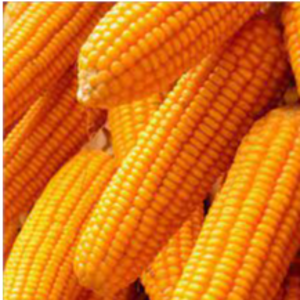
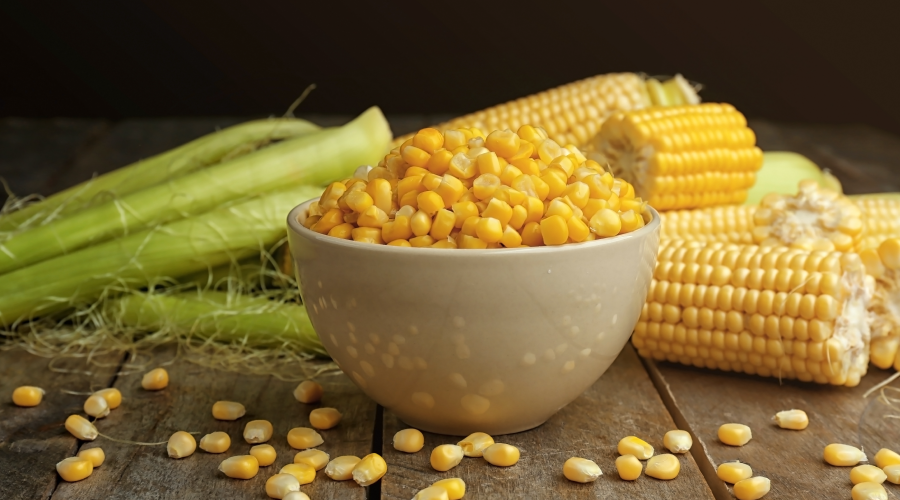
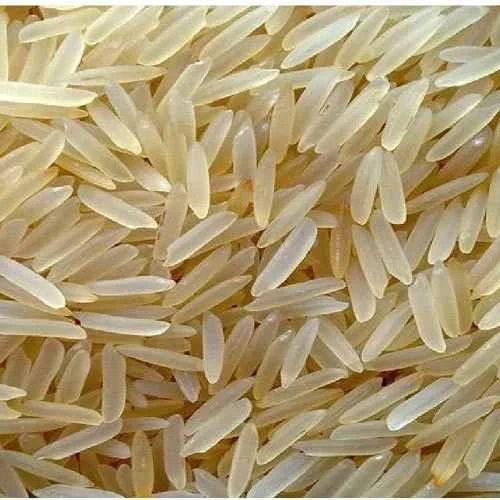
The cereal line - maize, barley, millets, wheat and rice - follows the typical Indian export specifications. Maize is usually exported with moisture ≤13 %, foreign matter ≤0.1 % and protein 8‑10 % for feed or ≥9 % for food use. Barley commonly meets moisture ≤12 % and germ content ≤2 % for malt or feed. Millets are graded by kernel size (e.g., 2‑3 mm) and moisture ≤13 %. Wheat exports are classified by ash content (≤0.6 % for hard wheat) and moisture ≤14 %; rice is generally milled to 80‑85 % recovery with moisture ≤13 % and broken grain ≤5 %. Refined white beet sugar is typically ICUMSA 45, polarisation ≥99.8 %, moisture ≤0.04 % and ash ≤0.02 %. Frozen meat is usually supplied in 0‑10 °C chilled chain, cut‑type specified, and must comply with HACCP and local health certificates. Metal scrap is divided into ferrous (e.g., steel, HS 7208) and non‑ferrous (e.g., copper, HS 7403) grades, with size fractions and cleanliness levels defined by the buyer.
Trade and Export Information - Sajida Exports
India is a major exporter of cereals, sugar, metal scrap and animal protein, shipping primarily to the Middle East, Africa, Southeast Asia and European Union markets. Export shipments of maize, barley, wheat and rice fall under HS chapter 10 (e.g., HS 1005 for maize, 1006 for rice). Beet sugar uses HS 1701, while metal scrap is covered by HS 7208‑7209 for ferrous and HS 7403‑7404 for non‑ferrous alloys. Buyers typically request ISO 9001 quality management, FSSAI food safety registration for edible commodities, and phytosanitary or veterinary certificates for meat. Packaging follows industry norms: bulk cereals in 50 kg polypropylene or jute bags, sugar in 25 kg paper bags, metal scrap in steel containers, and frozen meat in insulated reefers with dry ice or gel packs. Standard Incoterms for Indian exporters are FOB port of loading and CIF destination for perishable goods.
Sourcing from Sajida Exports - Buyer Guidance
When sourcing from Sajida Exports, buyers should ask for commodity‑specific test reports: moisture and protein analysis for cereals, ICUMSA grade and polarisation for beet sugar, composition and contamination analysis for metal scrap, and HAC HACCP audit reports for frozen meat. Verify that the supplier can provide the required phytosanitary or veterinary certificates and that the product packaging meets the buyer’s logistics plan (e.g., 20‑ft container loading for bulk grains, reefers for meat). Confirm the minimum order quantity - typically 20 metric tons for cereals, 10 metric tons for refined sugar, 5 metric tons for metal scrap and 5 metric tons for frozen meat - and align lead times with the buyer’s production schedule, usually 30‑45 days from order confirmation.
Frequently Asked Questions About Sajida Exports
What HS codes are used for the cereals listed by Sajida Exports?
Typical HS codes are 1005 for maize, 1006 for barley and rice, 1008 for millets, and 1001 for wheat. The supplier’s catalogue does not list individual HS codes, so buyers should confirm the exact code for each grain.
Does Sajida Exports provide quality certificates for its beet sugar?
The supplier lists refined white beet sugar (HS 1701.12). Buyers should request the sugar analysis report showing ICUMSA 45 grade, polarisation ≥99.8 % and moisture ≤0.04 % before placing an order.
What documentation is required for importing frozen meat from India?
Importers normally need a health certificate issued by the Indian Ministry of Health, HACCP compliance evidence, and a veterinary inspection certificate. The supplier can arrange these documents on request.
Are there standard pack sizes for the metal scrap offered?
Metal scrap is generally shipped in bulk steel containers or in 1‑ton coil bundles, depending on the buyer’s specification. Confirm the preferred size and cleanliness level before finalising the contract.
What are the typical payment terms for Indian grain exporters?
Standard practice is a letter of credit at sight, with documents presented after shipment. Buyers should verify the supplier’s preferred terms during negotiation.
How is the shipping of bulk cereals from India usually arranged?
Cereals are loaded into 20‑ft or 40‑ft containers, each holding roughly 20‑25 metric tons, or into bulk cargo vessels for larger volumes. FOB terms from Indian ports such as Mumbai or Chennai are common.
What minimum order quantities should a new buyer expect?
Typical minimums are 20 metric tons for each grain, 10 metric tons for refined beet sugar, 5 metric tons for metal scrap, and 5 metric tons for frozen meat, though exact figures depend on the product and buyer agreement.




 , India