Agriculture›
 Apparel and fashion accessories›
 Construction & real estate›💡Electronic & Electrical›🍎Food & Beverages›🛋️Home furnishing & supplies›⚗️Industrial goods & chemical›🪨Minerals & metals›📦Miscellaneous›Agriculture›Apparel and fashion accessories›Construction & real estate›💡Electronic & Electrical›🍎Food & Beverages›🛋️Home furnishing & supplies›⚗️Industrial goods & chemical›🪨Minerals & metals›📦Miscellaneous›
Safaah International Product Catalog
About Safaah International - Saffron Supplier in Pakistan
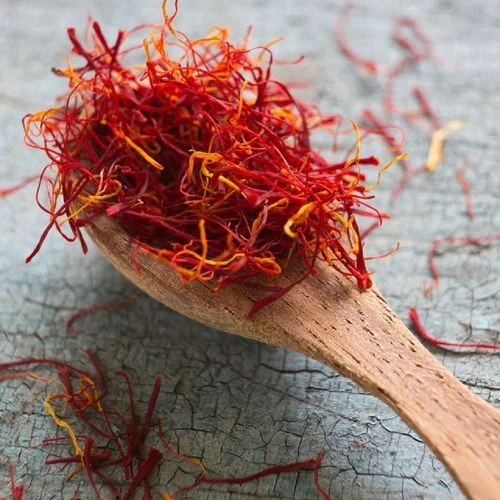
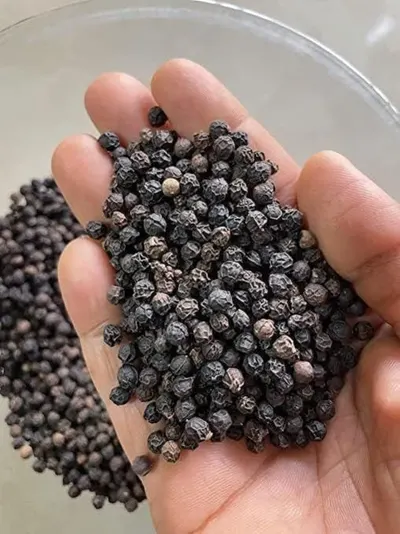
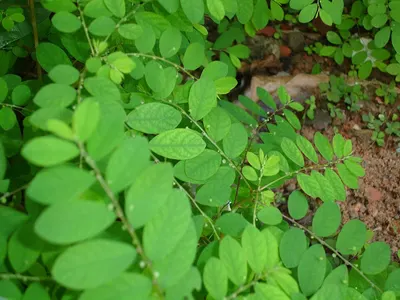
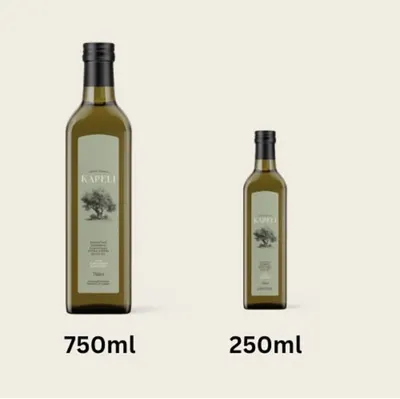
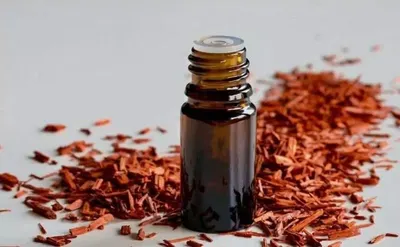
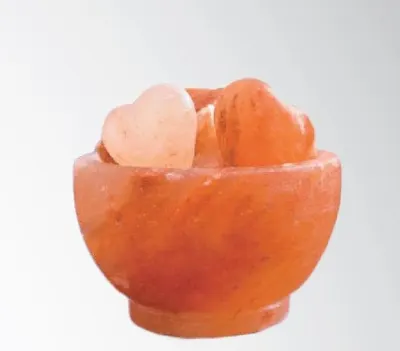
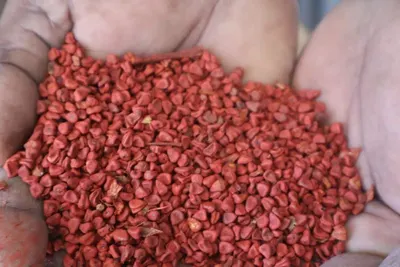
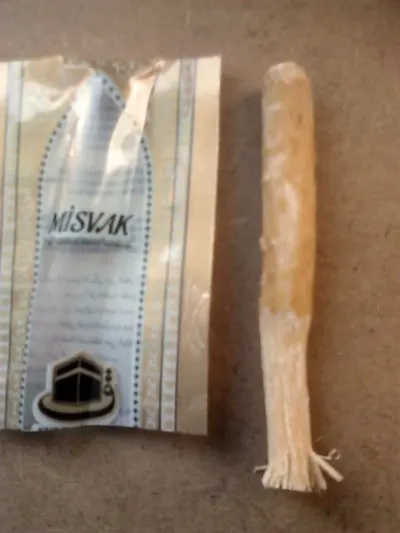
Pakistan is the origin of Safaah International, which currently lists eight active products across its catalogue. The product portfolio includes saffron, miswak (siwak), Himalayan pink salt, black pepper, moringa leaves, black seed oil, and rose water. Each item is catalogued under its respective category such as spices, herbs, natural health extracts, and cosmetic liquids. The supplier groups these offerings under broader categories like Miswak, Saffron, Himalayan Salt, Pepper, Herbs, Essential Oils, and Cosmetics & Beauty Products. The catalogue does not provide HS codes, but the items fall within standard HS chapters for agricultural and food products.
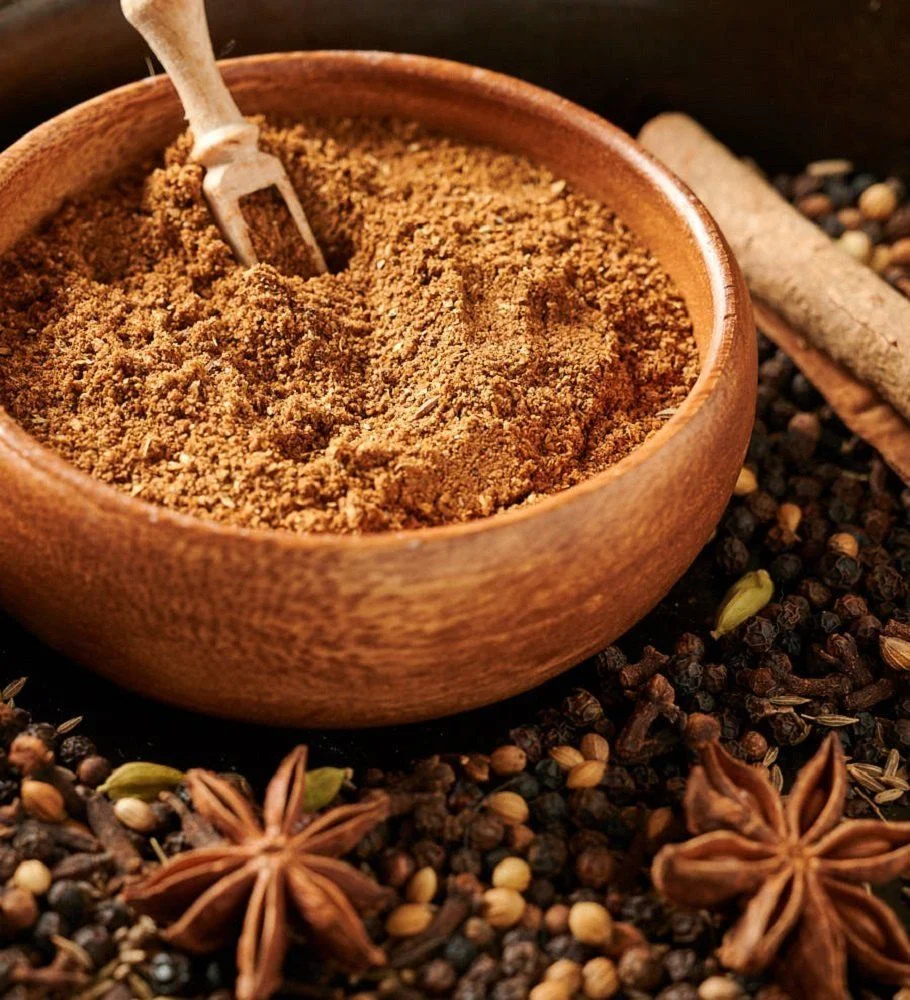
The eight products cover both raw agricultural commodities and processed botanical extracts. Saffron is presented as dried stigma, while black pepper appears as whole peppercorns. Himalayan pink salt is listed as a mineral salt, and miswak is offered as a natural chewing stick. Moringa is supplied as dried leaves, black seed oil as a cold‑pressed oil, and rose water as a floral distillate. This mix reflects common export lines from Pakistan to markets seeking natural and specialty food or personal‑care ingredients.
Product Range and Specialties of Safaah International
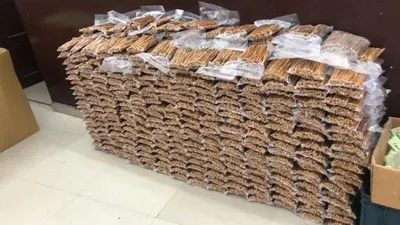
Saffron from Pakistan is typically graded according to ISO 3632, with Category I requiring a crocin content of at least 190 mg kg‑¹ and moisture below 12 %. Black pepper is commonly classified under Indian Standard IS 1560, with moisture limits of 12 % and ash content below 5 %. Himalayan pink salt is usually >99 % NaCl with crystal sizes ranging from fine to medium, and it is marketed as food‑grade mineral salt. Miswak sticks are measured by length (6‑8 cm) and moisture content under 10 %, and they are sold as natural oral‑care implements. Moringa leaves are dried to a dry matter of >90 % and are packaged for herbal‑infusion use. Black seed oil is evaluated for acid value (<2 mg KOH g‑¹), peroxide value (<10 meq O₂ kg‑¹) and verified by GC‑MS for thymoquinone content. Rose water is a floral distillate where aromatic concentration and microbial limits (e.g., total plate count <10³ CFU mL‑¹) are standard quality checks.
Industry practice adds that buyers often request certificates of analysis confirming these parameters, and they may specify packaging such as 500 g sealed jars for saffron, 25 kg polypropylene bags for salt, 20 kg bulk sacks for pepper, and 1‑L glass bottles for rose water. Essential‑oil products like black seed oil are frequently shipped in 5‑L amber PET containers to protect against oxidation.
Frequently Asked Questions About Safaah International
What product categories are listed in Safaah International's catalogue?
The catalogue includes saffron, miswak (siwak), Himalayan pink salt, black pepper, moringa leaves, black seed oil and rose water, covering spices, herbs, natural health extracts and cosmetic liquids.
Which HS codes are generally applied to these products?
Typical HS codes are 0910.30 for saffron, 9609.90 for miswak, 2501.00 for Himalayan pink salt, 0904.11 for black pepper, 1211.90 for moringa and other herbs, 3301.29 for black seed oil, and 3307.49 for rose water.
What documentation should a buyer request before purchasing?
Buyers should ask for a Certificate of Analysis, relevant food‑safety certificates (e.g., HACCP or ISO 22000), a phytosanitary certificate for plant‑based items, and an MSDS for oil or liquid products.
What are typical minimum order quantities for saffron and black pepper?
Saffron is often sold in 500 g jars with a minimum order of one container (approximately 500 kg total), while black pepper is commonly ordered in 25‑kg jute bags with a typical MOQ of 1 tonne.
What packaging formats are available for Himalayan pink salt?
Himalayan pink salt is usually packed in 20‑kg polypropylene bulk bags, 25‑kg jute bags or smaller 5‑kg retail packs, all sealed to prevent moisture ingress.
 Pakistan
Related Suppliers & Products
Explore similar suppliers, related products and trending categories