Richmond Florida Inc. — Verified Supplier
About Richmond Florida Inc. - Agricultural Commodities Supplier in United States
Richmond Florida Inc. is based in the United States and lists ten active products in its catalogue. The catalogue includes frozen chicken, frozen beef, bitumen, Urea 46 %, NPK fertilizer, silicate sodium glue, lamination‑based water glue, non‑GMO and GMO yellow corn/maize, refined Brazilian sugar ICUMSA 45 and soybean. Each product falls under standard HS‑code families such as 0207 for frozen poultry, 0205 for frozen beef, 2710 for bitumen, 3102 for urea, 3105 for NPK, 3506 for industrial adhesives, 1005 for cereals, 1701 for refined sugar and 1201 for soybeans. The supplier is classified as an imported tier with a harbor trust tier, indicating it primarily sources goods for export.
The listed products cover major agricultural and industrial commodity segments. Frozen meat products are typically shipped in insulated containers with dry‑ice, while grains and sugar are handled in bulk bags or 20‑ft containers. Bitumen is usually transported in heated tanker trucks or specialized drums, and chemical adhesives are packed in drums or bulk containers. The company’s catalogue reflects a focus on bulk commodities rather than consumer‑ready packaging, aligning with standard B2B trade practices.
Product Range and Specialties of Richmond Florida Inc.
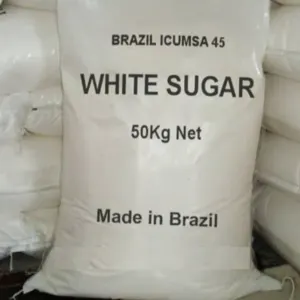
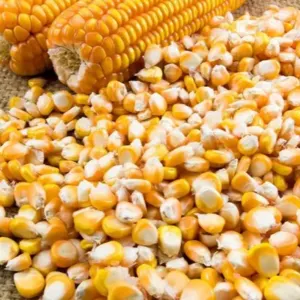
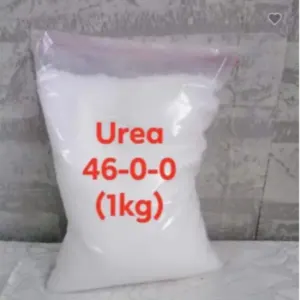
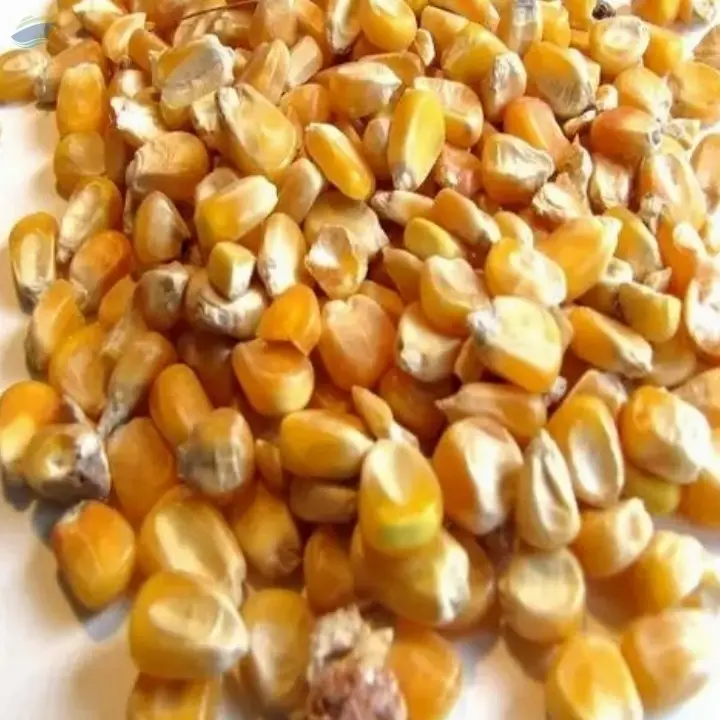
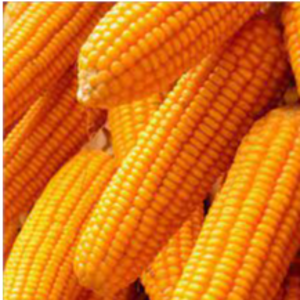
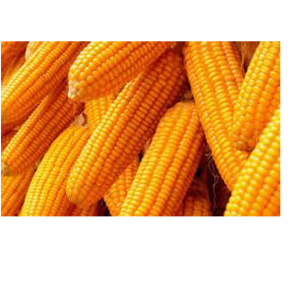
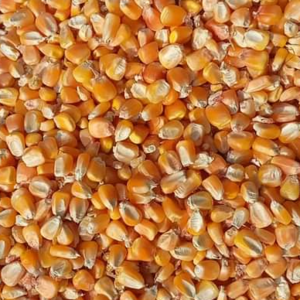
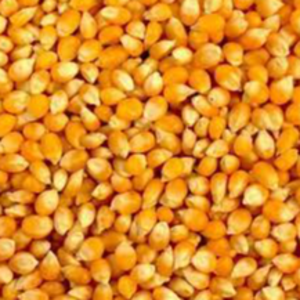
Richmond Florida Inc.’s catalogue contains frozen chicken and frozen beef, both of which are commonly graded by USDA standards such as Choice or Select and must meet HACCP and FSMA requirements for export. Bitumen is exported under HS 2710 and is typically specified by penetration grade (e.g., 60/70) and softening point (e.g., 45 °C). Urea 46 % falls under HS 3102 and is a high‑nitrogen fertilizer with a minimum nitrogen content of 46 % by weight; buyers usually require an analysis certificate confirming purity and moisture below 0.5 %. NPK fertilizer (HS 3105) is generally supplied in standard N‑P‑K ratios such as 15‑15‑15 or 20‑20‑20, with documentation of nutrient content and heavy‑metal limits. Silicate sodium glue and lamination‑based water glue are classified under HS 3506; common specifications include Na₂SiO₃ purity of 30‑35 % and viscosity ranges of 100‑500 cP. Yellow corn/maize (HS 1005) is offered in both non‑GMO and GMO variants, with typical moisture limits of 14 % and aflatoxin testing below 20 ppb. Refined Brazilian sugar ICUMSA 45 (HS 1701) meets a color standard of 45 ICUMSA units and purity above 99.8 %, while soybean (HS 1201) is usually graded by protein content (35‑40 %) and oil content (18‑20 %).
Trade and Export Information - Richmond Florida Inc.
United States exporters of frozen poultry and beef commonly ship to Japan, South Korea, Mexico and the Gulf Cooperation Council, using refrigerated containers (40 ft high‑cube) and complying with USDA export certification and ISO 22000 food safety standards. Grain and corn shipments are directed to Mexico, the European Union and Southeast Asia, where importers often require phytosanitary certificates, moisture analysis and GMO status documentation. Bitumen from the U.S. is frequently sold to Caribbean and Latin American construction markets; it is transported in heated tank trucks or 20‑ft drums, and buyers usually request a penetration‑grade test report and a safety data sheet. Urea and NPK fertilizers are shipped globally, with major demand in Brazil, India and Africa; standard documentation includes a fertilizer analysis certificate, heavy‑metal testing and compliance with the International Fertilizer Association (IFA) guidelines. Adhesives under HS 3506 are sold to construction, packaging and automotive sectors, and importers typically ask for an MSDS, ISO 9001 certification and performance test data such as tensile strength and adhesion values. Sugar ICUMSA 45 is a premium export grade sought by EU and Middle‑East buyers, who require a certificate of analysis confirming color, moisture and impurity limits. All products are generally quoted on FOB U.S. ports, with buyers arranging CIF or DAP terms as needed.
Sourcing from Richmond Florida Inc. - Buyer Guidance
When sourcing frozen chicken or beef from Richmond Florida Inc., request the latest USDA export certificate, HACCP audit report and a microbial test sheet confirming Salmonella and Listeria levels below regulatory limits. For grain, corn and soybean, ask for a moisture content report, mycotoxin analysis and a GMO status declaration if non‑GMO is required. Bitumen purchases should be accompanied by a penetration‑grade test, softening‑point measurement and a safety data sheet outlining handling precautions. Urea and NPK fertilizer orders need a fertilizer analysis certificate showing exact nitrogen, phosphorus and potassium percentages, as well as compliance with any regional heavy‑metal thresholds. Adhesive buyers should obtain an MSDS, viscosity data and a purity assay for the silicate component; ISO 9001 or equivalent quality system certification is advisable. Verify container loading plans (e.g., 20‑ft container for grains, refrigerated 40‑ft container for meat) and confirm Incoterms before finalising the contract.
Frequently Asked Questions About Richmond Florida Inc.
What HS codes apply to the products listed by Richmond Florida Inc.?
The catalogue products fall under standard HS families: frozen chicken (020714), frozen beef (020511), bitumen (2710), Urea 46 % (3102), NPK fertilizer (3105), silicate sodium glue and water‑based glue (3506), yellow corn/maize (1005), refined sugar ICUMSA 45 (1701) and soybean (1201).
Does Richmond Florida Inc. hold any certifications for its commodities?
No specific certifications are listed in the provided facts. Buyers should request relevant certificates such as USDA export permits, HACCP, ISO 22000 for food, or ISO 9001 for industrial chemicals as part of due diligence.
What are the typical packaging formats for the listed commodities?
Frozen meats are shipped in insulated 40‑ft refrigerated containers with dry‑ice. Grains, corn and soybean are packed in 1‑ton bulk bags or 20‑ft containers. Bitumen is transported in heated tanker trucks or 20‑ft drums, and adhesives are usually supplied in 200‑L drums or bulk containers.
What documentation should a buyer request before ordering?
Buyers should request a certificate of analysis for each product, a phytosanitary certificate for agricultural goods, an MSDS for chemical adhesives, and any relevant export permits or quality system certificates.
What are common minimum order quantities for these products?
Typical bulk orders are container‑based: a 20‑ft container for grains or sugar (approximately 20‑25 tons), a 40‑ft refrigerated container for frozen meat (about 20‑22 tons), and drum shipments for bitumen or adhesives (usually 20‑40 drums per order).
What lead times are typical for shipments from Richmond Florida Inc.?
Lead times depend on product and shipping mode but generally range from 2‑4 weeks for frozen meat (including cold‑chain preparation) and 3‑5 weeks for bulk grains, corn or sugar after order confirmation.
Which markets does Richmond Florida Inc. primarily serve?
The facts do not specify target markets; however, United States exporters of these commodities commonly serve buyers in the European Union, Middle East, East Asia, and Latin America.
How can a buyer obtain a sample of a product?
Buyers should contact the supplier to request a small‑scale sample shipment, which is typically sent in a 20‑kg bag for grains, a 5‑kg insulated box for frozen meat, or a 1‑L drum for adhesives, with costs and freight terms negotiated separately.




 , United States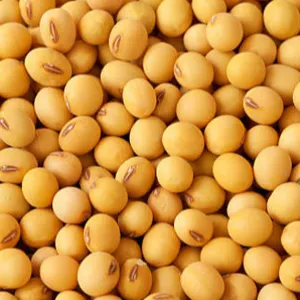





.jpg.png)