Agriculture›
 Apparel and fashion accessories›
 Construction & real estate›💡Electronic & Electrical›🍎Food & Beverages›🛋️Home furnishing & supplies›⚗️Industrial goods & chemical›🪨Minerals & metals›📦Miscellaneous›Agriculture›Apparel and fashion accessories›Construction & real estate›💡Electronic & Electrical›🍎Food & Beverages›🛋️Home furnishing & supplies›⚗️Industrial goods & chemical›🪨Minerals & metals›📦Miscellaneous›
Rayyan Barakat Trading
⚓ Harbor , IndonesiaNew supplier / no reviews yet
Rayyan Barakat Trading Product Catalog
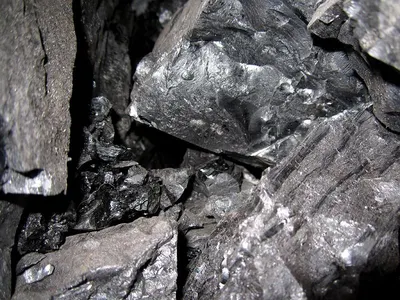

About Rayyan Barakat Trading - Coal Supplier in Indonesia
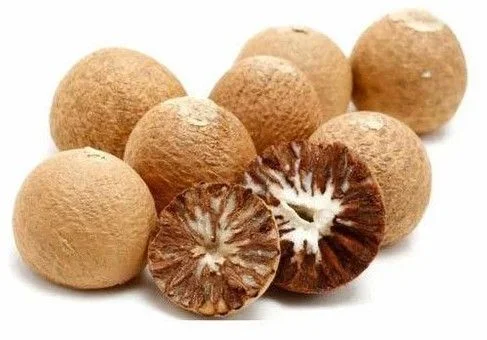
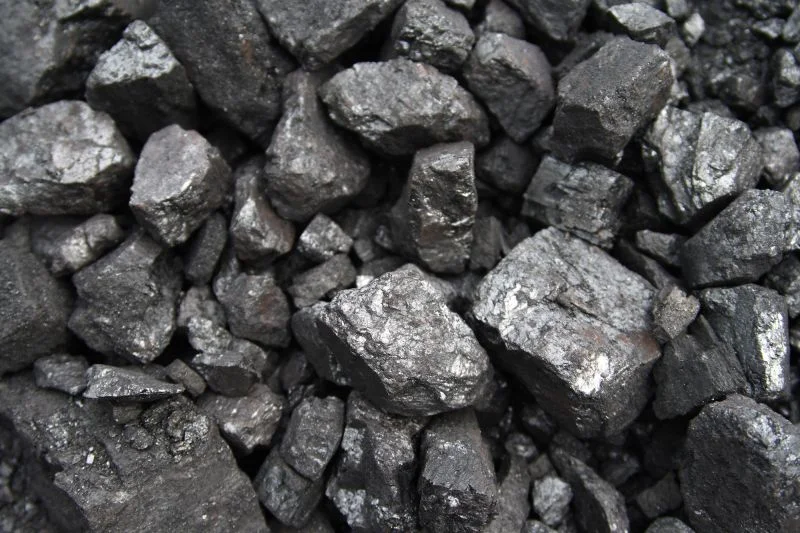
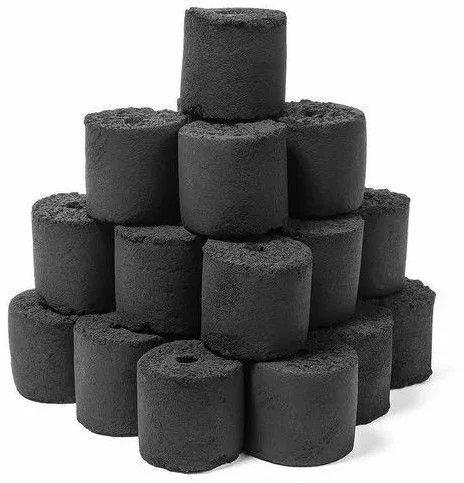
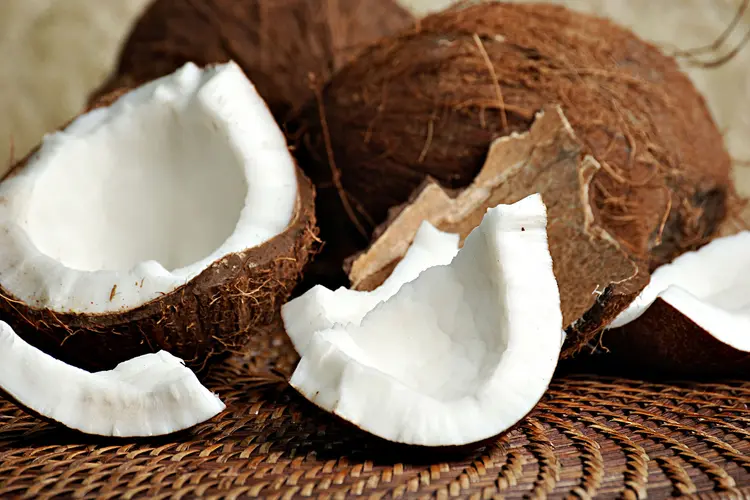
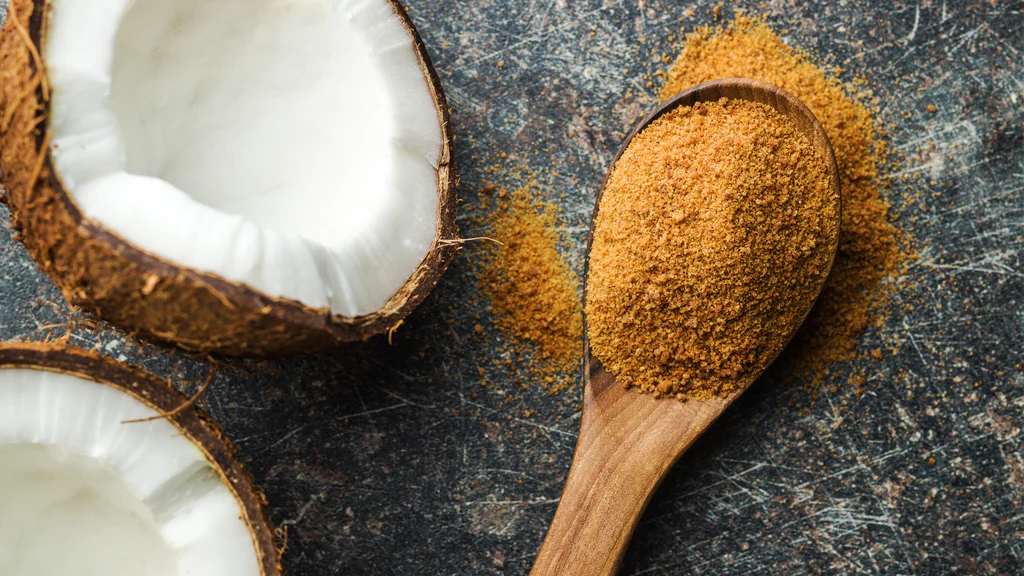
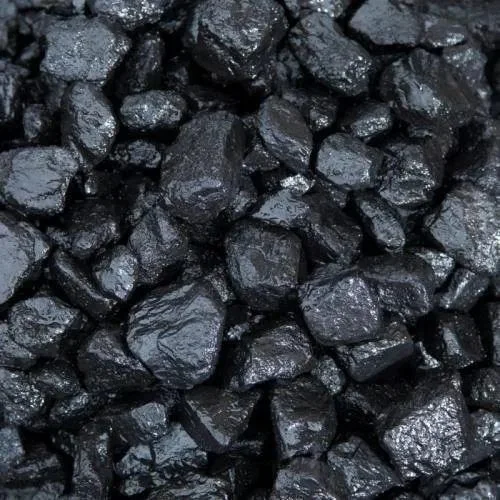
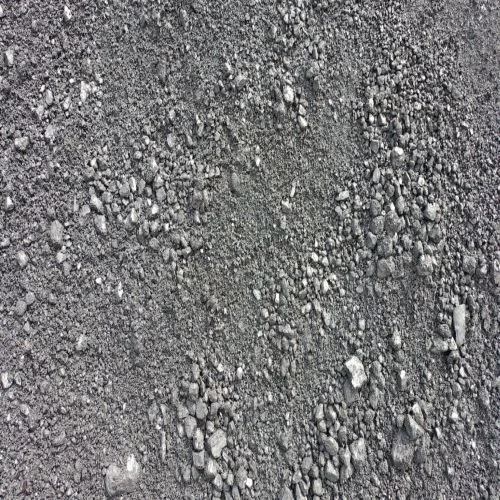
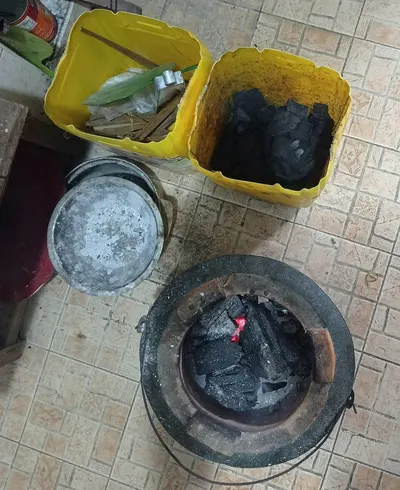
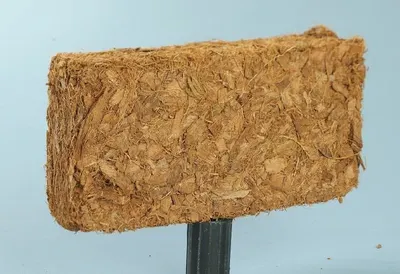
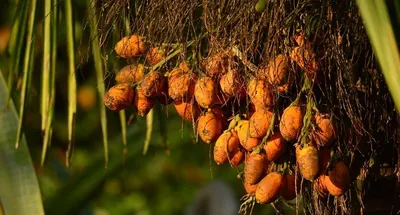
Indonesia is the source country for Rayyan Barakat Trading, which lists six active products in its catalogue. The product list includes raw coal, coconut charcoal briquettes, desiccated coconut, betel nut (HS 0802.80, dried Areca catechu), semi‑husked coconut, and coconut sugar. Each entry aligns with its respective HS chapter: coal falls under chapter 27, charcoal under chapter 44, coconut products under chapter 08, and coconut sugar under chapter 17. The supplier’s catalogue does not provide additional technical details such as calorific values or moisture percentages. Rayyan Barakat Trading is classified in the “harbor” trust tier.
The six items cover both energy commodities and food‑grade coconut derivatives, reflecting common Indonesian export streams. While the betel nut entry includes an HS code and material description, the other products are identified only by name, leaving specifications such as grade, bulk density, or packaging to be confirmed with the supplier. Potential buyers should note the diversity of categories, which may involve different regulatory regimes for fuels versus consumables. The catalogue’s structure suggests separate handling for bulk shipments of coal and packaged shipments for coconut products.
Product Range and Specialties of Rayyan Barakat Trading
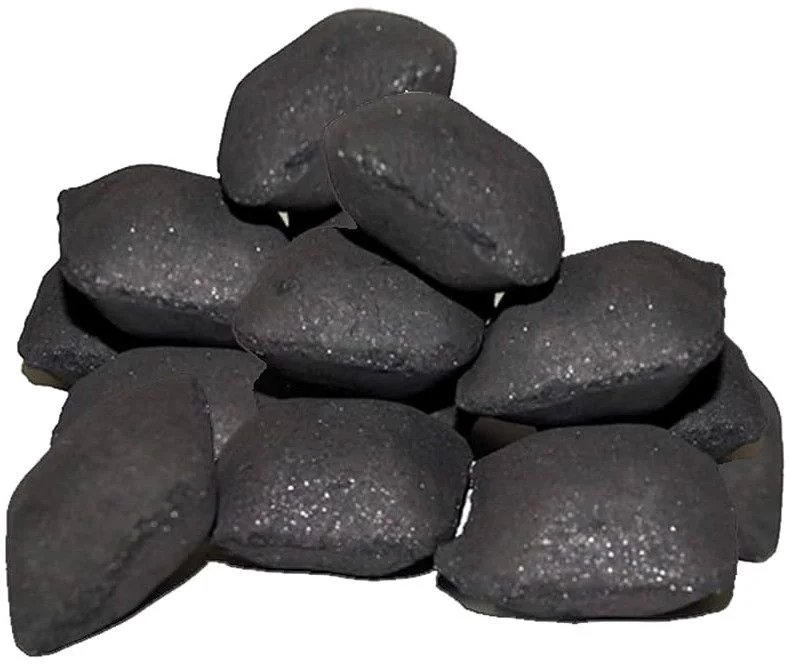
The catalogue shows raw coal and coconut charcoal briquettes alongside several coconut‑derived food products. Indonesian thermal coal typically delivers a calorific value between 5,000 and 6,000 kcal kg⁻¹, ash content below 10 % and moisture under 5 %; buyers often verify these figures with a coal analysis report. Coconut charcoal briquettes are usually produced with moisture below 10 %, ash under 5 % and a bulk density of 0.5 - 0.6 g cm⁻³, specifications that are documented in a standard test certificate.
Coconut products from Indonesia are commonly graded by moisture, fat and particle size. Desiccated coconut generally contains 5 - 7 % moisture, 60 - 65 % fat and a particle size of 0.5 - 2 mm; semi‑husked coconut is valued for its husk‑to‑kernel ratio, often around 30 % husk. Coconut sugar is marketed as a granular sweetener with 70 - 80 % sucrose, moisture below 5 % and a typical bulk density of 0.8 t m⁻³. Betel nut (dried areca) is exported with moisture under 8 % and size grades of 10 - 20 mm. These industry benchmarks help buyers compare the listed items against standard quality levels.
Frequently Asked Questions About Rayyan Barakat Trading
Which HS codes are relevant for the products listed by Rayyan Barakat Trading?
The betel nut entry specifies HS 0802.80. Coal falls under HS 2701, coconut charcoal briquettes under HS 4401, desiccated coconut and semi‑husked coconut under HS 0801, and coconut sugar under HS 1702. Each code aligns with the product’s material group in the international tariff schedule.
What certifications should a buyer request for the coconut and betel nut products?
Buyers typically ask for ISO 9001 or ISO 22000 quality management certificates, HACCP compliance, and a phytosanitary certificate issued by the Indonesian Ministry of Agriculture. An SGS inspection report confirming moisture and pesticide limits is also common practice.
What quality parameters are examined for Indonesian thermal coal?
Standard coal specifications include calorific value (5,000 - 6,000 kcal kg⁻¹), ash content (<10 %), moisture (<5 %), sulfur (<1 %) and heavy‑metal limits. These values are verified through a third‑party assay report before shipment.
How is the quality of coconut charcoal briquettes measured?
Typical quality checks cover moisture content (<10 %), ash content (<5 %), bulk density (0.5 - 0.6 g cm⁻³) and carbon purity (>80 %). Test results are usually provided in a laboratory certificate accompanying the shipment.
What packaging formats are common for desiccated coconut and coconut sugar?
Both products are usually packed in moisture‑barrier polypropylene woven bags ranging from 500 kg to 1 ton, sealed in 20‑ft containers. The bags are often labeled with batch number, production date and HS code for customs clearance.
IndonesiaRelated Suppliers & Products
Explore similar suppliers, related products and trending categories