Quantum Leap Services — Supplier
About Quantum Leap Services - Plants & Plant Extracts Supplier in Brazil
Quantum Leap Services is based in Brazil and currently lists six active products across plant‑based categories. The catalogue includes vegan toothpaste, multiple tea varieties (green, black, red and white), organic and conventional honey, guarana in powder and extract form, acai, and essential oils offered both organic and conventional. These items fall under the HS chapters for cosmetics (HS 3306 for toothpaste), tea (HS 0902), honey (HS 0409), herbal extracts (HS 1302), fruit preparations (HS 0811), and essential oils (HS 3301). The supplier is classified in the harbor trust tier.
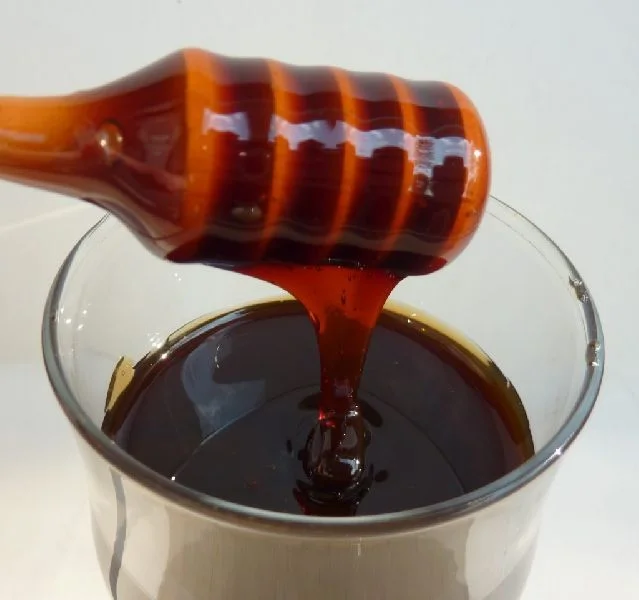
The product list reflects a focus on natural and plant‑derived consumables and personal care items. Vegan toothpaste is positioned as a fluoride‑free, plant‑based formulation, while the tea range covers orthodox processed leaves. Honey entries are differentiated by organic certification status. Guarana is supplied as both a fine powder and a concentrated extract, and acai is offered as frozen pulp or freeze‑dried powder. Essential oils are provided in both organic and conventional grades, suitable for aromatherapy or flavoring applications.
Product Range and Specialties of Quantum Leap Services
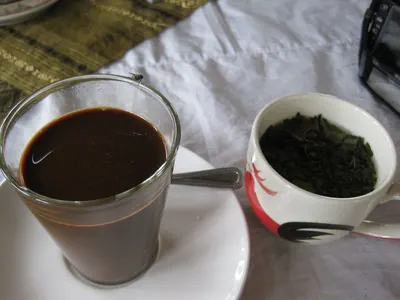
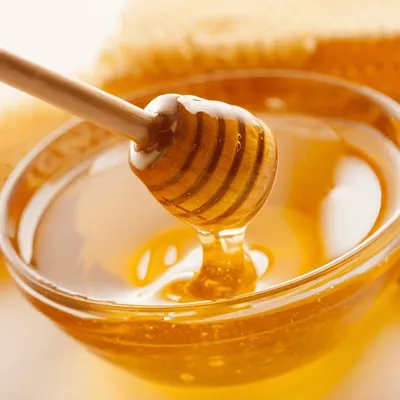
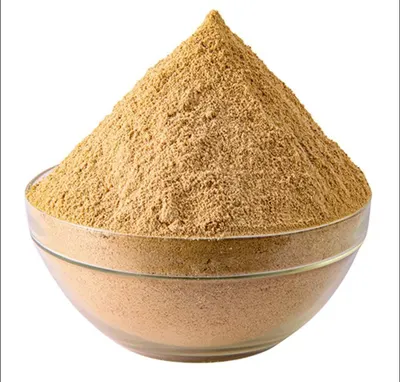
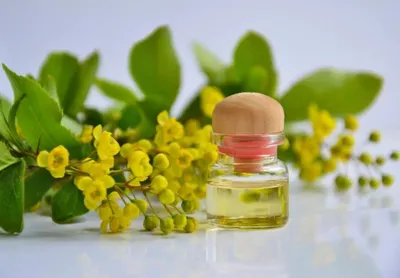
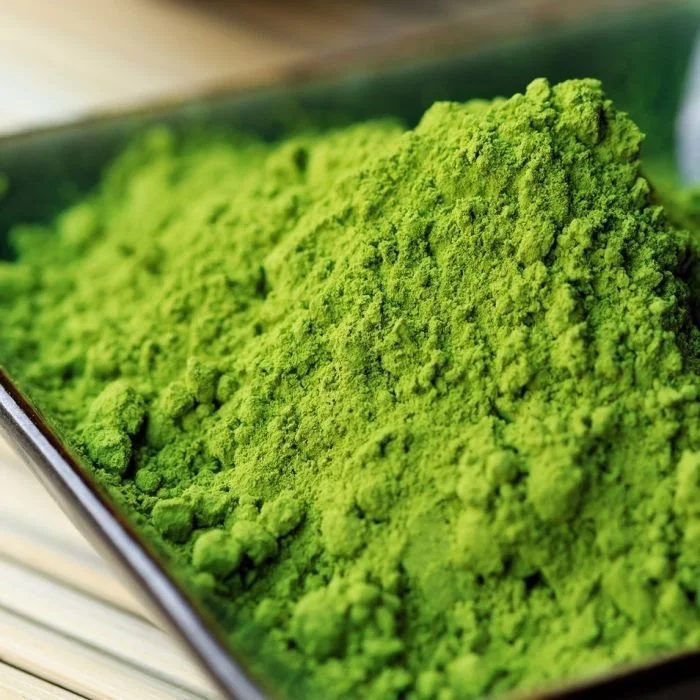
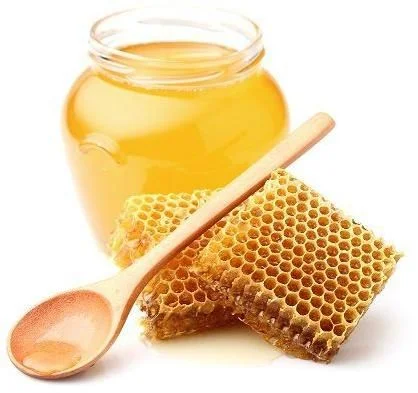
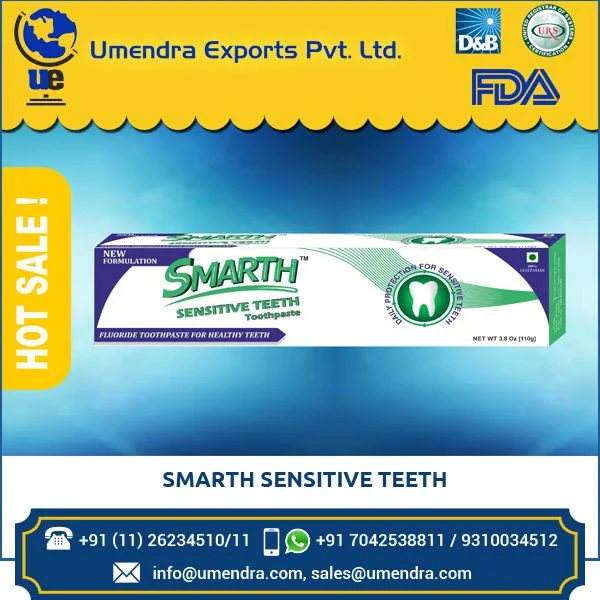
Quantum Leap Services offers vegan toothpaste, which in the market is typically formulated with plant‑based surfactants, xylitol and natural flavorings and complies with cosmetic HS code 3306. Standard specifications include a pH of 5‑7, moisture below 10 % and microbial limits of ≤10³ CFU/g. The tea portfolio (green, black, red, white) aligns with HS 0902 and is commonly graded by leaf size (T1‑T3), oxidation level and moisture content (4‑6 %); buyers often request infusion yields, catechin content and pesticide‑residue reports. Honey (HS 0409) is usually classified by moisture (≤18 %), diastase activity and HMF levels, with organic honey requiring a valid organic certificate. Guarana powder (HS 1302) is measured by caffeine content (≈2‑3 % dry weight) and particle size (≤250 µm), while guarana extract is evaluated on extract ratio (e.g., 5:1) and standardisation to guaranine. Acai products fall under HS 0811 and are assessed for anthocyanin content, moisture (≤5 %) and freezer‑temperature stability. Essential oils (HS 3301) are characterised by oil yield, refractive index and GC‑MS purity profiles, with organic grades requiring certified organic status.
Trade and Export Information - Quantum Leap Services
Brazil is a major exporter of plant extracts, tropical fruits, honey and essential oils, with shipments typically destined for the United States, European Union and Asian markets such as Japan and South Korea. Export documentation for these categories commonly includes a phytosanitary certificate, certificate of origin and, where applicable, an organic certification recognised by EU‑ECO or the USDA National Organic Program. HS 0902 tea and HS 0409 honey often require compliance with maximum pesticide‑residue limits set by the Codex Alimentarius. Essential oils under HS 3301 are subject to REACH registration for EU imports and usually need a safety data sheet (SDS) and allergen analysis. Standard Incoterms used by Brazilian suppliers include FOB Rio de Janeiro or CIF New York, with container loading in 20‑ft or 40‑ft units depending on product volume and packaging.
Sourcing from Quantum Leap Services - Buyer Guidance
When sourcing vegan toothpaste, request a full ingredient declaration, pH report, microbial test results and a cosmetic GMP compliance certificate. For tea, ask for leaf‑grade certificates, moisture analysis, pesticide‑residue report and, if organic, an accredited organic certificate. Honey buyers should verify moisture content, diastase activity, HMF level and request a recent laboratory analysis for foreign pollen. Guarana powder orders benefit from a specification sheet detailing caffeine content, particle‑size distribution and a heavy‑metal test, while extracts should include the extraction ratio and a certificate of analysis for active compounds. Acai products require a shelf‑life study, moisture content report and, for frozen forms, a temperature‑controlled logistics plan. Essential oil purchases should be accompanied by an SDS, GC‑MS purity report and, for organic grades, an organic certification audit report. In all cases, confirm the supplier’s phytosanitary certificate and HS‑code declaration before finalising the contract.
Frequently Asked Questions About Quantum Leap Services
What HS codes are used for Quantum Leap Services' products?
The supplier lists products under HS 3306 for vegan toothpaste, HS 0902 for green, black, red and white tea, HS 0409 for organic and conventional honey, HS 1302 for guarana powder and extract, HS 0811 for acai, and HS 3301 for essential oils.
Which certifications should a buyer request for the organic honey and essential oils?
Buyers should request a current organic certification recognised by the EU or USDA, a phytosanitary certificate, and a laboratory analysis confirming purity and absence of pesticide residues.
What typical packaging is used for the tea and honey shipments?
Tea is usually packed in food‑grade kraft paper bags of 250 g or 500 g, placed in bulk cartons for container loading. Honey is commonly shipped in 500 ml glass jars or 20 kg food‑grade drums, sealed to prevent contamination.
What are the common quality parameters for guarana powder?
Key parameters include caffeine content of 2‑3 % (dry weight), particle size ≤250 µm, moisture below 8 %, and heavy‑metal limits such as lead ≤0.1 ppm.
How is acai typically preserved for export?
Acai is exported either as frozen pulp stored at - 18 °C in insulated containers or as freeze‑dried powder sealed in moisture‑barrier bags, both requiring temperature‑controlled logistics.
What documentation is needed for a first order of vegan toothpaste?
Required documents include an ingredient list, cosmetic GMP compliance certificate, pH and microbial test reports, and a safety data sheet (SDS) for the product.
Which Incoterms are commonly used for shipments from Brazil?
Brazilian exporters frequently use FOB at Rio de Janeiro or Santos ports, and CIF to major ports in the United States and Europe.
What are the standard lead times for sample provision?
Sample preparation typically takes 5‑10 business days, with shipping time of 7‑14 days depending on the destination and chosen Incoterm.




 , Brazil