Jiangsu Altruism Industry Co., Ltd. — Verified Supplier
About Jiangsu Altruism Industry Co., Ltd. - Artificial Grass Supplier in China
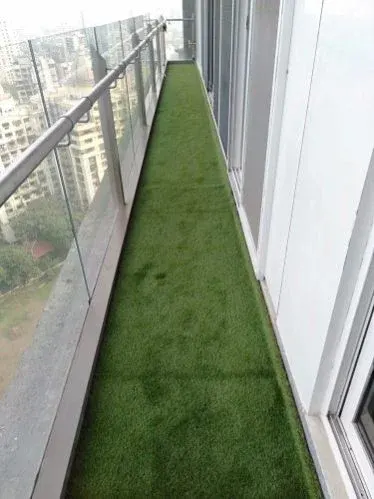
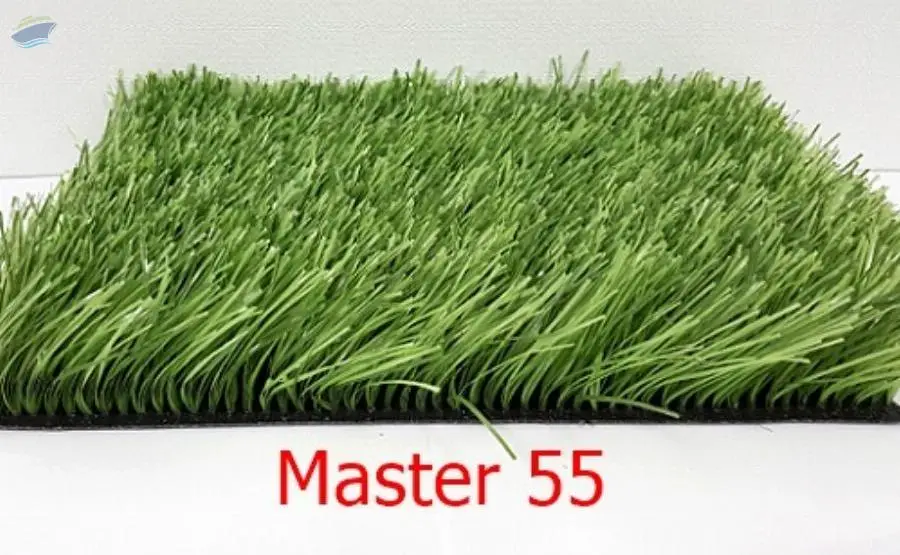
China hosts the Jiangsu Altruism Industry Co., Ltd., which currently lists 18 distinct artificial‑grass products in its online catalogue. The items span landscaping grass, sports‑field turf, kindergarten surfaces, golf‑putting greens and specialty designs such as UV‑resistant or fire‑retardant blends. All entries fall under the synthetic turf family, which is classified internationally under HS Chapter 57, heading 5703 for “Synthetic turf” and related products. The supplier’s catalogue includes both standard roll formats and customized colour or pile‑height options, reflecting the typical product segmentation seen in the global artificial‑grass market.
The listed products differentiate by application (e.g., outdoor landscaping, football fields, mini‑golf courses) and by technical features such as non‑infill construction, anti‑UV coating, and fire‑resistance treatments. In the industry, artificial grass is commonly manufactured from polyethylene (PE) or polypropylene (PP) fibers, with typical pile heights ranging from 15 mm to 45 mm and densities between 10 kg/m² and 25 kg/m². These parameters influence durability, shock absorption and aesthetic appearance, and they are the key specifications buyers request when evaluating Chinese turf exporters.
Product Range and Specialties of Jiangsu Altruism Industry Co., Ltd.
Jiangsu Altruism Industry’s catalogue explicitly names products such as “Factory Sale Artificial Grass For Landscaping”, “Durable Non Infill Soccer Artificial Grass”, “Golf Putting Green From Chinese Best Factory”, and “OEM Colorful Popular Design Fake Lawns”. The list also includes niche items like “Kindergarten Artificial Turf” and “Anti UV / Fire Resistance Synthetic Grass”, covering both public‑space and private‑use scenarios. In the broader market, artificial‑grass products are graded by pile height (e.g., 20 mm, 30 mm, 40 mm), fiber density, backing material (latex‑coated, polyurethane), and performance tests such as UV‑fastness (ASTM D4956) and fire‑rating (EN 13501‑1). Buyers typically select PE‑based turf for its softness and UV stability, while PP‑based variants are chosen for higher heat resistance. The supplier’s inclusion of “environmental protection” and “colorful design” aligns with common industry trends toward recyclable polymers and aesthetic customization for residential or commercial projects.
Trade and Export Information - Jiangsu Altruism Industry Co., Ltd.
China is one of the world’s largest exporters of synthetic turf, shipping the majority of its output to Europe, North America, the Middle East and Southeast Asia. Artificial‑grass shipments are routinely classified under HS code 5703, which triggers standard customs inspections for material composition and fire safety. Export logistics usually involve rolling the turf onto wooden or plastic pallets, loading 20‑foot containers with approximately 10‑12 tons of product, or 40‑foot containers with 20‑24 tons, depending on roll thickness. Importing countries often require test certificates for UV resistance, fire retardancy and material safety (e.g., SGS, Intertek reports) and may request CE or ISO‑9001 compliance from the exporter. While Jiangsu Altruism’s specific target markets are not listed, typical buyers include sports‑facility developers, municipal landscaping departments and private contractors engaged in garden‑design projects.
Sourcing from Jiangsu Altruism Industry Co., Ltd. - Buyer Guidance
When sourcing artificial turf from Jiangsu Altruism Industry, buyers should request a product data sheet that lists pile height, fiber density, backing type and the polymer base (PE or PP). Sample rolls of 1 × 1 m are standard for evaluating texture, colour fidelity and UV‑coating performance; buyers should also ask for third‑party test reports covering UV‑fastness (ASTM D4956), fire rating (EN 13501‑1) and abrasion resistance (ISO 12947). Because the supplier’s catalogue does not specify certifications, buyers are advised to confirm ISO‑9001, CE or any relevant national standards before finalising a contract. Typical minimum order quantities in the Chinese turf market range from 500 m² to 2 000 m², with lead times of 30‑45 days after sample approval and final artwork confirmation.
Frequently Asked Questions About Jiangsu Altruism Industry Co., Ltd.
What categories of artificial grass are listed by Jiangsu Altruism Industry?
The catalogue includes landscaping grass, sports turf for football and soccer, kindergarten surface grass, golf‑putting greens, mini‑golf turf, outdoor decorative lawns and specialised UV‑ or fire‑resistant variants.
Are custom colours or designs available?
Yes. The supplier mentions OEM colour‑design options, allowing buyers to specify hue, pile height and backing style to match project requirements.
Which material bases are typical for the products in this catalogue?
Chinese synthetic turf is most often produced from polyethylene (PE) or polypropylene (PP) fibers; the catalogue does not list the exact polymer, so buyers should request the material specification sheet.
What HS code is used for these artificial‑grass products?
Artificial turf generally falls under HS Chapter 57, heading 5703, which covers synthetic turf and related woven or non‑woven plastics.
What certifications should a buyer request from this supplier?
Buyers should ask for ISO‑9001 quality‑management certification, CE conformity for fire safety, and third‑party test reports such as SGS or Intertek for UV‑fastness and fire‑rating.
What are typical packaging and container capacities for export?
Products are rolled on pallets and loaded into 20‑ft containers (≈10‑12 tons) or 40‑ft containers (≈20‑24 tons), depending on roll thickness and pallet dimensions.
What sample size is common for evaluating product quality?
A 1 m × 1 m sample roll is standard for assessing texture, colour and performance characteristics before placing a bulk order.
What lead time and minimum order quantity are typical for Chinese artificial turf exporters?
Lead times usually range from 30 to 45 days after sample approval, and minimum order quantities are often between 500 m² and 2 000 m², varying with product specification.




 , China