Quality Exports — Supplier
About Quality Exports - Wheat Supplier in India
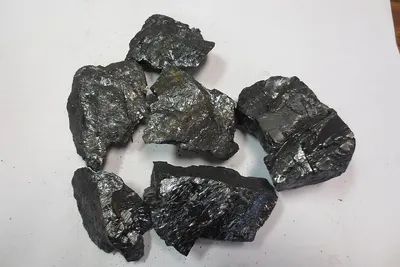
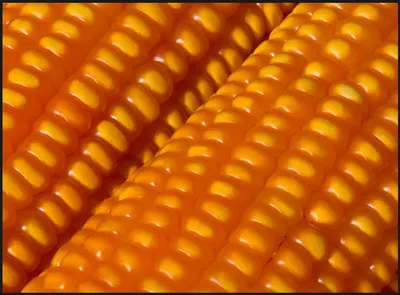
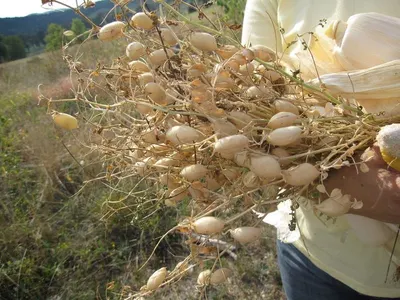
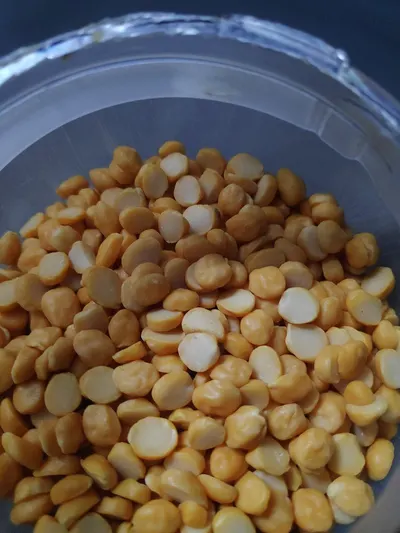
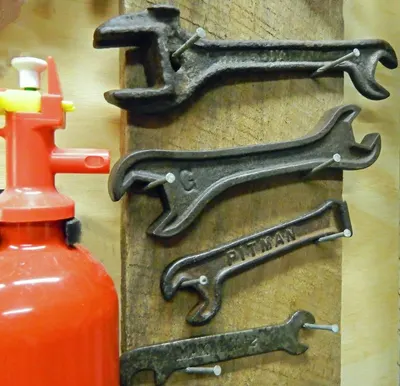
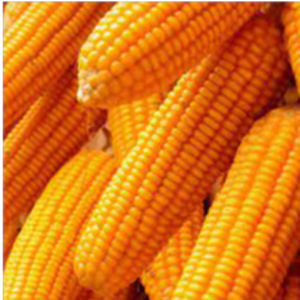
India, with a catalogue of twelve active products, hosts Quality Exports as an imported supplier listed under the harbor trust tier. The company's catalogue includes a range of agricultural commodities such as wheat, soybeans, red lentils, pigeon peas, kidney beans, green gram, corn/maize, chickpeas, chana dal and fox nuts. In addition, the catalogue lists industrial items including spanners and a ferro alloy product described as high carbon ferro manganese and ferro silico manganese, recorded under HS code 7202.30. The product list reflects both food‑grade grains and legumes as well as metal alloys for manufacturing. Each entry aligns with the categories reported in the supplier's top categories.
Product Range and Specialties of Quality Exports
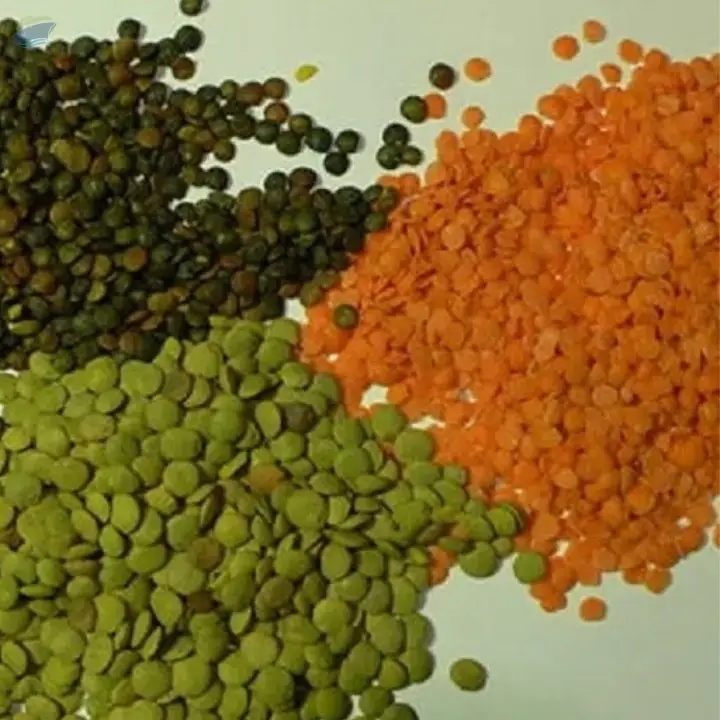
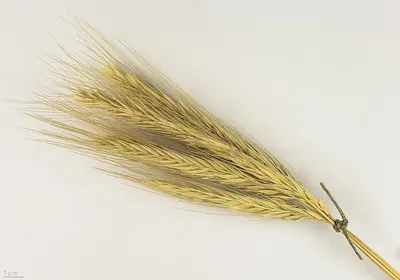
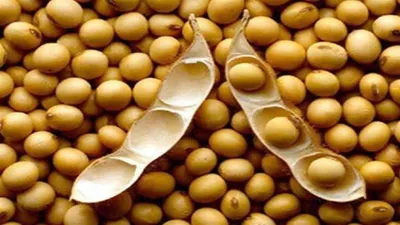
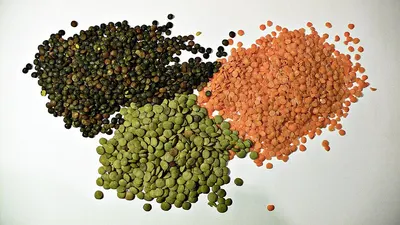
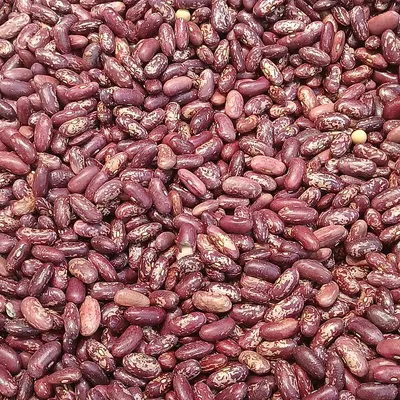
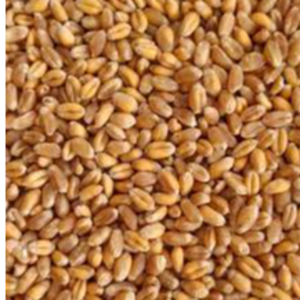
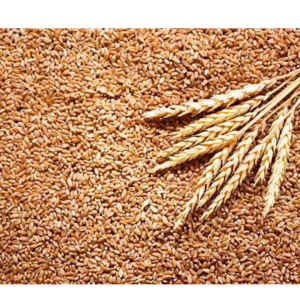
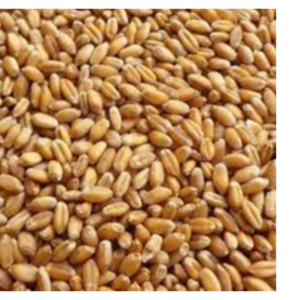
The agricultural entries cover staple grains and pulses that are typically graded by protein content, moisture level and purity; Indian wheat is often classified as 1A or 2A with moisture ≤14 % and protein ≥10 %, soybeans are exported with ≥45 % protein and ≤0.5 % moisture, while red lentils and other pulses are sorted by whole‑grain size and split‑grade. Legumes such as pigeon peas, kidney beans, green gram, chickpeas, chana dal and fox nuts are commonly packed in 25 kg polypropylene bags or 1‑ton bulk bags, with standard HS chapters 1001 for wheat, 1201 for soybeans and 0713 for pulses. The ferro alloy listed under HS 7202.30 is a high‑carbon ferro manganese/ferric silico manganese alloy, usually specified by FeMn content of 70‑80 % and FeSiMn of 10‑20 %, and shipped in 20 ft or 40 ft containers as steel coils or ingots. Spanners, although not assigned an HS code in the catalogue, are generally steel tools conforming to ISO 898‑1 tensile and hardness requirements.
Trade and Export Information - Quality Exports
Indian wheat, soybeans and pulses are major export items to the Middle East, North Africa and Southeast Asian markets, where buyers often require compliance with Codex Alimentarius limits for mycotoxins and pesticide residues. Legumes from India are frequently imported by African and Gulf Cooperation Council countries, with buyers specifying phytosanitary certificates and FSSAI export licences. Ferro alloys are sold to steel producers in Europe, the United Arab Emirates and South‑East Asian metal mills; the HS code 7202.30 classifies the product for customs and tariff treatment, and buyers usually request mill test certificates and compliance with ASTM A875 or EN 17302. Typical export logistics involve FOB loading at Indian ports such as Mumbai or Mundra, with containers sealed according to ISPM 15 for wood packaging, and documentation including commercial invoice, packing list, certificate of origin and any required inspection certificates.
Sourcing from Quality Exports - Buyer Guidance
When sourcing wheat, soybeans or pulses from Quality Exports, buyers should request a recent certificate of analysis that details moisture, protein, ash and contaminant levels, as well as a phytosanitary certificate confirming freedom from pests. For the ferro alloy, a mill test report showing exact FeMn and FeSiMn percentages, compliance with relevant ASTM or EN standards, and the HS code 7202.30 on the invoice are essential verification steps. Buyers are advised to confirm packaging specifications - 25 kg bags for grains or steel coils for alloys - and to agree on Incoterms such as FOB or CIF before finalising purchase orders.
Frequently Asked Questions About Quality Exports
What product categories are listed by Quality Exports?
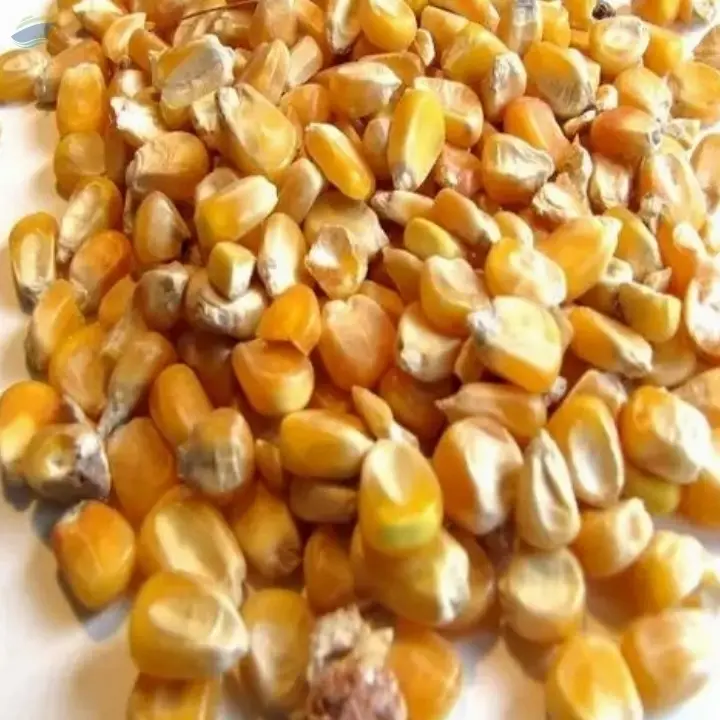
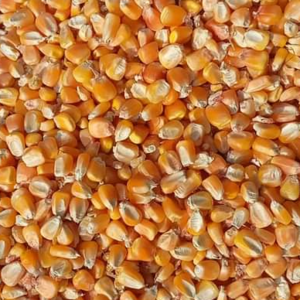
The catalogue includes wheat, soybeans, red lentils, pigeon peas, kidney beans, green gram, corn/maize, chickpeas, chana dal, fox nuts, spanners and a high‑carbon ferro manganese/ferrico silico manganese alloy (HS 7202.30).
How can I request a sample of wheat?
Buyers typically ask for a 5 kg or 25 kg sample packed in a sealed bag, accompanied by a lab analysis report that confirms moisture ≤14 % and protein ≥10 % as per standard wheat specifications. The sample should be shipped under a commercial invoice that references the product name and HS chapter 1001.
Which certifications should I ask for when importing the legumes?
Standard documentation includes a phytosanitary certificate, an FSSAI export licence and a certificate of analysis that verifies pesticide residues are below Codex limits and that moisture is ≤13 %. These documents are routinely required by import authorities in Africa and the Middle East.
What documentation is standard for the ferro alloy product?
A mill test certificate detailing the FeMn and FeSiMn composition, compliance with ASTM A875 or EN 17302, and the HS code 7202.30 on the commercial invoice are typical. Buyers also request a certificate of origin and any relevant quality system certificates held by the producer.
What are the usual packaging formats for the grain commodities?
Grains and pulses are commonly packed in 25 kg polypropylene bags or 1‑ton bulk bags, and loaded into 20 ft containers (≈20 t) or 40 ft containers (≈40 t) for ocean freight. Bulk shipments may also use grain elevators with sealed hopper covers to meet ISPM 15 standards.
Which markets commonly import Indian wheat and legumes?
Indian wheat is frequently exported to the United Arab Emirates, Saudi Arabia, Bangladesh and Indonesia, while legumes such as lentils, peas and beans are major imports for Kenya, Ethiopia, Nigeria and the Gulf Cooperation Council states.
What Incoterms are typically used for these exports?
Suppliers from India often quote FOB or CIF terms from ports like Mumbai or Mundra, allowing buyers to choose between taking responsibility at the loading port (FOB) or receiving the goods delivered to a destination port (CIF).
Are there any standard quality tests for the spanners?
Spanners are usually tested for tensile strength and hardness according to ISO 898‑1, with a visual inspection for dimensional accuracy and surface finish. Test reports and material certification (e.g., ASTM A193) are provided upon request.




 , India

.jpg.png)