Qinhuangdao Fengyue Science And Technology Co., Ltd. — Verified Supplier
About Qinhuangdao Fengyue Science And Technology Co., Ltd. - Metal Alloys Supplier in China
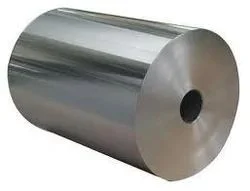
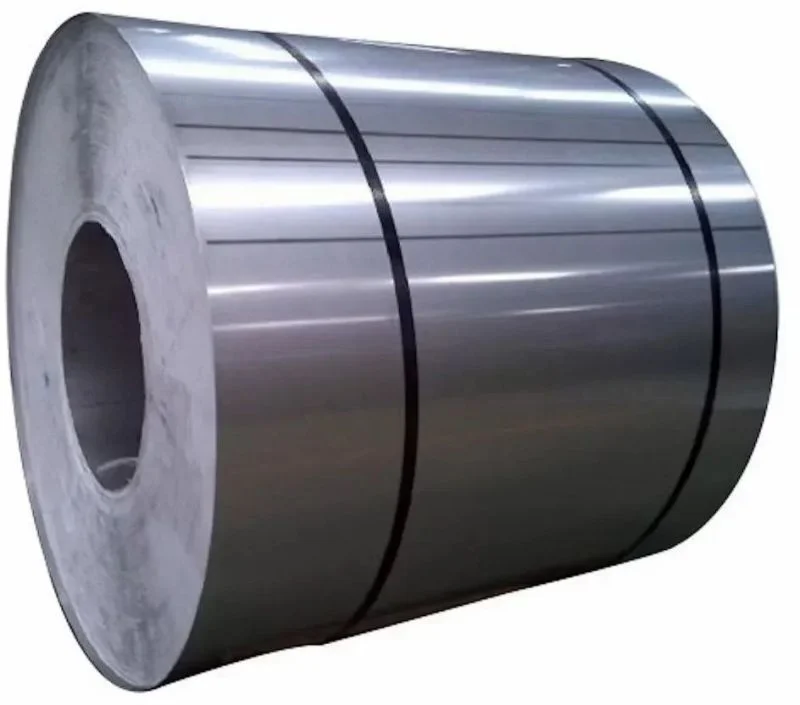
Qinhuangdao Fengyue Science And Technology Co., Ltd. is based in Qinhuangdao, China and currently lists eight distinct aluminium alloy products. All eight items fall under HS chapter 76, specifically HS code 7601.20 which covers unwrought aluminium alloys in forms such as coils, rods and sticks. The catalogue is organised under the broader categories of Metal Alloys, Aluminium Coils and Aluminium, reflecting a focus on specialised grain‑refiner alloys used in casting and extrusion. The supplier’s portfolio therefore concentrates on high‑purity aluminium‑based master alloys that modify grain structure in metallurgical processes.
Each product description includes the alloy designation and a brief composition, for example AlTi5B1 denotes an alloy with approximately 5 % titanium and 1 % boron in an aluminium balance, while AlTi3C0.15 indicates roughly 3 % titanium and 0.15 % carbon. The listed forms include coils, rods and sticks, allowing buyers to select a shape that matches their feeding equipment. The consistent HS classification suggests uniform customs handling and tariff treatment for all items. This factual snapshot provides a clear view of the supplier’s current aluminium‑based grain refiner offering without extrapolating beyond the supplied data.
Product Range and Specialties of Qinhuangdao Fengyue Science And Technology Co., Ltd.
The catalogue features eight aluminium‑based grain‑refiner alloys, all classified under HS 7601.20. Products include AlTi5B1 Coils, AlTi5B1 Sticks, and AlTi5B1 Coils - Aluminium Grain Refiner, which share the same master alloy composition of roughly Al‑5 %Ti‑1 %B. Additional items are aluminium‑titanium‑carbon alloys such as AlTi5C0.20 and AlTi3C0.15 presented as rods or coils, with carbon contents ranging from 0.15 % to 0.20 %. The “3/0.15 Titanium Carbon Aluminum Rod / Coils” and “5/0.2 Titanium Carbon Aluminum Alloy Rod” denote the titanium‑to‑carbon ratios used to tailor nucleation efficiency in casting.
In the aluminium alloy industry, grain‑refiner master alloys are typically supplied to meet standards such as ASTM B211 for aluminium bars and rods, and EN 573‑3 for chemical composition limits. Common grades for Ti‑B master alloys fall within the Al‑5 %Ti‑1 %B range, while Ti‑C master alloys are often specified as Al‑3 %Ti‑0.15 %‑0.20 %C. Buyers usually request certificates of analysis (CoA) that confirm elemental percentages within ±0.05 % tolerance, and they may also require compliance with ISO 9001 quality management systems. Packaging for coils and rods is frequently in wooden crates or steel drums, sized for 20‑ft or 40‑ft containers.
Trade and Export Information - Qinhuangdao Fengyue Science And Technology Co., Ltd.
Aluminium alloy grain‑refiners from China are exported mainly to automotive, aerospace and high‑pressure casting sectors in Europe, North America and Southeast Asia. The HS code 7601.20 is subject to a standard import duty rate of 0 % under many free‑trade agreements, but customs inspections often verify the alloy composition against the CoA and any applicable REACH or RoHS restrictions. Typical incoterms used by Chinese alloy exporters include FOB Qinhuangdao and CIF destination ports, with loading on 20‑ft containers accommodating approximately 15 tonnes of coils or rods per container.
Export documentation commonly includes a commercial invoice, packing list, Bill of Lading, and a material safety data sheet (MSDS) for the alloy. Buyers frequently request ISO 9001 certification from the supplier, even when not explicitly listed, to assure consistent production quality. Because the products are classified as unwrought aluminium alloys, they may be subject to anti‑dumping investigations in certain markets, so a declaration of origin and compliance with WTO rules is standard practice. The Chinese aluminium industry benefits from a mature supply chain, with domestic smelters providing high‑purity aluminium feedstock that supports the production of these specialised grain‑refiner alloys.
Sourcing from Qinhuangdao Fengyue Science And Technology Co., Ltd. - Buyer Guidance
When sourcing grain‑refiner alloys from this supplier, buyers should obtain a detailed Certificate of Analysis for each alloy batch, confirming titanium, boron or carbon percentages within the specified tolerances. It is advisable to request a sample rod or coil for metallurgical testing, such as melt flow index or nucleation efficiency trials, before committing to a full order. Verification of the supplier’s ISO 9001 registration, even if not listed, helps ensure that the manufacturing process follows recognized quality management practices.
Buyers should also confirm the packaging type (e.g., wooden crate dimensions, moisture barrier) and the agreed incoterm to anticipate freight costs and handling. Clarifying the lead time for each product form - coils typically ship within 30 days, rods within 25 days - allows alignment with production schedules. Finally, ensure that the export documentation includes the correct HS code 7601.20 and that any required import permits for aluminium alloys in the destination country are prepared in advance.
Frequently Asked Questions About Qinhuangdao Fengyue Science And Technology Co., Ltd.
What alloy compositions does Qinhuangdao Fengyue list under HS code 7601.20?
The supplier lists eight aluminium‑based alloys, including AlTi5B1 (≈5 %Ti, 1 %B), AlTi5C0.20 (≈5 %Ti, 0.20 %C), and AlTi3C0.15 (≈3 %Ti, 0.15 %C), each offered as coils, rods or sticks.
In what forms are the grain‑refiner alloys supplied?
Products are provided as aluminium coils, aluminium rods and aluminium sticks, allowing selection based on feeding equipment and casting line requirements.
Which certifications should a buyer request from this supplier?
Buyers should request a Certificate of Analysis for each batch, a copy of the supplier’s ISO 9001 quality management certificate, and compliance documents such as REACH or RoHS if required by the importing country.
What typical HS code is used for these aluminium alloys and what does it cover?
All listed items use HS code 7601.20, which covers unwrought aluminium alloys in secondary forms such as bars, rods, plates, sheets and coils.
What are the common export packaging and container sizes for these products?
Coils and rods are usually packed in wooden crates or steel drums, fitted into 20‑ft or 40‑ft containers; a 20‑ft container can hold roughly 15 tonnes of product depending on coil thickness.
Which global markets typically import Chinese aluminium grain‑refiner alloys?
Major importers include automotive and aerospace manufacturers in Europe, North America and Southeast Asian casting firms that require precise grain control in aluminium melt processes.
What documentation is required for customs clearance of these alloys?
Standard documents include a commercial invoice, packing list, Bill of Lading, Certificate of Origin, CoA and, where applicable, an MSDS for the alloy.
What lead times are typical for coil versus rod shipments?
Coil shipments generally require about 30 days from order confirmation, while rod shipments can be ready in approximately 25 days, subject to production scheduling.




 , China