PT Wonderindo International — Supplier
About PT Wonderindo International - Pepper Supplier in Indonesia
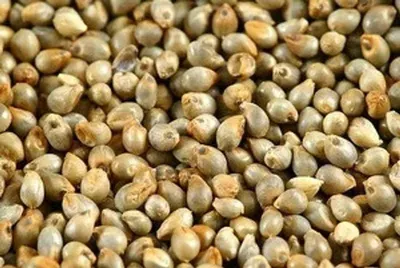
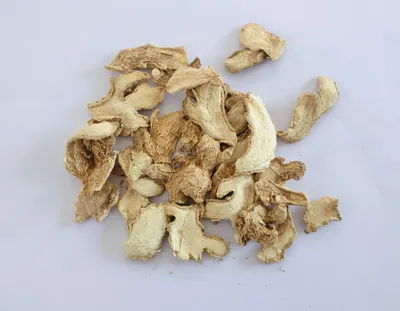
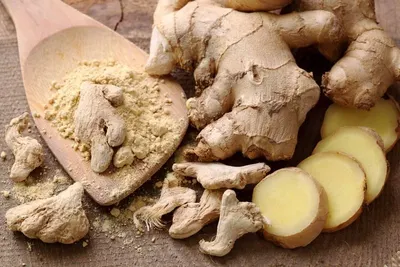
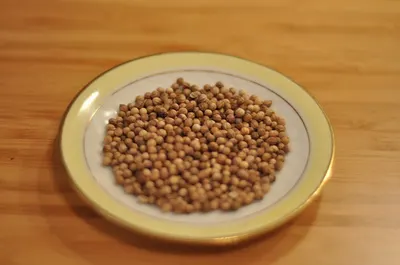
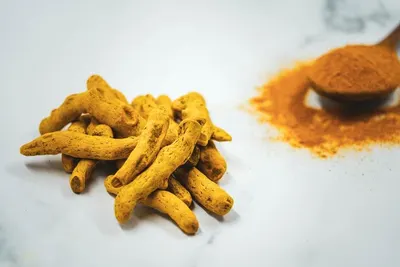
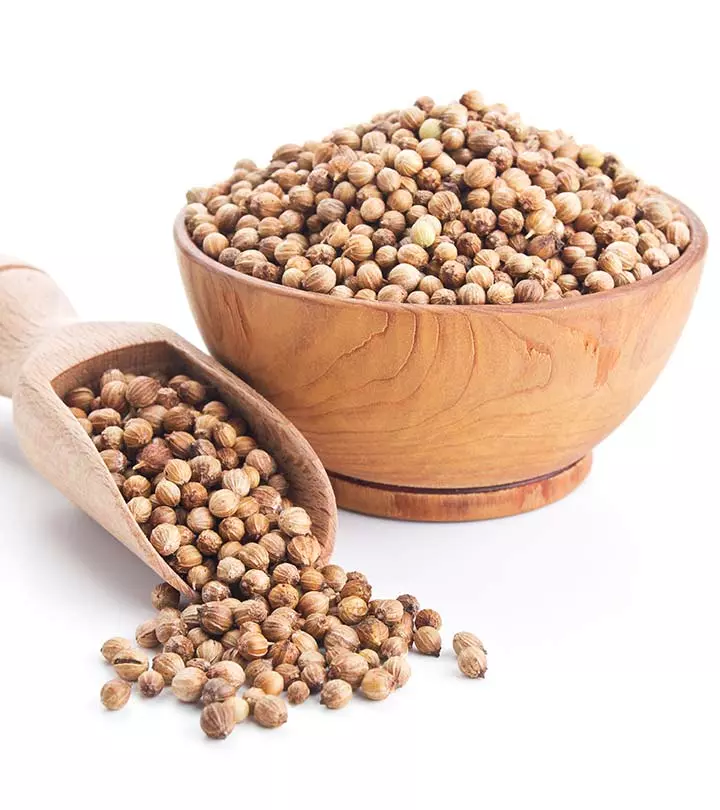
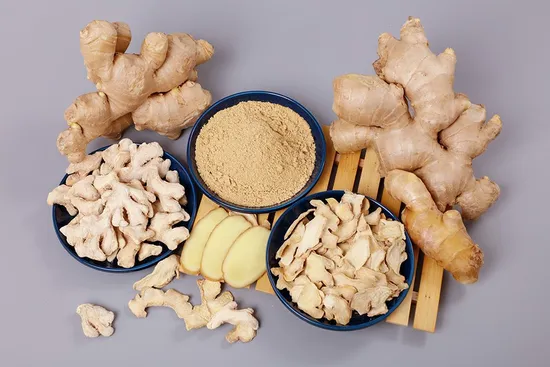
Indonesia, with an active product count of 6, PT Wonderindo International lists a portfolio that spans several spice categories. The catalogue includes Black Pepper (Piper nigrum), White Pepper, Turmeric (Curcuma longa), Fresh Ginger (Zingiber officinale), Coriander Seeds, and Dried Ginger slices. These products fall under HS Chapter 09, with pepper typically classified under HS 0904 and the other spices under HS 0910. Each entry corresponds to a distinct commodity within the spice trade, and the supplier is recorded under the “harbor” trust tier in the platform.
The supplier’s focus is on raw agricultural spices rather than processed blends or extracts. All six items are presented as primary commodities, indicating that PT Wonderindo International sources and supplies whole or minimally processed spice material for further processing or direct food‑service use. No additional processing services, packaging variations, or value‑added forms are mentioned in the supplied data.
Product Range and Specialties of PT Wonderindo International
The catalogue covers the major spice groups produced in Indonesia. Black and White Pepper are commonly graded by size (e.g., P4 - 5 mm, P5 - 4 mm) and moisture content below 12 %. Turmeric roots are evaluated on curcumin content (typically 3‑5 % for bulk) and a moisture level under 12 %. Fresh Ginger is usually sorted by length (30‑80 mm) and a moisture range of 80‑85 %. Coriander Seeds are graded by seed size (6‑8 mm) and oil content (5‑7 %). Dried Ginger slices are assessed for dry matter (≥ 95 %) and uniform thickness (2‑4 mm). Buyers familiar with these grades can match the supplier’s generic listings to the specifications required for food‑manufacturing, nutraceutical or export markets.
Trade and Export Information - PT Wonderindo International
Indonesia is among the world’s top exporters of pepper, turmeric, ginger and coriander, with shipments primarily destined for the European Union, United States, Middle East and Southeast Asian markets. Under HS Chapter 09, pepper falls under heading 0904 and the other spices under heading 0910, which are subject to phytosanitary inspection and, where applicable, certification for pesticide residues. Common buyer requirements include ISO 9001 quality management, HACCP food‑safety plans and, for organic‑focused markets, proof of organic certification (e.g., USDA‑NOP or EU‑EU). Typical logistics involve containerised bulk shipments in 20‑ft or 40‑ft dry containers, with moisture‑controlled packaging for fresh ginger and sealed polypropylene bags for dried spices. Indonesian export regulations require a phytosanitary certificate and, for certain destinations, a certificate of origin.
Sourcing from PT Wonderindo International - Buyer Guidance
When sourcing from PT Wonderindo International, buyers should request a product specification sheet that lists size grade, moisture content, and any available laboratory analysis for pesticide residues or heavy metals. Samples of each spice type are standard practice; a 5 kg sample for pepper or a 2 kg sample for turmeric allows verification of color, aroma and grade compliance. Request copies of any existing quality‑system certificates (ISO 9001, HACCP) and confirm whether the supplier can provide organic certification if required. Verify packaging details - bulk bags of 1 tonne for pepper, vacuum‑sealed packs for dried ginger - and confirm the agreed Incoterm (e.g., FOB Jakarta) before finalising the purchase order.
Frequently Asked Questions About PT Wonderindo International
What spice categories does PT Wonderindo International list in its catalogue?
The supplier lists six spice commodities: Black Pepper, White Pepper, Turmeric, Fresh Ginger, Coriander Seeds and Dried Ginger slices.
Which HS codes are relevant to the products offered?
Black and White Pepper are classified under HS 0904, while Turmeric, Fresh Ginger, Coriander Seeds and Dried Ginger fall under HS 0910, the chapter for spices and condiments.
What typical quality grades should a buyer verify for pepper?
Pepper is usually graded by particle size (e.g., P4 ≈ 5 mm, P5 ≈ 4 mm) and must have moisture below 12 %. Buyers often request a size‑distribution report and moisture analysis.
Are any certifications required for importing these Indonesian spices?
Importers commonly require ISO 9001 or HACCP certification for food safety, and for organic markets an organic certificate such as USDA‑NOP or EU‑EU. Phytosanitary certificates are mandatory for all shipments.
What sample sizes are typical for quality verification?
A 5 kg bulk sample for pepper or a 2 kg sample for turmeric and ginger is standard for laboratory testing of size, moisture, and contaminant levels.
What are the usual packaging formats for bulk spice shipments?
Bulk pepper is often packed in 1‑tonne polypropylene bags, while dried ginger slices are shipped in sealed poly‑bags or vacuum‑packed packs. Fresh ginger is usually packed in ventilated crates to maintain humidity.
What lead times and minimum order quantities (MOQ) can a buyer expect?
Lead times typically range from 30 to 45 days after order confirmation, with MOQs of 10 tons for pepper, 5 tons for turmeric, and 3 tons for fresh ginger, subject to seasonal availability.
Which regions most frequently import Indonesian spices like those listed?
The European Union, United States, Middle East and several Asian countries are the main import destinations for Indonesian pepper, turmeric, ginger and coriander seeds.




 , Indonesia