Pt. Putra Nusa Lontar — Supplier
About Pt. Putra Nusa Lontar - Other - Fabric and Raw Material Supplier in Indonesia
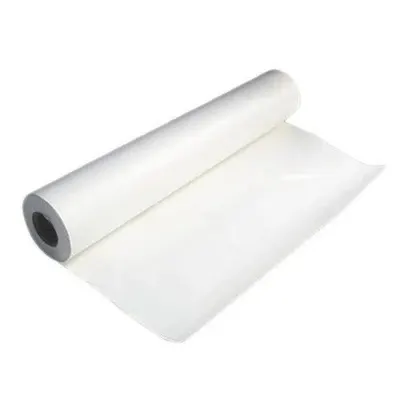
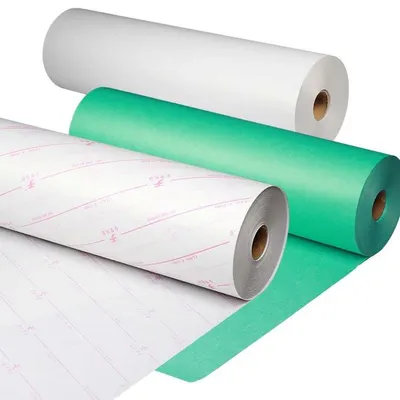
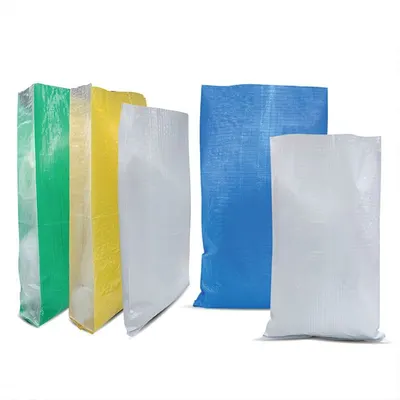
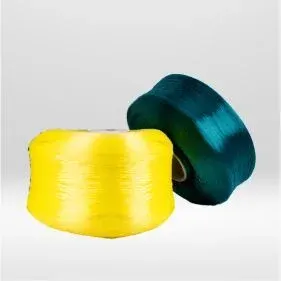
Pt. Putra Nusa Lontar, located in Indonesia, offers 5 active products. The company lists a variety of products, including Cement sack, PP/ PE Flat Yarn, PP/ PE woven bag, PP/ PE Flat cloth, and PP/ PE laminating cloth. These products fall under the category of Other - Fabric and Raw Material. Indonesia, as a major exporter of textiles and raw materials, typically sees a high demand for these goods from regions such as Southeast Asia and the European Union.
Buyers of fabric and raw materials usually require specific standards and certifications, such as ISO 9001 and ISO 14001, to ensure the quality and sustainability of the products. The HS code families involved in the export of these goods are typically in the range of 5401 to 5408 for woven fabrics and 3901 to 3914 for polymers of propylene.
Product Range and Specialties of Pt. Putra Nusa Lontar
Pt. Putra Nusa Lontar's catalogue includes a range of products, such as Cement sack, PP/ PE Flat Yarn, PP/ PE woven bag, PP/ PE Flat cloth, and PP/ PE laminating cloth. These products are commonly used in the textile and manufacturing industries. The typical grades and standard specifications for these products include a tensile strength of 10-20 MPa, a density of 0.9-1.1 g/cm3, and a moisture content of 0.5-1.5%. The common materials used in these products are polypropylene and polyethylene, with variants such as woven and non-woven fabrics.
Trade and Export Information - Pt. Putra Nusa Lontar
Exporters of fabric and raw materials, like Pt. Putra Nusa Lontar, typically export their goods to regions such as Southeast Asia, the European Union, and North America. The HS code families involved in the export of these goods are typically in the range of 5401 to 5408 for woven fabrics and 3901 to 3914 for polymers of propylene. The certifications commonly required for these goods include ISO 9001 and ISO 14001, which ensure the quality and sustainability of the products. The regulatory context for the export of these goods involves compliance with customs regulations, such as the Harmonized System, and logistics norms, such as Incoterms.
Sourcing from Pt. Putra Nusa Lontar - Buyer Guidance
Buyers sourcing from Pt. Putra Nusa Lontar should request specifications, samples, and test reports to verify the quality of the products. The typical quality parameters for these products include tensile strength, density, and moisture content. Buyers should also verify the certifications and documents required for the products, such as ISO 9001 and ISO 14001. It is recommended to confirm the minimum order quantity and lead time before placing an order, and to clarify the packaging and shipping terms, such as FOB or CIF.
Frequently Asked Questions About Pt. Putra Nusa Lontar
What is the typical tensile strength of PP/ PE Flat Yarn?
The typical tensile strength of PP/ PE Flat Yarn is 10-20 MPa. Buyers should request a test report to verify this parameter.
What is the common material used in Cement sack?
The common material used in Cement sack is polypropylene. Buyers should request a sample to verify the material.
What is the HS code for PP/ PE woven bag?
The HS code for PP/ PE woven bag is typically in the range of 5401 to 5408. Buyers should verify the HS code with the supplier.
What is the minimum order quantity for PP/ PE Flat cloth?
The minimum order quantity for PP/ PE Flat cloth should be confirmed with the supplier before placing an order. Buyers should also clarify the lead time and packaging terms.
What is the certification required for PP/ PE laminating cloth?
The certification required for PP/ PE laminating cloth is typically ISO 9001 and ISO 14001. Buyers should request a certificate to verify this.
What is the typical density of PP/ PE Flat Yarn?
The typical density of PP/ PE Flat Yarn is 0.9-1.1 g/cm3. Buyers should request a test report to verify this parameter.
What is the moisture content of Cement sack?
The moisture content of Cement sack is typically 0.5-1.5%. Buyers should request a test report to verify this parameter.




 , Indonesia