Pt Pohacee Mitra Indonesia — Verified Supplier

About Pt Pohacee Mitra Indonesia - Charcoal Supplier in Indonesia

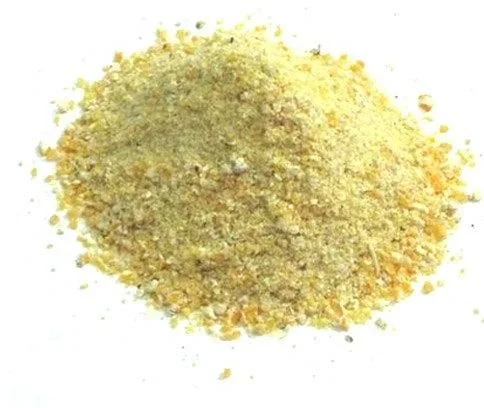
Indonesia hosts Pt Pohacee Mitra Indonesia, which currently lists 61 distinct products in its online catalogue. The catalogue groups items under categories such as Coconut Shell Charcoal, various forms of hardwood and natural charcoal, charcoal briquettes, sawdust briquette charcoal, palm kernel cake for animal feed, corn‑cob meal, and tapioca‑based products. Each entry is identified by its product name only, without additional specifications or HS‑code details in the source data. The supplier is classified with a harbor‑level trust tier, indicating a moderate level of verification on the platform.

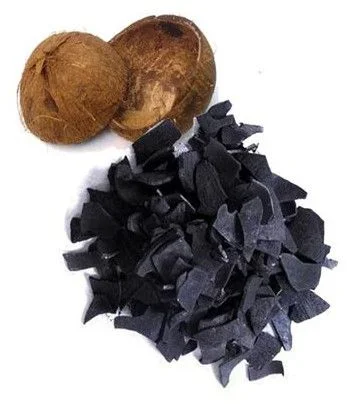
The product list includes both raw materials like Coconut Shell and processed forms such as Activated Coconut Shell Charcoal, Natural Hookah Charcoal, and Lump Charcoal. Additional agricultural by‑products are listed, including Palm Kernel Cake, Wheat Bran, Corncob Meal, and Tapioca Residue for animal feed. The diversity of 61 items reflects a focus on biomass fuels and feed additives that are commonly traded from Indonesia to regional and global markets.

Product Range and Specialties of Pt Pohacee Mitra Indonesia

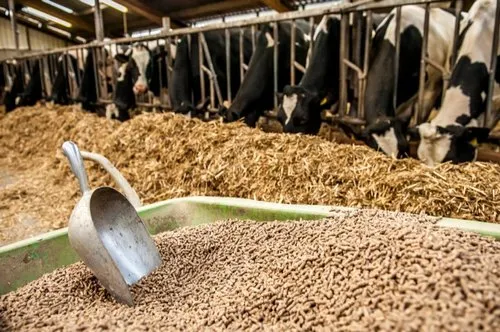
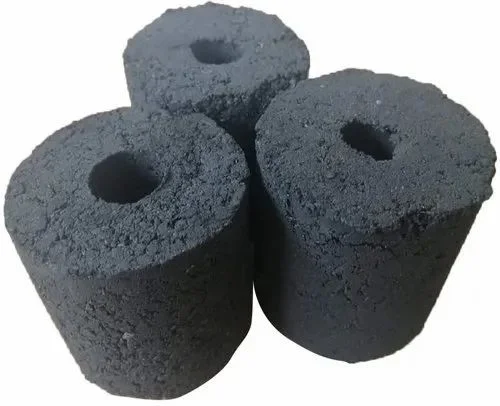
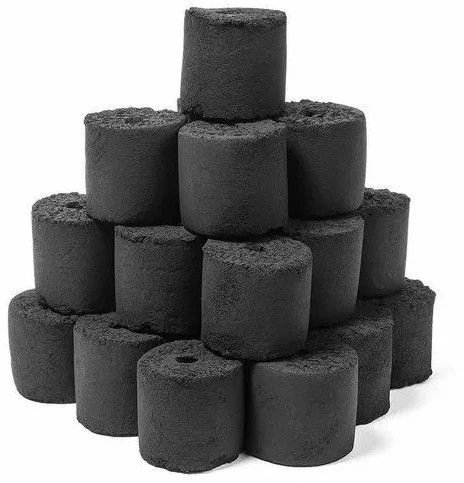
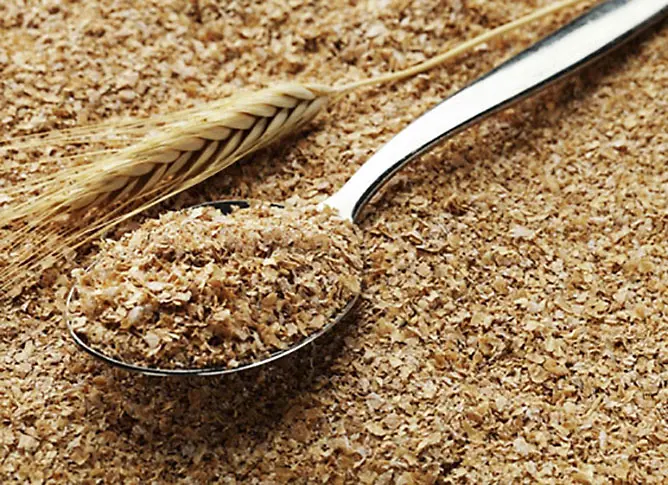
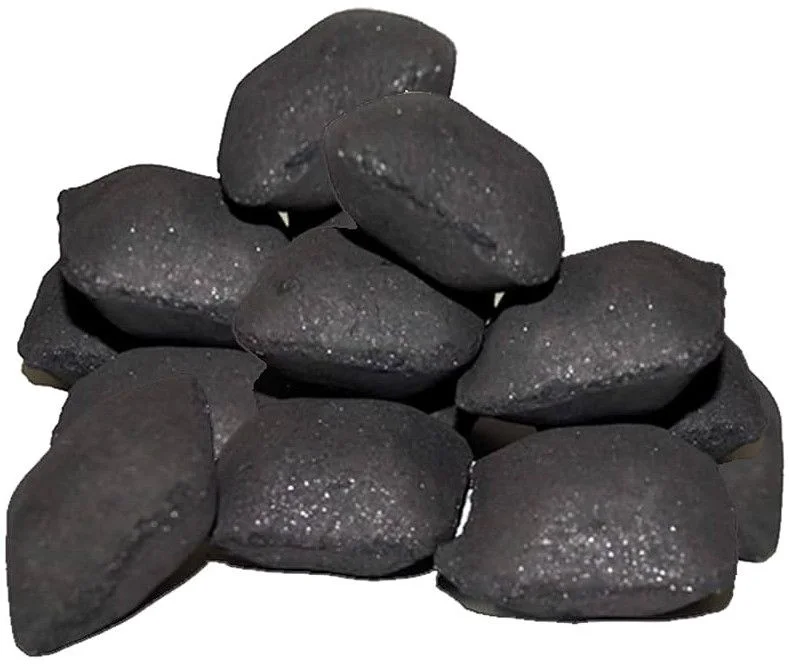
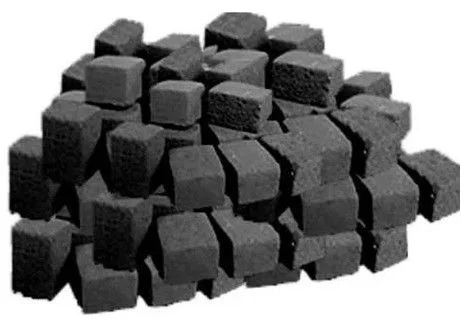
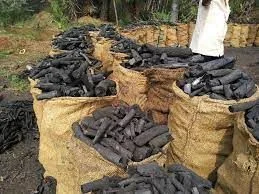
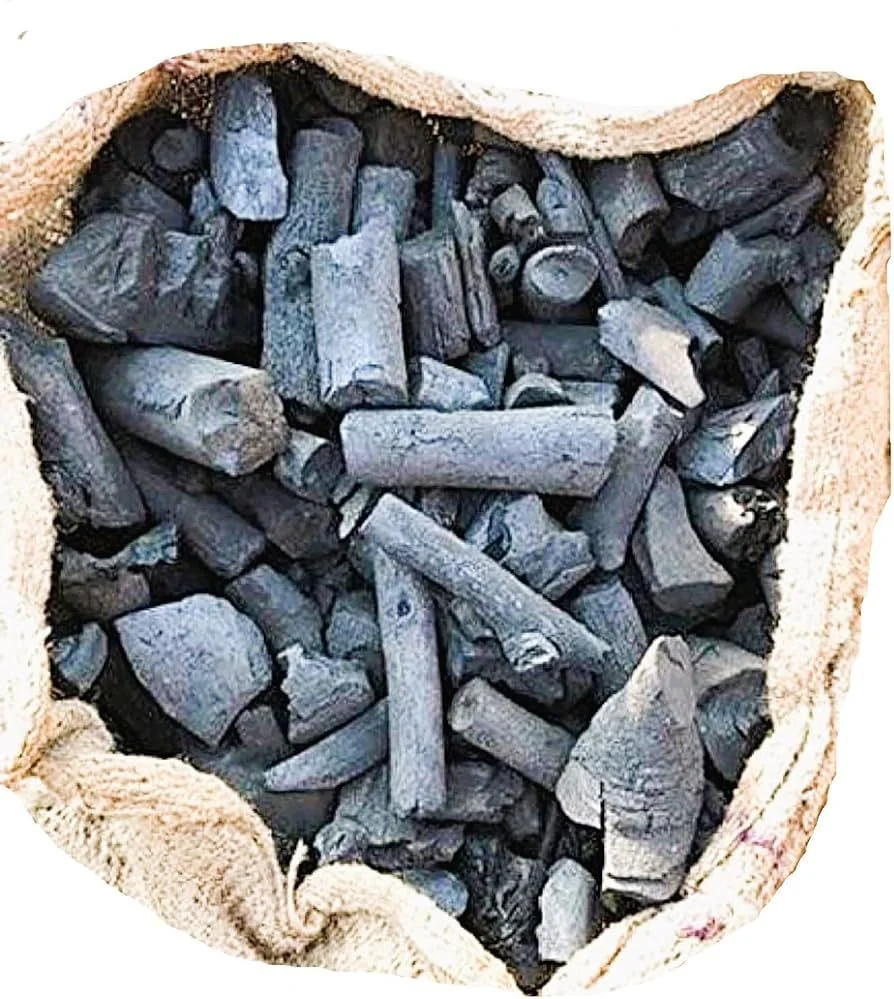
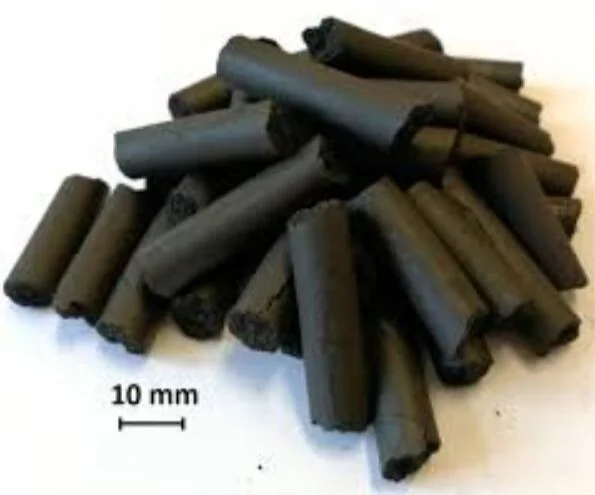
The catalogue enumerates several charcoal families: coconut‑shell based charcoal (including activated and raw shells), hardwood charcoal, sawdust briquette charcoal, and specialty briquettes for BBQ or shisha use. In the broader market, coconut‑shell charcoal is typically graded by ash content (often ≤5 %), moisture (<10 %), and fixed carbon (≥78 %). Hardwood charcoal grades frequently reference bulk density (0.45 - 0.55 t/m³) and calorific value (≈29 MJ/kg). Briquettes are measured by compression strength (≥1 MPa) and uniformity of size, usually 50 mm × 25 mm cylinders for BBQ applications. Palm Kernel Cake, Wheat Bran, Corncob Meal and Tapioca Residue are animal‑feed ingredients that are usually supplied in bulk bags of 1 ton, with moisture limits of 12 % for cake and 14 % for bran, and protein contents ranging from 15 % to 22 % for PKC. The supplier’s list therefore spans both fuel‑grade carbon products and feed‑grade agricultural co‑products, each with industry‑standard specifications that buyers compare during sourcing.

Trade and Export Information - Pt Pohacee Mitra Indonesia

Indonesia ranks among the top exporters of biomass charcoal, with HS Chapter 44 covering most charcoal products (e.g., HS 4402 for charcoal, 4402.91 for charcoal briquettes). Palm Kernel Cake falls under HS 2303, while wheat bran and other cereal by‑products are classified under HS 1101. Typical import destinations include the European Union, the United States, the Middle East, and neighboring Southeast Asian nations, where charcoal is used for industrial heating, metal smelting, and household cooking, and feed co‑products support livestock sectors. Buyers frequently request certifications such as ISO 9001 for quality management, FSC or PEFC for sustainable sourcing of wood, and compliance with EU REACH or US EPA regulations for charcoal emissions. Indonesian exporters often ship in 20‑ft or 40‑ft containers, using FCL or LCL arrangements, with standard Incoterms CIF or FOB to the destination port. Packaging for charcoal generally involves double‑walled polypropylene bags (15 kg) or bulk sacks, while feed ingredients are packed in woven polypropylene bags (1 ton) to protect moisture content during sea transit.

Sourcing from Pt Pohacee Mitra Indonesia - Buyer Guidance

When evaluating Pt Pohacee Mitra Indonesia’s offerings, buyers should request a recent Material Safety Data Sheet (MSDS) for each charcoal type, along with laboratory test reports that detail ash content, moisture, bulk density and calorific value. For feed products such as Palm Kernel Cake or Wheat Bran, a Certificate of Analysis (CoA) confirming protein, fiber, and moisture levels is standard practice. Buyers are advised to verify that the supplier can provide batch‑level traceability and that any required certifications (e.g., ISO 9001, FSC) are presented before finalising contracts. Sampling procedures typically involve a 5 kg bulk sample for charcoal and a 25 kg sample for feed co‑products, allowing independent labs to confirm compliance with the buyer’s specification sheet.

Frequently Asked Questions About Pt Pohacee Mitra Indonesia

What types of charcoal does Pt Pohacee Mitra Indonesia list in its catalogue?

The catalogue includes Coconut Shell Charcoal (raw, activated and briquette forms), Natural Hardwood Charcoal, Sawdust Briquette Charcoal, Lump Charcoal, and specialty briquettes for BBQ or shisha use. Each product is identified by name only, without detailed technical parameters in the source data.

Are there any certifications mentioned for the supplier’s products?

The supplied facts do not list any certifications held by Pt Pohacee Mitra Indonesia. Buyers should request copies of any quality‑management or sustainability certificates (e.g., ISO 9001, FSC) that are relevant to charcoal and feed products.

Which HS codes are relevant for the listed products?

Charcoal and charcoal briquettes fall under HS 4402 (including sub‑heading 4402.91 for briquettes). Palm Kernel Cake is classified under HS 2303, while wheat bran and other cereal by‑products use HS 1101. The supplier’s catalogue does not provide specific HS codes per item.

What typical specifications should a buyer check for coconut‑shell charcoal?

Buyers usually verify ash content (≤5 %), moisture (<10 %), fixed carbon (≥78 %), and calorific value (≈29 MJ/kg). Bulk density and particle size distribution are also common quality checks for industrial use.

How are the feed co‑products like Palm Kernel Cake packaged for export?

Feed items are commonly packed in woven polypropylene bags of 1 ton capacity, which protect the product from moisture ingress during sea freight. The supplier’s facts do not specify packaging details, so buyers should confirm bag type and moisture‑control measures.

What are the typical lead times and minimum order quantities for charcoal products?

Industry practice for Indonesian charcoal exporters is a lead time of 15 - 30 days from order confirmation, with minimum order quantities ranging from 5 tons for bulk bag shipments to a full 20‑ft container (≈10 tons) for larger buyers. Exact terms should be negotiated directly with the supplier.

Which regions most frequently import Indonesian charcoal?

Major import regions include the European Union, the United States, the Middle East, and Southeast Asian countries such as Japan and South Korea. These markets use charcoal for industrial heating, metal processing, and domestic cooking.

What documentation should a buyer request before purchasing charcoal or feed products?

Buyers should ask for an MSDS, recent laboratory test reports covering ash, moisture, calorific value, and bulk density for charcoal, and a Certificate of Analysis for feed products indicating protein, fiber, and moisture levels. Additional documents may include a phytosanitary certificate for feed items and any applicable export permits.


Featured Products from this Supplier

Other Suppliers in Primary Category

Top Trusted Suppliers

Related Products

Trending in Parent Category

More Suppliers in Category

Related Products

Other Suppliers

EximNext
58.5K+ live requirements
Register Free🎁 Reach verified global buyers
Post Requirement
🌍 Trusted by 224.6K+ businesses in 200+ countries|
58.5K+ active requirements right now
✉️ [email protected]
|
Sell on EximNextPost Requirement
EximNext
AgricultureApparelConstructionElectronicFoodHomeIndustrialMineralsMiscellaneous
🔥 Deals|✨ AI Match|🏭 Suppliers|📋 Buy Leads|💰 Trade Finance
58.5K+ live RFQs·194.6K+ suppliers
🎁 Reach global buyers →
EximNext
EximNext
Register Free
🎁 Reach verified global buyers
Sign In
📋Post Requirement💬Get QuotesAI Match📋RFQ Marketplace
All Categories
Services & Tools
🏭Supplier Directory🔥Today's Deals💰Trade Finance
Sell on EximNext
AboutContactBlogHelp
🏭

Pt Pohacee Mitra Indonesia

Harbor
Country flag , Indonesia
🛡️
77/100
Trust Score

Pt Pohacee Mitra Indonesia Product Catalog

Showing 12 of 61 products
View all products →
Fish Meal For Animal Feed
Harbor
Fish Meal For Animal Feed
Contact
MOQ: 1 Unit
BBQ Hardwood Charcoal
Harbor
BBQ Hardwood Charcoal
Contact
MOQ: 1 Unit
Hardwood Charcoal For BBQ
Harbor
Hardwood Charcoal For BBQ
Contact
MOQ: 1 Unit
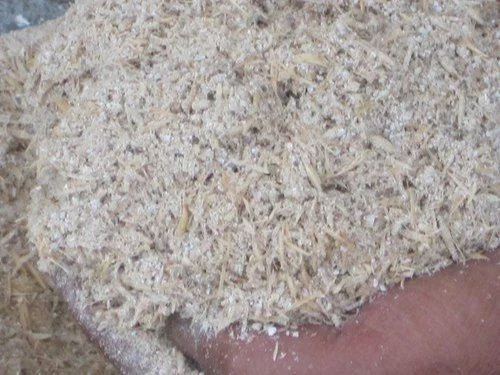
Wheat Bran
Harbor
Wheat Bran
Contact
MOQ: 1 Unit
Wheat Bran For Animal Feed
Harbor
Wheat Bran For Animal Feed
Contact
MOQ: 1 Unit
Animal Feed Like Wheat Bran
Harbor
Animal Feed Like Wheat Bran
Contact
MOQ: 1 Unit
Wheat Bran Pollard
Harbor
Wheat Bran Pollard
Contact
MOQ: 1 Unit
Copra Meal
Harbor
Copra Meal
Contact
MOQ: 1 Unit
Copra Meal For Animal Feed
Harbor
Copra Meal For Animal Feed
Contact
MOQ: 1 Unit
Fish Meal
Harbor
Fish Meal
Contact
MOQ: 1 Unit
Activated Carbon Powder Coconut Shell
Harbor
Activated Carbon Powder Coconut Shell
Contact
MOQ: 1 Unit
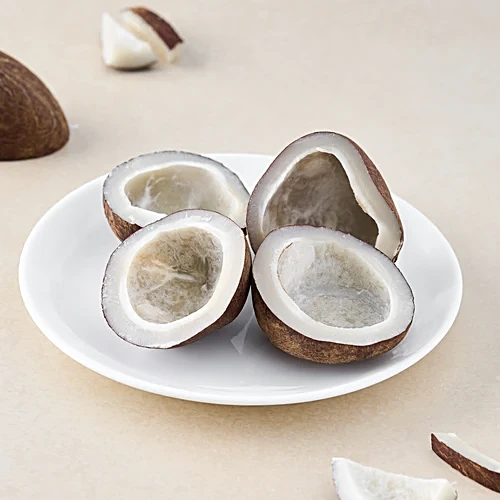
Dried Coconut Shell
Harbor
Dried Coconut Shell
Contact
MOQ: 1 Unit

About Pt Pohacee Mitra Indonesia - Charcoal Supplier in Indonesia

Indonesia hosts Pt Pohacee Mitra Indonesia, which currently lists 61 distinct products in its online catalogue. The catalogue groups items under categories such as Coconut Shell Charcoal, various forms of hardwood and natural charcoal, charcoal briquettes, sawdust briquette charcoal, palm kernel cake for animal feed, corn‑cob meal, and tapioca‑based products. Each entry is identified by its product name only, without additional specifications or HS‑code details in the source data. The supplier is classified with a harbor‑level trust tier, indicating a moderate level of verification on the platform.

The product list includes both raw materials like Coconut Shell and processed forms such as Activated Coconut Shell Charcoal, Natural Hookah Charcoal, and Lump Charcoal. Additional agricultural by‑products are listed, including Palm Kernel Cake, Wheat Bran, Corncob Meal, and Tapioca Residue for animal feed. The diversity of 61 items reflects a focus on biomass fuels and feed additives that are commonly traded from Indonesia to regional and global markets.

Product Range and Specialties of Pt Pohacee Mitra Indonesia

The catalogue enumerates several charcoal families: coconut‑shell based charcoal (including activated and raw shells), hardwood charcoal, sawdust briquette charcoal, and specialty briquettes for BBQ or shisha use. In the broader market, coconut‑shell charcoal is typically graded by ash content (often ≤5 %), moisture (<10 %), and fixed carbon (≥78 %). Hardwood charcoal grades frequently reference bulk density (0.45 - 0.55 t/m³) and calorific value (≈29 MJ/kg). Briquettes are measured by compression strength (≥1 MPa) and uniformity of size, usually 50 mm × 25 mm cylinders for BBQ applications. Palm Kernel Cake, Wheat Bran, Corncob Meal and Tapioca Residue are animal‑feed ingredients that are usually supplied in bulk bags of 1 ton, with moisture limits of 12 % for cake and 14 % for bran, and protein contents ranging from 15 % to 22 % for PKC. The supplier’s list therefore spans both fuel‑grade carbon products and feed‑grade agricultural co‑products, each with industry‑standard specifications that buyers compare during sourcing.

Trade and Export Information - Pt Pohacee Mitra Indonesia

Indonesia ranks among the top exporters of biomass charcoal, with HS Chapter 44 covering most charcoal products (e.g., HS 4402 for charcoal, 4402.91 for charcoal briquettes). Palm Kernel Cake falls under HS 2303, while wheat bran and other cereal by‑products are classified under HS 1101. Typical import destinations include the European Union, the United States, the Middle East, and neighboring Southeast Asian nations, where charcoal is used for industrial heating, metal smelting, and household cooking, and feed co‑products support livestock sectors. Buyers frequently request certifications such as ISO 9001 for quality management, FSC or PEFC for sustainable sourcing of wood, and compliance with EU REACH or US EPA regulations for charcoal emissions. Indonesian exporters often ship in 20‑ft or 40‑ft containers, using FCL or LCL arrangements, with standard Incoterms CIF or FOB to the destination port. Packaging for charcoal generally involves double‑walled polypropylene bags (15 kg) or bulk sacks, while feed ingredients are packed in woven polypropylene bags (1 ton) to protect moisture content during sea transit.

Sourcing from Pt Pohacee Mitra Indonesia - Buyer Guidance

When evaluating Pt Pohacee Mitra Indonesia’s offerings, buyers should request a recent Material Safety Data Sheet (MSDS) for each charcoal type, along with laboratory test reports that detail ash content, moisture, bulk density and calorific value. For feed products such as Palm Kernel Cake or Wheat Bran, a Certificate of Analysis (CoA) confirming protein, fiber, and moisture levels is standard practice. Buyers are advised to verify that the supplier can provide batch‑level traceability and that any required certifications (e.g., ISO 9001, FSC) are presented before finalising contracts. Sampling procedures typically involve a 5 kg bulk sample for charcoal and a 25 kg sample for feed co‑products, allowing independent labs to confirm compliance with the buyer’s specification sheet.

Frequently Asked Questions About Pt Pohacee Mitra Indonesia

What types of charcoal does Pt Pohacee Mitra Indonesia list in its catalogue?

The catalogue includes Coconut Shell Charcoal (raw, activated and briquette forms), Natural Hardwood Charcoal, Sawdust Briquette Charcoal, Lump Charcoal, and specialty briquettes for BBQ or shisha use. Each product is identified by name only, without detailed technical parameters in the source data.

Are there any certifications mentioned for the supplier’s products?

The supplied facts do not list any certifications held by Pt Pohacee Mitra Indonesia. Buyers should request copies of any quality‑management or sustainability certificates (e.g., ISO 9001, FSC) that are relevant to charcoal and feed products.

Which HS codes are relevant for the listed products?

Charcoal and charcoal briquettes fall under HS 4402 (including sub‑heading 4402.91 for briquettes). Palm Kernel Cake is classified under HS 2303, while wheat bran and other cereal by‑products use HS 1101. The supplier’s catalogue does not provide specific HS codes per item.

What typical specifications should a buyer check for coconut‑shell charcoal?

Buyers usually verify ash content (≤5 %), moisture (<10 %), fixed carbon (≥78 %), and calorific value (≈29 MJ/kg). Bulk density and particle size distribution are also common quality checks for industrial use.

How are the feed co‑products like Palm Kernel Cake packaged for export?

Feed items are commonly packed in woven polypropylene bags of 1 ton capacity, which protect the product from moisture ingress during sea freight. The supplier’s facts do not specify packaging details, so buyers should confirm bag type and moisture‑control measures.

What are the typical lead times and minimum order quantities for charcoal products?

Industry practice for Indonesian charcoal exporters is a lead time of 15 - 30 days from order confirmation, with minimum order quantities ranging from 5 tons for bulk bag shipments to a full 20‑ft container (≈10 tons) for larger buyers. Exact terms should be negotiated directly with the supplier.

Which regions most frequently import Indonesian charcoal?

Major import regions include the European Union, the United States, the Middle East, and Southeast Asian countries such as Japan and South Korea. These markets use charcoal for industrial heating, metal processing, and domestic cooking.

What documentation should a buyer request before purchasing charcoal or feed products?

Buyers should ask for an MSDS, recent laboratory test reports covering ash, moisture, calorific value, and bulk density for charcoal, and a Certificate of Analysis for feed products indicating protein, fiber, and moisture levels. Additional documents may include a phytosanitary certificate for feed items and any applicable export permits.

About Pt Pohacee Mitra Indonesia - Charcoal Supplier in Indonesia

Indonesia hosts Pt Pohacee Mitra Indonesia, which currently lists 61 distinct products in its online catalogue. The catalogue groups items under categories such as Coconut Shell Charcoal, various forms of hardwood and natural charcoal, charcoal briquettes, sawdust briquette charcoal, palm kernel cake for animal feed, corn‑cob meal, and tapioca‑based products. Each entry is identified by its product name only, without additional specifications or HS‑code details in the source data. The supplier is classified with a harbor‑level trust tier, indicating a moderate level of verification on the platform.

The product list includes both raw materials like Coconut Shell and processed forms such as Activated Coconut Shell Charcoal, Natural Hookah Charcoal, and Lump Charcoal. Additional agricultural by‑products are listed, including Palm Kernel Cake, Wheat Bran, Corncob Meal, and Tapioca Residue for animal feed. The diversity of 61 items reflects a focus on biomass fuels and feed additives that are commonly traded from Indonesia to regional and global markets.

Product Range and Specialties of Pt Pohacee Mitra Indonesia

The catalogue enumerates several charcoal families: coconut‑shell based charcoal (including activated and raw shells), hardwood charcoal, sawdust briquette charcoal, and specialty briquettes for BBQ or shisha use. In the broader market, coconut‑shell charcoal is typically graded by ash content (often ≤5 %), moisture (<10 %), and fixed carbon (≥78 %). Hardwood charcoal grades frequently reference bulk density (0.45 - 0.55 t/m³) and calorific value (≈29 MJ/kg). Briquettes are measured by compression strength (≥1 MPa) and uniformity of size, usually 50 mm × 25 mm cylinders for BBQ applications. Palm Kernel Cake, Wheat Bran, Corncob Meal and Tapioca Residue are animal‑feed ingredients that are usually supplied in bulk bags of 1 ton, with moisture limits of 12 % for cake and 14 % for bran, and protein contents ranging from 15 % to 22 % for PKC. The supplier’s list therefore spans both fuel‑grade carbon products and feed‑grade agricultural co‑products, each with industry‑standard specifications that buyers compare during sourcing.

Trade and Export Information - Pt Pohacee Mitra Indonesia

Indonesia ranks among the top exporters of biomass charcoal, with HS Chapter 44 covering most charcoal products (e.g., HS 4402 for charcoal, 4402.91 for charcoal briquettes). Palm Kernel Cake falls under HS 2303, while wheat bran and other cereal by‑products are classified under HS 1101. Typical import destinations include the European Union, the United States, the Middle East, and neighboring Southeast Asian nations, where charcoal is used for industrial heating, metal smelting, and household cooking, and feed co‑products support livestock sectors. Buyers frequently request certifications such as ISO 9001 for quality management, FSC or PEFC for sustainable sourcing of wood, and compliance with EU REACH or US EPA regulations for charcoal emissions. Indonesian exporters often ship in 20‑ft or 40‑ft containers, using FCL or LCL arrangements, with standard Incoterms CIF or FOB to the destination port. Packaging for charcoal generally involves double‑walled polypropylene bags (15 kg) or bulk sacks, while feed ingredients are packed in woven polypropylene bags (1 ton) to protect moisture content during sea transit.

Sourcing from Pt Pohacee Mitra Indonesia - Buyer Guidance

When evaluating Pt Pohacee Mitra Indonesia’s offerings, buyers should request a recent Material Safety Data Sheet (MSDS) for each charcoal type, along with laboratory test reports that detail ash content, moisture, bulk density and calorific value. For feed products such as Palm Kernel Cake or Wheat Bran, a Certificate of Analysis (CoA) confirming protein, fiber, and moisture levels is standard practice. Buyers are advised to verify that the supplier can provide batch‑level traceability and that any required certifications (e.g., ISO 9001, FSC) are presented before finalising contracts. Sampling procedures typically involve a 5 kg bulk sample for charcoal and a 25 kg sample for feed co‑products, allowing independent labs to confirm compliance with the buyer’s specification sheet.

Frequently Asked Questions About Pt Pohacee Mitra Indonesia
What types of charcoal does Pt Pohacee Mitra Indonesia list in its catalogue?
The catalogue includes Coconut Shell Charcoal (raw, activated and briquette forms), Natural Hardwood Charcoal, Sawdust Briquette Charcoal, Lump Charcoal, and specialty briquettes for BBQ or shisha use. Each product is identified by name only, without detailed technical parameters in the source data.
Are there any certifications mentioned for the supplier’s products?
The supplied facts do not list any certifications held by Pt Pohacee Mitra Indonesia. Buyers should request copies of any quality‑management or sustainability certificates (e.g., ISO 9001, FSC) that are relevant to charcoal and feed products.
Which HS codes are relevant for the listed products?
Charcoal and charcoal briquettes fall under HS 4402 (including sub‑heading 4402.91 for briquettes). Palm Kernel Cake is classified under HS 2303, while wheat bran and other cereal by‑products use HS 1101. The supplier’s catalogue does not provide specific HS codes per item.
What typical specifications should a buyer check for coconut‑shell charcoal?
Buyers usually verify ash content (≤5 %), moisture (<10 %), fixed carbon (≥78 %), and calorific value (≈29 MJ/kg). Bulk density and particle size distribution are also common quality checks for industrial use.
How are the feed co‑products like Palm Kernel Cake packaged for export?
Feed items are commonly packed in woven polypropylene bags of 1 ton capacity, which protect the product from moisture ingress during sea freight. The supplier’s facts do not specify packaging details, so buyers should confirm bag type and moisture‑control measures.
What are the typical lead times and minimum order quantities for charcoal products?
Industry practice for Indonesian charcoal exporters is a lead time of 15 - 30 days from order confirmation, with minimum order quantities ranging from 5 tons for bulk bag shipments to a full 20‑ft container (≈10 tons) for larger buyers. Exact terms should be negotiated directly with the supplier.
Which regions most frequently import Indonesian charcoal?
Major import regions include the European Union, the United States, the Middle East, and Southeast Asian countries such as Japan and South Korea. These markets use charcoal for industrial heating, metal processing, and domestic cooking.
What documentation should a buyer request before purchasing charcoal or feed products?
Buyers should ask for an MSDS, recent laboratory test reports covering ash, moisture, calorific value, and bulk density for charcoal, and a Certificate of Analysis for feed products indicating protein, fiber, and moisture levels. Additional documents may include a phytosanitary certificate for feed items and any applicable export permits.

🏭
Pt Pohacee Mitra Indonesia
Country flag , Indonesia
Harbor
77/100
Trust Score
📦
61
Products
Free to contact — no commission
Escrow payment available
Verified business identity
Compare more suppliers
Post a requirement — get 10 quotes free
Let verified suppliers compete for your business. Free, fast, no commitment.
EximNext Verified Supplier
Business identity verified
Physical address confirmed
Financial history checked
Certifications authenticated
Trade references validated
Due Diligence
Verify this supplier's real shipping history.
Every shipment, every buyer, every port. Trade data that can't be faked.
Run due diligence →
Discover More

Related Suppliers & Products

Explore similar suppliers, related products and trending categories

Featured Products from this Supplier

Other Suppliers in Primary Category

Top Trusted Suppliers

Related Products

Trending in Parent Category

More Suppliers in Category

Stay ahead in global trade
Weekly market insights & new supplier alerts.
EximNext
Exim Next is a leading global B2B marketplace, connecting over 205,000 verified suppliers and buyers across 200+ countries. As a trusted import export marketplace, it serves as the essential B2B portal for businesses worldwide, empowering them to expand their international reach. With Exim Next, businesses can trade smarter and grow faster.
SECURE PAYMENTS
VISAMastercardPayPalSWIFTL/CEscrow
Follow us
© 2026 EximNext