PT Hexa Coco Indonesia — Verified Supplier

About PT Hexa Coco Indonesia - Coconut Fibre and Coir Products Supplier in Indonesia

PT Hexa Coco Indonesia is an Indonesian exporter operating with 5 active product listings across five coconut-derived categories: Coir Fiber, Coco Peat and Coir Pith, Semi-husked Coconut, Copra, and Ropes and Twines. The catalogue centres on the Cocos nucifera value chain, drawing on Indonesia's position as one of the world's largest coconut-producing archipelagos, where mature coconut palms are cultivated across Sumatra, Java, Sulawesi and the Maluku region. The active range covers both raw and semi-processed forms of the coconut, from the long brown fibres extracted from mature husks to the compressed growing medium produced from the pith, plus the edible and oil-bearing forms of the nut itself.

The supplier's listed goods map to distinct HS code chapters within the broader natural fibre and agricultural commodity classification. Coconut fibre is paired with HS 5305.11, the specific subheading for raw coconut (coir) fibre, while coco peat, semi-husked coconut, copra and coir rope fall under their respective chapters for vegetable tanning or dyeing extracts (HS 1404), fresh or dried coconuts (HS 0801), dried coconuts in inner form (HS 0801.11 / 0801.19), and articles of twine or rope (HS 5607). This spread across HS chapters 08, 14, 53 and 56 reflects a vertically aligned coconut export operation covering husk fibre, pith, nut and twisted end-product.

Product Range and Specialties of PT Hexa Coco Indonesia

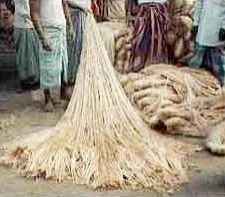
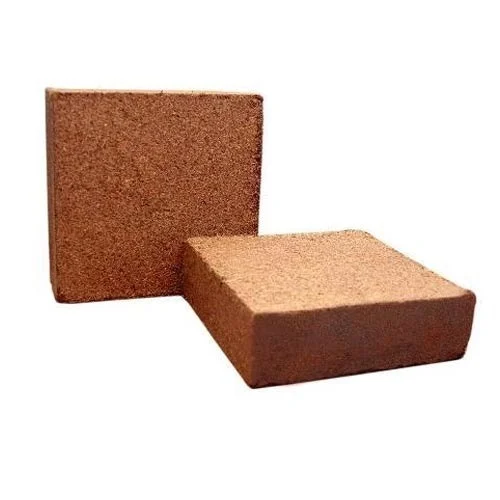
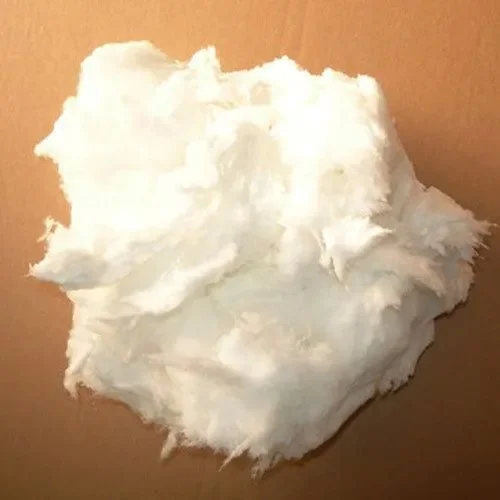
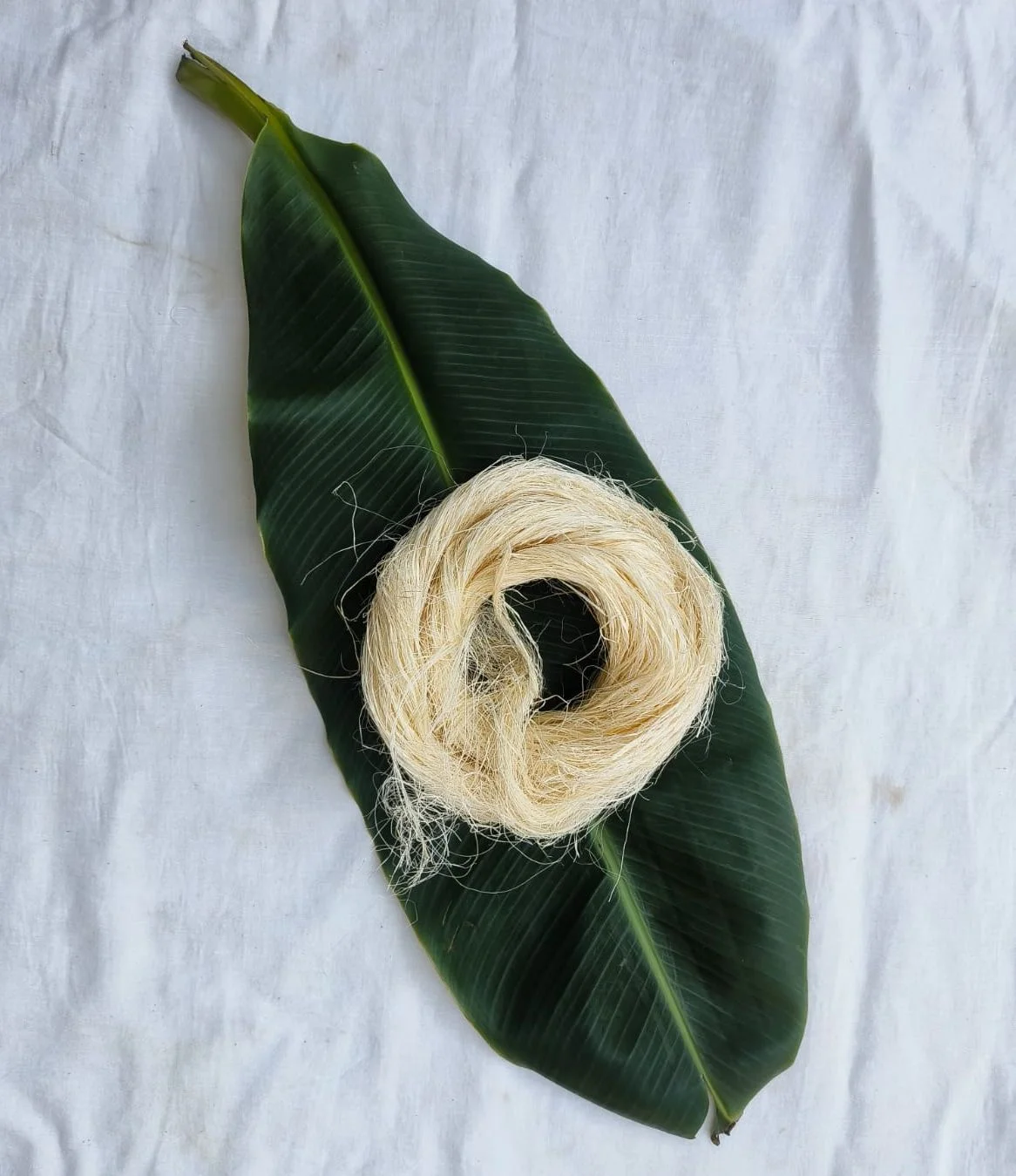
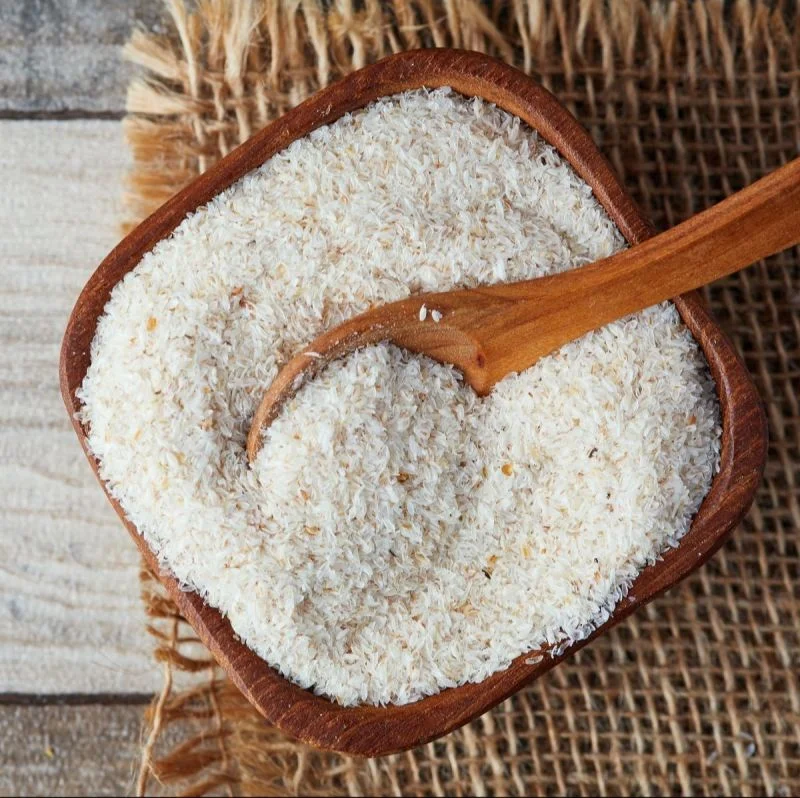
The catalogue opens with Coconut Fiber (HS 5305.11), the long, coarse fibre extracted from the outer husk of mature brown coconuts, graded in the trade by fibre length (commonly 5 cm to 25 cm cut), colour (golden brown to dark grey), moisture content (typically kept below 15 percent), and salt or impurity levels. Buyers in this segment usually specify whether they need bristle fibre for brush manufacturing, mat fibre for rubberised coir products, or mixed fibre for upholstery and geotextile applications. Coconut Peat, also called coir pith, is the fine spongy material that falls out during fibre extraction; it is compressed into 5 kg blocks or 25 kg bales, expanded with water to a volume of roughly 15 to 18 litres per kg, and graded by electrical conductivity (EC) into low-EC washed grades for horticulture and high-EC unwashed grades for industrial use.

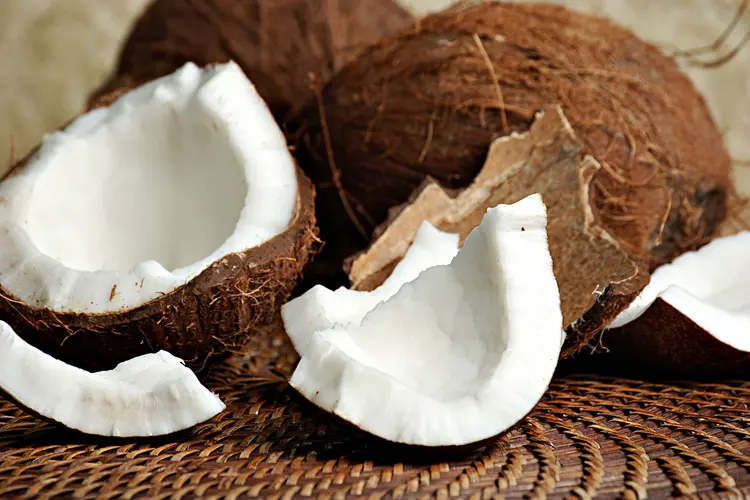
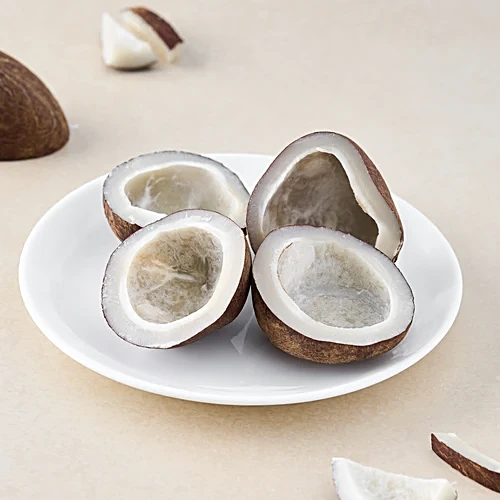
Semi Husked Coconut is the mature brown coconut with the outer green husk partially removed, leaving the familiar fibrous brown husk around the shell, typically graded by size (medium 400-500 g, large 500-700 g, extra-large above 700 g) and by moisture content of the kernel. Copra is the dried kernel used for coconut oil extraction, traded on moisture (target below 7 percent for milling grade), free fatty acid content (FFA, commonly under 3 percent for prime copra), and mould or insect presence. Coir Rope is twisted from the longer coir fibres, produced in diameters from roughly 6 mm to 40 mm, in 3-strand or 4-strand construction, and used in marine mooring, agricultural tying, and decorative applications.

Trade and Export Information - PT Hexa Coco Indonesia

Indonesia is the world's largest producer and exporter of coconut products, with coconut cultivation concentrated in North Sulawesi, East Java, Riau, North Sumatra and Lampung. The principal importing regions for Indonesian coir fibre, coco peat and coir rope are China, the Netherlands, Germany, the United States, the United Kingdom and South Korea, where the material feeds into horticulture substrates (especially for tomato, strawberry and ornamental nurseries), automotive seat and mattress filling, geotextile and erosion-control matting, and rope manufacturing. Semi-husked coconut and copra flow predominantly to South and Southeast Asian markets for culinary use and to the Philippines, India and Europe for crushing into crude coconut oil (HS 1513).

Exporters of coir and coconut commodities from Indonesia typically ship in 20 ft and 40 ft containers, with coir fibre baled at roughly 100-120 kg per bale, coco peat blocks palletised at about 1 tonne per pallet, and semi-husked coconuts packed in mesh sacks of 25-50 kg. Phytosanitary certificates are routinely required for fresh semi-husked coconut shipments, while copra consignments usually require a fumigation certificate and a certificate of origin under preferential trade schemes. Buyers in the European Union and United States increasingly request documentation aligned with ISPM 15 for any wooden packaging and with REACH for chemical residues on finished coir articles. The most commonly referenced standards for this category are the ISO 9001 quality management system for processors, and for coco peat specifically the RHP (Regeling Handelspotgronden) Dutch substrate certification for horticultural grade material.

Sourcing from PT Hexa Coco Indonesia - Buyer Guidance

Buyers sourcing from PT Hexa Coco Indonesia should request the full technical specification sheet for each product, including fibre length and moisture for coir fibre, EC and expansion volume for coco peat, size band and kernel weight for semi-husked coconut, and moisture plus FFA figures for copra. Third-party pre-shipment inspection is standard practice for these commodities, with SGS, Bureau Veritas and Intertek commonly engaged to verify weight, quality grading and container loading. A pre-shipment sample, ideally drawn from the lot that will actually be shipped, is the most reliable way to confirm colour, fibre length, EC value or copra FFA before issuing a letter of credit or wire transfer.

For first orders, it is prudent to confirm which certifications the supplier currently holds and which can be arranged on request, as many Indonesian coir exporters operate without ISO 9001 or RHP certification but can source material from certified production partners. Payment terms in this segment typically begin with a 30 percent telegraphic transfer deposit and 70 percent against copy of B/L, though established buyers may move to open account or L/C at sight. Lead times of 15 to 30 days after order confirmation are typical for in-stock items, longer for custom-pressed coco peat blocks or specific rope diameters. Verifying the supplier's response time, sample accuracy against the final shipment, and willingness to share mill or packing-house photos are practical signals of operational reliability.

Frequently Asked Questions About PT Hexa Coco Indonesia

What coconut product categories does PT Hexa Coco Indonesia export?

The supplier lists 5 active products across Coir Fiber (HS 5305.11), Coconut Peat, Semi Husked Coconut, Copra, and Coir Rope, covering the husk fibre, pith, nut and twisted end-product segments of the Cocos nucifera value chain.

Which HS code applies to the coconut fibre offered?

Coconut Fibre is paired with HS 5305.11, the subheading reserved for raw coconut (coir) fibre and tow, distinct from other bast fibres such as jute (HS 5303) or sisal (HS 5305.19).

What specifications should I request for the coco peat?

Ask for electrical conductivity (EC in mS/cm), pH (typically 5.5 to 6.8 for horticultural grade), expansion volume per kg, moisture content, and sieve mesh size, plus whether the grade is washed low-EC or unwashed high-EC.

Which documents are typically required to import semi-husked coconut and copra from Indonesia?

A phytosanitary certificate is standard for fresh semi-husked coconut, while copra shipments usually require a fumigation certificate, certificate of origin, and quality report showing moisture below 7 percent and FFA below 3 percent for milling grade.

What is the typical packaging and container load for these goods?

Coir fibre is commonly baled at 100-120 kg, coco peat blocks palletised at roughly 1 tonne per pallet, semi-husked coconut packed in 25-50 kg mesh sacks, and copra in 50-60 kg jute or woven polypropylene sacks, all loaded into 20 ft or 40 ft containers.

Which certifications should I ask the supplier to confirm?

For horticultural coco peat, RHP (Dutch substrate) certification is the most recognised; for general processing, ISO 9001 is common; for finished coir articles sold into the EU, REACH compliance documentation should be requested.

What are the usual lead time and minimum order quantity for these products?

Lead times of 15 to 30 days after order confirmation are typical for stocked items, with MOQ commonly set at one 20 ft container (roughly 10-12 tonnes for pressed coco peat, 12-18 tonnes for baled coir fibre, and 18-22 tonnes for semi-husked coconut).

Which regions typically import Indonesian coconut fibre, coco peat and coir rope?

The principal destinations are China, the Netherlands, Germany, the United States, the United Kingdom and South Korea, where the material is used in horticulture substrates, mattress and automotive fibre filling, geotextiles, and marine or agricultural rope.


Featured Products from this Supplier

Top Trusted Suppliers

Related Products

Trending in Parent Category

More Suppliers in Category

Related Products

Other Suppliers

EximNext
58.7K+ live requirements
Register Free🎁 Reach verified global buyers
Post Requirement
🌍 Trusted by 224.9K+ businesses in 200+ countries|
58.7K+ active requirements right now
✉️ [email protected]
|
Sell on EximNextPost Requirement
EximNext
AgricultureApparelConstructionElectronicFoodHomeIndustrialMineralsMiscellaneous
🔥 Deals|✨ AI Match|🏭 Suppliers|📋 Buy Leads|💰 Trade Finance
58.7K+ live RFQs·194.8K+ suppliers
🎁 Reach global buyers →
EximNext
EximNext
Register Free
🎁 Reach verified global buyers
Sign In
📋Post Requirement💬Get Quotes✨AI Match📋RFQ Marketplace
All Categories
Services & Tools
🏭Supplier Directory🔥Today's Deals💰Trade Finance
Sell on EximNext →
AboutContactBlogHelp
Global Trade  ·  Indonesia
5
products listed

PT Hexa Coco Indonesia

⚓ Harbor
Country flag , Indonesia
🛡️
54/100
Trust Score

PT Hexa Coco Indonesia Product Catalog

Showing 5 of 5 products
View all products →
Coconut Fiber
⚓ Harbor
Coconut Fiber
Contact
MOQ: 1 Unit
Coconut Peat
⚓ Harbor
Coconut Peat
Contact
MOQ: 1 Unit
Semi Husked Coconut
⚓ Harbor
Semi Husked Coconut
Contact
MOQ: 1 Unit
Copra
⚓ Harbor
Copra
Contact
MOQ: 1 Unit
Coir Rope
⚓ Harbor
Coir Rope
Contact
MOQ: 1 Unit

About PT Hexa Coco Indonesia - Coconut Fibre and Coir Products Supplier in Indonesia

PT Hexa Coco Indonesia is an Indonesian exporter operating with 5 active product listings across five coconut-derived categories: Coir Fiber, Coco Peat and Coir Pith, Semi-husked Coconut, Copra, and Ropes and Twines. The catalogue centres on the Cocos nucifera value chain, drawing on Indonesia's position as one of the world's largest coconut-producing archipelagos, where mature coconut palms are cultivated across Sumatra, Java, Sulawesi and the Maluku region. The active range covers both raw and semi-processed forms of the coconut, from the long brown fibres extracted from mature husks to the compressed growing medium produced from the pith, plus the edible and oil-bearing forms of the nut itself.

The supplier's listed goods map to distinct HS code chapters within the broader natural fibre and agricultural commodity classification. Coconut fibre is paired with HS 5305.11, the specific subheading for raw coconut (coir) fibre, while coco peat, semi-husked coconut, copra and coir rope fall under their respective chapters for vegetable tanning or dyeing extracts (HS 1404), fresh or dried coconuts (HS 0801), dried coconuts in inner form (HS 0801.11 / 0801.19), and articles of twine or rope (HS 5607). This spread across HS chapters 08, 14, 53 and 56 reflects a vertically aligned coconut export operation covering husk fibre, pith, nut and twisted end-product.

Product Range and Specialties of PT Hexa Coco Indonesia

The catalogue opens with Coconut Fiber (HS 5305.11), the long, coarse fibre extracted from the outer husk of mature brown coconuts, graded in the trade by fibre length (commonly 5 cm to 25 cm cut), colour (golden brown to dark grey), moisture content (typically kept below 15 percent), and salt or impurity levels. Buyers in this segment usually specify whether they need bristle fibre for brush manufacturing, mat fibre for rubberised coir products, or mixed fibre for upholstery and geotextile applications. Coconut Peat, also called coir pith, is the fine spongy material that falls out during fibre extraction; it is compressed into 5 kg blocks or 25 kg bales, expanded with water to a volume of roughly 15 to 18 litres per kg, and graded by electrical conductivity (EC) into low-EC washed grades for horticulture and high-EC unwashed grades for industrial use.

Semi Husked Coconut is the mature brown coconut with the outer green husk partially removed, leaving the familiar fibrous brown husk around the shell, typically graded by size (medium 400-500 g, large 500-700 g, extra-large above 700 g) and by moisture content of the kernel. Copra is the dried kernel used for coconut oil extraction, traded on moisture (target below 7 percent for milling grade), free fatty acid content (FFA, commonly under 3 percent for prime copra), and mould or insect presence. Coir Rope is twisted from the longer coir fibres, produced in diameters from roughly 6 mm to 40 mm, in 3-strand or 4-strand construction, and used in marine mooring, agricultural tying, and decorative applications.

Trade and Export Information - PT Hexa Coco Indonesia

Indonesia is the world's largest producer and exporter of coconut products, with coconut cultivation concentrated in North Sulawesi, East Java, Riau, North Sumatra and Lampung. The principal importing regions for Indonesian coir fibre, coco peat and coir rope are China, the Netherlands, Germany, the United States, the United Kingdom and South Korea, where the material feeds into horticulture substrates (especially for tomato, strawberry and ornamental nurseries), automotive seat and mattress filling, geotextile and erosion-control matting, and rope manufacturing. Semi-husked coconut and copra flow predominantly to South and Southeast Asian markets for culinary use and to the Philippines, India and Europe for crushing into crude coconut oil (HS 1513).

Exporters of coir and coconut commodities from Indonesia typically ship in 20 ft and 40 ft containers, with coir fibre baled at roughly 100-120 kg per bale, coco peat blocks palletised at about 1 tonne per pallet, and semi-husked coconuts packed in mesh sacks of 25-50 kg. Phytosanitary certificates are routinely required for fresh semi-husked coconut shipments, while copra consignments usually require a fumigation certificate and a certificate of origin under preferential trade schemes. Buyers in the European Union and United States increasingly request documentation aligned with ISPM 15 for any wooden packaging and with REACH for chemical residues on finished coir articles. The most commonly referenced standards for this category are the ISO 9001 quality management system for processors, and for coco peat specifically the RHP (Regeling Handelspotgronden) Dutch substrate certification for horticultural grade material.

Sourcing from PT Hexa Coco Indonesia - Buyer Guidance

Buyers sourcing from PT Hexa Coco Indonesia should request the full technical specification sheet for each product, including fibre length and moisture for coir fibre, EC and expansion volume for coco peat, size band and kernel weight for semi-husked coconut, and moisture plus FFA figures for copra. Third-party pre-shipment inspection is standard practice for these commodities, with SGS, Bureau Veritas and Intertek commonly engaged to verify weight, quality grading and container loading. A pre-shipment sample, ideally drawn from the lot that will actually be shipped, is the most reliable way to confirm colour, fibre length, EC value or copra FFA before issuing a letter of credit or wire transfer.

For first orders, it is prudent to confirm which certifications the supplier currently holds and which can be arranged on request, as many Indonesian coir exporters operate without ISO 9001 or RHP certification but can source material from certified production partners. Payment terms in this segment typically begin with a 30 percent telegraphic transfer deposit and 70 percent against copy of B/L, though established buyers may move to open account or L/C at sight. Lead times of 15 to 30 days after order confirmation are typical for in-stock items, longer for custom-pressed coco peat blocks or specific rope diameters. Verifying the supplier's response time, sample accuracy against the final shipment, and willingness to share mill or packing-house photos are practical signals of operational reliability.

Frequently Asked Questions About PT Hexa Coco Indonesia

What coconut product categories does PT Hexa Coco Indonesia export?

The supplier lists 5 active products across Coir Fiber (HS 5305.11), Coconut Peat, Semi Husked Coconut, Copra, and Coir Rope, covering the husk fibre, pith, nut and twisted end-product segments of the Cocos nucifera value chain.

Which HS code applies to the coconut fibre offered?

Coconut Fibre is paired with HS 5305.11, the subheading reserved for raw coconut (coir) fibre and tow, distinct from other bast fibres such as jute (HS 5303) or sisal (HS 5305.19).

What specifications should I request for the coco peat?

Ask for electrical conductivity (EC in mS/cm), pH (typically 5.5 to 6.8 for horticultural grade), expansion volume per kg, moisture content, and sieve mesh size, plus whether the grade is washed low-EC or unwashed high-EC.

Which documents are typically required to import semi-husked coconut and copra from Indonesia?

A phytosanitary certificate is standard for fresh semi-husked coconut, while copra shipments usually require a fumigation certificate, certificate of origin, and quality report showing moisture below 7 percent and FFA below 3 percent for milling grade.

What is the typical packaging and container load for these goods?

Coir fibre is commonly baled at 100-120 kg, coco peat blocks palletised at roughly 1 tonne per pallet, semi-husked coconut packed in 25-50 kg mesh sacks, and copra in 50-60 kg jute or woven polypropylene sacks, all loaded into 20 ft or 40 ft containers.

Which certifications should I ask the supplier to confirm?

For horticultural coco peat, RHP (Dutch substrate) certification is the most recognised; for general processing, ISO 9001 is common; for finished coir articles sold into the EU, REACH compliance documentation should be requested.

What are the usual lead time and minimum order quantity for these products?

Lead times of 15 to 30 days after order confirmation are typical for stocked items, with MOQ commonly set at one 20 ft container (roughly 10-12 tonnes for pressed coco peat, 12-18 tonnes for baled coir fibre, and 18-22 tonnes for semi-husked coconut).

Which regions typically import Indonesian coconut fibre, coco peat and coir rope?

The principal destinations are China, the Netherlands, Germany, the United States, the United Kingdom and South Korea, where the material is used in horticulture substrates, mattress and automotive fibre filling, geotextiles, and marine or agricultural rope.

About PT Hexa Coco Indonesia - Coconut Fibre and Coir Products Supplier in Indonesia

PT Hexa Coco Indonesia is an Indonesian exporter operating with 5 active product listings across five coconut-derived categories: Coir Fiber, Coco Peat and Coir Pith, Semi-husked Coconut, Copra, and Ropes and Twines. The catalogue centres on the Cocos nucifera value chain, drawing on Indonesia's position as one of the world's largest coconut-producing archipelagos, where mature coconut palms are cultivated across Sumatra, Java, Sulawesi and the Maluku region. The active range covers both raw and semi-processed forms of the coconut, from the long brown fibres extracted from mature husks to the compressed growing medium produced from the pith, plus the edible and oil-bearing forms of the nut itself.

The supplier's listed goods map to distinct HS code chapters within the broader natural fibre and agricultural commodity classification. Coconut fibre is paired with HS 5305.11, the specific subheading for raw coconut (coir) fibre, while coco peat, semi-husked coconut, copra and coir rope fall under their respective chapters for vegetable tanning or dyeing extracts (HS 1404), fresh or dried coconuts (HS 0801), dried coconuts in inner form (HS 0801.11 / 0801.19), and articles of twine or rope (HS 5607). This spread across HS chapters 08, 14, 53 and 56 reflects a vertically aligned coconut export operation covering husk fibre, pith, nut and twisted end-product.

Product Range and Specialties of PT Hexa Coco Indonesia

The catalogue opens with Coconut Fiber (HS 5305.11), the long, coarse fibre extracted from the outer husk of mature brown coconuts, graded in the trade by fibre length (commonly 5 cm to 25 cm cut), colour (golden brown to dark grey), moisture content (typically kept below 15 percent), and salt or impurity levels. Buyers in this segment usually specify whether they need bristle fibre for brush manufacturing, mat fibre for rubberised coir products, or mixed fibre for upholstery and geotextile applications. Coconut Peat, also called coir pith, is the fine spongy material that falls out during fibre extraction; it is compressed into 5 kg blocks or 25 kg bales, expanded with water to a volume of roughly 15 to 18 litres per kg, and graded by electrical conductivity (EC) into low-EC washed grades for horticulture and high-EC unwashed grades for industrial use.

Semi Husked Coconut is the mature brown coconut with the outer green husk partially removed, leaving the familiar fibrous brown husk around the shell, typically graded by size (medium 400-500 g, large 500-700 g, extra-large above 700 g) and by moisture content of the kernel. Copra is the dried kernel used for coconut oil extraction, traded on moisture (target below 7 percent for milling grade), free fatty acid content (FFA, commonly under 3 percent for prime copra), and mould or insect presence. Coir Rope is twisted from the longer coir fibres, produced in diameters from roughly 6 mm to 40 mm, in 3-strand or 4-strand construction, and used in marine mooring, agricultural tying, and decorative applications.

Trade and Export Information - PT Hexa Coco Indonesia

Indonesia is the world's largest producer and exporter of coconut products, with coconut cultivation concentrated in North Sulawesi, East Java, Riau, North Sumatra and Lampung. The principal importing regions for Indonesian coir fibre, coco peat and coir rope are China, the Netherlands, Germany, the United States, the United Kingdom and South Korea, where the material feeds into horticulture substrates (especially for tomato, strawberry and ornamental nurseries), automotive seat and mattress filling, geotextile and erosion-control matting, and rope manufacturing. Semi-husked coconut and copra flow predominantly to South and Southeast Asian markets for culinary use and to the Philippines, India and Europe for crushing into crude coconut oil (HS 1513).

Exporters of coir and coconut commodities from Indonesia typically ship in 20 ft and 40 ft containers, with coir fibre baled at roughly 100-120 kg per bale, coco peat blocks palletised at about 1 tonne per pallet, and semi-husked coconuts packed in mesh sacks of 25-50 kg. Phytosanitary certificates are routinely required for fresh semi-husked coconut shipments, while copra consignments usually require a fumigation certificate and a certificate of origin under preferential trade schemes. Buyers in the European Union and United States increasingly request documentation aligned with ISPM 15 for any wooden packaging and with REACH for chemical residues on finished coir articles. The most commonly referenced standards for this category are the ISO 9001 quality management system for processors, and for coco peat specifically the RHP (Regeling Handelspotgronden) Dutch substrate certification for horticultural grade material.

Sourcing from PT Hexa Coco Indonesia - Buyer Guidance

Buyers sourcing from PT Hexa Coco Indonesia should request the full technical specification sheet for each product, including fibre length and moisture for coir fibre, EC and expansion volume for coco peat, size band and kernel weight for semi-husked coconut, and moisture plus FFA figures for copra. Third-party pre-shipment inspection is standard practice for these commodities, with SGS, Bureau Veritas and Intertek commonly engaged to verify weight, quality grading and container loading. A pre-shipment sample, ideally drawn from the lot that will actually be shipped, is the most reliable way to confirm colour, fibre length, EC value or copra FFA before issuing a letter of credit or wire transfer.

For first orders, it is prudent to confirm which certifications the supplier currently holds and which can be arranged on request, as many Indonesian coir exporters operate without ISO 9001 or RHP certification but can source material from certified production partners. Payment terms in this segment typically begin with a 30 percent telegraphic transfer deposit and 70 percent against copy of B/L, though established buyers may move to open account or L/C at sight. Lead times of 15 to 30 days after order confirmation are typical for in-stock items, longer for custom-pressed coco peat blocks or specific rope diameters. Verifying the supplier's response time, sample accuracy against the final shipment, and willingness to share mill or packing-house photos are practical signals of operational reliability.

Frequently Asked Questions About PT Hexa Coco Indonesia
What coconut product categories does PT Hexa Coco Indonesia export?
The supplier lists 5 active products across Coir Fiber (HS 5305.11), Coconut Peat, Semi Husked Coconut, Copra, and Coir Rope, covering the husk fibre, pith, nut and twisted end-product segments of the Cocos nucifera value chain.
Which HS code applies to the coconut fibre offered?
Coconut Fibre is paired with HS 5305.11, the subheading reserved for raw coconut (coir) fibre and tow, distinct from other bast fibres such as jute (HS 5303) or sisal (HS 5305.19).
What specifications should I request for the coco peat?
Ask for electrical conductivity (EC in mS/cm), pH (typically 5.5 to 6.8 for horticultural grade), expansion volume per kg, moisture content, and sieve mesh size, plus whether the grade is washed low-EC or unwashed high-EC.
Which documents are typically required to import semi-husked coconut and copra from Indonesia?
A phytosanitary certificate is standard for fresh semi-husked coconut, while copra shipments usually require a fumigation certificate, certificate of origin, and quality report showing moisture below 7 percent and FFA below 3 percent for milling grade.
What is the typical packaging and container load for these goods?
Coir fibre is commonly baled at 100-120 kg, coco peat blocks palletised at roughly 1 tonne per pallet, semi-husked coconut packed in 25-50 kg mesh sacks, and copra in 50-60 kg jute or woven polypropylene sacks, all loaded into 20 ft or 40 ft containers.
Which certifications should I ask the supplier to confirm?
For horticultural coco peat, RHP (Dutch substrate) certification is the most recognised; for general processing, ISO 9001 is common; for finished coir articles sold into the EU, REACH compliance documentation should be requested.
What are the usual lead time and minimum order quantity for these products?
Lead times of 15 to 30 days after order confirmation are typical for stocked items, with MOQ commonly set at one 20 ft container (roughly 10-12 tonnes for pressed coco peat, 12-18 tonnes for baled coir fibre, and 18-22 tonnes for semi-husked coconut).
Which regions typically import Indonesian coconut fibre, coco peat and coir rope?
The principal destinations are China, the Netherlands, Germany, the United States, the United Kingdom and South Korea, where the material is used in horticulture substrates, mattress and automotive fibre filling, geotextiles, and marine or agricultural rope.

PT Hexa Coco Indonesia
Country flag Indonesia
⚓ HarborGlobal Trade
54/100
Trust Score
5
Products
✓ Free to contact — no commission
✓ Escrow payment available
✓ Verified business identity
Compare more suppliers
Post a requirement — get 10 quotes free
Let verified suppliers compete for your business. Free, fast, no commitment.
EximNext Verified Supplier
Business identity verified
Physical address confirmed
Financial history checked
Certifications authenticated
Trade references validated
Due Diligence
Verify this supplier's real shipping history.
Every shipment, every buyer, every port. Trade data that can't be faked.
Run due diligence →
Discover More

Related Suppliers & Products

Explore similar suppliers, related products and trending categories

Featured Products from this Supplier

Top Trusted Suppliers

Related Products

Trending in Parent Category

More Suppliers in Category

Stay ahead in global trade
Weekly market insights & new supplier alerts.
EximNext
Exim Next is a leading global B2B marketplace, connecting over 205,000 verified suppliers and buyers across 200+ countries. As a trusted import export marketplace, it serves as the essential B2B portal for businesses worldwide, empowering them to expand their international reach. With Exim Next, businesses can trade smarter and grow faster.
SECURE PAYMENTS
VISAMastercardPayPalSWIFTL/CEscrow
Follow us
© 2026 EximNext