PT Anugerah Mandiri — Verified Supplier
About PT Anugerah Mandiri - Fresh Produce Supplier in Indonesia
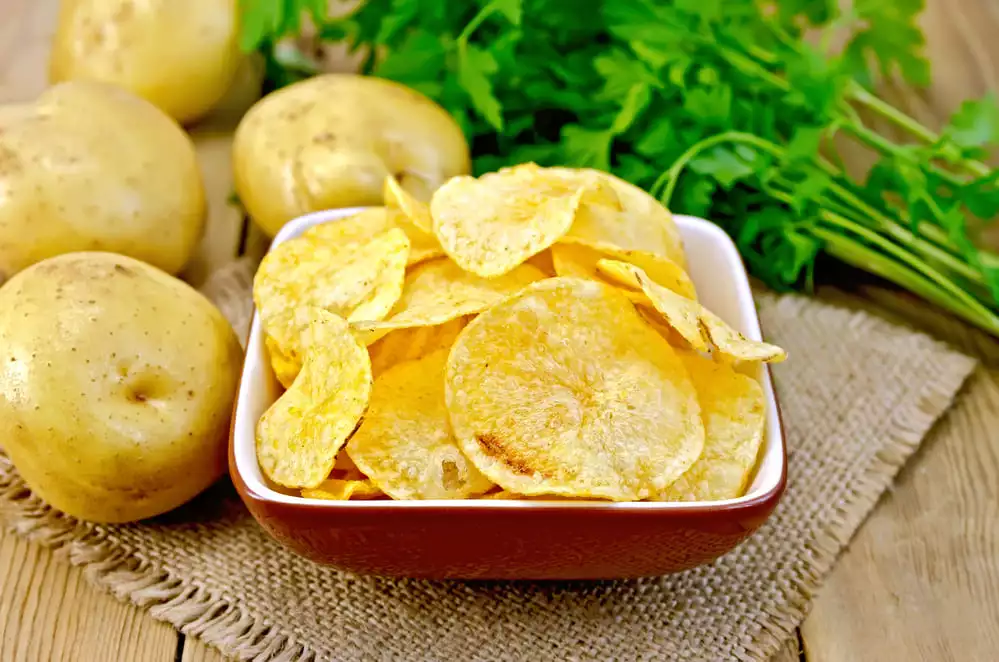
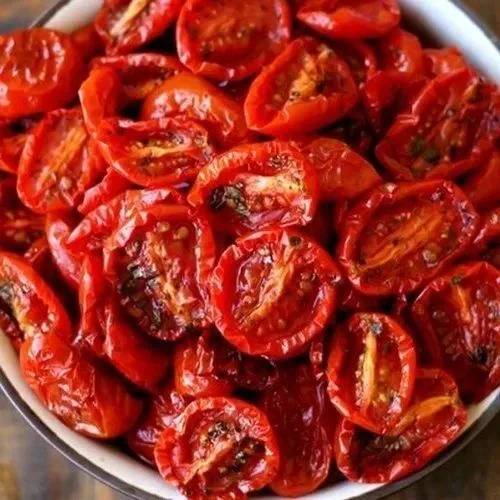
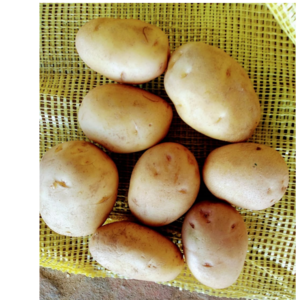
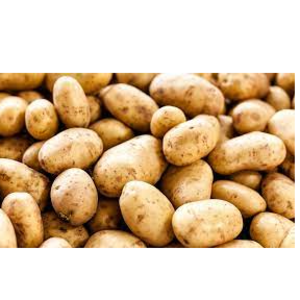
PT Anugerah Mandiri is based in Indonesia and currently lists 39 distinct products in its catalogue. The portfolio focuses on fresh vegetables such as potatoes, onions, tomatoes, garlic, carrots, and also includes fresh fruits like watermelon, papaya, and cantaloupe melon. Several entries are identified by specific product names, for example Atlantik Premium Kentucky Potatoes, Honey Baby Tess Potatoes, and Pino Multipurose Tomatoes. The catalogue also contains a roasted groundnut butter product (Savanna Butter Peanut) classified under HS code 2008.11, indicating a nuts‑based commodity. All items are presented as fresh produce or minimally processed food items suitable for export.
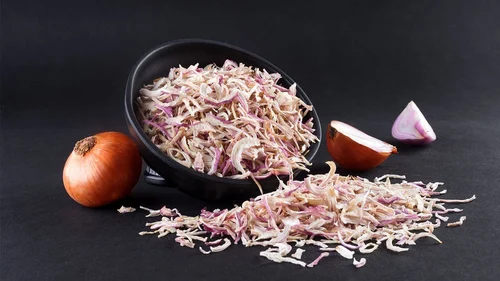
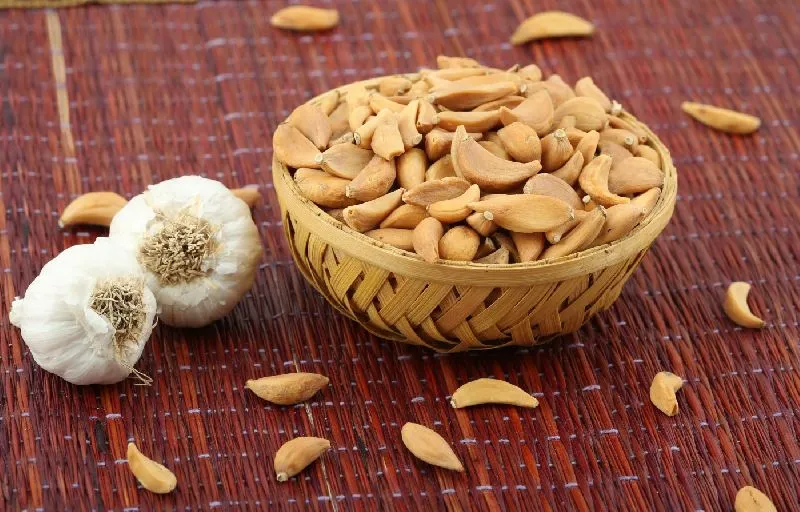
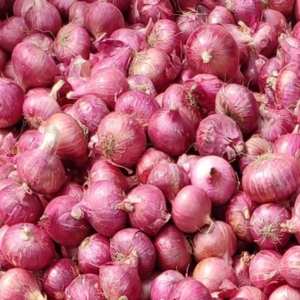
The product list spans multiple varieties of tubers - standard red potatoes, premium garlic, and Japanese sweet potatoes - each listed under its own brand name. Onion offerings include regional varieties such as Onion Askip Original From Brebes and AM Red Onion Pack, while tomato selections cover Clarisa Premium Tomatoes and Salsa Healthy Tomatoes. Fruit entries feature Clivora Cantaloupe Melon and Prime Papaya. The supplier also includes non‑food items such as a dining table, but the primary export focus remains on the 39 fresh‑produce items. Each product is associated with its relevant HS chapter, for example HS 0701 for potatoes, HS 0703 for onions and garlic, HS 0702 for tomatoes, HS 0806 for melons, and HS 0805 for papaya.
Product Range and Specialties of PT Anugerah Mandiri
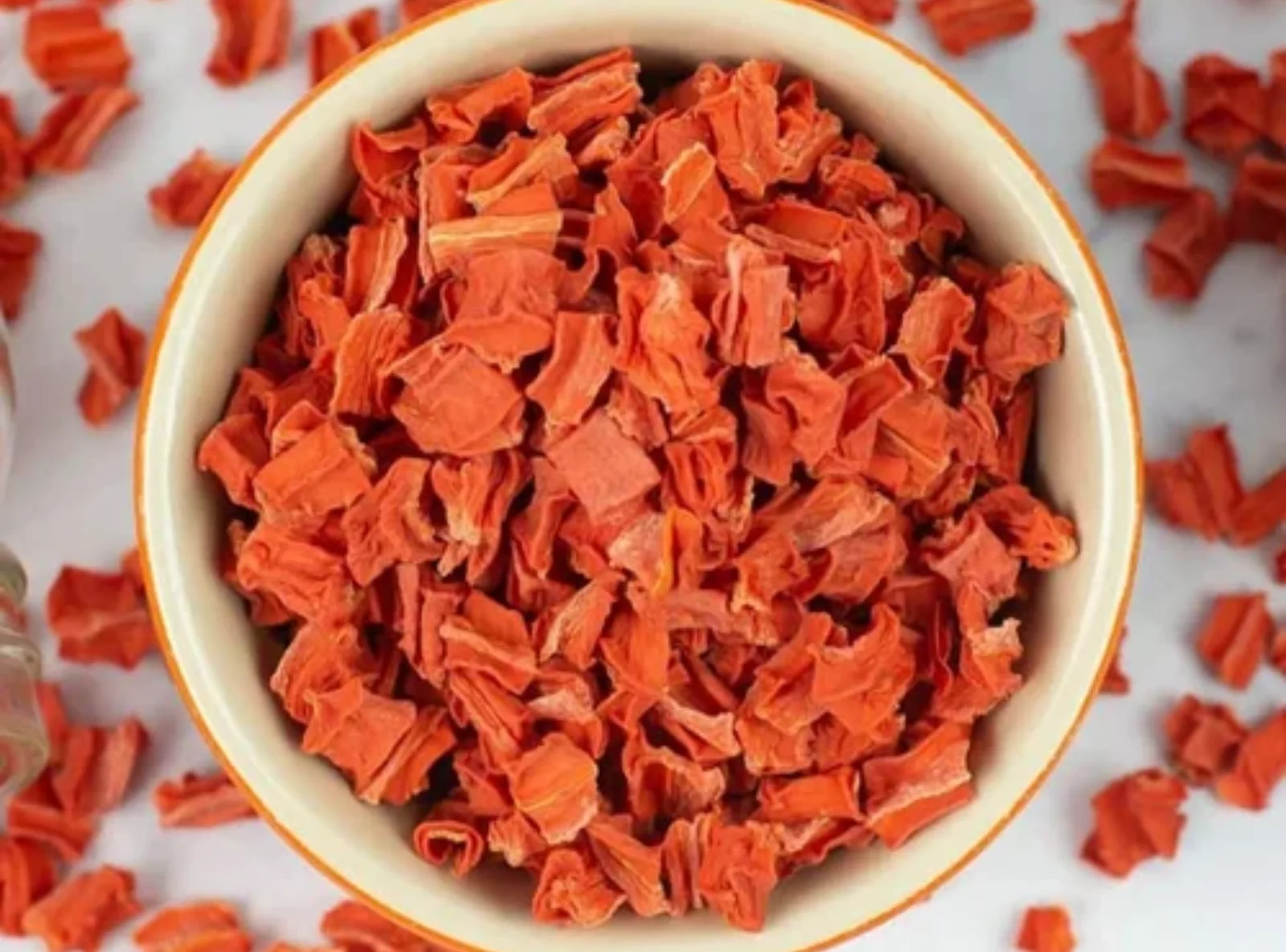
The catalogue’s fresh‑produce range aligns with common export standards for Indonesian horticulture. Potatoes (HS 0701) are typically graded by size and shape, with USDA or EU size categories ranging from small (≤55 mm) to large (≥70 mm), and buyers often require a moisture content below 18 % and a sprout‑free condition. Tomatoes (HS 0702) are usually classified by diameter (e.g., 45 - 55 mm for standard) and colour uniformity, with GlobalGAP or ISO 22000 certifications expected for food safety. Onions and garlic (HS 0703) are graded by bulb size, dry matter (≥80 % for onions, ≤12 % moisture for garlic) and are frequently inspected for pesticide residues. Carrots (HS 0706) follow similar size and colour grading, with a typical acceptable moisture level of 8 - 10 %. The roasted groundnut butter (HS 2008.11) is a processed nut product, commonly required to meet aflatoxin limits (≤10 µg kg⁻¹) and moisture below 5 %.
In addition to the fresh vegetable and fruit items, the supplier’s fruit offerings such as cantaloupe melon (HS 0806) and papaya (HS 0805) are often shipped in 20 kg or 25 kg cartons, with a shelf life of 7 - 10 days under refrigerated conditions. Typical quality specifications include firmness, soluble solids content (Brix ≥10 for melons, ≥9 for papaya) and absence of external blemishes. Buyers frequently request certifications such as GlobalGAP, HACCP, and a phytosanitary certificate issued by the Indonesian Ministry of Agriculture to confirm compliance with international food‑safety standards.
Trade and Export Information - PT Anugerah Mandiri
Indonesia is a major exporter of tropical fresh produce, with the majority of shipments destined for the European Union, the Middle East, and East Asian markets such as China, Japan, and South Korea. The HS chapters represented in PT Anugerah Mandiri’s catalogue - 0701, 0702, 0703, 0706, 0805, 0806, and 2008 - are routinely inspected by customs authorities for phytosanitary compliance and may require fumigation or heat‑treatment certificates depending on the destination. Buyers typically import these goods in refrigerated containers (reefers) of 20 ft or 40 ft, maintaining a temperature of 0 °C to 4 °C for tubers and 4 °C to 8 °C for fruits, with optional insulated packaging for short‑haul air freight.
Commonly required certifications for Indonesian fresh produce include a phytosanitary certificate, ISO 22000 or HACCP food‑safety audit reports, and, where applicable, GlobalGAP accreditation. For the roasted groundnut butter, the HS 2008.11 product must comply with the Codex Alimentarius standards for aflatoxin and may be subject to additional import permits in the EU. Standard Incoterms used by Indonesian exporters are FOB Jakarta or CIF destination, with most logistics providers offering door‑to‑door service to major ports such as Rotterdam, Dubai, and Shanghai.
Sourcing from PT Anugerah Mandiri - Buyer Guidance
When sourcing from PT Anugerah Mandiri, buyers should request a recent phytosanitary certificate and any available GlobalGAP or ISO 22000 audit reports to verify compliance with food‑safety standards. For each vegetable or fruit, the buyer should confirm the size‑grade specifications, moisture limits, and pesticide‑residue test results (e.g., MRLs aligned with EU or US limits). Samples of representative lots are advisable before committing to larger volumes, especially for perishable items that require cold‑chain handling.
For the roasted groundnut butter, buyers must obtain an aflatoxin test report and verify that the product meets the HS 2008.11 description of roasted groundnuts, natural. Confirm packaging details - typically 25 kg or 50 kg polypropylene bags - and the proposed shipping method (reefer container or bulk cargo). Clarify lead times, minimum order quantities, and whether the supplier can provide a pre‑shipped inspection certificate from an accredited third‑party laboratory.
Frequently Asked Questions About PT Anugerah Mandiri
What HS codes are used for PT Anugerah Mandiri’s fresh produce?
The fresh‑produce items fall under HS 0701 for potatoes, 0702 for tomatoes, 0703 for onions and garlic, 0706 for carrots, 0805 for papaya, 0806 for cantaloupe melon, and the roasted groundnut butter is classified under HS 2008.11.
Which certifications should a buyer request for the vegetable and fruit items?
Buyers normally request a phytosanitary certificate, a GlobalGAP audit report, and a food‑safety certification such as ISO 22000 or HACCP to satisfy most import‑regulation requirements.
What are the typical quality specifications for the potatoes listed?
Potatoes are usually graded by size (small ≤55 mm, medium 55‑65 mm, large ≥70 mm), must have moisture below 18 %, be free of sprouts, and meet any destination‑specific pesticide‑residue limits.
How is the roasted groundnut butter packaged and what safety tests are required?
The butter is packed in sealed polypropylene bags of 25 kg or 50 kg. Buyers should obtain a moisture analysis (≤5 %) and an aflatoxin test (≤10 µg kg⁻¹) as part of the safety documentation.
What shipping methods are commonly used for these products?
Refrigerated (reefer) containers are standard for the fresh vegetables and fruits, typically 20 ft or 40 ft units kept at 0‑4 °C for tubers and 4‑8 °C for fruits. The groundnut butter can be shipped in dry containers under standard ambient conditions.
What documentation is needed for import into the European Union?
EU imports generally require a phytosanitary certificate, compliance with EU pesticide‑residue limits, and for nuts, an aflatoxin test report. Additional import permits may be needed for specific HS codes such as 2008.11.
What is the typical lead time and minimum order quantity for fresh produce orders?
Lead times for refrigerated fresh produce are usually 2‑4 weeks from order confirmation, depending on harvest schedules. Minimum order quantities often correspond to at least one 20 ft refrigerated container, but exact MOQ should be confirmed with the supplier for each product line.




 , Indonesia