PT. Anekajaya Surya Globalindo — Verified Supplier
About PT. Anekajaya Surya Globalindo - Coir Fiber Supplier in Indonesia
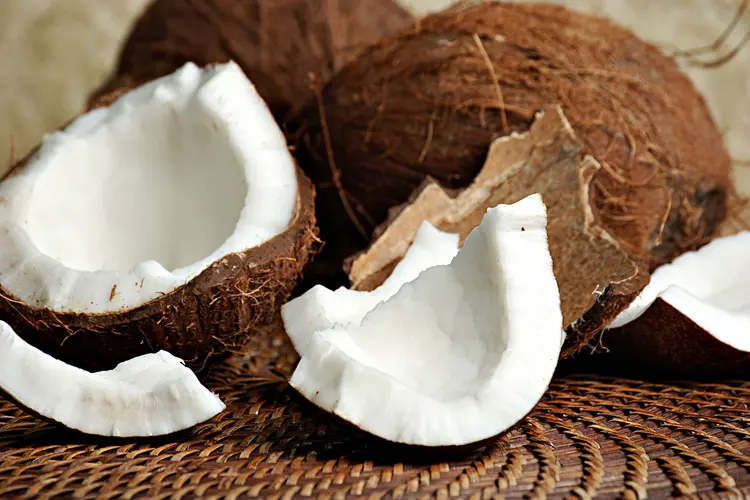
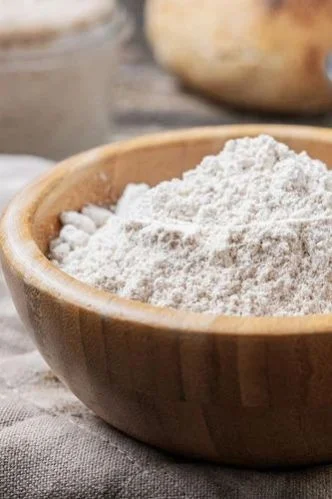
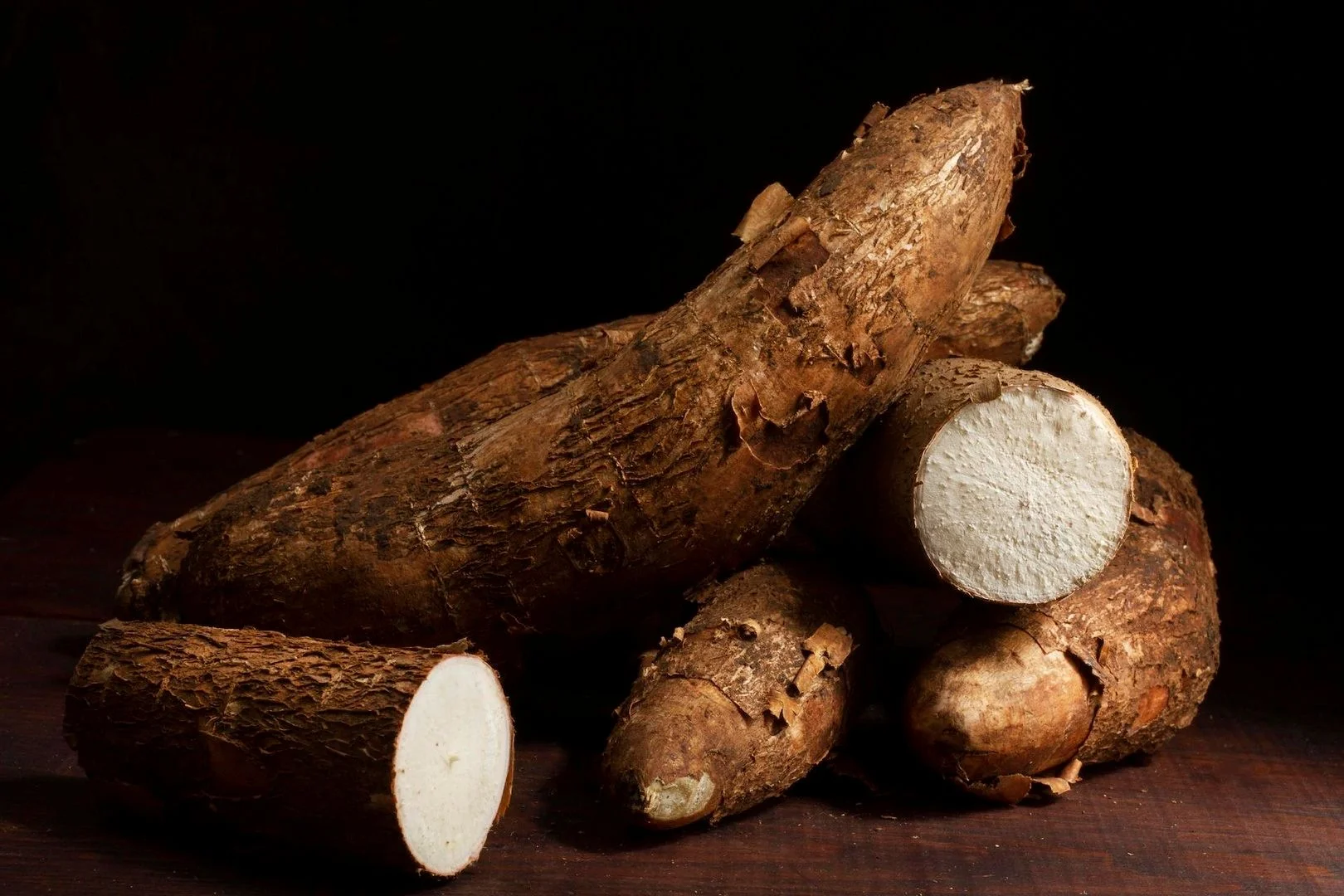
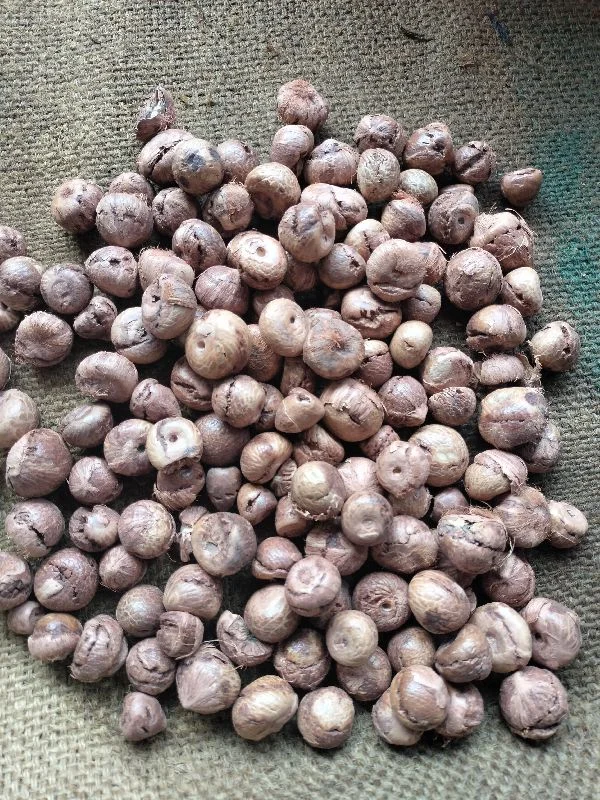
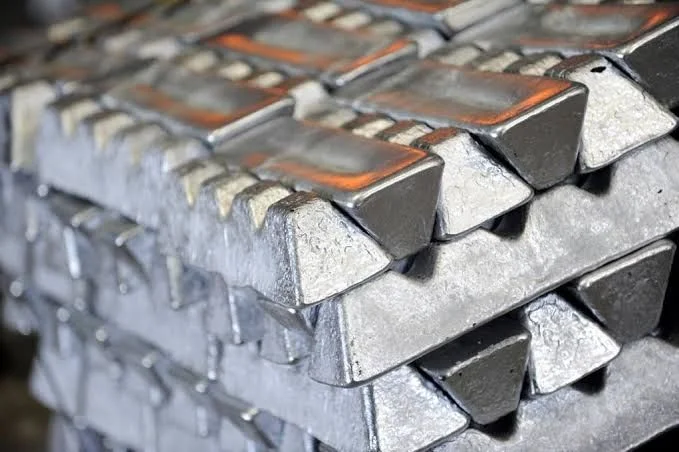
Indonesia‑based PT. Anekajaya Surya Globalindo lists ten active products across diverse commodity groups. The catalogue includes Coir / Cocofiber (HS 5305.11) derived from coconut fibre, Tapioca Starch Flour, Cassava Dried Chip (HS 0714.10) from Manihot esculenta roots, Dried Young Betel Nut (HS 0802.80) of Areca catechu, refined RBD Palm Olein used as cooking oil, Aluminum Ingot ADC12 (HS 7601.20) of the Al‑Si‑Cu die‑casting alloy, Sea Salt, Vanilla Beans, Coconut Semi‑Husked material and Palm Kernel Expeller. Each entry is tied to a specific HS‑code family where provided, reflecting the product’s customs classification.
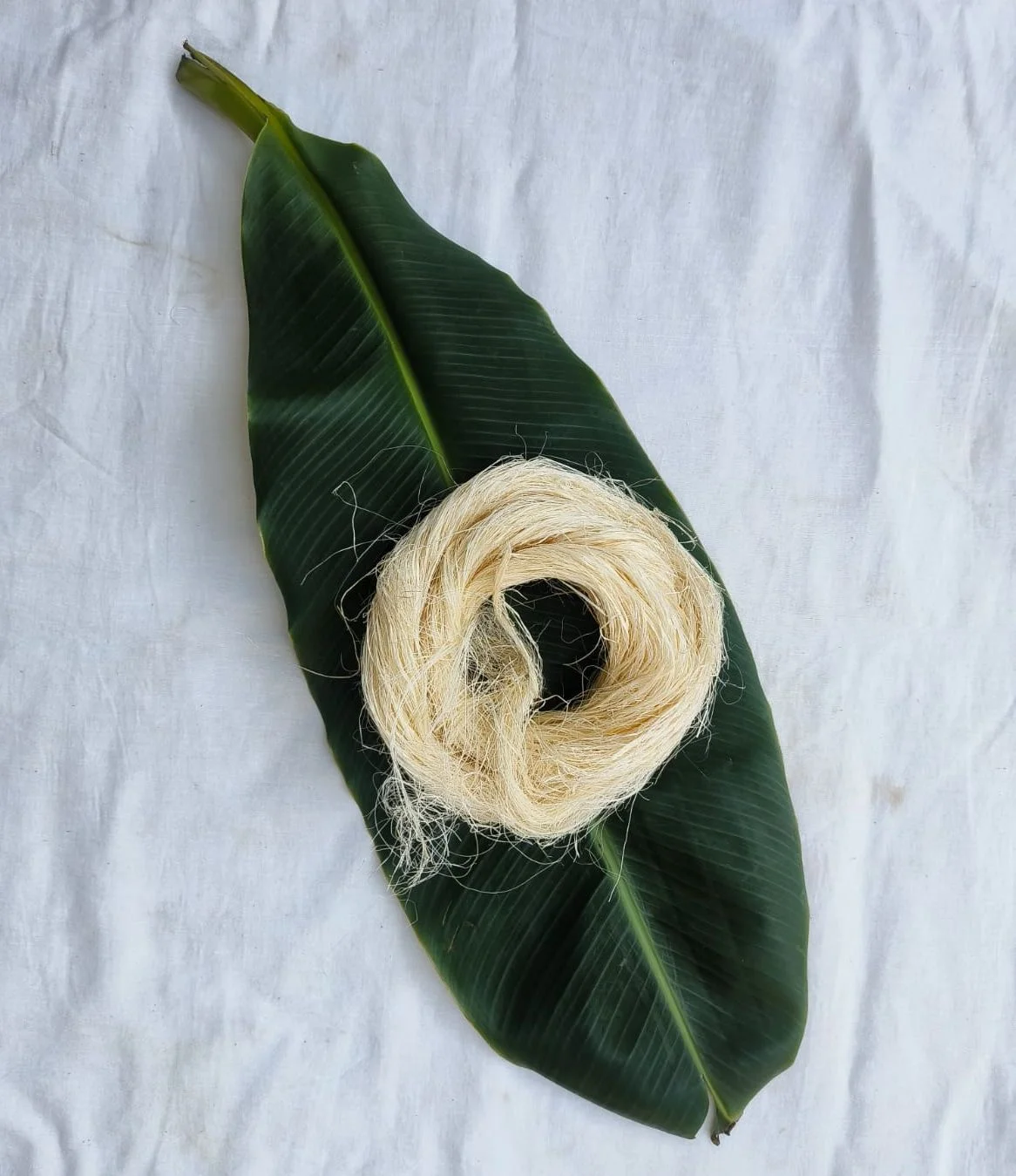
The listed items span agricultural, food‑grade and industrial raw material sectors. Coir fibre is described as coconut (Cocos nucifera) fibre, while the cassava chip material notes peeled or unpeeled fresh tubers. The betel nut entry specifies dried young areca nuts, and the vanilla entry references whole pods. The aluminum ingot is identified as the ADC12 alloy, a standard die‑casting grade. This range demonstrates the supplier’s focus on primary commodity exports rather than processed finished goods.
Product Range and Specialties of PT. Anekajaya Surya Globalindo
The coir fibre (HS 5305.11) is commonly supplied in grades ranging from 1 000 to 1 500 µm linear density, suitable for horticultural mats, geotextiles and rope. Buyers typically request moisture content below 12 % and a tensile strength of 30‑50 MPa. Tapioca starch flour is graded by purity (generally ≥ 98 % starch) and moisture ≤ 14 %, and is used in food formulations and biodegradable plastics. Cassava dried chips are exported with moisture 5‑8 % and particle size 2‑5 mm, serving animal feed and snack manufacturing. Dried young betel nuts are evaluated by kernel weight (≥ 2 g per nut) and moisture ≤ 10 %, a standard for chewing‑tobacco markets. RBD palm olein is usually specified with free fatty acid (FFA) ≤ 0.1 % and iodine value 45‑55, meeting cooking‑oil standards in Asia and the Middle East. Aluminum ingot ADC12 conforms to JIS‑A 6201, containing 90‑95 % Al, 9‑12 % Si and 0.5‑1 % Cu, and is shipped in 25 kg ingot blocks for die‑casting. Sea salt is exported with NaCl purity ≥ 97 % and moisture ≤ 0.5 %. Vanilla beans are graded by moisture ≤ 25 % and vanillin content 1‑2 % for flavoring applications. Palm kernel expeller, a high‑protein feed ingredient, is typically 15‑20 % protein and 50‑55 % oil content.
Trade and Export Information - PT. Anekajaya Surya Globalindo
Indonesia is a major exporter of coconut‑based fibre, cassava products, palm oil derivatives and mineral salts, with key destinations in Southeast Asia, the Middle East, Europe and the United States. HS 5305 (coir) shipments are often subject to phytosanitary certificates and may require treatment against pests for textile applications. Food‑grade items such as tapioca flour, cassava chips, betel nut, sea salt and vanilla usually need HACCP compliance, ISO 22000 or equivalent food‑safety documentation, as well as a Certificate of Origin for preferential duty rates. Aluminum ingots fall under HS 7601 and are typically inspected under the International Aluminum Institute standards, with assay certificates confirming alloy composition. Common logistics involve 20‑ft or 40‑ft containers for bulk agricultural goods, and specialized steel containers or pallets for metal ingots. Indonesian exporters frequently employ FOB or CIF Incoterms, and buyers should anticipate customs duties based on the HS‑code family and any applicable free‑trade agreements.
Sourcing from PT. Anekajaya Surya Globalindo - Buyer Guidance
When sourcing from PT. Anekajaya Surya Globalindo, request product specifications sheets that detail moisture, purity, particle size and, for metals, exact alloy composition. For food items, ask for recent laboratory analysis reports, HACCP or ISO 22000 certificates, and a phytosanitary certificate where required. Aluminum ingots should be accompanied by a mill test report and conformity to JIS‑A 6201 standards. Verify that the HS code on the commercial invoice matches the intended product and that packaging meets buyer‑specific requirements - e.g., bulk bags for cassava chips, sealed food‑grade containers for palm olein, and wooden crates for metal ingots. A sample shipment before full order can confirm compliance with moisture limits, FFA values or tensile strength, reducing risk of non‑conformity.
Frequently Asked Questions About PT. Anekajaya Surya Globalindo
What HS codes are used for the coir fibre and cassava chip products?
Coir / Cocofiber is classified under HS 5305.11, while Cassava Dried Chip falls under HS 0714.10 according to the supplier’s catalogue.
Which certifications should a buyer request for the tapioca starch flour?
Buyers should request a recent HACCP or ISO 22000 audit report, a laboratory analysis confirming ≥ 98 % starch purity, and a Certificate of Origin for customs clearance.
What are the typical moisture limits for the dried betel nut and sea salt?
Dried Young Betel Nut is usually shipped with moisture ≤ 10 %, and Sea Salt with moisture ≤ 0.5 % to meet food‑grade specifications.
How is the aluminum ingot ADC12 verified for quality?
The ingot should be supplied with a mill test report showing the alloy composition (Al 90‑95 %, Si 9‑12 %, Cu 0.5‑1 %) and compliance with JIS‑A 6201 standards.
What packaging is standard for palm kernel expeller?
Palm Kernel Expeller is commonly packed in bulk polypropylene bags of 1 ton capacity, sealed to protect against moisture ingress.
Which documents are required for customs clearance of vanilla beans?
A phytosanitary certificate, Certificate of Origin, and a laboratory analysis confirming moisture ≤ 25 % and vanillin content of 1‑2 % are typically required.
What container sizes are used for shipping the listed commodities?
20‑ft or 40‑ft standard containers are used for most agricultural products, while aluminum ingots are often shipped in 40‑ft containers on wooden pallets or in steel crates.
Are there any typical import restrictions for Indonesian sea salt?
Importers usually need to provide a salt purity certificate (≥ 97 % NaCl) and may be subject to a health‑related inspection under the destination country’s food‑safety regulations.




 , Indonesia