PT. Aksata Benua Samudera — Supplier
About PT. Aksata Benua Samudera - Charcoal Briquette Supplier in Indonesia
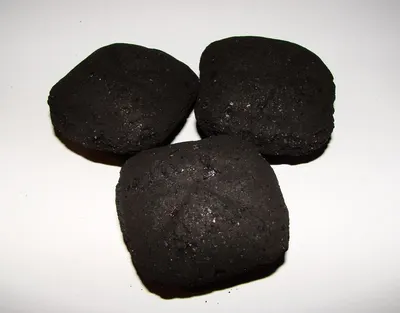
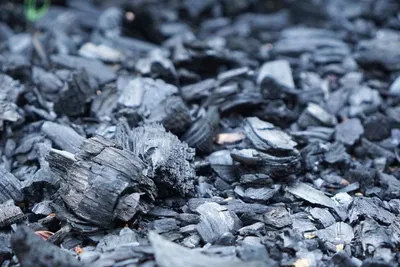
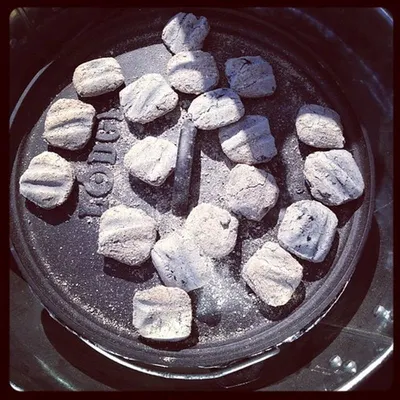
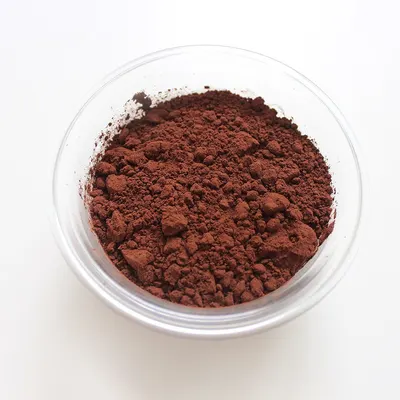
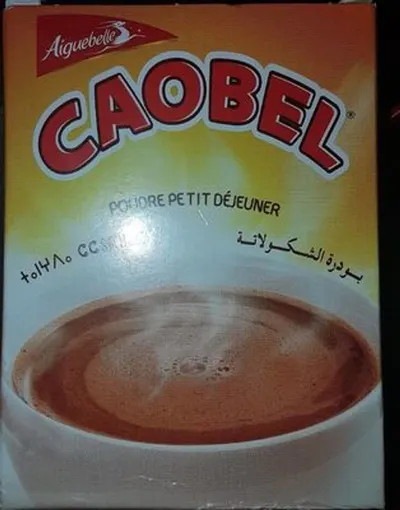
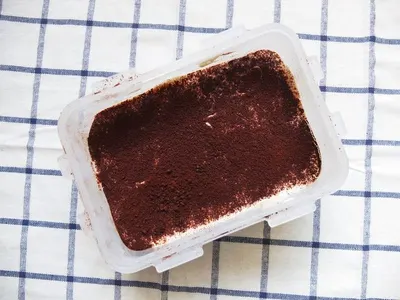
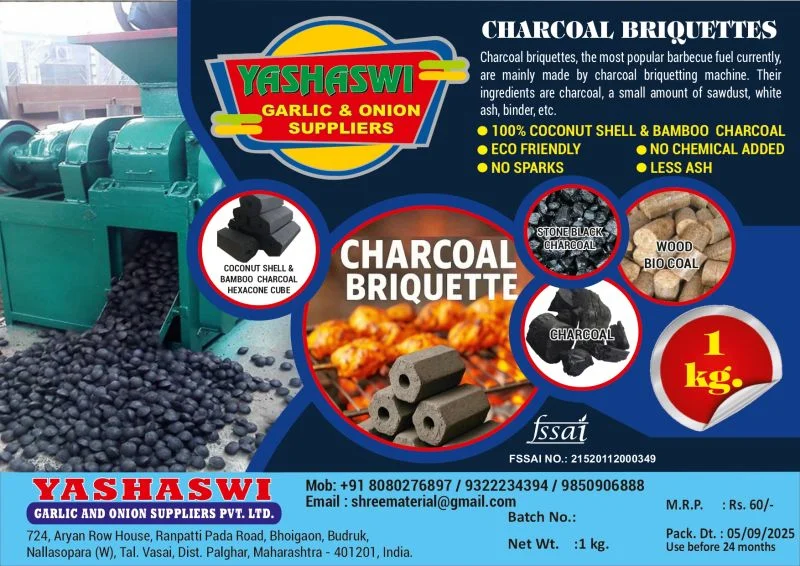
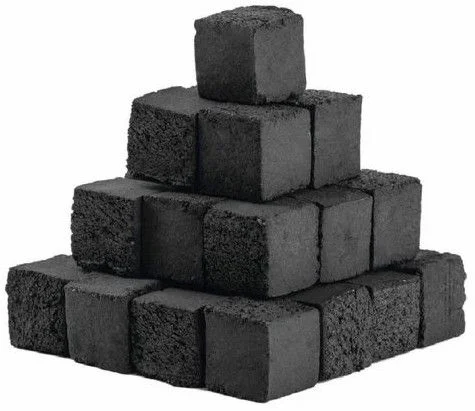
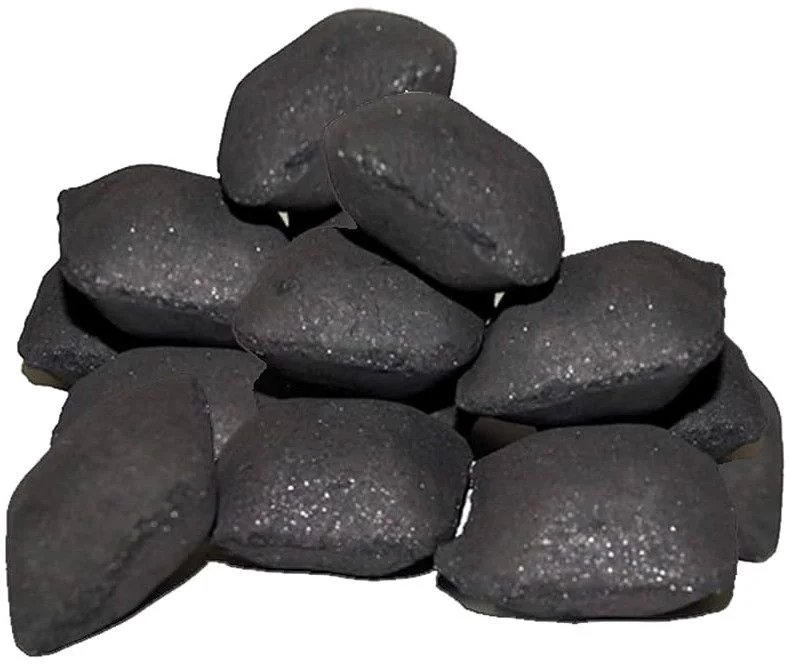
PT. Aksata Benua Samudera operates from Indonesia and currently lists eight active products. The catalogue is divided between two core categories: charcoal briquettes and cocoa powder. Within the charcoal line the company offers standard briquettes, a premium grade, a super‑premium grade and a barbecue‑specific variant. The cocoa powder segment includes four designations - HGA, HGN, SGA and B - that reflect different processing or flavor profiles. All items are presented under the supplier’s own catalogue without reference to external certifications or client names.
Indonesia is a major exporter of both solid fuels and cocoa derivatives, and the products from PT. Aksata Benua Samudera fall under the typical HS code families for these goods. Charcoal briquettes are generally classified under HS 4401, while cocoa powder is usually recorded under HS 1806. Buyers in Europe, the Middle East and Southeast Asia commonly source these categories from Indonesian producers. The supplier’s eight‑product offering aligns with standard export documentation and customs procedures for these HS chapters.
Product Range and Specialties of PT. Aksata Benua Samudera
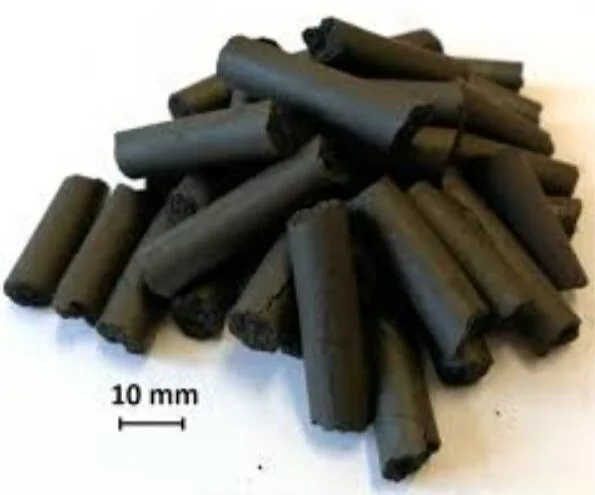
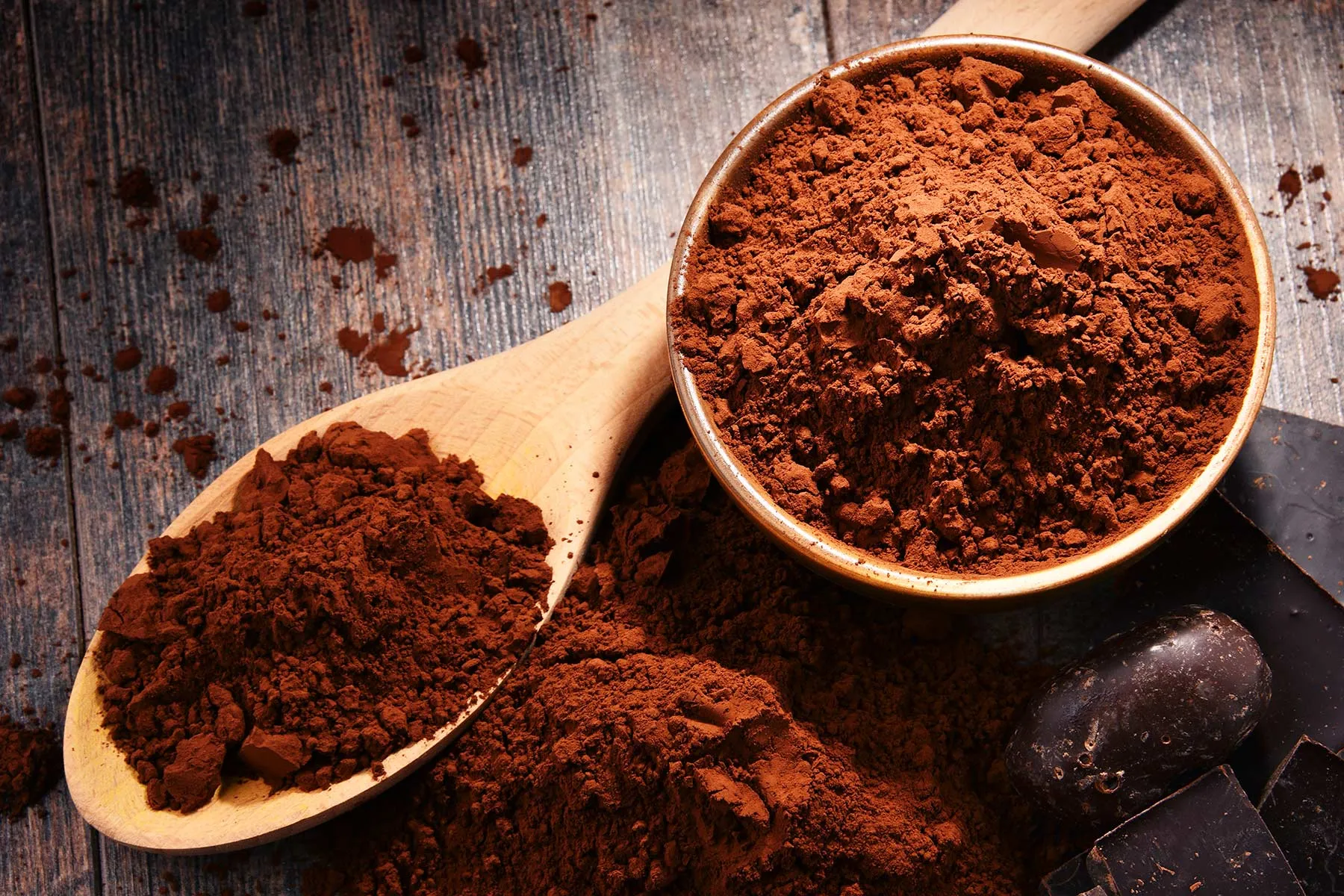
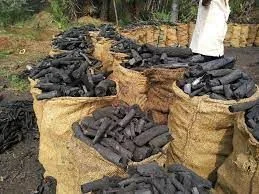
The supplier’s catalogue lists four charcoal briquette types - standard, Premium, Super Premium and Barbeque - each intended for different end‑use environments such as household heating, industrial fuel or grilling applications. In the cocoa segment the four products - HGA, HGN, SGA and B - correspond to variations in fat content, processing level and flavor intensity that are familiar to food manufacturers. Industry standards for charcoal briquettes typically specify a bulk density of 0.45‑0.55 t/m³, moisture below 5 % and a calorific value around 28 MJ kg‑1. Cocoa powder grades are commonly measured by ICUMSA colour values (e.g., ICUMSA 45 for natural cocoa, ICUMSA 90 for lower‑fat Dutch‑process) and fat content ranging from 0.5 % to 2.5 %. Packaging for charcoal often uses 25 kg polypropylene bags or bulk bulk‑bag containers, while cocoa powder is usually packed in 25 kg or 50 kg food‑grade bags suitable for container loading.
Trade and Export Information - PT. Aksata Benua Samudera
Indonesia’s charcoal export market primarily serves industrial and domestic heating users in South‑East Asia, the Middle East and parts of Europe, where the fuel’s low ash and high calorific value are valued. Cocoa powder from Indonesia is directed to confectionery, bakery and beverage manufacturers in the EU, the United States and East Asia, with buyers typically requiring compliance with ISO 22000, HACCP and, where applicable, Fairtrade or organic certifications. Standard HS codes for these categories are 4401 for charcoal briquettes and 1806 for cocoa powder, and customs authorities often request a Certificate of Origin and a commercial invoice detailing net weight and packaging. Common Incoterms used by Indonesian exporters include FOB Jakarta or CIF Rotterdam, with cargo typically shipped in 20‑ft or 40‑ft containers depending on order size.
Sourcing from PT. Aksata Benua Samudera - Buyer Guidance
When sourcing charcoal briquettes from PT. Aksata Benua Samudera, buyers should request a product data sheet that includes bulk density, moisture content, size distribution (e.g., 12‑15 mm) and calorific value measured by bomb calorimetry. For cocoa powder, a Certificate of Analysis should detail ICUMSA colour, fat content, moisture level and any heavy‑metal limits in line with EU food‑safety standards. Buyers are advised to confirm the presence of any third‑party food‑safety certifications (ISO 22000, HACCP) and to obtain sample packs for laboratory verification before confirming larger shipments.
Frequently Asked Questions About PT. Aksata Benua Samudera
What charcoal briquette variants does PT. Aksata Benua Samudera provide?
The supplier lists four variants: standard Charcoal Briquettes, Charcoal Briquettes Premium, Charcoal Briquettes Super Premium and Charcoal Briquettes Barbeque. Each is positioned for different combustion needs such as household heating, high‑temperature industrial use or grilling.
What are the typical specifications for the listed charcoal briquettes?
Industry specifications for these briquettes usually include a bulk density of 0.45‑0.55 t/m³, moisture content under 5 % and a calorific value near 28 MJ kg‑1. Size grades are commonly 12‑15 mm in diameter, which matches the supplier’s product descriptions.
Which cocoa powder types are available from PT. Aksata Benua Samudera?
The catalogue contains four cocoa powders: HGA, HGN, SGA and B. These designations typically reflect differences in processing level, fat content and colour intensity that buyers use to match specific food‑product formulations.
What quality parameters should buyers check for the cocoa powders?
Buyers should verify ICUMSA colour values (e.g., ICUMSA 45 for natural cocoa), fat content (0.5‑2.5 %), moisture below 5 % and compliance with heavy‑metal limits set by EU food‑safety regulations. A Certificate of Analysis from the supplier is standard practice.
Which certifications are commonly required for charcoal and cocoa powder imports?
Importers usually request ISO 9001 or FSC certification for charcoal to confirm sustainable sourcing, and ISO 22000, HACCP or Fairtrade certificates for cocoa powder to satisfy food‑safety and ethical standards. Buyers should ask PT. Aksata Benua Samudera to provide copies of any such certifications.
What packaging formats are used for these products?
Charcoal briquettes are typically packed in 25 kg polypropylene bags or bulk‑bag containers suitable for container loading. Cocoa powder is commonly shipped in 25 kg or 50 kg food‑grade multi‑layer bags that meet hygiene requirements.
What are the usual lead times and minimum order quantities?
For Indonesian exporters, lead times for charcoal briquettes range from 15‑30 days after order confirmation, while cocoa powder often requires 20‑35 days due to quality testing. Minimum order quantities are generally one 20‑ft container for each product line, but exact figures should be confirmed with the supplier.
Which HS codes are typically applied to these product categories?
Charcoal briquettes fall under HS Chapter 44, specifically code 4401, whereas cocoa powder is classified under HS Chapter 18, code 1806. These codes are used in customs documentation for shipments originating from Indonesia.




 , Indonesia