Phoenix Leders — Verified Supplier

About Phoenix Leders - Cow Leather Supplier in India

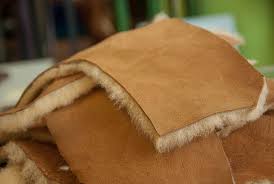
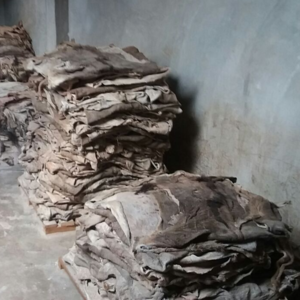
India‑based Phoenix Leders lists five active leather products. The catalogue includes Goat Articles, Cow Leather, Buff Leathers, Split Leather and Sheep Articles, covering the broader categories of Cow Leather, Split Leather and Animal By‑Products as indicated in the supplier’s top categories. Each entry falls under the leather HS‑code families (4101‑4109) that are used for raw hides and skins in international trade. The supplier’s portfolio therefore spans full‑grain cow hides, split leather sheets and various small‑animal skins used for upholstery, fashion accessories and industrial applications. The product set reflects typical Indian leather export profiles, where raw and semi‑finished hides are shipped in bulk rolls or folded sheets. Phoenix Leders does not disclose specific processing grades, but the listed items map to standard industry classifications such as top‑grain, full‑grain and split leather, which are differentiated by grain surface, thickness and finishing treatment. All five items are presented without additional proprietary certifications in the supplied data.

Product Range and Specialties of Phoenix Leders

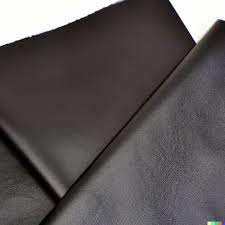
The catalogue shows Goat Articles, Cow Leather, Buff Leathers, Split Leather and Sheep Articles. In the leather trade, goat and sheep skins are often supplied in grades ranging from 1.0 mm to 1.4 mm thickness for garment linings, while buff leather typically appears in 1.5 mm to 2.2 mm thickness for heavy‑duty upholstery. Cow leather is commonly offered in full‑grain (grain side intact) and top‑grain (sanded surface) grades, with typical tensile strength of 30 - 40 MPa and moisture content below 12 %. Split leather, representing the fibrous layer beneath the grain, is usually supplied in 0.8 mm to 1.2 mm thickness for shoe uppers or automotive interiors. Standard industry specifications such as ISO 9001 quality management, REACH compliance for chromium content, and leather grading systems (e.g., A‑grade, B‑grade) are typical for these product types.

Trade and Export Information - Phoenix Leders

India is a major exporter of raw and semi‑finished leather, with the majority of shipments destined for the European Union, United States, Middle East and Southeast Asian markets. Leather products fall under HS Chapter 41 (4101‑4109), which requires customs documentation on origin, treatment method and any chemical tanning agents used. Importers commonly request certificates of conformity to REACH and ISO 14001 for environmental management, as well as test reports confirming chromium VI levels below 0.1 mg/kg. Standard export packaging includes sealed wooden crates or bulk rolls wrapped in breathable film, sized for 20‑ft or 40‑ft containers. Typical Incoterms used by Indian leather exporters are FOB Mumbai or CFR Dubai, depending on buyer preference.

Sourcing from Phoenix Leders - Buyer Guidance

Buyers should request physical samples of each leather type to verify grain quality, thickness and colour consistency before placing bulk orders. Request laboratory test reports for chromium content, moisture level and tensile strength, as these parameters are routinely inspected by downstream manufacturers. Verify that the supplier can provide REACH or equivalent chemical compliance documentation, and confirm the presence of any ISO quality management certificates. Clarify the minimum order quantity, which for raw hides is often expressed in square metres or in weight (e.g., 1,000 kg per shipment), and obtain lead‑time estimates for tanning, finishing and container loading.

Frequently Asked Questions About Phoenix Leders

What leather grades are available from Phoenix Leders?

The catalogue lists full‑grain cow leather, top‑grain cow leather, split leather, and small‑animal skins such as goat and sheep, which correspond to industry grades ranging from A‑grade (finest grain) to B‑grade (lower grain) based on surface quality and thickness.

Which HS codes apply to the listed products?

All items fall under HS Chapter 41, specifically codes 4101 (raw hides) to 4109 (other leather goods), which are used for customs clearance of raw and semi‑finished leather.

What certifications should a buyer request?

Buyers typically request REACH compliance certificates, ISO 9001 quality management proof, and laboratory test reports for chromium VI limits and moisture content.

How are the leathers packaged for export?

Standard practice is sealed wooden crates or bulk rolls wrapped in breathable film, sized to fit 20‑ft or 40‑ft containers, with moisture‑absorbing liners to prevent fungal growth.

What is the typical lead time for an order?

Lead times generally range from 30 to 45 days after order confirmation, covering tanning, grading, quality inspection and container loading.

What minimum order quantities apply?

Minimum orders are usually expressed in weight, such as 1,000 kg per shipment, or in square metres for finished leather sheets, depending on the specific product.

Which markets import Indian leather most frequently?

The European Union, United States, Middle East and Southeast Asian countries are the primary import destinations for Indian raw and semi‑finished leather.

Can samples be provided before a full order?

Suppliers typically send small sample swatches or cuttings of each leather type upon request, allowing buyers to assess grain, colour and physical properties before committing to larger volumes.


Other Suppliers in Animal By Products

Top Trusted Suppliers

Related Products in Animal By Products

Trending in Parent Category

More Suppliers in Parent Category

Related Products

Other Suppliers

EximNext
58.5K+ live requirements
Register Free🎁 Reach verified global buyers
Post Requirement
🌍 Trusted by 224.6K+ businesses in 200+ countries|
58.5K+ active requirements right now
✉️ [email protected]
|
Sell on EximNextPost Requirement
EximNext
AgricultureApparelConstructionElectronicFoodHomeIndustrialMineralsMiscellaneous
🔥 Deals|✨ AI Match|🏭 Suppliers|📋 Buy Leads|💰 Trade Finance
58.5K+ live RFQs·194.6K+ suppliers
🎁 Reach global buyers →
EximNext
EximNext
Register Free
🎁 Reach verified global buyers
Sign In
📋Post Requirement💬Get QuotesAI Match📋RFQ Marketplace
All Categories
Services & Tools
🏭Supplier Directory🔥Today's Deals💰Trade Finance
Sell on EximNext
AboutContactBlogHelp
🏭

Phoenix Leders

Harbor
Country flag , India
🛡️
55/100
Trust Score

Phoenix Leders Product Catalog

Showing 5 of 5 products
View all products →
Sheep Articles
Harbor
Sheep Articles
Contact
MOQ: 1 Unit
Split Leather
Harbor
Split Leather
Contact
MOQ: 1 Unit
Buff Leathers
Harbor
Buff Leathers
Contact
MOQ: 1 Unit
Cow Leather
Harbor
Cow Leather
Contact
MOQ: 1 Unit
Goat Articles
Harbor
Goat Articles
Contact
MOQ: 1 Unit

About Phoenix Leders - Cow Leather Supplier in India

India‑based Phoenix Leders lists five active leather products. The catalogue includes Goat Articles, Cow Leather, Buff Leathers, Split Leather and Sheep Articles, covering the broader categories of Cow Leather, Split Leather and Animal By‑Products as indicated in the supplier’s top categories. Each entry falls under the leather HS‑code families (4101‑4109) that are used for raw hides and skins in international trade. The supplier’s portfolio therefore spans full‑grain cow hides, split leather sheets and various small‑animal skins used for upholstery, fashion accessories and industrial applications. The product set reflects typical Indian leather export profiles, where raw and semi‑finished hides are shipped in bulk rolls or folded sheets. Phoenix Leders does not disclose specific processing grades, but the listed items map to standard industry classifications such as top‑grain, full‑grain and split leather, which are differentiated by grain surface, thickness and finishing treatment. All five items are presented without additional proprietary certifications in the supplied data.

Product Range and Specialties of Phoenix Leders

The catalogue shows Goat Articles, Cow Leather, Buff Leathers, Split Leather and Sheep Articles. In the leather trade, goat and sheep skins are often supplied in grades ranging from 1.0 mm to 1.4 mm thickness for garment linings, while buff leather typically appears in 1.5 mm to 2.2 mm thickness for heavy‑duty upholstery. Cow leather is commonly offered in full‑grain (grain side intact) and top‑grain (sanded surface) grades, with typical tensile strength of 30 - 40 MPa and moisture content below 12 %. Split leather, representing the fibrous layer beneath the grain, is usually supplied in 0.8 mm to 1.2 mm thickness for shoe uppers or automotive interiors. Standard industry specifications such as ISO 9001 quality management, REACH compliance for chromium content, and leather grading systems (e.g., A‑grade, B‑grade) are typical for these product types.

Trade and Export Information - Phoenix Leders

India is a major exporter of raw and semi‑finished leather, with the majority of shipments destined for the European Union, United States, Middle East and Southeast Asian markets. Leather products fall under HS Chapter 41 (4101‑4109), which requires customs documentation on origin, treatment method and any chemical tanning agents used. Importers commonly request certificates of conformity to REACH and ISO 14001 for environmental management, as well as test reports confirming chromium VI levels below 0.1 mg/kg. Standard export packaging includes sealed wooden crates or bulk rolls wrapped in breathable film, sized for 20‑ft or 40‑ft containers. Typical Incoterms used by Indian leather exporters are FOB Mumbai or CFR Dubai, depending on buyer preference.

Sourcing from Phoenix Leders - Buyer Guidance

Buyers should request physical samples of each leather type to verify grain quality, thickness and colour consistency before placing bulk orders. Request laboratory test reports for chromium content, moisture level and tensile strength, as these parameters are routinely inspected by downstream manufacturers. Verify that the supplier can provide REACH or equivalent chemical compliance documentation, and confirm the presence of any ISO quality management certificates. Clarify the minimum order quantity, which for raw hides is often expressed in square metres or in weight (e.g., 1,000 kg per shipment), and obtain lead‑time estimates for tanning, finishing and container loading.

Frequently Asked Questions About Phoenix Leders

What leather grades are available from Phoenix Leders?

The catalogue lists full‑grain cow leather, top‑grain cow leather, split leather, and small‑animal skins such as goat and sheep, which correspond to industry grades ranging from A‑grade (finest grain) to B‑grade (lower grain) based on surface quality and thickness.

Which HS codes apply to the listed products?

All items fall under HS Chapter 41, specifically codes 4101 (raw hides) to 4109 (other leather goods), which are used for customs clearance of raw and semi‑finished leather.

What certifications should a buyer request?

Buyers typically request REACH compliance certificates, ISO 9001 quality management proof, and laboratory test reports for chromium VI limits and moisture content.

How are the leathers packaged for export?

Standard practice is sealed wooden crates or bulk rolls wrapped in breathable film, sized to fit 20‑ft or 40‑ft containers, with moisture‑absorbing liners to prevent fungal growth.

What is the typical lead time for an order?

Lead times generally range from 30 to 45 days after order confirmation, covering tanning, grading, quality inspection and container loading.

What minimum order quantities apply?

Minimum orders are usually expressed in weight, such as 1,000 kg per shipment, or in square metres for finished leather sheets, depending on the specific product.

Which markets import Indian leather most frequently?

The European Union, United States, Middle East and Southeast Asian countries are the primary import destinations for Indian raw and semi‑finished leather.

Can samples be provided before a full order?

Suppliers typically send small sample swatches or cuttings of each leather type upon request, allowing buyers to assess grain, colour and physical properties before committing to larger volumes.

About Phoenix Leders - Cow Leather Supplier in India

India‑based Phoenix Leders lists five active leather products. The catalogue includes Goat Articles, Cow Leather, Buff Leathers, Split Leather and Sheep Articles, covering the broader categories of Cow Leather, Split Leather and Animal By‑Products as indicated in the supplier’s top categories. Each entry falls under the leather HS‑code families (4101‑4109) that are used for raw hides and skins in international trade. The supplier’s portfolio therefore spans full‑grain cow hides, split leather sheets and various small‑animal skins used for upholstery, fashion accessories and industrial applications. The product set reflects typical Indian leather export profiles, where raw and semi‑finished hides are shipped in bulk rolls or folded sheets. Phoenix Leders does not disclose specific processing grades, but the listed items map to standard industry classifications such as top‑grain, full‑grain and split leather, which are differentiated by grain surface, thickness and finishing treatment. All five items are presented without additional proprietary certifications in the supplied data.

Product Range and Specialties of Phoenix Leders

The catalogue shows Goat Articles, Cow Leather, Buff Leathers, Split Leather and Sheep Articles. In the leather trade, goat and sheep skins are often supplied in grades ranging from 1.0 mm to 1.4 mm thickness for garment linings, while buff leather typically appears in 1.5 mm to 2.2 mm thickness for heavy‑duty upholstery. Cow leather is commonly offered in full‑grain (grain side intact) and top‑grain (sanded surface) grades, with typical tensile strength of 30 - 40 MPa and moisture content below 12 %. Split leather, representing the fibrous layer beneath the grain, is usually supplied in 0.8 mm to 1.2 mm thickness for shoe uppers or automotive interiors. Standard industry specifications such as ISO 9001 quality management, REACH compliance for chromium content, and leather grading systems (e.g., A‑grade, B‑grade) are typical for these product types.

Trade and Export Information - Phoenix Leders

India is a major exporter of raw and semi‑finished leather, with the majority of shipments destined for the European Union, United States, Middle East and Southeast Asian markets. Leather products fall under HS Chapter 41 (4101‑4109), which requires customs documentation on origin, treatment method and any chemical tanning agents used. Importers commonly request certificates of conformity to REACH and ISO 14001 for environmental management, as well as test reports confirming chromium VI levels below 0.1 mg/kg. Standard export packaging includes sealed wooden crates or bulk rolls wrapped in breathable film, sized for 20‑ft or 40‑ft containers. Typical Incoterms used by Indian leather exporters are FOB Mumbai or CFR Dubai, depending on buyer preference.

Sourcing from Phoenix Leders - Buyer Guidance

Buyers should request physical samples of each leather type to verify grain quality, thickness and colour consistency before placing bulk orders. Request laboratory test reports for chromium content, moisture level and tensile strength, as these parameters are routinely inspected by downstream manufacturers. Verify that the supplier can provide REACH or equivalent chemical compliance documentation, and confirm the presence of any ISO quality management certificates. Clarify the minimum order quantity, which for raw hides is often expressed in square metres or in weight (e.g., 1,000 kg per shipment), and obtain lead‑time estimates for tanning, finishing and container loading.

Frequently Asked Questions About Phoenix Leders
What leather grades are available from Phoenix Leders?
The catalogue lists full‑grain cow leather, top‑grain cow leather, split leather, and small‑animal skins such as goat and sheep, which correspond to industry grades ranging from A‑grade (finest grain) to B‑grade (lower grain) based on surface quality and thickness.
Which HS codes apply to the listed products?
All items fall under HS Chapter 41, specifically codes 4101 (raw hides) to 4109 (other leather goods), which are used for customs clearance of raw and semi‑finished leather.
What certifications should a buyer request?
Buyers typically request REACH compliance certificates, ISO 9001 quality management proof, and laboratory test reports for chromium VI limits and moisture content.
How are the leathers packaged for export?
Standard practice is sealed wooden crates or bulk rolls wrapped in breathable film, sized to fit 20‑ft or 40‑ft containers, with moisture‑absorbing liners to prevent fungal growth.
What is the typical lead time for an order?
Lead times generally range from 30 to 45 days after order confirmation, covering tanning, grading, quality inspection and container loading.
What minimum order quantities apply?
Minimum orders are usually expressed in weight, such as 1,000 kg per shipment, or in square metres for finished leather sheets, depending on the specific product.
Which markets import Indian leather most frequently?
The European Union, United States, Middle East and Southeast Asian countries are the primary import destinations for Indian raw and semi‑finished leather.
Can samples be provided before a full order?
Suppliers typically send small sample swatches or cuttings of each leather type upon request, allowing buyers to assess grain, colour and physical properties before committing to larger volumes.

🏭
Phoenix Leders
Country flag , India
Harbor
55/100
Trust Score
📦
5
Products
Free to contact — no commission
Escrow payment available
Verified business identity
Compare more suppliers
Post a requirement — get 10 quotes free
Let verified suppliers compete for your business. Free, fast, no commitment.
EximNext Verified Supplier
Business identity verified
Physical address confirmed
Financial history checked
Certifications authenticated
Trade references validated
Due Diligence
Verify this supplier's real shipping history.
Every shipment, every buyer, every port. Trade data that can't be faked.
Run due diligence →
Discover More

Related Suppliers & Products

Explore similar suppliers, related products and trending categories

Other Suppliers in Animal By Products

Top Trusted Suppliers

Related Products in Animal By Products

Trending in Parent Category

More Suppliers in Parent Category

Stay ahead in global trade
Weekly market insights & new supplier alerts.
EximNext
Exim Next is a leading global B2B marketplace, connecting over 205,000 verified suppliers and buyers across 200+ countries. As a trusted import export marketplace, it serves as the essential B2B portal for businesses worldwide, empowering them to expand their international reach. With Exim Next, businesses can trade smarter and grow faster.
SECURE PAYMENTS
VISAMastercardPayPalSWIFTL/CEscrow
Follow us
© 2026 EximNext