Phenix Enterprise — Verified Supplier
About Phenix Enterprise - Bentonite Supplier in India
Phenix Enterprise is based in India, with its primary location in the region, and offers 6 active products. The company lists a range of products including Bentonite, Construction Aggregate, Silica Sand, Laterite, Granulated Blast Furnace Slag, and Fly Ash, with HS codes ranging from 2505.10 to 2621.19. These products are typically used in various industries such as construction, manufacturing, and mining.
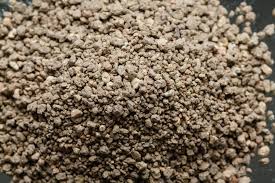
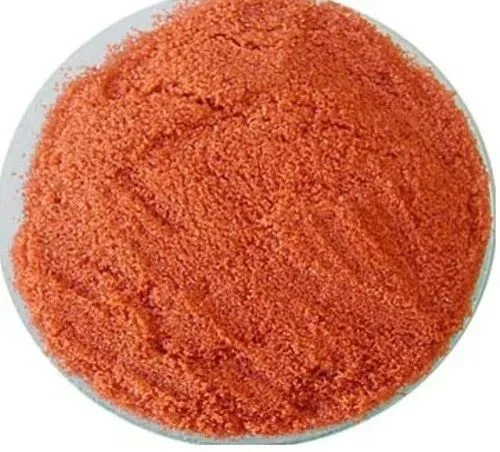
The products offered by Phenix Enterprise are categorized under top categories such as Bentonite, Aggregates, Silica Sand, Other Ores & Minerals, Slag, and Fly Ash. For instance, the Bentonite product has an HS code of 2508.10 and is made of Natural Sodium Bentonite (Montmorillonite Clay).
Product Range and Specialties of Phenix Enterprise
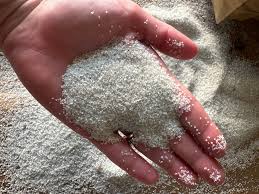
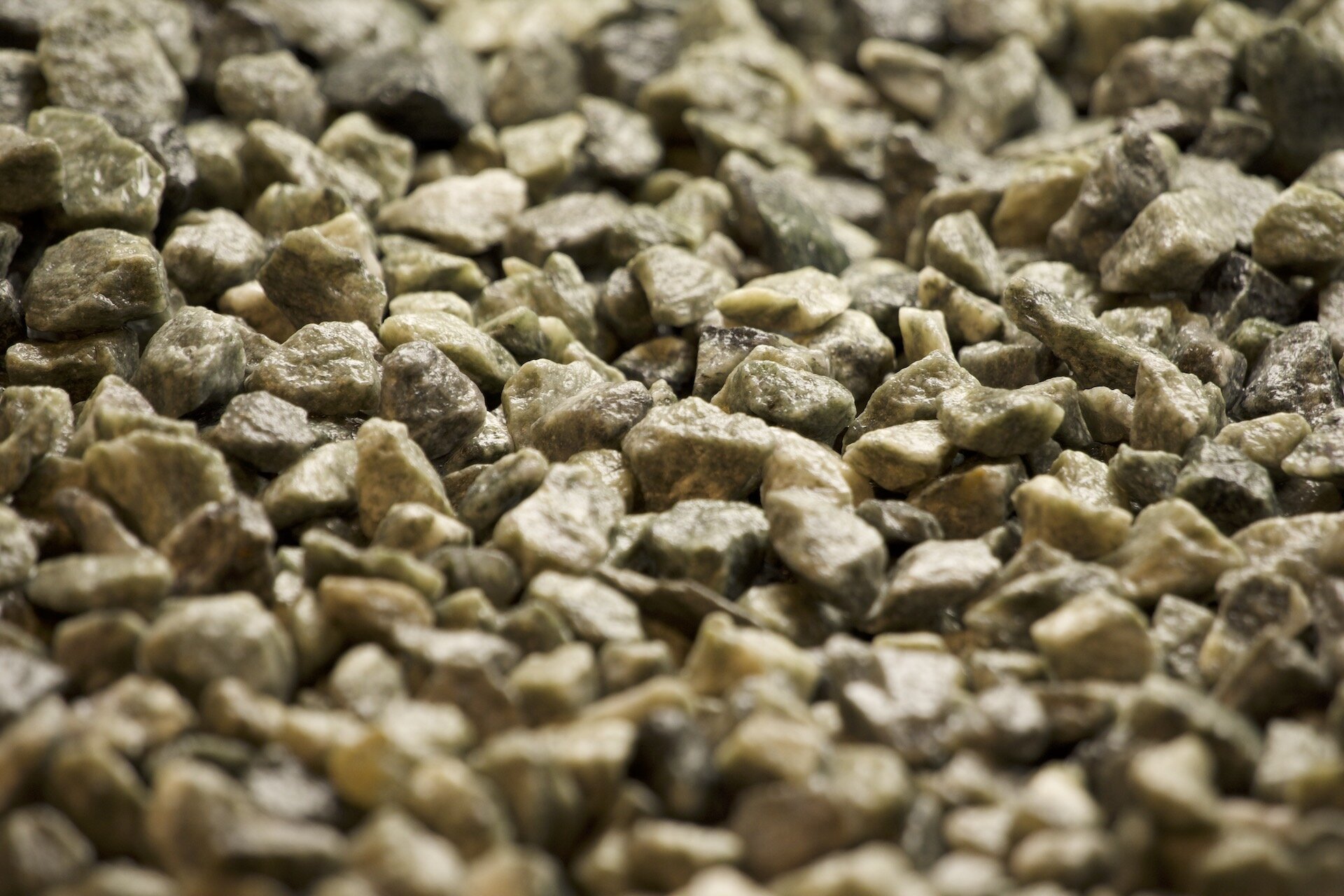
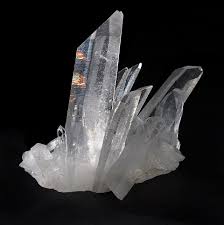
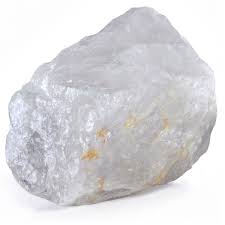
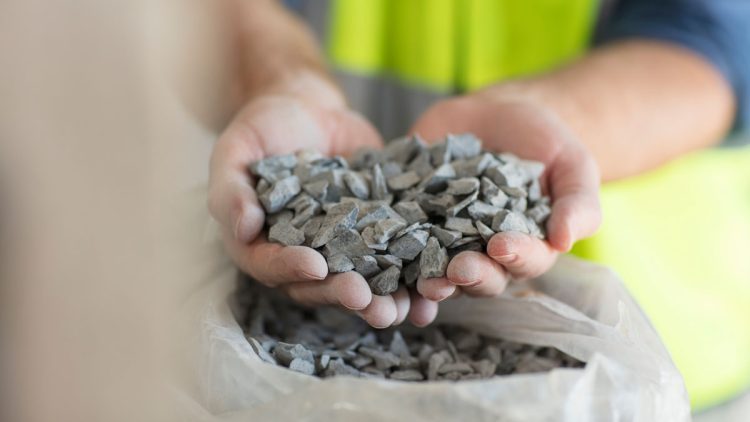
Phenix Enterprise's product range includes Construction Aggregate with an HS code of 2517.10, made from Crushed Stone, Gravel and Sand (Natural and Processed), and Silica Sand with an HS code of 2505.10, made from Quartz (SiO2) Silica Sand, Industrial Grade. Buyers of these products typically require specifications such as grain size, moisture content, and purity levels. For example, Silica Sand is often required to have a high purity level of at least 95% SiO2.
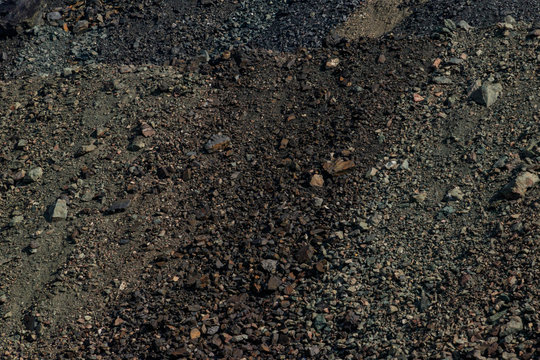
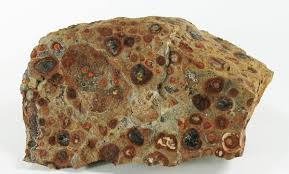
In the Aggregates category, products like Construction Aggregate are commonly used in construction projects, and buyers may require certifications such as ISO 9001 or ASTM standards. The Laterite product, with an HS code of 2601.11, is made from Laterite Iron Ore, Fe 45-60%, and is often used in the steel industry.
Trade and Export Information - Phenix Enterprise
Exporters of Bentonite and other minerals from India, like Phenix Enterprise, typically ship their products to regions such as the Middle East, Africa, and Southeast Asia. The HS code families involved in these exports are 2505.10, 2508.10, 2517.10, 2601.11, 2618.00, and 2621.19. Buyers of these products should be aware of the relevant regulatory and logistics norms, such as packaging and labeling requirements, and Incoterms like CIF or FOB.
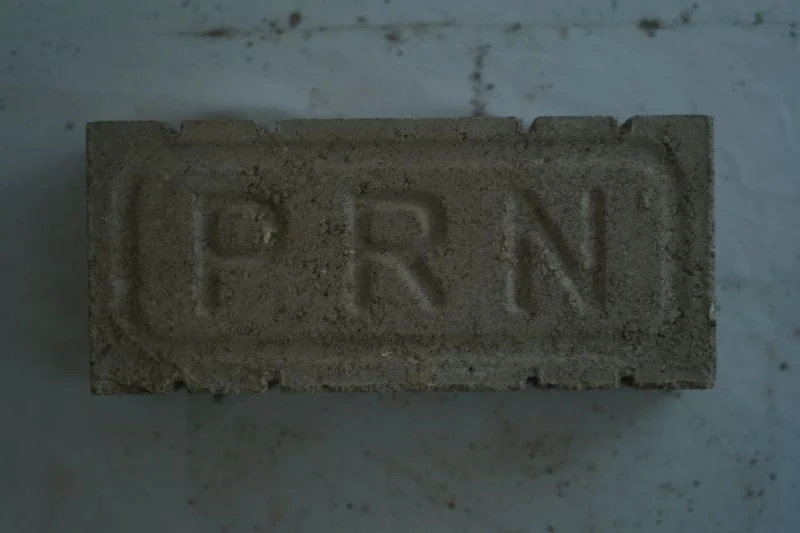
The trade of these products involves various certifications and standards, such as ISO 9001, ASTM, and API standards. For instance, the Granulated Blast Furnace Slag product, with an HS code of 2618.00, is made from Amorphous Glassy Silicate, CaO-SiO2-Al2O3 System, and may require certifications like ISO 9001 or API standards.
Sourcing from Phenix Enterprise - Buyer Guidance
When sourcing from Phenix Enterprise, buyers should request specifications, samples, and test reports to verify the quality of the products. For example, buyers of Bentonite may request a sample with a moisture content of less than 10% and a purity level of at least 80% Montmorillonite Clay. Additionally, buyers should verify the certifications and documents required for the products, such as ISO 9001 or ASTM standards.
Buyers should also be aware of the typical quality parameters and tests for these products, such as grain size, moisture content, and purity levels. For instance, the Silica Sand product may require a grain size of 0.1-1 mm and a purity level of at least 95% SiO2.
Frequently Asked Questions About Phenix Enterprise
What is the HS code for Bentonite?
The HS code for Bentonite is 2508.10, and it is made from Natural Sodium Bentonite (Montmorillonite Clay).
What is the material composition of Construction Aggregate?
Construction Aggregate is made from Crushed Stone, Gravel and Sand (Natural and Processed), with an HS code of 2517.10.
What are the typical applications of Silica Sand?
Silica Sand is often used in construction projects, water filtration, and glass manufacturing, and is required to have a high purity level of at least 95% SiO2.
What certifications may be required for Laterite?
Laterite may require certifications like ISO 9001 or ASTM standards, depending on the specific application and industry.
What is the MOQ for Granulated Blast Furnace Slag?
The MOQ for Granulated Blast Furnace Slag may vary depending on the supplier and the specific application, but it is typically around 100-500 tons.
What is the lead time for Fly Ash?
The lead time for Fly Ash may vary depending on the supplier and the specific application, but it is typically around 2-4 weeks.
What are the packaging and shipping requirements for these products?
The packaging and shipping requirements for these products may vary depending on the supplier and the specific application, but they are typically shipped in bulk or bags, and may require special handling and storage.
What are the quality parameters and tests for these products?
The quality parameters and tests for these products may vary depending on the supplier and the specific application, but they typically include grain size, moisture content, and purity levels.




 , India