Paushtik Foods — Verified Supplier
About Paushtik Foods - Herbal Extracts Supplier in India
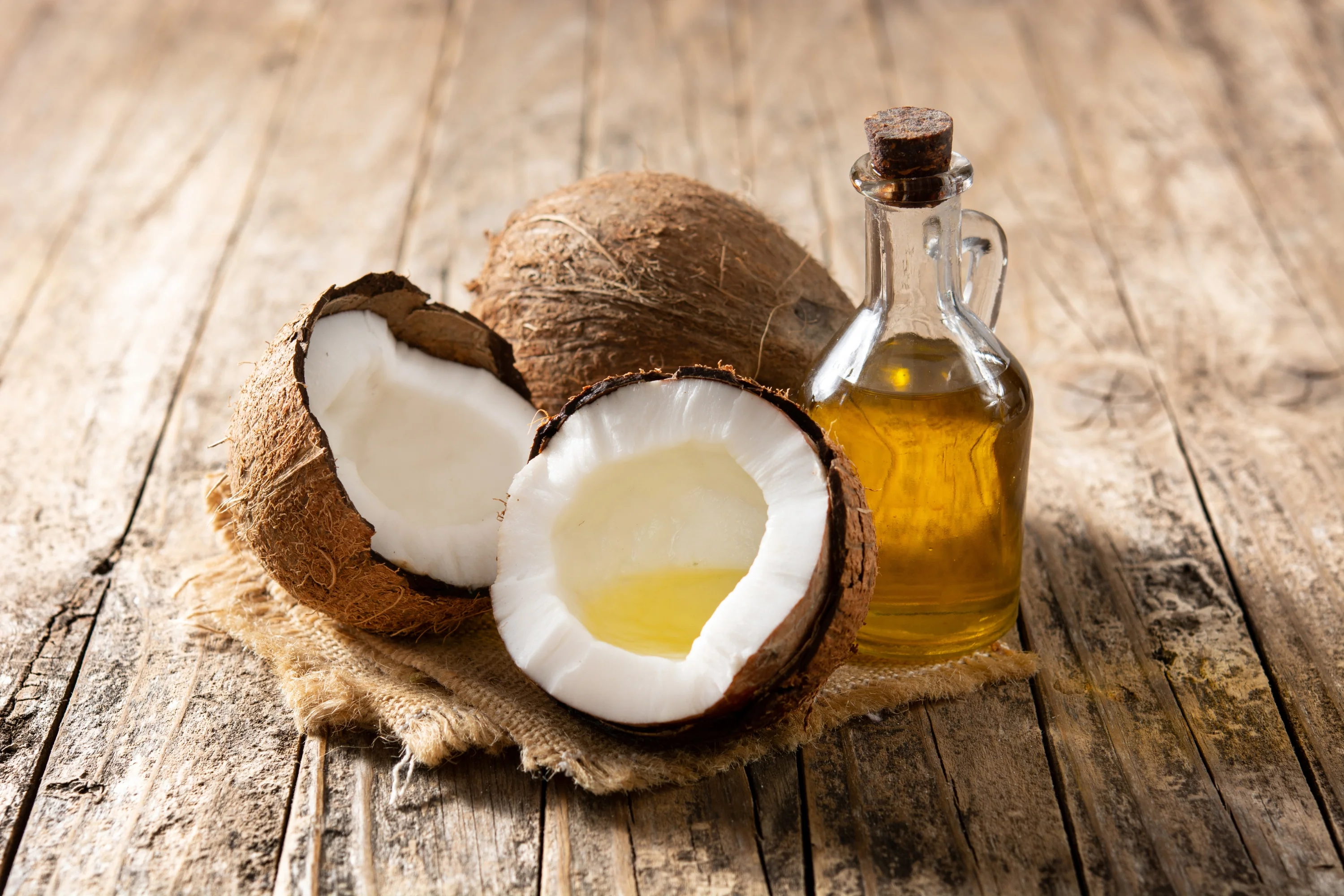
Paushtik Foods is based in India and lists thirteen active products across several food‑grade categories. The catalogue includes Mustard Oil, Sesame Oil (bottled), Alphonso Mango Pulp, Arogy Jaggery Powder, a generic Edible Oils line, Groundnut Oil, Coconut Oil, Cow Ghee, Badam Oil, Virgin Coconut Oil, MCT Oil, Aloe Vera Liquid and an Organic Turmeric Powder Extract. Each entry is recorded under the broader categories Herbal Extracts, Essential Oils, Coconut Oil, Sesame Oil, Fruit Pulp, Spices Powder, Groundnut Oil and Ghee.
The supplier’s product set spans both liquid oils and solid food ingredients. Indian edible oils typically fall under HS chapter 15 (e.g., codes 1506‑1517) while fruit pulps are classified in HS chapter 20 and powders or extracts in HS chapter 21. Common quality grades for mustard oil are refined with free fatty acid (FFA) levels below 0.1 %, sesame oil is often cold‑pressed with FFA ≤0.5 %, and virgin coconut oil is graded for moisture ≤3 % and peroxide value ≤10 meq/kg. Ghee is usually produced to meet 100 % milk fat content and a moisture level below 0.5 %.
Product Range and Specialties of Paushtik Foods
The listed items cover a spectrum of edible oils (mustard, sesame, groundnut, coconut, badam, MCT and virgin coconut), a dairy fat (cow ghee), a fruit puree (Alphonso mango pulp), a sweetener powder (jaggery), an aloe vera liquid, and a turmeric powder extract. In the Indian market, these categories are commonly supplied in bulk containers such as 200 L drums for oils, 25 kg bags for powders, and food‑grade PET bottles for liquids. Typical specifications include ISO 22000 food safety management, FSSAI registration, and, where claimed organic, compliance with USDA‑NOP or EU organic standards. Buyers usually request analysis reports for acid value, peroxide value, moisture content, and microbial limits for each product type.
Trade and Export Information - Paushtik Foods
India is a major exporter of edible oils, fruit pulps and spice powders, with key destination regions including the Middle East, South‑East Asia, Europe and North America. Export shipments of liquid oils are frequently loaded in 20‑ft or 40‑ft containers using food‑grade IBCs, while powders and extracts travel in 25 kg or 50 kg polypropylene bags. Buyers generally require certificates of analysis (CoA), a phytosanitary certificate for plant‑based products, and evidence of compliance with the importing country’s food safety regulations such as EU Regulation No 1169/2011 or US FDA Food Facility Registration. Standard Incoterms used are FOB India or CIF destination port, depending on buyer preference.
Sourcing from Paushtik Foods - Buyer Guidance
When sourcing from Paushtik Foods, buyers should request a recent CoA for each product, confirming parameters such as free fatty acid, peroxide value, moisture, microbial count and, for extracts, active ingredient percentage. Verification of FSSAI registration and, if applicable, organic certification (USDA‑NOP, EU) is advisable before contract finalisation. Sample sizes of 1‑2 L for oils or 500 g for powders are typical for quality assessment, and buyers often ask for a trial shipment to evaluate packaging integrity and shelf‑life under their storage conditions.
Frequently Asked Questions About Paushtik Foods
What types of edible oils does Paushtik Foods list?
The catalogue includes Mustard Oil, Sesame Oil (bottled), Groundnut Oil, Coconut Oil, Badam Oil, Virgin Coconut Oil and MCT Oil, each supplied in bulk food‑grade containers.
Which product is supplied as a fruit puree?
Alphonso Mango Pulp is listed as a fruit pulp product, typically packed in food‑grade containers for export.
Does the supplier provide a dairy‑fat product?
Yes, Cow Ghee is listed and is commonly produced to a 100 % milk‑fat specification with moisture below 0.5 %.
What documentation should I request for the Organic Turmeric Powder Extract?
Request a Certificate of Analysis, an organic certification (e.g., USDA‑NOP or EU), and a phytosanitary certificate to satisfy most import regulations.
Are samples available for the oils?
Standard practice is to supply 1‑2 L sample bottles for each oil type to allow buyers to verify quality parameters before larger orders.
What are the typical packaging formats for the powders?
Spice powders and jaggery powder are usually packed in 25 kg or 50 kg polypropylene bags, sealed to protect against moisture.
Which certifications are commonly required for Indian edible‑oil exporters?
Importers typically ask for ISO 22000 or HACCP compliance, FSSAI registration, and, where marketed as organic, an internationally recognised organic certification.
What Incoterms are most frequently used for shipments from India?
FOB India and CIF destination port are the most common Incoterms used for these product categories.




 , India