Orion Marine Surveys & Consulting LLC — Verified Supplier
About Orion Marine Surveys & Consulting LLC - Iron Ore Supplier in United States
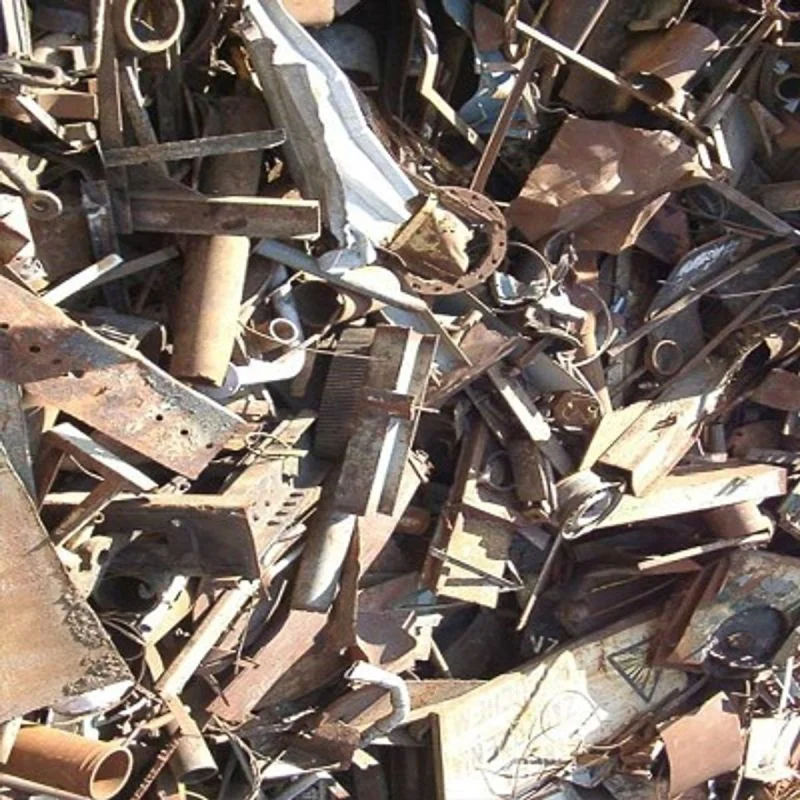
United States based Orion Marine Surveys & Consulting LLC is listed with five active products. The catalogue includes fines iron, aluminium ingots, carbon steel piping, steel slabs and vegetal charcoal. These items correspond to the top categories Iron Ore, Aluminum Ingots, Steel Pipes, Steel Bars and Charcoal. Each product is identified with an HS‑code family, for example 2601.11 for iron ore fines and 7601.20 for aluminium ingots. The supplier is placed in the harbor trust tier, indicating a moderate verification level.
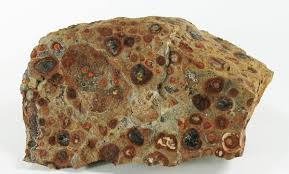
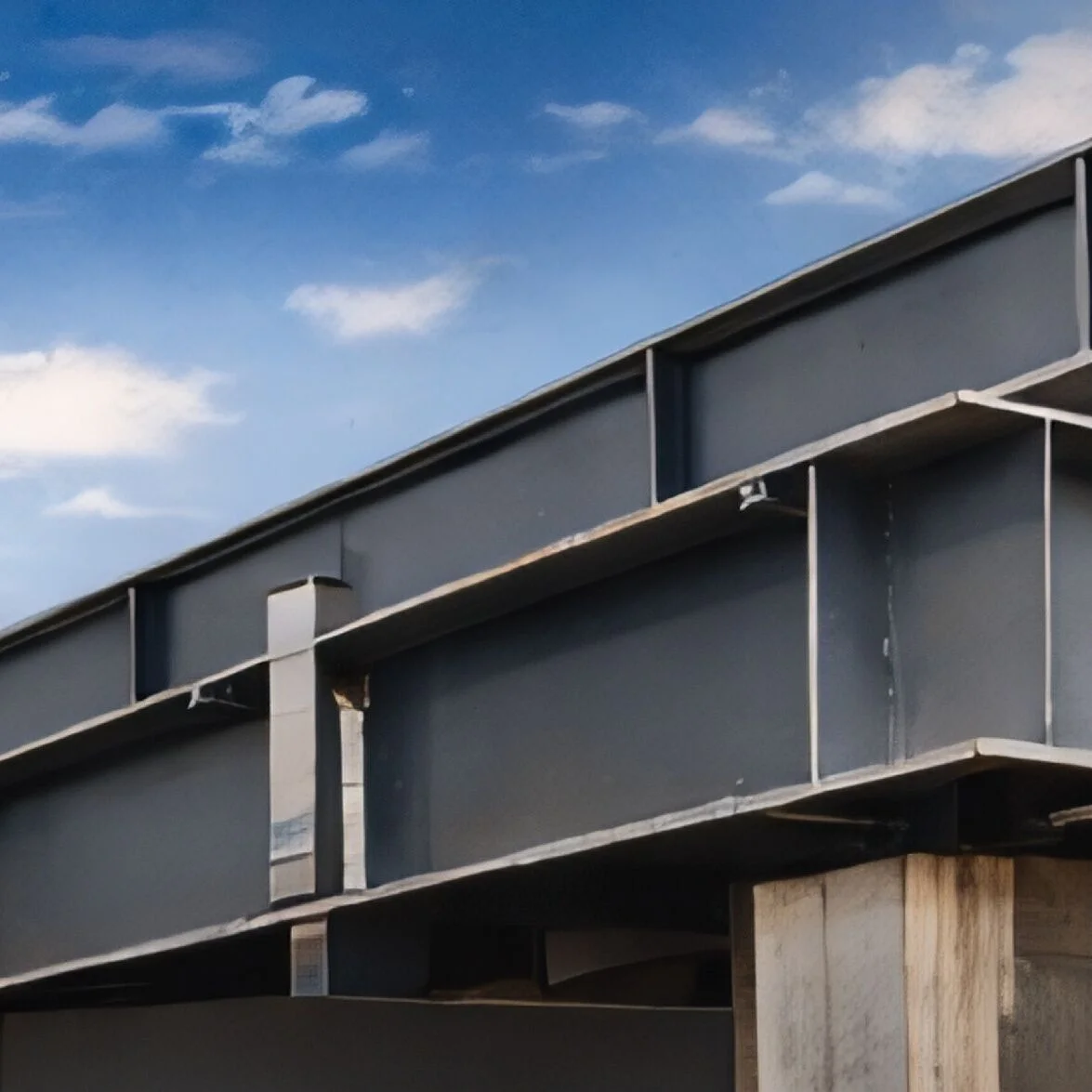
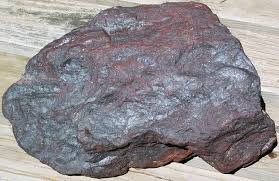
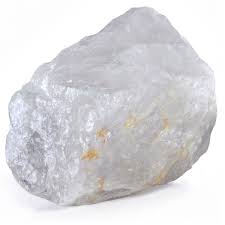
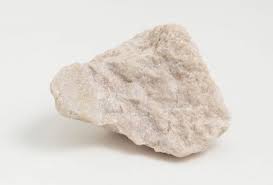
The iron ore fines are described as non‑agglomerated material with Fe content ranging from 63 % to 83 % (HS 2601.11). Aluminium ingots are listed as primary aluminium alloy of various grades under HS 7601.20. Carbon steel piping is specified as API 5L grade under HS 7304.29, while steel slabs are noted as carbon steel meeting ASTM A‑36 / API 5L X46 specifications under HS 7207.12. Vegetal charcoal is included without an HS code in the data. All entries use the material descriptions supplied in the catalogue.
Product Range and Specialties of Orion Marine Surveys & Consulting LLC
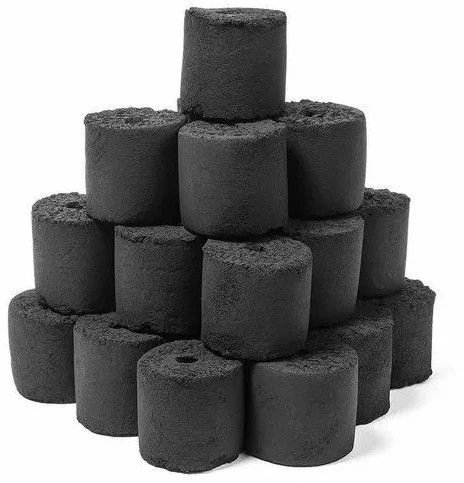
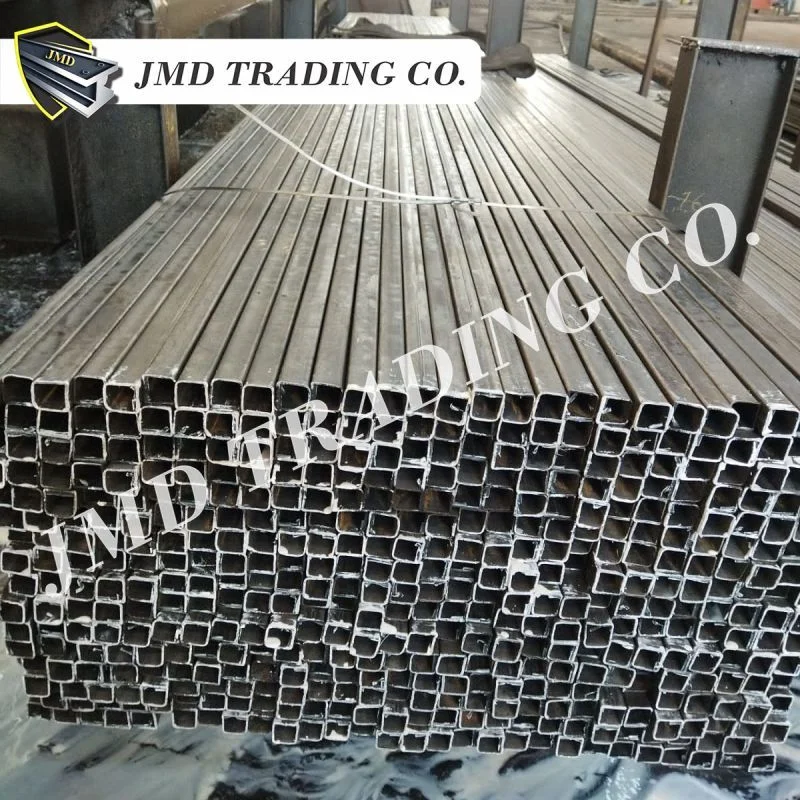
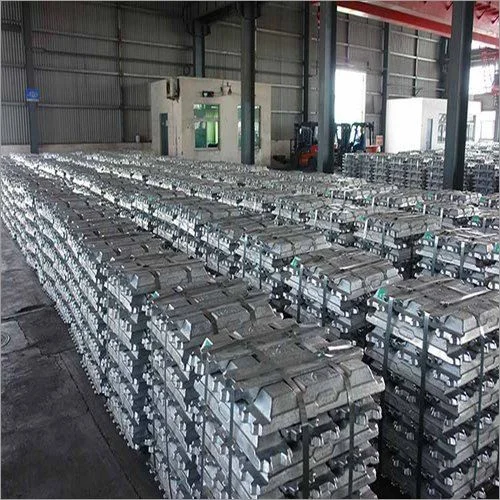
The product list comprises iron ore fines, primary aluminium ingots, carbon steel API 5L piping, carbon steel slabs and vegetal charcoal. In the iron ore market, fines with 63‑83 % Fe are typical feedstock for sintering and pelletising; buyers often request a moisture content below 5 % and a particle size distribution under 6 mm. Aluminium ingots are commonly supplied in grades such as 1100, 3003 or 6061, with a minimum aluminium purity of 99.5 % and standard dimensions of 100 mm × 100 mm × 200 mm. Carbon steel pipes for oil and gas use API 5L grades X42, X46 or X60, with wall thicknesses from 6 mm to 25 mm and nominal diameters up to 24 in. Steel slabs meeting ASTM A‑36 or API 5L X46 are used for downstream rolling into plates or coils, usually delivered in 12‑ton bundles. Vegetal charcoal is typically produced with moisture below 10 % and an ash content under 5 % for metallurgical or filtration uses.
Industry practice places these commodities in bulk maritime shipments. Iron ore fines and steel slabs are often loaded in bulk carriers or heavy‑lift vessels, aluminium ingots in 20 ft or 40 ft containers with wooden dunnage, and charcoal in bulk bags or open‑top containers. Standard quality tests include chemical assays, tensile strength for steel, and calorific value for charcoal.
Trade and Export Information - Orion Marine Surveys & Consulting LLC
Exporters of iron ore fines, aluminium ingots, carbon steel pipe and slab from the United States commonly ship to Asian steel mills in China, India, South Korea and Japan, as well as to European foundries in Germany, Italy and the United Kingdom. Charcoal produced in the United States is frequently exported to the metallurgical sector in South America and to filtration equipment manufacturers in Europe. The HS‑code families involved - 2601, 7601, 7304, 7207 and 4401 for charcoal - are subject to customs inspections that often require a Certificate of Origin, a third‑party assay certificate and, where applicable, an API mill test report. Buyers typically request ISO 9001 quality‑management certification and, for steel products, compliance with ASTM and API standards. Common Incoterms for these commodities are FOB US ports such as New Orleans or Savannah, with CIF options to major import hubs like Shanghai, Rotterdam or Dubai.
Sourcing from Orion Marine Surveys & Consulting LLC - Buyer Guidance
When sourcing from Orion Marine Surveys & Consulting LLC, buyers should obtain a recent assay report for iron ore fines confirming Fe % and moisture, and a mill test report for the aluminium ingots detailing alloy composition and impurity limits. For carbon steel piping and slabs, request API 5L certification sheets and ASTM A‑36 test results, including tensile strength and impact values. Charcoal shipments should be accompanied by a calorific value test and moisture/ash analysis. Verify that any supplied certificates are issued by an accredited body such as SGS or Bureau Veritas, and confirm the packaging details - bulk bags for charcoal, containerized pallets for aluminium, and bulk carrier loading plans for iron ore and steel - before finalising the order.
Frequently Asked Questions About Orion Marine Surveys & Consulting LLC
What HS codes are associated with the products listed by Orion Marine Surveys & Consulting LLC?
The catalogue links iron ore fines to HS 2601.11, aluminium ingots to HS 7601.20, carbon steel piping to HS 7304.29, steel slabs to HS 7207.12, and vegetal charcoal is listed without a specific HS code in the provided data.
Which quality documents should a buyer request for the aluminium ingots?
Buyers should request a mill test report showing alloy grade, aluminium purity (typically >99.5 %) and any alloying element limits, together with an ISO 9001 certificate if available.
Are there standard specifications for the carbon steel piping offered?
The piping is described as carbon steel API 5L grade; typical specifications include API 5L X42, X46 or X60, with wall thicknesses ranging from 6 mm to 25 mm and standard nominal diameters up to 24 inches.
What typical moisture content is expected for the vegetal charcoal?
Industrial vegetal charcoal is usually produced with moisture below 10 % and an ash content under 5 %, which should be confirmed by a laboratory analysis report.
Which certifications are commonly required for steel slabs imported from the United States?
Importers often require an API 5L certification, an ASTM A‑36 compliance report, and a third‑party inspection certificate such as SGS or Bureau Veritas.
What packaging formats are used for the iron ore fines?
Iron ore fines are typically shipped in bulk carriers using open‑top holds or in large bulk bags for smaller volumes, with moisture protection measures as part of the loading plan.
How can a buyer verify the origin of the products?
A Certificate of Origin issued by a recognized chamber of commerce, together with the supplier’s export documentation, provides verification of United States origin for customs clearance.
What Incoterms are most frequently applied to these commodities?
FOB from major US ports (e.g., New Orleans, Savannah) and CIF to destination ports such as Shanghai, Rotterdam or Dubai are the most common Incoterms used for these bulk and containerized shipments.




 , United States