OM Minerals — Verified Supplier
About OM Minerals - Quartz Supplier in India
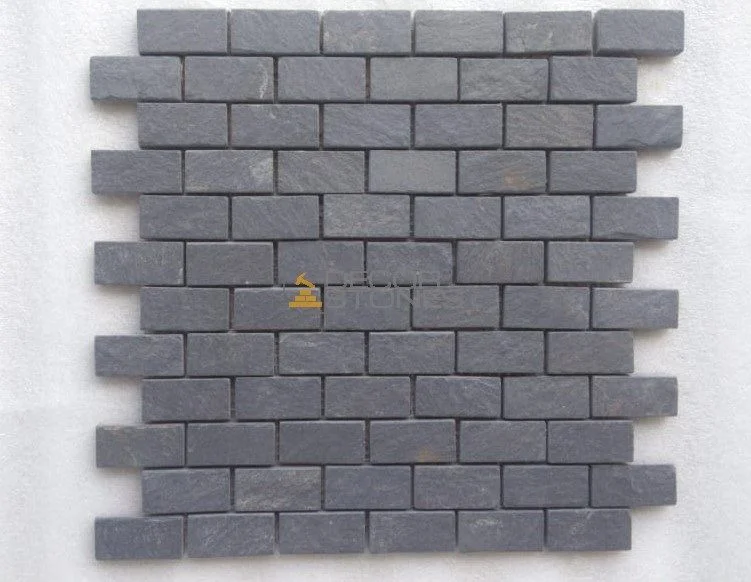
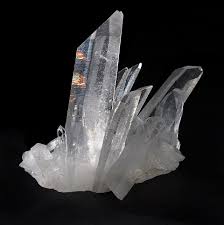
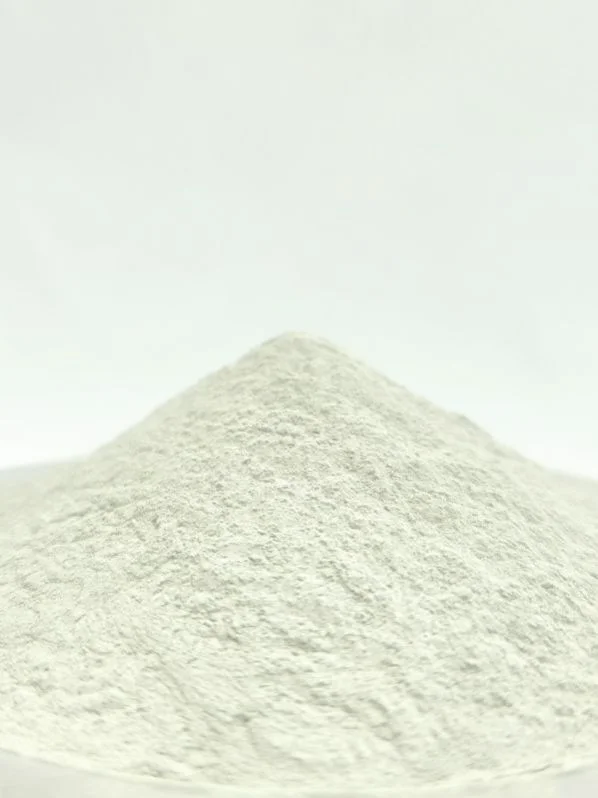
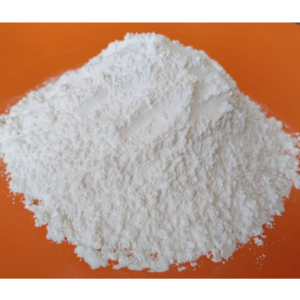
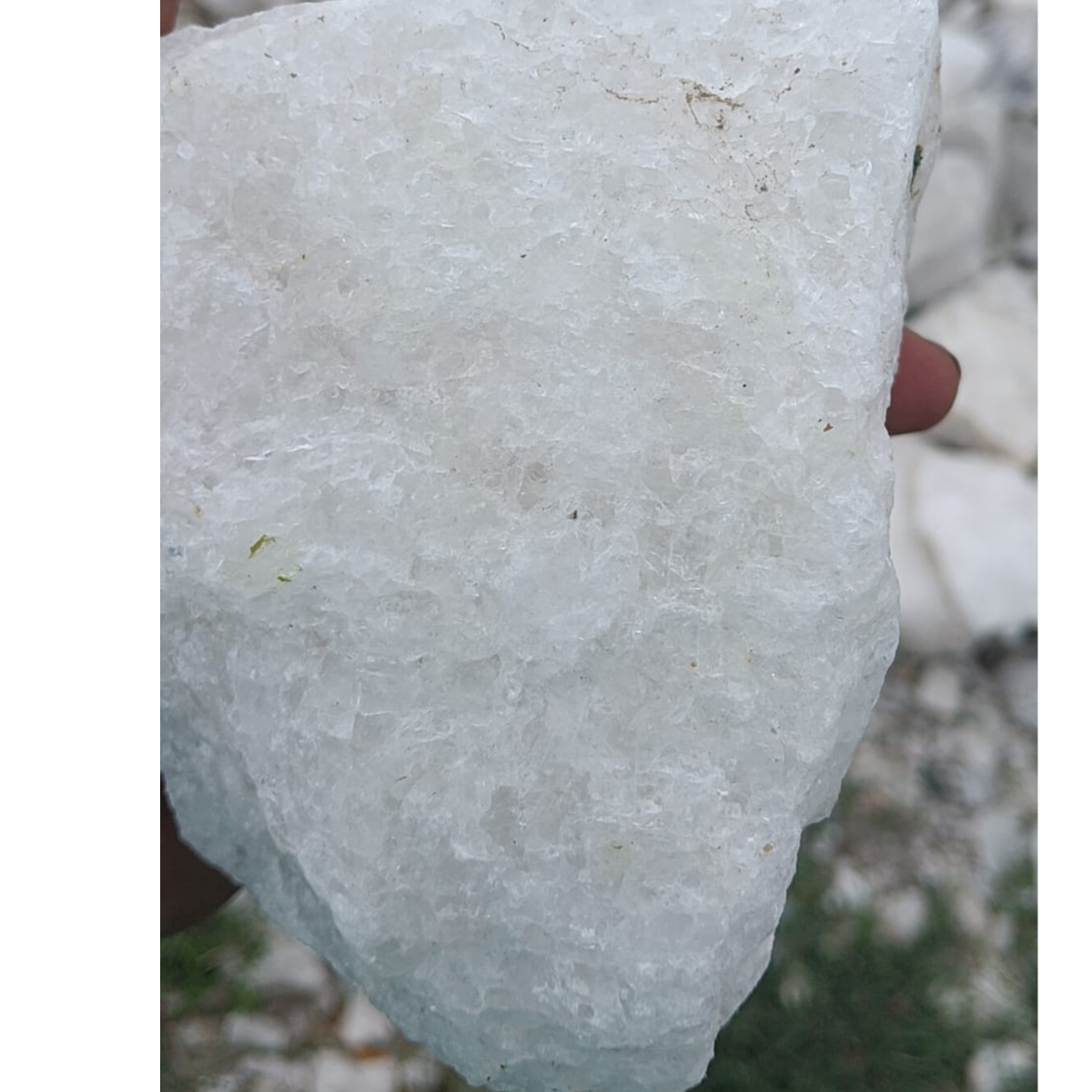
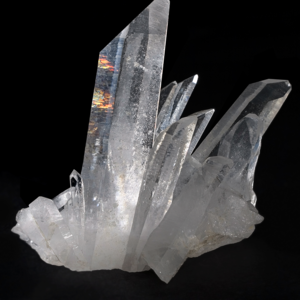
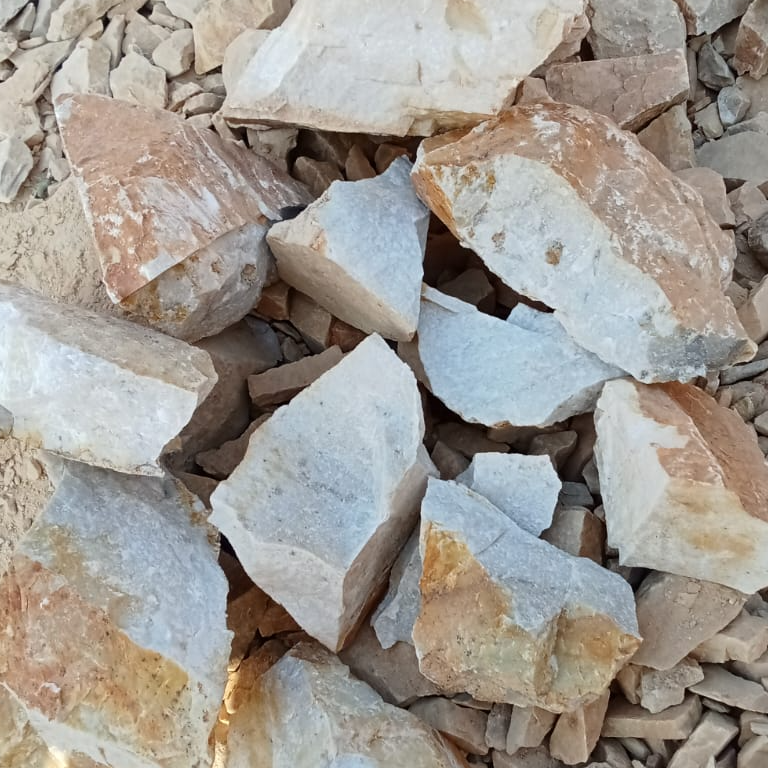
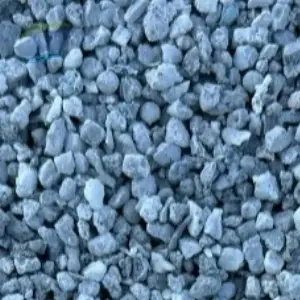
India, a significant player in the global minerals market, is home to OM Minerals, a supplier with an active product count of 6. Based in this country, OM Minerals lists a range of products, including Quartz powder, Quartz lumps, Pyroxanite, Blackstone chips, Soapstone, and Quartzite. These products are part of the Quartz category, which is known for its broad selection of applications in various industries. The Quartz products supplied by OM Minerals are likely to be of interest to buyers in regions such as the Americas, Europe, and Southeast Asia, where there is a strong demand for minerals in the construction, manufacturing, and electronics sectors.
OM Minerals' product catalogue reflects the diversity of the Quartz category, with different product types and forms available. For instance, Quartz powder is often used in the production of ceramics, glass, and paints, while Quartz lumps are used in the construction and landscaping industries. The HS code families involved in the trade of these products are typically in Chapter 25 and Chapter 26 of the Harmonized System, which covers mineral products.
Product Range and Specialties of OM Minerals
OM Minerals' product range includes various types of Quartz products, each with its own set of characteristics and applications. For example, Quartz powder is often classified according to its purity, with typical grades ranging from 95% to 99.9% SiO2 content. The standard specifications for Quartz powder may include parameters such as particle size, moisture content, and iron oxide content. Buyers of Quartz products usually require specifications such as these to ensure that the products meet their requirements.
In addition to Quartz products, OM Minerals also supplies other mineral products such as Pyroxanite, Blackstone chips, Soapstone, and Quartzite. These products have their own set of applications and requirements, and buyers should be aware of the typical industry standards and specifications for these products. For instance, Pyroxanite is often used in the production of refractories and ceramics, and its quality is typically evaluated based on parameters such as its alumina content and grain size.
Trade and Export Information - OM Minerals
Exporters of Quartz products, such as OM Minerals, typically need to comply with various regulations and standards, including those related to product quality, packaging, and labeling. The HS code families involved in the trade of these products, such as 2505.10.10 for Quartz powder, are used to classify the products for customs and tax purposes. Buyers of Quartz products should be aware of the typical certifications and standards required for these products, such as ISO 9001 for quality management and ISO 14001 for environmental management.
The trade of Quartz products involves various regions and industries, with significant demand coming from the construction, manufacturing, and electronics sectors. Buyers in these sectors typically require products that meet specific standards and specifications, and may also require additional documentation and certifications, such as certificates of origin and product test reports. The Incoterms used in the trade of these products, such as FOB and CIF, define the responsibilities of the buyer and seller with regards to delivery, payment, and risk.
Sourcing from OM Minerals - Buyer Guidance
When sourcing from OM Minerals, buyers should request specifications, samples, and test reports to verify the quality of the products. The typical quality parameters for Quartz products, such as purity, particle size, and moisture content, should be evaluated to ensure that the products meet the buyer's requirements. Buyers should also verify the certifications and standards required for the products, such as ISO 9001 and ISO 14001, and request documentation and test reports as needed.
Buyers should be aware of the typical industry standards and specifications for the products they are sourcing, and should request quotes and samples from OM Minerals based on these requirements. The MOQ and lead time for the products should be confirmed with OM Minerals to ensure that the buyer's needs can be met. The packaging and shipping requirements for the products, including the use of containers such as 20 ft or 40 ft containers, should also be confirmed to ensure that the products are delivered safely and efficiently.
Frequently Asked Questions About OM Minerals
What is the typical purity of Quartz powder supplied by OM Minerals?
The typical purity of Quartz powder supplied by OM Minerals is 95% to 99.9% SiO2 content, depending on the specific product grade.
What are the typical applications of Pyroxanite?
Pyroxanite is typically used in the production of refractories and ceramics, due to its high alumina content and grain size.
What is the HS code for Quartz powder?
The HS code for Quartz powder is 2505.10.10.
What certifications should buyers request from OM Minerals?
Buyers should request certifications such as ISO 9001 for quality management and ISO 14001 for environmental management, depending on the specific product and application.
What is the typical MOQ for Quartz products supplied by OM Minerals?
The typical MOQ for Quartz products supplied by OM Minerals should be confirmed with the supplier, as it may vary depending on the specific product and application.
How should buyers evaluate the quality of Quartz products?
Buyers should evaluate the quality of Quartz products based on parameters such as purity, particle size, and moisture content, and should request test reports and certifications as needed.
What is the typical packaging for Quartz products?
The typical packaging for Quartz products is in bags or containers, such as 20 ft or 40 ft containers, depending on the specific product and application.
What Incoterms are typically used in the trade of Quartz products?
The Incoterms typically used in the trade of Quartz products are FOB and CIF, which define the responsibilities of the buyer and seller with regards to delivery, payment, and risk.




 , India