Nirmal Enterprises — Verified Supplier
About Nirmal Enterprises - Engine Valves, Coal, Iron Ore Supplier in India
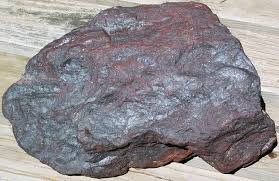
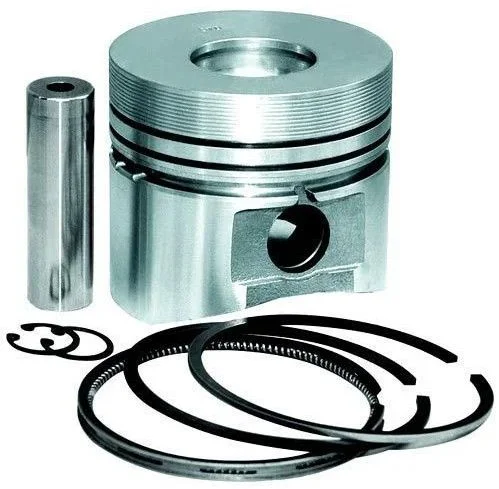
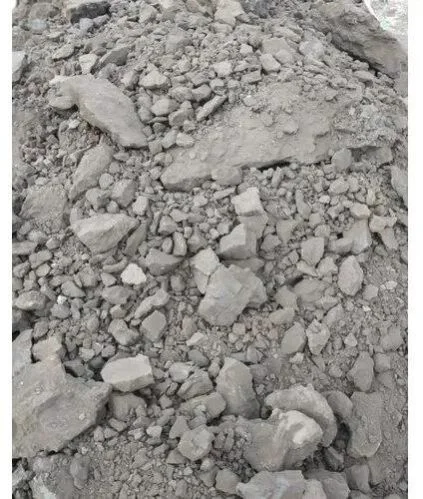
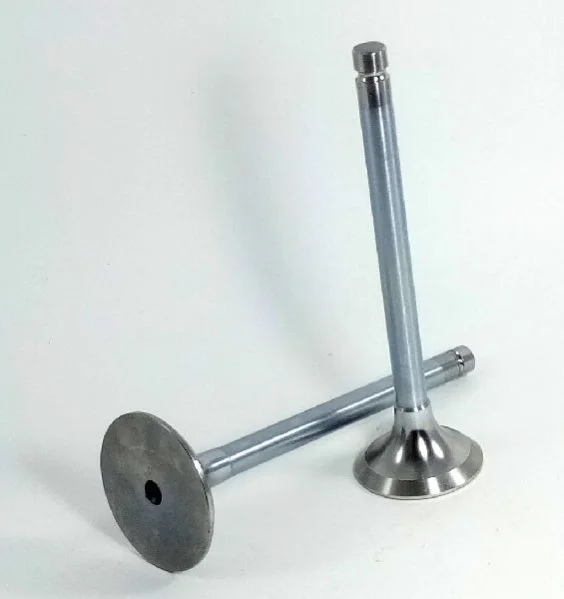
Nirmal Enterprises is based in India and has an active product count of 5. The company lists a variety of products, including engine valves, coal, rubber gaskets, piston rings, and iron ore. With a diverse product range, Nirmal Enterprises caters to different industries, including automotive and construction. The company's products are likely to be of interest to buyers in regions such as Asia, Europe, and the Americas, where these industries are prominent.
The products listed by Nirmal Enterprises are typically used in applications where high performance and durability are required. For example, engine valves are used in automotive and industrial applications, while coal is used in power generation and industrial processes. Iron ore, on the other hand, is used in steel production and construction.
Product Range and Specialties of Nirmal Enterprises
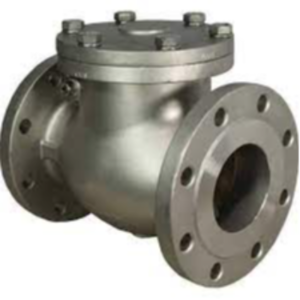
Nirmal Enterprises' product range includes engine valves, which are typically made from materials such as steel and aluminum, and are designed to meet standards such as ISO 9001. The company also lists coal, which is typically classified into different grades, such as anthracite, bituminous, and lignite, and is used in various applications, including power generation and industrial processes. Rubber gaskets and piston rings are also listed, which are used in automotive and industrial applications, and are typically made from materials such as rubber and steel.
In addition to the products listed, Nirmal Enterprises may also offer other related products, such as engine valve guides, coal handling equipment, and iron ore processing machinery. Buyers may also be interested in requesting specifications, such as the tensile strength of the engine valves, the calorific value of the coal, and the chemical composition of the iron ore.
Trade and Export Information - Nirmal Enterprises
Exporters of engine valves, coal, and iron ore, such as Nirmal Enterprises, typically require certifications and compliance with regulations, such as ISO 9001 and ASTM standards. Buyers of these products usually require documentation, such as test reports and certificates of origin, to ensure compliance with regulations and to verify the quality of the products. The HS code families involved in the trade of these products include 8409 for engine valves, 2701 for coal, and 2601 for iron ore.
The trade of these products is subject to regulations, such as those related to environmental and safety standards. Buyers should be aware of these regulations and ensure that the products they source comply with them. For example, the export of coal may be subject to regulations related to environmental impact, while the import of engine valves may be subject to regulations related to safety standards.
Sourcing from Nirmal Enterprises - Buyer Guidance
Buyers sourcing from Nirmal Enterprises should request specifications, such as the material composition and tensile strength of the engine valves, the calorific value and ash content of the coal, and the chemical composition and moisture content of the iron ore. They should also request test reports and certificates of origin to verify the quality and compliance of the products with regulations.
Buyers should also verify the certifications and compliance of Nirmal Enterprises with regulations, such as ISO 9001 and ASTM standards. They should also ensure that the products they source comply with regulations related to environmental and safety standards. Additionally, buyers should be aware of the packaging and shipping requirements for these products, such as the use of containers and the labeling of hazardous materials.
Frequently Asked Questions About Nirmal Enterprises
What products does Nirmal Enterprises offer?
Nirmal Enterprises offers a range of products, including engine valves, coal, rubber gaskets, piston rings, and iron ore. These products are used in various applications, including automotive, construction, and power generation.
What are the typical specifications for engine valves?
The typical specifications for engine valves include material composition, tensile strength, and dimensional tolerances. Buyers should request these specifications to ensure that the products meet their requirements.
What is the significance of coal classification?
Coal classification is significant because it determines the suitability of the coal for different applications. The classification of coal into different grades, such as anthracite, bituminous, and lignite, is based on factors such as calorific value, ash content, and moisture content.
What are the common uses of iron ore?
Iron ore is commonly used in steel production, construction, and other industrial applications. The chemical composition and moisture content of the iron ore are important factors in determining its suitability for these applications.
What certifications should buyers request from Nirmal Enterprises?
Buyers should request certifications, such as ISO 9001 and ASTM standards, to ensure that the products meet regulatory requirements and industry standards. They should also request test reports and certificates of origin to verify the quality and compliance of the products.
What is the significance of HS code families in international trade?
HS code families are significant in international trade because they determine the customs duties and regulations applicable to the products being traded. Buyers should be aware of the HS code families involved in the trade of the products they source, such as 8409 for engine valves, 2701 for coal, and 2601 for iron ore.
What are the packaging and shipping requirements for these products?
The packaging and shipping requirements for these products, such as the use of containers and the labeling of hazardous materials, are important factors in ensuring safe and compliant transportation. Buyers should be aware of these requirements and ensure that they are met.
How can buyers verify the quality of the products?
Buyers can verify the quality of the products by requesting test reports and certificates of origin, and by inspecting the products before shipment. They should also ensure that the products meet regulatory requirements and industry standards.




 , India