Navaratna — Verified Supplier
About Navaratna - Millet Supplier in India
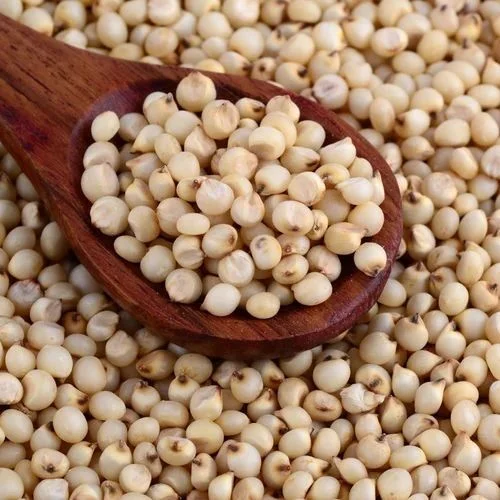
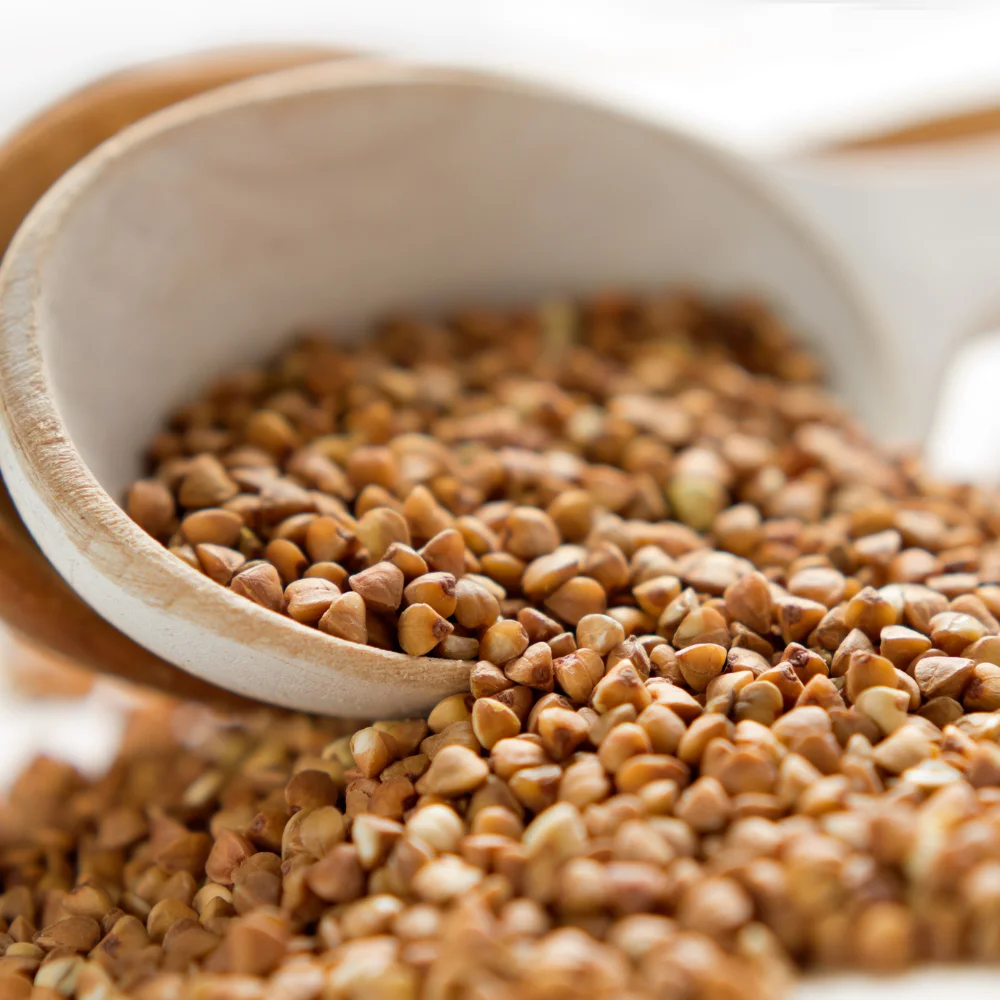
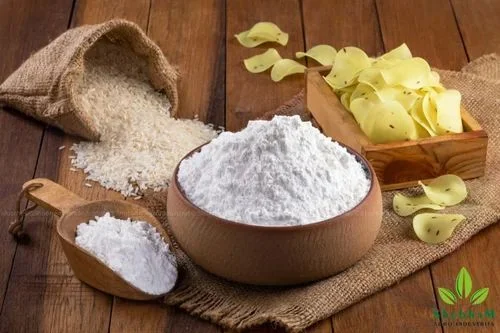
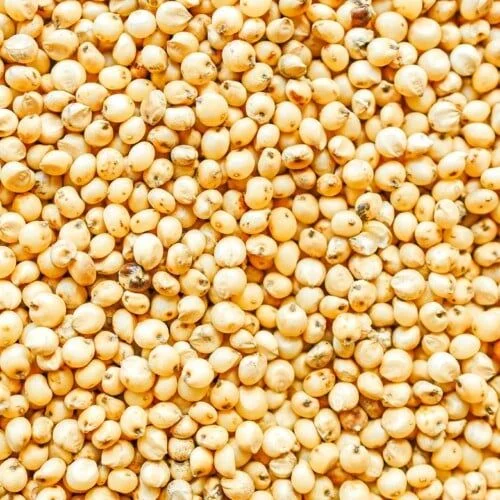
Navaratna, located in India, offers a diverse range of products, with 16 active products in its catalogue. The company's primary product category is Millet, with specific types including Finger Millet, Foxtail Millet, Sorghum Millet, Pearl Millet, Buckwheat Millet, Little Millet, and Barnyard Millet. In addition to millet, Navaratna also supplies other products such as Sunflower Seeds, Flour, Red Chilli, Coriander Seeds, Niger Seeds, Coffee Beans, and Sesame Seeds. The products are categorized under various HS code families, which are commonly used in the industry to classify goods for export.
The millet products offered by Navaratna are likely to be of interest to buyers in regions such as Asia, Africa, and the Middle East, where millet is a staple crop. The company's location in India, a major producer of millet, provides it with a competitive advantage in terms of sourcing and logistics. Navaratna's product range and specialties cater to the diverse needs of its customers, ranging from food and beverage manufacturers to animal feed producers.
Product Range and Specialties of Navaratna
Navaratna's product range includes a variety of millet types, each with its own unique characteristics and uses. For example, Finger Millet is high in calcium and protein, while Foxtail Millet is rich in fiber and minerals. The company also supplies other products such as Sunflower Seeds, which are a good source of healthy fats and protein, and Red Chilli, which is used as a spice and has antioxidant properties. The typical grades and standard specifications for these products vary depending on the intended use and market requirements.
Buyers of millet and other products from Navaratna should be aware of the typical quality parameters and tests used in the industry. For example, millet is typically graded based on its moisture content, purity, and grain length, with standards such as ICUMSA 45 for sugar content and ISO 9001 for quality management. Sunflower Seeds are typically graded based on their oil content, moisture content, and impurities, with standards such as ISO 659 for oilseeds.
Trade and Export Information - Navaratna
Exporters of millet and other products from India, such as Navaratna, typically need to comply with various regulations and standards. For example, the Indian government has established the Agricultural and Processed Food Products Export Development Authority (APEDA) to promote and regulate the export of agricultural products. The HS code families used for millet and other products, such as 1008 for millet and 1207 for sunflower seeds, are used to classify goods for export and determine the applicable tariffs and regulations.
The typical regions and industries that import these goods include Asia, Africa, and the Middle East, where millet is a staple crop, and the food and beverage manufacturing industry, which uses millet and other products as ingredients. The certifications and standards commonly required for these products include ISO 9001 for quality management, HACCP for food safety, and Halal or Kosher for religious dietary requirements. The Incoterms used for export, such as CIF or FOB, determine the responsibilities of the buyer and seller for logistics and risk.
Sourcing from Navaratna - Buyer Guidance
Buyers sourcing from Navaratna should request specifications, samples, and test reports to verify the quality and purity of the products. They should also confirm the certifications and documents required for their specific market and industry, such as ISO 9001 or HACCP. The MOQ and lead time for each product should be confirmed with the supplier to ensure timely delivery and to plan production accordingly.
It is also important for buyers to verify the supplier's trust tier, which indicates their level of credibility and reliability. Navaratna's trust tier is 'harbor', which suggests a moderate level of credibility. Buyers should also be aware of the typical quality parameters and tests used in the industry for the products they are sourcing, and request the necessary certifications and documents to ensure compliance with regulations and standards.
Frequently Asked Questions About Navaratna
What types of millet does Navaratna supply?
Navaratna supplies a variety of millet types, including Finger Millet, Foxtail Millet, Sorghum Millet, Pearl Millet, Buckwheat Millet, Little Millet, and Barnyard Millet. Each type has its own unique characteristics and uses, and is suitable for different applications and markets.
What is the typical moisture content of millet?
The typical moisture content of millet varies depending on the type and grade, but is typically in the range of 10-14%. Buyers should confirm the moisture content with the supplier to ensure it meets their specific requirements.
What certifications should I request from Navaratna?
Buyers should request certifications such as ISO 9001 for quality management, HACCP for food safety, and Halal or Kosher for religious dietary requirements, depending on their specific market and industry requirements.
What is the MOQ for each product?
The MOQ for each product varies depending on the supplier and the specific product, and should be confirmed with Navaratna to ensure timely delivery and to plan production accordingly.
What is the typical packaging used for millet and other products?
The typical packaging used for millet and other products varies depending on the product and market requirements, but commonly includes jute bags, polypropylene bags, or containers. Buyers should confirm the packaging with the supplier to ensure it meets their specific requirements.
What is the Incoterms used for export by Navaratna?
The Incoterms used for export by Navaratna varies depending on the specific agreement with the buyer, but commonly includes CIF or FOB. Buyers should confirm the Incoterms with the supplier to determine the responsibilities of the buyer and seller for logistics and risk.
How do I verify the quality and purity of the products?
Buyers can verify the quality and purity of the products by requesting specifications, samples, and test reports from Navaratna, and by confirming the certifications and documents required for their specific market and industry.




 , India