Agriculture›
 Apparel and fashion accessories›
 Construction & real estate›💡Electronic & Electrical›🍎Food & Beverages›🛋️Home furnishing & supplies›⚗️Industrial goods & chemical›🪨Minerals & metals›📦Miscellaneous›Agriculture›Apparel and fashion accessories›Construction & real estate›💡Electronic & Electrical›🍎Food & Beverages›🛋️Home furnishing & supplies›⚗️Industrial goods & chemical›🪨Minerals & metals›📦Miscellaneous›
Narayani Rice Mill Product Catalog









About Narayani Rice Mill - Rice Supplier in India
India hosts Narayani Rice Mill, which currently lists 19 active products across its catalogue. The list includes a mixture of agricultural commodities such as rice and fresh onions, a set of resin‑derived products including shellac variants, and ancillary items like Mahua flower. Each entry is recorded under its respective commodity family, for example rice under the grains & cereals group and shellac under the resin category.
The supplier’s catalogue is organised by product type rather than by brand, covering both food staples and specialty resin materials. Products such as Dewaxed Bleached Shellac, Lemon No. 1 (Handmade) and various machine‑made shellac grades illustrate the breadth of resin offerings, while the inclusion of Fresh Onions and Mahua flower expands the portfolio into fresh produce. All entries are presented without accompanying HS‑code data, reflecting the information supplied.
Product Range and Specialties of Narayani Rice Mill
Narayani Rice Mill’s catalogue enumerates items that fall into two main commodity clusters: cereals (rice) and natural resin products (shellac and related lac derivatives). In the rice segment, Indian exporters typically provide Basmati or non‑Basmati grades with moisture limits of 13‑14 % and kernel lengths ranging from 6 mm (short) to 8 mm (long). For shellac, the market distinguishes between dewaxed, bleached, and coloured grades; common specifications include acid value below 0.5 % and a purity of 95 % or higher, with colour ratings expressed by the CIELAB L* value (e.g., “Super Blonde” above L* 80). Fresh onions are generally classified by size (small, medium, large) and have a permissible moisture content of 8‑10 % and a total soluble solids range of 6‑8 % Brix. These industry benchmarks help buyers compare the supplier’s items against global standards.
Frequently Asked Questions About Narayani Rice Mill
What types of rice does Narayani Rice Mill list in its catalogue?
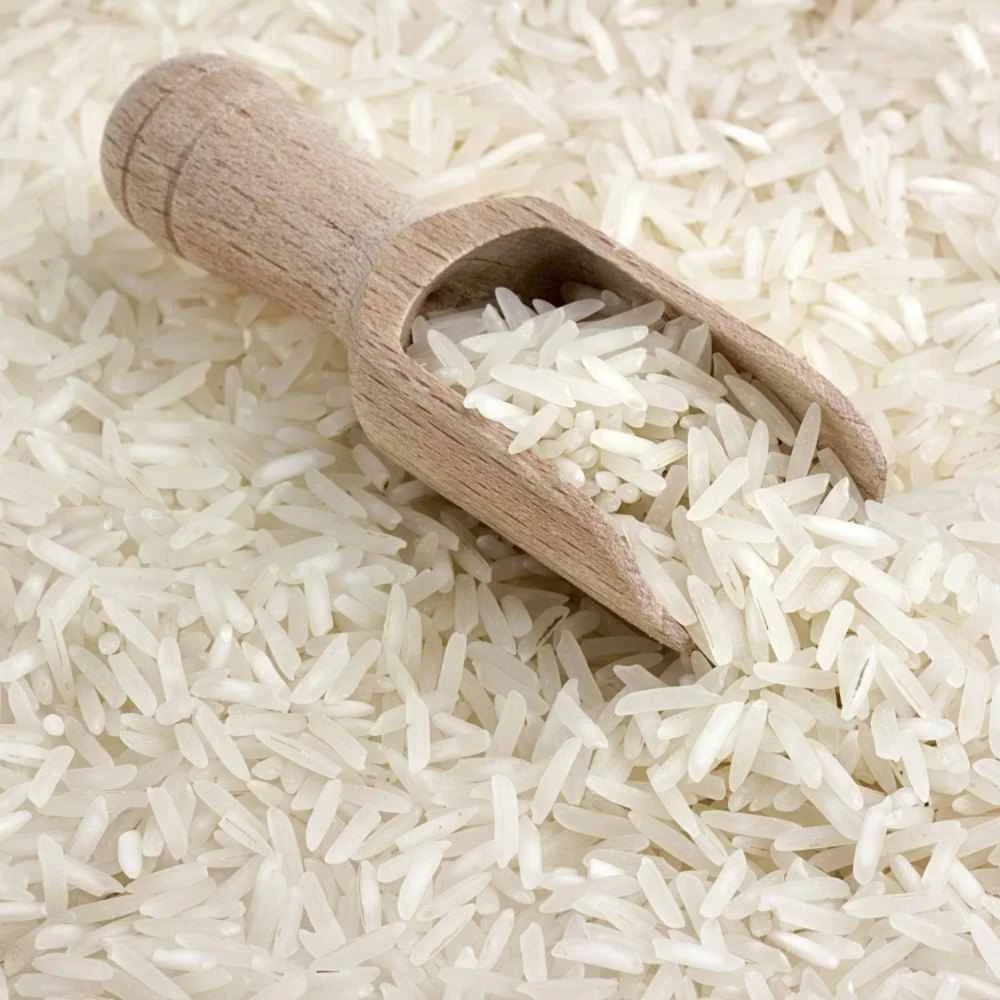
The catalogue mentions rice as a distinct product under the grains & cereals category. Indian rice exporters usually differentiate between Basmati and non‑Basmati grades, each with defined moisture limits and kernel length specifications.
Which shellac grades are available from this supplier?
The supplier lists multiple shellac variants, including Dewaxed Bleached Shellac, Lemon No. 1 (Handmade), Orange Shellac (Machine Made), and colour‑specific grades such as Super Blonde and Platina. Typical industry specifications for these grades cover acid value, colour L* rating and purity levels.
Are phytosanitary certificates required for the fresh onions?
Yes, fresh produce exported from India, including onions, normally requires a phytosanitary certificate that confirms compliance with the importing country’s plant health regulations and Codex pesticide limits.
What documentation should I request for the shellac products?
Buyers should ask for a certificate of analysis stating acid value, colour (L*), wax content and purity, plus a declaration of origin and, if applicable, REACH compliance for EU shipments.
How is rice typically packaged for export from India?
Milled rice is commonly packed in 25 kg polypropylene bags, stacked in 20‑foot containers that can hold up to 18 tonnes. The packaging is designed to protect against moisture ingress and physical breakage.
 India
Related Suppliers & Products
Explore similar suppliers, related products and trending categories