NAM VIET FOODS & BEVERAGE JSC — Supplier
About NAM VIET FOODS & BEVERAGE JSC - Beverages Supplier in Viet Nam
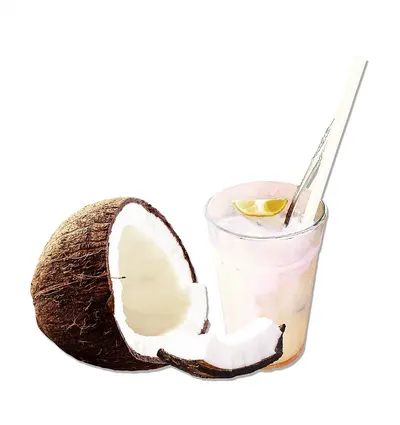
Vietnam‑based NAM VIET FOODS & BEVERAGE JSC lists 562 active products across a broad beverage portfolio. The catalogue covers fruit‑based soft drinks, ready‑to‑drink juices, concentrated fruit juices, carbonated and non‑carbonated tea drinks, as well as specialty items such as bird’s‑nest extracts and coconut milk. All items are classified under HS chapter 20 (fruit juices) or HS chapter 21 (beverages and prepared drinks). The product titles reference a mix of flavored soft drinks (e.g., VINUT Peach Juice Refresh Soft Drink) and functional drinks (e.g., Natural Bird's Nest Drink White Fungus).
Product Range and Specialties of NAM VIET FOODS & BEVERAGE JSC
The supplier’s catalogue includes ready‑to‑drink fruit juices (peach, apple, orange, lemon, lime, mango, guava), soft‑drink variants with green tea or herbal bases, and concentrated juice drums (30 % juice, 200 kg drums). Typical industry specifications for fruit‑juice drinks involve pasteurisation at 85‑90 °C, Brix levels between 10‑12 % for soft drinks and 30‑35 % for concentrates, and shelf‑life of 12‑18 months in PET or glass containers. Bird’s‑nest white fungus products are normally graded by purity (e.g., 99 % pure) and sold in canned or dried form; coconut milk is offered with a declared fat content of 12‑14 %. Packaging formats range from 320 ml bottles to 1‑2 L PET bottles, 200 kg drums, and 500 g PE bags for dried mango.
Trade and Export Information - NAM VIET FOODS & BEVERAGE JSC
Vietnam exports beverage products primarily to ASEAN markets, the Middle East, Europe and North America. HS 2009 (fruit juices) and HS 2106 (preparations of beverages) are the common tariff lines used for customs clearance. Buyers typically request HACCP, ISO 22000 or GFSI‑aligned certifications, and for organic‑labelled coconut milk an EU organic certificate or USDA organic equivalence. Standard export logistics involve 20‑ft or 40‑ft containers with temperature‑controlled pallets for perishable drinks, and bulk drums for concentrates. Vietnamese food exporters often comply with the ASEAN‑GAP framework, and many buyers require a Certificate of Origin and a laboratory analysis report for pesticide residues and microbiological safety.
Sourcing from NAM VIET FOODS & BEVERAGE JSC - Buyer Guidance
When sourcing from this supplier, request a recent Certificate of Analysis covering Brix, acidity, microbial limits (e.g., total plate count < 10 CFU/g) and any allergen statements. For bird’s‑nest products, verify the purity grade and request a heavy‑metal test report. Samples are usually supplied in 250 ml PET bottles for drinks and 500 g bags for dried fruit, allowing buyers to assess flavour, colour and viscosity. Confirm the packaging material complies with FDA‑GRAS or EU food‑contact regulations, and clarify the minimum order quantity, which often starts at one 20‑ft container for bulk concentrates.
Frequently Asked Questions About NAM VIET FOODS & BEVERAGE JSC
What HS codes apply to the fruit‑juice drinks listed by NAM VIET FOODS & BEVERAGE JSC?
Fruit‑juice drinks fall under HS 2009 (fruit juices) for pure juice and HS 2106 (preparations of beverages) for flavored soft drinks and ready‑to‑drink mixes.
Which certifications should a buyer request for the coconut milk product?
Buyers should ask for HACCP or ISO 22000 compliance, and if the product is marketed as organic, an EU organic or USDA organic certificate should be provided.
How is the purity of the bird’s‑nest white fungus verified?
Purity is confirmed by a laboratory analysis reporting protein content, heavy‑metal limits (e.g., lead < 0.01 mg/kg) and the absence of adulterants, typically documented in a Certificate of Analysis.
What are the typical packaging sizes for the mango juice concentrate?
Mango juice concentrate is offered in 200 kg drums and 1‑2 L PET bottles; the 200 kg drums are loaded on pallets for container shipping.
What sample size is standard for testing the green‑tea soft drink?
A 250 ml PET sample is commonly provided for sensory evaluation and laboratory testing of Brix, caffeine content and microbial limits.
Which documents are needed for customs clearance of the soft‑drink products?
A commercial invoice, packing list, Certificate of Origin, and any required health certificates (e.g., phytosanitary or HACCP) are standard for HS 2106 beverage shipments.
What is the typical lead time for a 20‑ft container of juice concentrate?
Lead times usually range from 30 to 45 days from order confirmation, depending on production scheduling and container availability.
Are the soft drinks carbonated or non‑carbonated, and how is this indicated?
The catalogue lists both carbonated (e.g., VINUT Real Orange Juice Soft Drink) and non‑carbonated variants (e.g., Iced Green Tea Refresh Soft Drink); carbonation status is indicated in the product description and label specifications.




 , Viet Nam