Metrotex Industries — Verified Manufacturer & Wholesale Supplier
About Metrotex Industries - Knitted Garments Supplier in Pakistan
Metrotex Industries operates from Karachi in the Sindh province of Pakistan. The supplier lists seven active products covering knitted garments and related fabrics. Its catalogue spans categories such as shirts, tunic, leggings and jeggings, fleece fabrics and hoodies. These items fall under HS code families 5108, 6109, 6204, 6110 and 6103, reflecting yarn, cotton apparel and fleece products. The product count and categories indicate a focus on casual and sportswear garments for men, women and children.
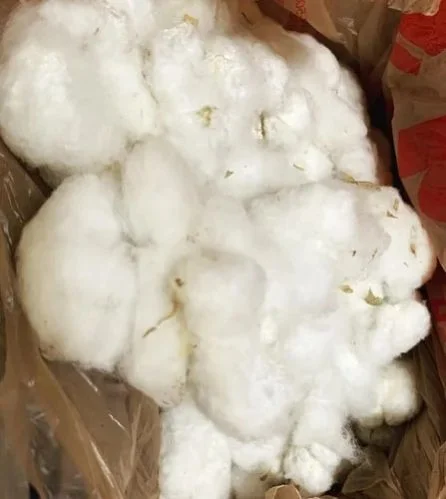
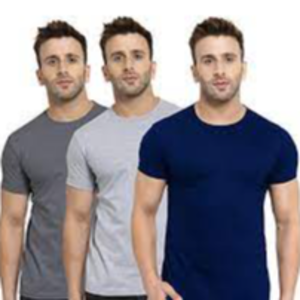
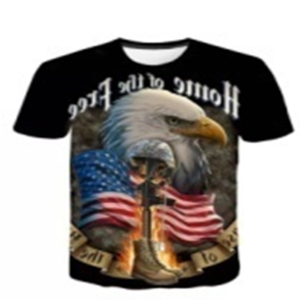
Specific entries include an RG Yarn T‑shirt (HS 5108.11) made from fine cashmere animal hair yarn. A 100 % cotton T‑shirt and a CVC blend T‑shirt are recorded under HS 6109.10 and 6109.10.00 respectively. The crew neck garment uses a cotton/polyester blend classified under HS 6204.62. Hoodie and fleece items are listed with HS 6110.20, 6110.30 and 6103.42, covering 100 % cotton, polyester fleece and cotton‑fleece blends. All products are described by material composition without additional certifications noted in the supplied data.
Product Range and Specialties of Metrotex Industries
The T‑shirt line includes 100 % cotton and cotton‑polyester blend fabrics that typically range from 150 to 180 g m⁻² (GSM) and are finished with a single‑needle stitching of 12‑14 threads per cm. Cashmere fine animal hair yarn used for the RG Yarn T‑shirt is commonly graded by micron count, with premium grades around 15 µm and a tensile strength of 30‑35 MPa. CVC blends usually contain 55 % cotton and 45 % polyester, offering balanced shrinkage (≤3 %) and colour fastness to washing.
Fleece garments such as the basic hoodie (HS 6110.20) and fleece quarter‑zip (HS 6110.30) are produced from 100 % polyester or polyester blends with a typical fabric weight of 260‑300 g m⁻² and a loft measured by fill power of 200‑250. The cotton‑fleece pants (HS 6103.42) combine 80 % cotton and 20 % polyester, delivering a fabric weight of 210‑240 g m⁻² and a brushed surface for softness. Industry standards for these products include ISO 105‑C06 for colourfastness to washing and ISO 9073‑2 for textile flammability.
Trade and Export Information - Metrotex Industries
Pakistan is a major exporter of knitted apparel, with the European Union, United States and Middle East regions accounting for the largest share of textile imports. HS codes 5108, 6109, 6204, 6110 and 6103 are routinely inspected under the EU’s REACH and US CPSC regulations, requiring documentation such as material safety data sheets and test reports for fibre composition and restricted substances.
Buyers typically request certifications like Oeko‑Tex Standard 100, ISO 9001 quality‑management and, for organic‑labelled items, GOTS verification. Export shipments from Karachi are commonly packed in 40‑ft containers, with garments folded and placed in polyethylene bags, then loaded on wooden pallets. Incoterms such as FOB Karachi or CIF Dubai are standard for this product group, and customs authorities often require a commercial invoice, packing list and a certificate of origin for duty assessment.
Sourcing from Metrotex Industries - Buyer Guidance
When sourcing from Metrotex Industries, request a fibre‑content certificate and test reports covering shrinkage, colourfastness (ISO 105‑C06) and dimensional stability. For cashmere yarn, ask for a micron‑count analysis and tensile strength data to confirm premium grade. Verify that the supplier can provide Oeko‑Tex or equivalent test certificates if the buyer’s market requires restricted‑substance compliance.
Typical minimum order quantities for T‑shirts range from 500 to 1,000 pieces per colour and size, while fleece garments often start at 300 pieces per style. Lead times for bulk production are usually 30‑45 days after artwork approval and sample acceptance. Packaging is normally in individual poly‑bags (single‑layer, 30 µm thickness) placed on export‑grade pallets, with a full container load (FCL) capacity of approximately 20 metric tonnes for the listed product mix.
Frequently Asked Questions About Metrotex Industries
What product categories does Metrotex Industries list in its catalogue?
The catalogue includes RG Yarn T‑shirt, 100 % cotton T‑shirt, CVC blend T‑shirt, crew neck, basic hoodie, fleece quarter‑zip and fleece pants, covering shirts, knits and fleece garments.
Which HS codes are associated with the listed products?
The products are classified under HS 5108.11 (cashmere yarn T‑shirt), 6109.10 and 6109.10.00 (cotton and CVC T‑shirts), 6204.62 (crew neck), 6110.20 (basic hoodie), 6110.30 (fleece quarter‑zip) and 6103.42 (fleece pants).
What materials are used for the T‑shirt range?
Materials include 100 % cotton, a cotton‑polyester CVC blend (typically 55 % cotton/45 % polyester) and fine cashmere animal hair yarn for the RG Yarn T‑shirt.
Are there any standard certifications buyers should request for these garments?
Buyers should request Oeko‑Tex Standard 100 for restricted substances, ISO 105‑C06 colourfastness to washing, and, for organic claims, GOTS certification. ISO 9001 quality‑management documentation is also common.
What are typical minimum order quantities and lead times?
Minimum order quantities are generally 500‑1,000 pieces per colour for T‑shirts and 300 pieces per style for fleece items. Production lead time after sample approval is typically 30‑45 days.
How are the garments usually packaged for export?
Items are packed in single‑layer polyethylene bags, stacked on export‑grade wooden pallets, and loaded into 20‑ft or 40‑ft containers, often under FOB Karachi or CIF Dubai terms.
What tests should be verified before placing an order?
Verify fibre‑content certificates, shrinkage percentages (≤3 % for cotton blends), colourfastness to washing (ISO 105‑C06) and, for cashmere yarn, micron‑count and tensile strength results.
Which markets commonly import knitted garments from Pakistan?
The European Union, United States and Gulf Cooperation Council countries are the primary import markets for Pakistani knitted apparel, driven by demand for casual and sportswear categories.




 , Pakistan