Mega Energy Enterprises — Verified Trader & Wholesale Supplier
About Mega Energy Enterprises - Kerosene Oil Supplier in Nigeria
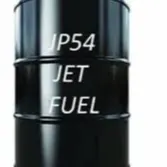
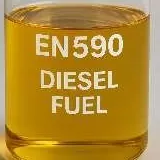
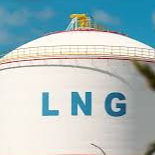
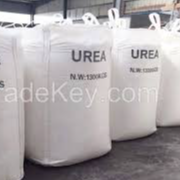
Mega Energy Enterprises is registered in Lagos, Nigeria and lists six active products across petroleum and related chemical categories. The catalogue includes EN590 diesel with a sulfur content below 10 ppm (HS 2710.19), liquefied natural gas (LNG), UREA fertilizer with 46 % nitrogen, petroleum bitumen (HS 2708.10), petroleum coke and aviation fuel JP‑54. Each product is described by its material type, such as refined petroleum diesel or hydrocarbon binder for bitumen, reflecting the supplier’s focus on bulk energy commodities. The supplier’s tier is noted as imported with a harbor trust tier, indicating it sources goods for resale rather than primary production. Product listings are limited to the six items mentioned, with no additional categories or specifications provided in the source data.
Product Range and Specialties of Mega Energy Enterprises
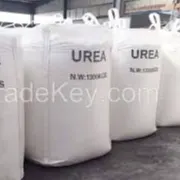
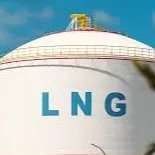
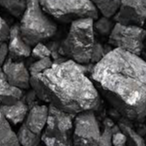
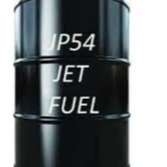
The diesel offering follows the EN590 European standard, which mandates sulfur < 10 ppm, a cetane number of at least 51, and a density between 820‑845 kg/m³ at 15 °C. LNG is typically supplied as cryogenic liquid with methane purity > 90 % and a calorific value around 50 MJ/kg. UREA 46 % fertilizer conforms to the common granule size of 2‑4 mm and nitrogen content of 46 % by weight, used widely in nitrogen‑based fertilization programs. Bitumen is usually classified by penetration grade (e.g., 60/70) and softening point, serving road construction and roofing markets. Petroleum coke (petcoke) is often delivered in 25‑ton bags or bulk, with an ash content below 12 % and a calorific value near 30 MJ/kg. Aviation fuel JP‑54 meets the ASTM D1655 specification, featuring a flash point ≥ 38 °C and a sulfur limit of 30 ppm.
Trade and Export Information - Mega Energy Enterprises
Nigeria is a net exporter of refined petroleum products, and shipments of diesel, bitumen and aviation fuel from Lagos ports commonly target markets in West Africa, the Middle East and parts of Europe. HS chapter 27 (mineral fuels) governs most of the listed items, with diesel under 2710, bitumen under 2708 and related products sharing similar customs procedures. Buyers typically request certificates such as API 6A for fuel quality, ISO 9001 quality management, and a Certificate of Origin to satisfy import regulations. LNG export from Nigeria follows the International Maritime Organization’s (IMO) guidelines for cryogenic cargo, requiring insulated double‑wall tanks and compliance with the Bunker Delivery Note (BDN) format. Fertilizer shipments are subject to phytosanitary checks and may need a Fertilizer Registration Certificate in destination countries, while petcoke is often shipped in bulk carriers with moisture content below 2 % to meet handling standards.
Sourcing from Mega Energy Enterprises - Buyer Guidance
When sourcing diesel or aviation fuel, request a recent laboratory analysis report confirming sulfur content, cetane number or flash point, and the applicable ASTM or EN standards. For LNG, ask for a methane content certificate, calorific value test, and the ship’s cargo manifest confirming temperature and pressure specifications. UREA fertilizer buyers should obtain a product specification sheet showing nitrogen content, granule size distribution, and any heavy‑metal limits required by the importing country. Bitumen purchasers need a penetration‑grade test report and a softening point measurement, along with a bulk density figure. For petcoke, request an analysis of ash, sulfur and moisture levels, as well as a material safety data sheet (MSDS) that outlines handling precautions.
Frequently Asked Questions About Mega Energy Enterprises
What HS codes are associated with Mega Energy Enterprises' diesel and bitumen products?
The EN590 diesel is listed under HS 2710.19 and the petroleum bitumen is listed under HS 2708.10, both belonging to the mineral fuels chapter.
Which specifications should a buyer verify for the EN590 10 ppm diesel?
Buyers should confirm sulfur < 10 ppm, a cetane number of at least 51, density between 820‑845 kg/m³ at 15 °C, and compliance with the EN 590 standard.
What documentation is typical for LNG shipments from Nigeria?
Typical documents include a Certificate of Origin, a cargo manifest with temperature and pressure data, a Bunker Delivery Note, and a laboratory analysis confirming methane purity above 90 %.
How is UREA 46 % fertilizer quality usually demonstrated?
Suppliers provide a specification sheet showing 46 % nitrogen content, granule size 2‑4 mm, and test results for heavy‑metal limits, often accompanied by an ISO 9001 certificate.
What are common grades for the bitumen offered by Mega Energy Enterprises?
Bitumen is usually classified by penetration grade such as 60/70 or 80/100 and a softening point around 100 °C; buyers typically request a penetration test report.
What packaging options are standard for PET coke and aviation fuel JP‑54?
Petroleum coke is often shipped in 25‑ton bulk bags or in bulk carrier holds with moisture below 2 %. Aviation fuel JP‑54 is delivered in ISO‑compatible bulk tankers meeting ASTM D1655 specifications.
Which certifications are generally required for importing these petroleum products?
Importers commonly request API product certifications, ISO 9001 quality management, and compliance with the IMO’s fuel handling regulations, as well as a COA for each batch.
What lead times are typical for bulk orders of diesel or bitumen from Lagos?
Lead times usually range from 2 weeks to 4 weeks depending on vessel availability, port clearance procedures and the need for pre‑shipment laboratory testing.




 , Nigeria