Mayta Jaya Mandiri — Verified Supplier
About Mayta Jaya Mandiri - Spice Supplier in Indonesia
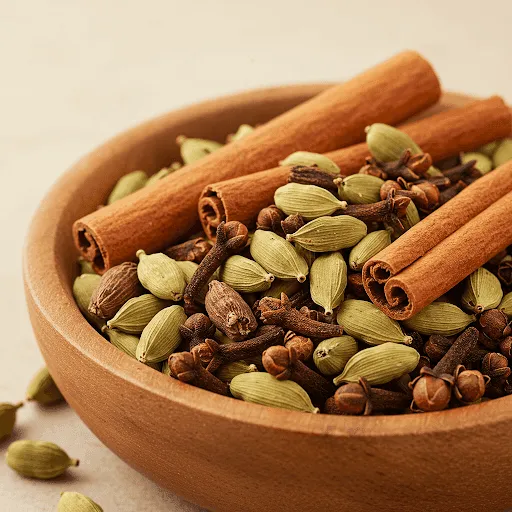
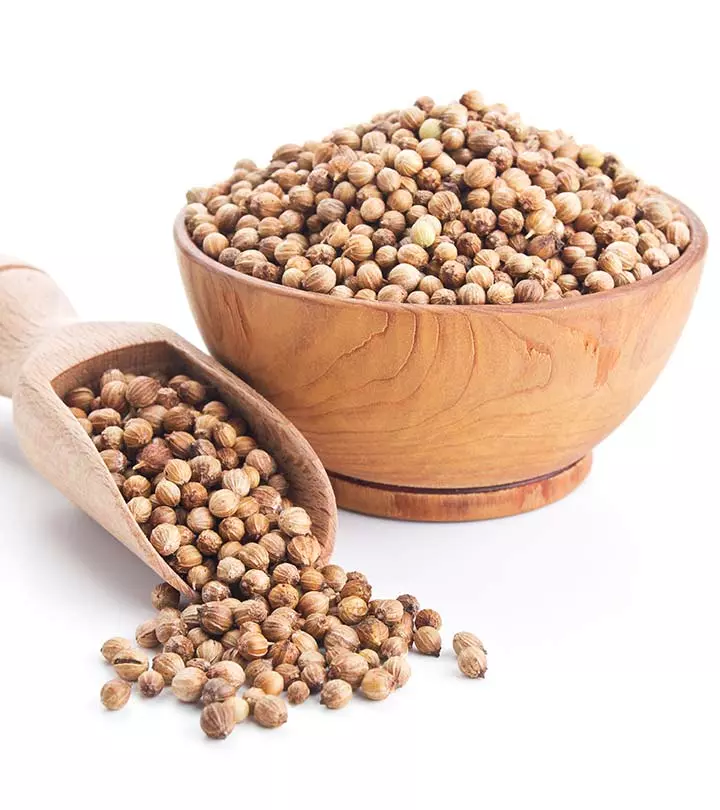
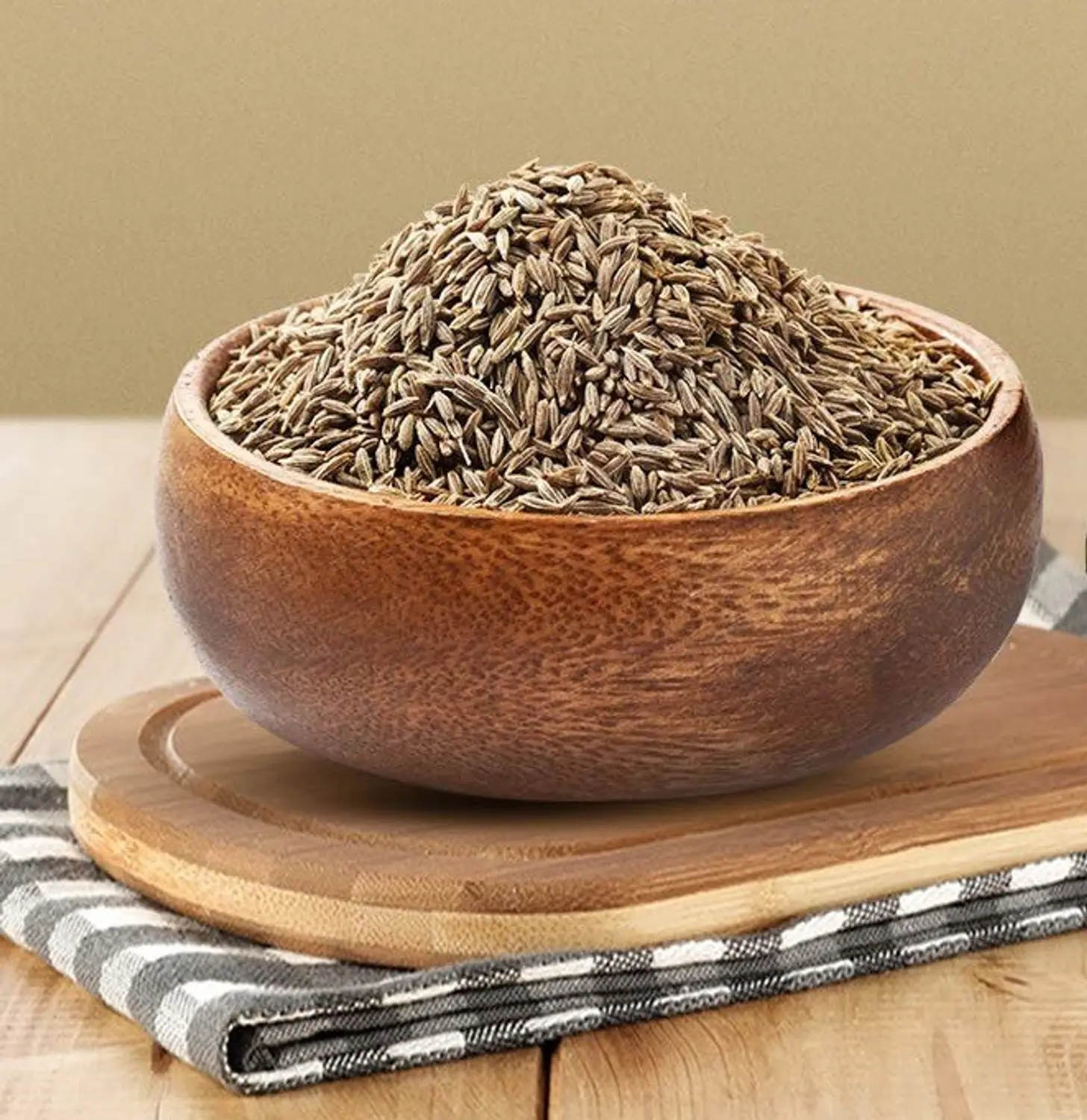
Indonesia hosts Mayta Jaya Mandiri, a supplier that currently lists six active spice products. The catalogue includes 8 cm cinnamon sticks, whole coriander seeds, whole cumin seeds, black peppercorns with a grain length of 500‑550, whole clove buds, and turmeric powder in bulk form. Each item belongs to the HS chapter 09 family that covers spices and condiments, with typical headings such as 0901 for cinnamon, 0902 for pepper and other dried herbs, and 0905 for turmeric. The supplier’s trust tier is classified as harbor, indicating a moderate level of verification within trade platforms.
The listed products are presented in raw or minimally processed form, suitable for both bulk shipment and downstream packaging. No additional processing claims are made, and the catalogue does not specify certifications held by the supplier. Buyers can expect standard spice specifications such as moisture limits below 12 % for most dried seeds and uniform grain size for peppercorns. The product count of six reflects the current active inventory available for export.
Product Range and Specialties of Mayta Jaya Mandiri
The catalogue shows six distinct spice items: 8 cm cinnamon sticks, whole coriander seeds, whole cumin seeds, black peppercorns of 500‑550 grain length, clove buds, and turmeric powder. In the spice trade, cinnamon sticks are graded by length, diameter and moisture, with grade A sticks typically 8 cm long and ≤12 % moisture. Whole coriander and cumin seeds are usually sized 4‑6 mm, free of foreign matter, and meet ISO 6678 specifications for purity and microbial limits. Black peppercorns in the 500‑550 grain range are evaluated for oil content (30‑35 %), moisture (≤12 %), and uniformity, while clove buds are assessed for bud size and essential oil content. Turmeric powder is commonly required to have ≥95 % curcumin, low ash, and moisture under 10 %, adhering to food‑grade standards such as ISO 11036.
Industry practice also includes providing a Certificate of Analysis (CoA) that documents these parameters, along with pesticide residue limits that comply with EU Regulation 396/2005 or US FDA tolerances. Buyers often request bulk packaging in food‑grade polyethylene bags of 25 kg or 50 kg, with optional smaller retail packs for finished goods.
Trade and Export Information - Mayta Jaya Mandiri
Indonesia ranks among the world’s top exporters of spices, supplying the European Union, United States, United Arab Emirates, Japan and India with bulk dried herbs and powders. HS chapter 09 codes are routinely inspected under phytosanitary regulations, requiring a phytosanitary certificate and, for many markets, a certificate of origin. Commonly required certifications include ISO 22000 or HACCP for food safety management, and buyers may also ask for organic or fair‑trade certificates if the product claims such attributes. Standard logistics involve loading the 25 kg bags into 20‑ft or 40‑ft containers, with Incoterms such as FOB Jakarta Port or CIF major destination ports. The supplier’s harbor trust tier suggests that basic verification has been performed, but buyers should still obtain the full suite of export documents before shipment.
Sourcing from Mayta Jaya Mandiri - Buyer Guidance
When sourcing from Mayta Jaya Mandiri, request a recent Certificate of Analysis that details moisture, oil content, microbial counts and pesticide residues for each spice. Verify that a phytosanitary certificate is issued by the Indonesian Plant Quarantine Service and that the packaging complies with food‑grade standards. It is advisable to obtain a sample batch for laboratory testing before confirming a full order, especially for turmeric powder where curcumin content is critical. Confirm the HS code that will be used for customs clearance and ensure that the commercial invoice, packing list and certificate of origin are prepared in accordance with the destination country’s import regulations.
Frequently Asked Questions About Mayta Jaya Mandiri
What spice products does Mayta Jaya Mandiri currently list?
The supplier lists six products: 8 cm cinnamon sticks, whole coriander seeds, whole cumin seeds, black peppercorns with a grain length of 500‑550, whole clove buds, and turmeric powder in bulk form. Each product falls under the HS chapter 09 spice category.
What are the typical quality specifications for the black peppercorns?
Black peppercorns in the 500‑550 grain range are usually assessed for grain length, moisture not exceeding 12 %, oil content between 30‑35 %, and absence of foreign matter. They commonly meet ISO 6678 requirements for purity and microbial limits.
Which certifications should a buyer request from this supplier?
Buyers normally request a phytosanitary certificate, a Certificate of Analysis, and evidence of food‑safety systems such as ISO 22000 or HACCP. Additional certificates like organic or fair‑trade should be requested only if the product claims those attributes.
What packaging formats are standard for these spices?
Bulk spices are typically packed in food‑grade polyethylene bags of 25 kg or 50 kg, sealed to protect against moisture. For retail distribution, the same spices can be re‑packaged into smaller jars or sachets, and containers are loaded in 20‑ft or 40‑ft sea containers.
What HS codes apply to the listed products?
Cinnamon sticks are classified under HS 0901.30, whole coriander and cumin seeds under HS 0902.30, black pepper under HS 0902.10, clove buds under HS 0902.20, and turmeric powder under HS 0905.10. These codes are used for customs declaration and statistical tracking.
What lead times can buyers expect for orders?
For items that are in stock, lead times are typically around two weeks from order confirmation. Larger or customized shipments may require up to six weeks, depending on the volume and any additional testing or certification steps.
Which markets are the main importers of Indonesian spices?
The European Union, United States, United Arab Emirates, Japan and India are the principal destinations for Indonesian spice exports. Trade agreements and established logistics routes facilitate regular shipments to these regions.
What documentation is needed for customs clearance of these spices?
Standard documentation includes a commercial invoice, packing list, phytosanitary certificate, certificate of origin and a Certificate of Analysis for each product. Providing these documents in advance helps avoid delays at the port of entry.




 , Indonesia