Lukonge International Group — Verified Supplier
About Lukonge International Group - Copper Supplier in Tanzania
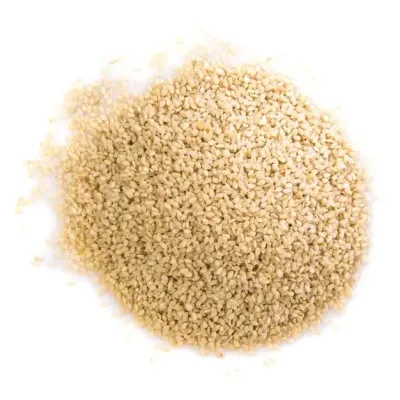
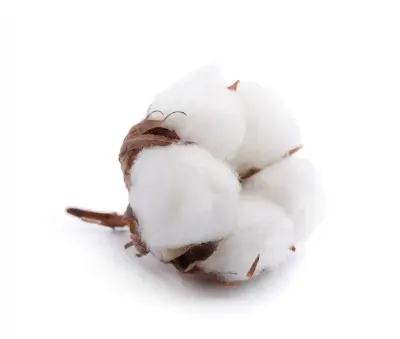
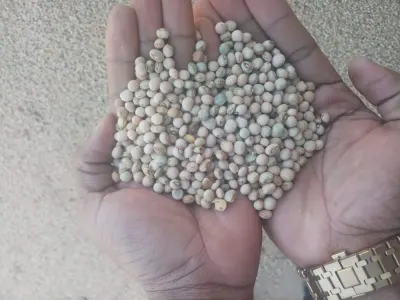
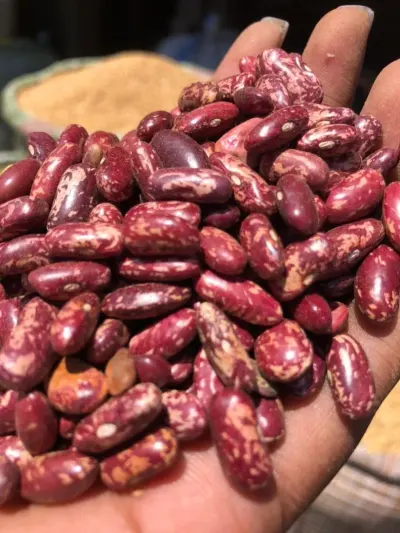
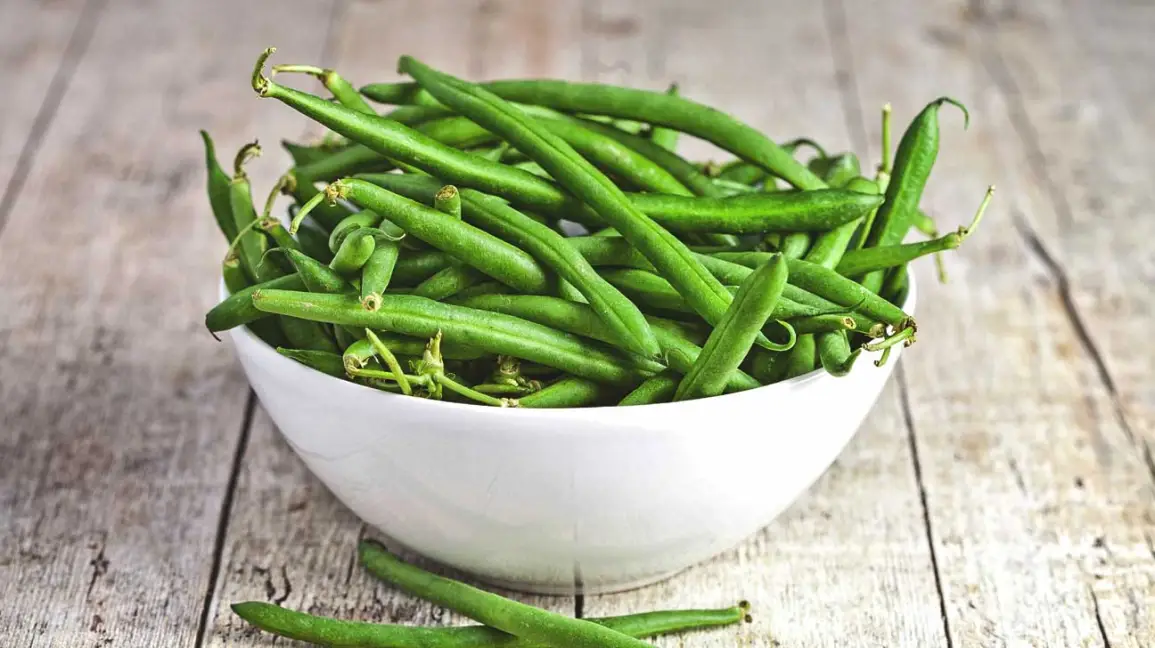
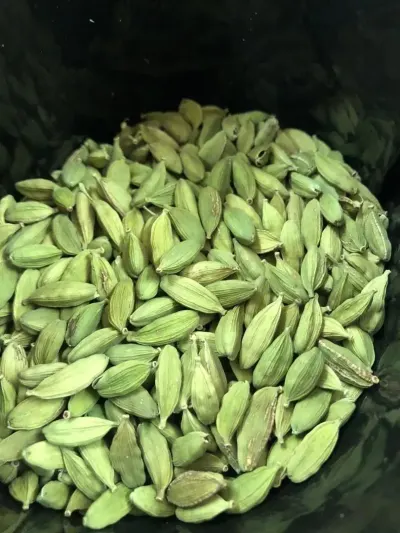
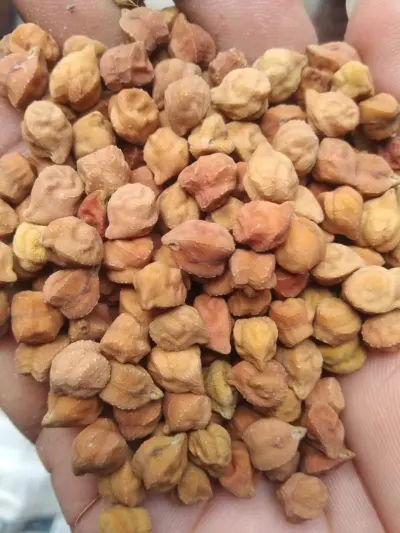
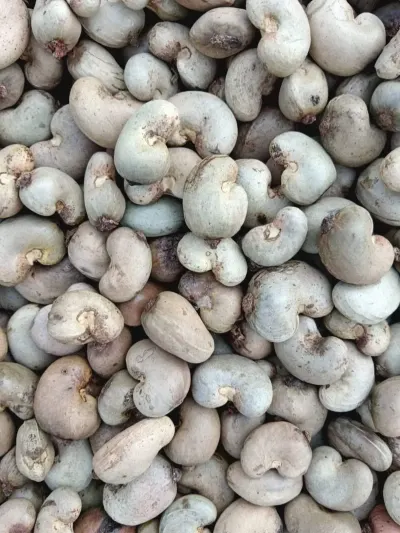
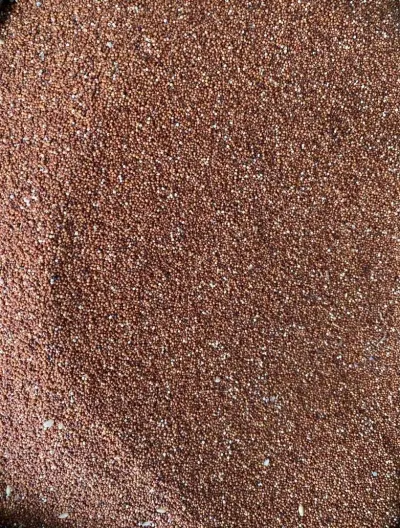
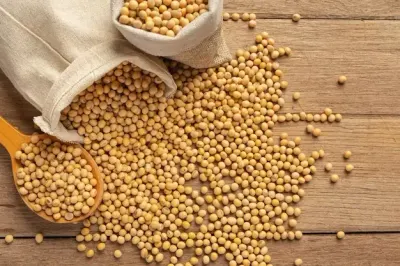
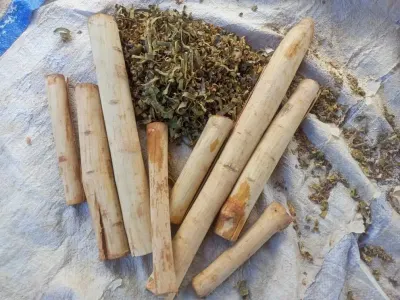
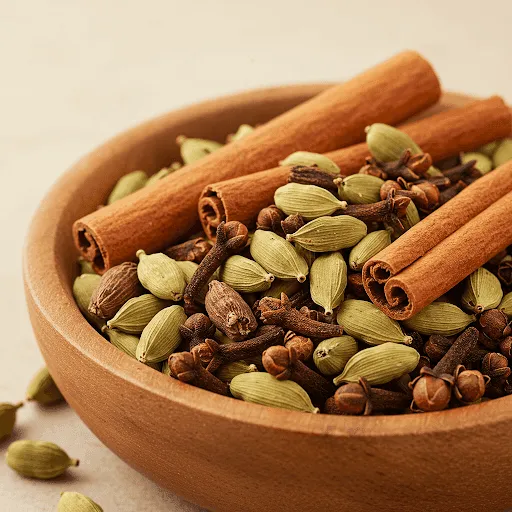
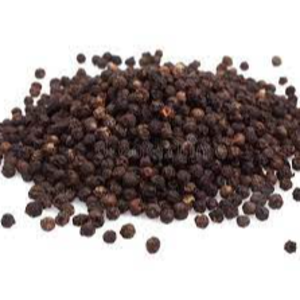
Lukonge International Group is based in Tanzania and lists 21 active products across mineral and agricultural categories. The catalogue includes copper cathodes (HS 7403.11, electrolytic Cu 99.99 %), avocado (HS 0804.40, fresh perishable fruit), green mung beans (HS 0713.33, dried whole beans) and a range of spices, cereals and legumes such as black cardamom, white and yellow maize, coffee beans, cloves, black pepper, sesame seeds, soybean, sorghum, cashew nuts, chickpeas, kidney beans, pigeon peas, cotton and coal. The supplier’s profile also mentions lead exports, although lead does not appear as a separate line item in the detailed catalogue. The product list therefore spans primary commodities and value‑added agricultural goods.
The active product count of 21 covers eight top‑level categories reported: black cardamom, maize, copper, avocado, sugar, coffee beans, cloves and pepper. Within the sugar segment the supplier references ICUMSA 43 and ICUMSA 45 grades, which are standard purity specifications for raw sugar. The copper entry specifies electrolytic cathodes with a purity of 99.99 %, aligning with the common ASTM B115 specification for refined copper. The agricultural items are classified under HS chapters 08 (fresh fruit), 07 (dried beans), 12 (oil seeds) and 10 (cereals), matching typical Tanzanian export classifications.
Product Range and Specialties of Lukonge International Group
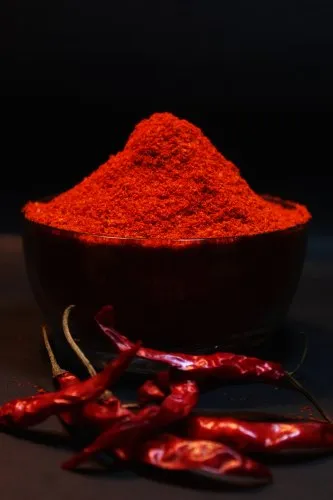
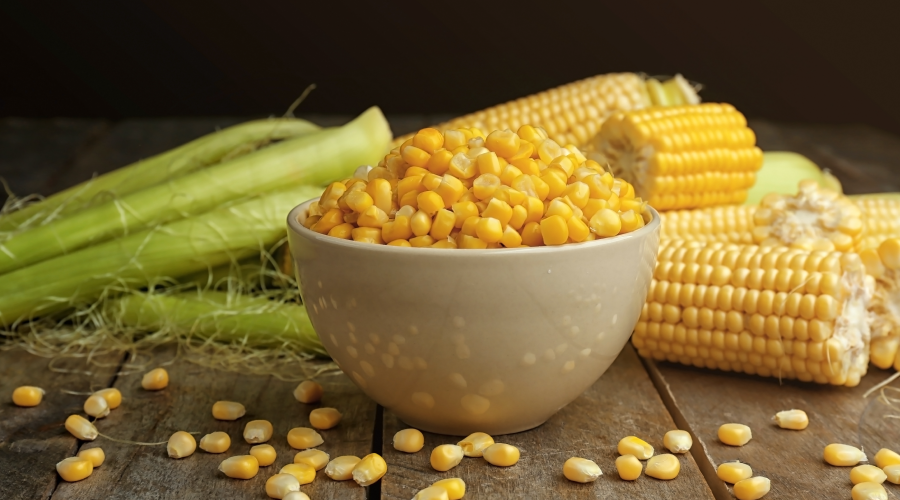
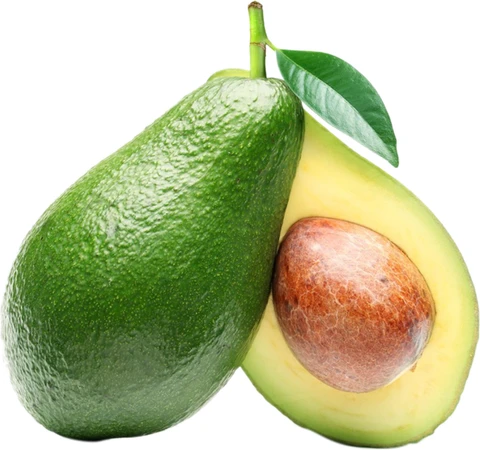
The catalogue’s copper product (HS 7403.11) is an electrolytic cathode meeting 99.99 % Cu purity; buyers usually verify copper grade against ASTM B115 or IEC 60228 standards and request assay reports. Avocado (HS 0804.40) is exported as fresh, whole fruit, commonly graded A‑A‑ or A‑B‑ with size ranges 150‑200 mm and moisture content below 85 %. Green mung beans (HS 0713.33) are dried whole beans, typically meeting ICAR‑GAP specifications for moisture ≤12 % and foreign matter ≤2 %. Sugar listed as ICUMSA 43 and 45 conforms to the International Commission for Uniform Methods of Sugar Analysis, where ICUMSA 45 indicates a higher purity level suitable for confectionery. Spices such as black cardamom, cloves and black pepper are usually classified under HS 0909 and HS 0910, with typical grades based on oil content, particle size and moisture. Maize varieties (white and yellow) fall under HS 1005 and are commonly exported as cleaned, hulled kernels with moisture ≤14 %.
Trade and Export Information - Lukonge International Group
Tanzania’s mineral exports, especially refined copper cathodes, are primarily shipped to the EU, China and India under HS 7403, often requiring a Certificate of Origin and a third‑party assay report. Agricultural produce from Tanzania, including avocado, maize and spices, is regularly sent to Middle‑East, Asian and European markets; shipments are usually in refrigerated containers (20 ft or 40 ft) for fresh fruit and in bulk bags for dried goods. Common certifications requested by importers are Phytosanitary certificates, ISO 22000 food safety management, and for sugar, a laboratory analysis confirming ICUMSA grade. HS 0713 for dried beans typically demands fumigation certificates and compliance with EU pesticide residue limits. Export logistics from Dar es Salaam port often use CIF terms, with container loading guidelines specifying palletized fresh produce and bulk bagging for commodities like copper cathodes.
Sourcing from Lukonge International Group - Buyer Guidance
When sourcing copper cathodes from this supplier, request a recent assay certificate, compliance with ASTM B115, and a full material safety data sheet (MSDS). For avocado, ask for a pre‑shipment phytosanitary certificate, a packing list indicating fruit size and moisture level, and a cold‑chain traceability record. Sugar buyers should obtain an ICUMSA analysis report, a certificate of analysis for moisture and ash content, and confirm that the shipment meets the destination country’s tariff classification. For spices and legumes, request a commodity inspection report covering moisture, foreign matter and pesticide residues, together with a GMP or ISO 22000 statement. Verify that HS codes in the commercial invoice match the product descriptions to avoid customs delays.
Frequently Asked Questions About Lukonge International Group
What HS code does Lukonge International Group use for its copper product?
The copper cathode is listed under HS 7403.11, which covers refined copper cathodes of 99.99 % purity.
Which quality standard should buyers check for the copper cathodes?
Buyers should request an assay report referencing ASTM B115 or IEC 60228 to confirm the 99.99 % purity level.
What certifications are typically required for importing avocado from Tanzania?
Importers normally require a Phytosanitary certificate, an ISO 22000 or GMP statement, and a temperature‑controlled transport record for fresh avocado.
How is sugar quality verified for the ICUMSA 43 and 45 grades mentioned?
A laboratory analysis confirming the ICUMSA colour index (43 or 45), moisture content below 0.1 % and ash content within standard limits is standard practice.
Which HS codes apply to the green mung beans offered by the supplier?
Green mung beans are classified under HS 0713.33, covering dried beans of the Phaseolus genus.
What packaging is typical for the maize products listed?
White and yellow maize are usually packed in 50 kg polypropylene bags or bulk containers, labeled with HS 1005 and moisture content not exceeding 14 %.
Are there any specific documents buyers should request before ordering spices?
Buyers should ask for a commodity inspection report detailing oil content, moisture, foreign matter, and a phytosanitary certificate for spices such as black cardamom, cloves and black pepper.
What logistical terms are commonly used for shipments from Tanzania?
Exporters often quote CIF (Cost, Insurance, Freight) to major ports, using 20 ft or 40 ft containers for perishable items and bulk bag shipments for minerals and grains.




 , Tanzania