Agriculture›
 Apparel and fashion accessories›
 Construction & real estate›💡Electronic & Electrical›🍎Food & Beverages›🛋️Home furnishing & supplies›⚗️Industrial goods & chemical›🪨Minerals & metals›📦Miscellaneous›Agriculture›Apparel and fashion accessories›Construction & real estate›💡Electronic & Electrical›🍎Food & Beverages›🛋️Home furnishing & supplies›⚗️Industrial goods & chemical›🪨Minerals & metals›📦Miscellaneous›
Linyi Gelon New Battery Materials Co., Ltd
⚓ Harbor , ChinaNew supplier / no reviews yet
Linyi Gelon New Battery Materials Co., Ltd Product Catalog
About Linyi Gelon New Battery Materials Co., Ltd - Industrial Chemicals Supplier in China
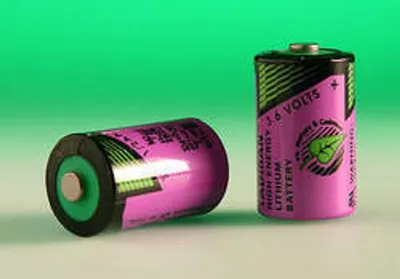
Linyi Gelon New Battery Materials Co., Ltd operates from China and currently lists five distinct products in its catalogue. The company’s catalogue spans two primary sectors - industrial chemicals and aluminum foils - and includes lithium iron phosphate, a lithium‑battery specific aluminum foil, spinel lithium manganese oxide, lithium nickel manganese cobalt oxide, and a polypropylene (PP) film battery separator. Each entry is identified by its product name, and the separator is the only item with a listed HS code (3920.20) and material specification. The product set reflects materials commonly used in lithium‑ion battery cathodes and cell components. The supplier is classified as an imported tier with a harbor trust tier, indicating it is sourced through established trade channels.
The battery separator entry specifies a polypropylene film with HS code 3920.20, which falls under the heading for plastic plates, sheets and film. No HS codes are provided for the cathode materials, which are typically classified under HS chapter 28 for inorganic chemicals. The aluminium foil is described for lithium‑battery applications, aligning it with the thin‑foil segment used for current collectors. The catalogue’s five‑product count demonstrates a focused portfolio aimed at battery cell manufacturers and related industrial users.
Product Range and Specialties of Linyi Gelon New Battery Materials Co., Ltd
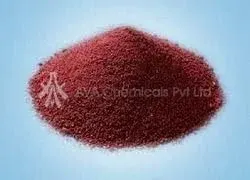
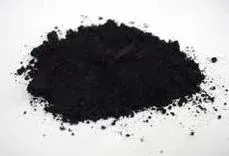
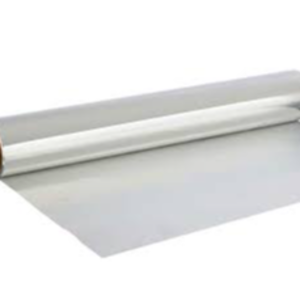
The catalogue’s lithium iron phosphate (LiFePO4) is a common cathode material characterized by a crystal structure that delivers a nominal voltage of 3.2 V and purity levels above 99 %. In the wider market, LiFePO4 grades are often specified by particle size (5‑10 µm) and moisture content below 0.5 %. The spinel lithium manganese oxide (LiMn₂O₄) listed is a high‑rate cathode typically offered in a 1:1 stoichiometry with a voltage plateau near 4.0 V; buyers usually request a surface area of 0.5‑1 m² g⁻¹ and low cobalt content. Lithium nickel manganese cobalt oxide (NMC) products are identified by their Ni:Mn:Co ratios, such as 1:1:1 or 5:3:2, and are evaluated for specific capacity (150‑200 mAh g⁻¹) and thermal stability. The aluminium foil for lithium‑battery use is usually supplied in thicknesses ranging from 6 µm to 20 µm, with conductivity of 37‑45 % IACS and a tensile strength above 150 MPa. The PP film separator, classified under HS 3920.20, is typically produced at 20‑30 µm thickness, porosity of 30‑45 %, and a melt‑temperature exceeding 160 °C, meeting the mechanical strength required for high‑current cells.
Frequently Asked Questions About Linyi Gelon New Battery Materials Co., Ltd
What battery‑related products does Linyi Gelon list in its catalogue?
The catalogue includes lithium iron phosphate, spinel lithium manganese oxide, lithium nickel manganese cobalt oxide, an aluminium foil designed for lithium‑battery applications, and a polypropylene film battery separator (HS 3920.20).
Is the battery separator material specified?
Yes, the separator is identified as a polypropylene (PP) film and is classified under HS code 3920.20, which covers plastic plates, sheets and film.
Which HS code families are relevant to the listed cathode materials?
Lithium‑based cathode chemicals are typically classified under HS chapter 28 (inorganic chemicals), while the separator uses HS 3920.20 from chapter 39 for plastic film.
What certifications should a buyer request for these materials?
Buyers should ask for ISO 9001 quality management, IEC 62660 battery material safety, REACH compliance, and any UL or other safety certifications relevant to lithium‑ion battery components.
What technical specifications are commonly checked for the aluminium foil?
Typical specifications include foil thickness (6‑20 µm), conductivity (37‑45 % IACS), tensile strength (>150 MPa) and surface roughness suitable for current collector use.
ChinaRelated Suppliers & Products
Explore similar suppliers, related products and trending categories

.jpg.png)