Agriculture›
 Apparel and fashion accessories›
 Construction & real estate›💡Electronic & Electrical›🍎Food & Beverages›🛋️Home furnishing & supplies›⚗️Industrial goods & chemical›🪨Minerals & metals›📦Miscellaneous›Agriculture›Apparel and fashion accessories›Construction & real estate›💡Electronic & Electrical›🍎Food & Beverages›🛋️Home furnishing & supplies›⚗️Industrial goods & chemical›🪨Minerals & metals›📦Miscellaneous›
Linan Jinmao Aluminum Co., Ltd.
⚓ Harbor , ChinaNew supplier / no reviews yet
Linan Jinmao Aluminum Co., Ltd. Product Catalog

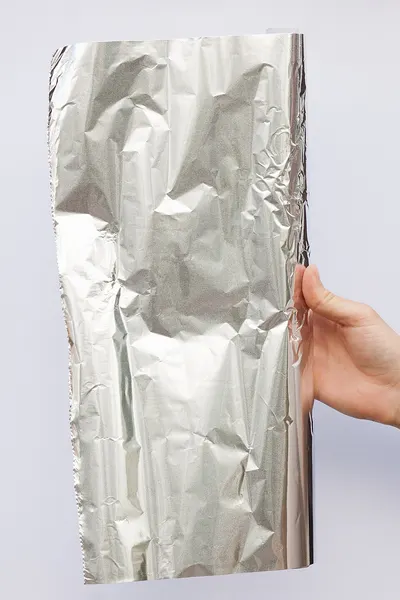


About Linan Jinmao Aluminum Co., Ltd. - Aluminum Foils Supplier in China
Based in China, Linan Jinmao Aluminum Co., Ltd. lists five active aluminum foil products in its catalogue. The portfolio includes tape aluminum foil, Container aluminum foil, heat seal aluminum foil, Cable aluminum foil and Aluminum foil packing bag, each falling under the broader HS chapter 7607 for unwound aluminum foil. The Cable aluminum foil entry specifies HS code 7607.11 and references alloy series 1235, 3003, 8011 and 8079, while the packing bag product cites HS code 7607.19 and grades 8011, 1235 and 1100. These products are described without additional certifications in the supplied data, focusing on material composition and standard HS classifications.
The supplier’s catalogue does not mention any additional product variants beyond the five listed items, nor does it provide details on thickness, width or coating. The information provided is limited to product names, two HS codes and the alloy grades for two items, which indicates a focus on raw or semi‑finished aluminum foil forms suitable for further processing. Buyers can therefore expect to source basic foil formats that may require downstream conversion to specific end‑use specifications.
Product Range and Specialties of Linan Jinmao Aluminum Co., Ltd.
Linan Jinmao Aluminum Co., Ltd. offers tape aluminum foil, Container aluminum foil, heat seal aluminum foil, Cable aluminum foil (HS 7607.11) and Aluminum foil packing bag (HS 7607.19). In the Chinese aluminium foil market, tape and heat‑seal foils are commonly supplied in thicknesses from 6 µm to 30 µm, with surface finishes ranging from matte to glossy to support adhesive bonding. Cable aluminium foil typically uses alloy 1235, 3003 or 8011 for good conductivity and flexibility, and is often supplied in widths of 250 mm to 500 mm for winding around conductors. Packing bags made from grade 8011, 1235 or 1100 are usually produced in 0.02 mm to 0.04 mm thickness and rolled on 1 m or 1.5 m cores for bulk packaging.
Industry standards such as ASTM B209 for aluminium sheet and foil, ISO 2768 for dimensional tolerances, and food‑contact regulations like FDA 21 CFR Part 175 for non‑toxic alloys are typical benchmarks. Buyers often request data on tensile strength (e.g., 150 MPa for alloy 3003), elongation (10‑15 %), and surface roughness (Ra ≤ 0.8 µm) to match processing equipment. The grades listed (8011, 1235, 1100) correspond to commercially pure aluminium with varying strength and formability, which aligns with typical applications in packaging, insulation and electrical industries.
Frequently Asked Questions About Linan Jinmao Aluminum Co., Ltd.
What aluminium foil products does Linan Jinmao list in its catalogue?
The catalogue includes tape aluminium foil, Container aluminium foil, heat seal aluminium foil, Cable aluminium foil (HS 7607.11) and Aluminium foil packing bag (HS 7607.19).
Which alloy grades are mentioned for the Cable aluminium foil?
The Cable aluminium foil entry cites aluminium alloys 1235, 3003, 8011 and 8079, which are common for flexible conductive foils.
What HS codes are associated with the supplier’s products?
Cable aluminium foil is listed under HS code 7607.11, and Aluminium foil packing bag under HS code 7607.19; the other foil types fall under the broader HS chapter 7607 for unwound aluminium foil.
What typical specifications should a buyer request for these foils?
Buyers usually ask for thickness (e.g., 6‑30 µm), tensile strength (around 150 MPa for alloy 3003), elongation (10‑15 %), surface roughness (Ra ≤ 0.8 µm) and an alloy composition certificate.
Are there common certifications required for aluminium foil imports?
Importers often require ISO 9001, ISO 14001, and for food‑contact foils, compliance certificates to FDA 21 CFR Part 175 or EU Regulation 1935/2004.
ChinaRelated Suppliers & Products
Explore similar suppliers, related products and trending categories

.jpg.png)