Lianyungang Dongri — Verified Supplier
About Lianyungang Dongri - Agricultural and Industrial Commodity Supplier in China
Lianyungang Dongri is a China-based supplier operating from Lianyungang, a port city in Jiangsu province that handles significant volumes of agricultural and chemical exports through its coastal terminals on the Yellow Sea. The company lists 5 active products across four catalogued categories: corn-based derivatives, industrial chemicals, wood shavings, and sesame seeds. The catalogue spans agricultural by-products used in feed and bedding, alongside a caprolactam-grade industrial chemical, indicating a mixed commodity profile rather than a single-vertical operation. The listed items combine plant-based raw materials (corn cob meal, corn cob pellets, cotton seed hulls, wood shavings for animal bedding) with an ammonium sulphate product in the caprolactam grade, which is the crystalline form (often referred to as granular or crystalline caprolactam-grade ammonium sulphate) commonly traded for nitrogen fertiliser and industrial nitrogen applications. The geographic position of Lianyungang, with its rail links to inland Jiangsu and Shandong production zones and its break-bulk and container terminals, is typical for shippers handling this combination of bagged agricultural by-products and bagged or bulk chemical cargoes.
Product Range and Specialties of Lianyungang Dongri
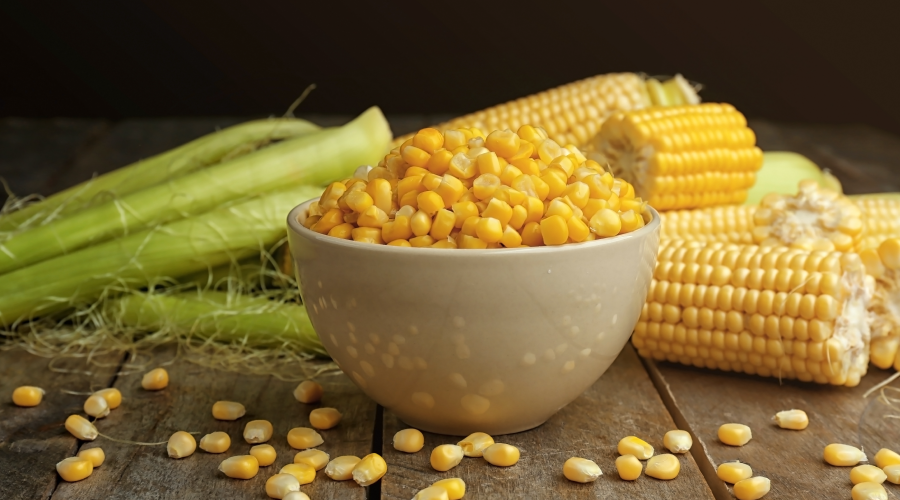
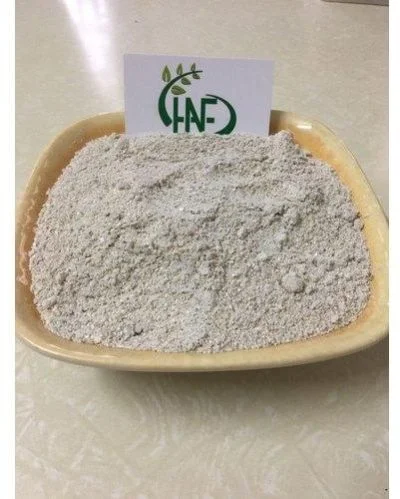
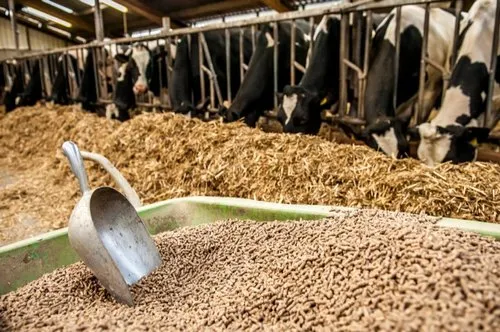
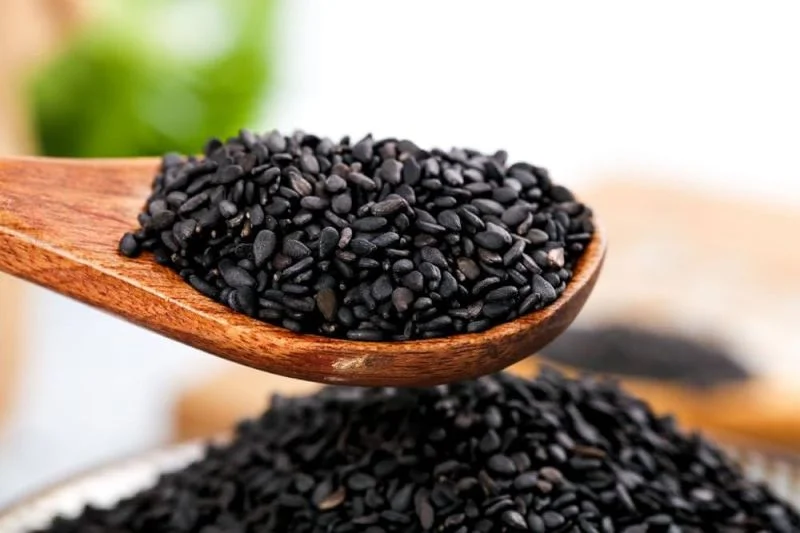
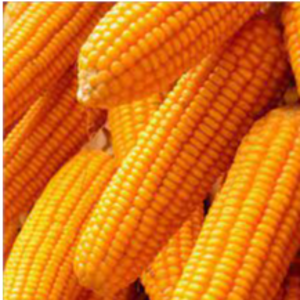
The catalogue covers five products grouped under four headings. Under the corn category, two processed forms are listed: corn cob meal (a finely ground by-product of maize processing) and corn cob pellets (a densified form of the same raw material, produced by extruding ground cobs through a die). Corn cob meal is typically traded at moisture levels below 12% and is used as a carrier in animal feed premixes, a mild abrasive in industrial blasting, and a substrate component; pellets are preferred where bulk density and dust suppression matter, commonly in the 6-8 mm diameter range with a bulk density around 600-650 kg/m³. Cotton seed hulls (the outer coat removed during cotton gin processing) are listed as a separate fibre-based feed and bedding ingredient, typically traded at 12-14% moisture and used as a roughage component in ruminant rations or as a litter absorbent. Wood shavings for animal bedding are a standard equine and small-animal product, usually kiln-dried to 8-12% moisture and graded by shaving size (fine, medium, large). The Ammonium Sulphate Caprolactam Grade product is a by-product of caprolactam (nylon-6 precursor) manufacture, typically supplied at 21% minimum nitrogen content and 24% maximum sulphur, with low free acidity and a crystalline or granular form; it is used both as a fertiliser (notably for sulphur-deficient soils and rice paddies) and as an industrial nitrogen source. Sesame seeds, listed under the top categories, are a hulled or natural sesame seed product traded internationally for oil milling, tahini production, and bakery use.
Trade and Export Information - Lianyungang Dongri
China is the world's largest exporter of ammonium sulphate, with caprolactam-grade material from producers in Shandong, Hebei, and Jiangsu flowing primarily to Southeast Asia (Vietnam, Indonesia, the Philippines), South Asia (India, Bangladesh), and parts of Africa and Latin America for fertiliser blending. Ammonium sulphate typically ships under HS code 3102.21 (ammonium sulphate as a mineral or chemical fertiliser), and caprolactam-grade cargoes usually carry a certificate of analysis showing N content, moisture, free acidity (H₂SO₄), and heavy metals, with buyers often requesting SGS or Bureau Veritas pre-shipment inspection. Bagged shipment in 25 kg, 50 kg, or 1 MT jumbo bags on pallets is standard, with 20 ft containers typically holding 20-25 MT depending on bag size. Corn cob meal and corn cob pellets, cotton seed hulls, and wood shavings are agricultural by-products and bedding materials that typically move under HS chapters 2308 (vegetable materials and vegetable waste, vegetable residues and by-products, whether or not in the form of pellets, of a kind used in animal feeding) and 4401 (fuel wood, wood in chips or particles, sawdust, wood waste and scrap). These goods are commonly shipped in 40 ft high-cube containers at 18-22 MT loads, in PP woven bags of 25-40 kg, and are widely imported by Middle Eastern, North African, and East Asian feed compounders and bedding distributors. Sesame seeds, when present in shipments, fall under HS code 1207.40 and require phytosanitary certificates and, for many destination markets, aflatoxin testing (commonly HPLC-based, with the EU enforcing maximum 4 µg/kg for aflatoxin B1 and 10 µg/kg total aflatoxins in sesame intended for direct human consumption). Buyers in these categories typically request fumigation certificates, phytosanitary certificates, and certificates of origin, alongside product-specific quality parameters such as moisture, ash, crude fibre, and crude protein.
Sourcing from Lianyungang Dongri - Buyer Guidance
For the ammonium sulphate product, buyers should request the latest certificate of analysis covering nitrogen (typically 21% N minimum), sulphur (24% S typical), moisture (usually below 1%), free acidity, and heavy metals (As, Cd, Pb, Hg), and confirm whether the material is crystalline or granular. A pre-shipment inspection by SGS, Bureau Veritas, or CIQ is standard for fertiliser-grade exports from China, and the supplier should be asked to provide a sample and a mill test report tied to the specific production batch. For the corn cob meal, corn cob pellets, cotton seed hulls, and wood shavings, buyers should specify the intended end use (feed, bedding, blasting, carrier) because specifications differ: feed-grade corn cob products typically require a specification sheet showing moisture, crude fibre, ash, and absence of aflatoxins; bedding-grade wood shavings require low dust, kiln-drying confirmation, and absence of chemical treatment. Sesame seed buyers should confirm origin, hulled or natural status, purity (typically 99% minimum), moisture (below 7%), and request an aflatoxin certificate and a phytosanitary certificate. Across all five products, confirming Incoterms (FOB Lianyungang, CFR, or CIF), packaging specification, container loading plan, and lead time in writing before issuing a purchase order is standard practice.
Frequently Asked Questions About Lianyungang Dongri
What products does Lianyungang Dongri currently list?
The catalogue contains 5 active products: Ammonium Sulphate Caprolactam Grade, Wood Shaving for Animal Bedding, Corn Cob Meal, Cotton Seed Hull, and Corn Cob Pellet, grouped under the categories corn, industrial chemicals, wood shavings, and sesame seeds.
Which HS code applies to the ammonium sulphate product?
Ammonium sulphate as a mineral or chemical fertiliser is typically classified under HS code 3102.21, and caprolactam-grade material is normally supplied with nitrogen content of 21% minimum and a certificate of analysis covering moisture, free acidity, and heavy metals.
What should I request to verify the corn cob products?
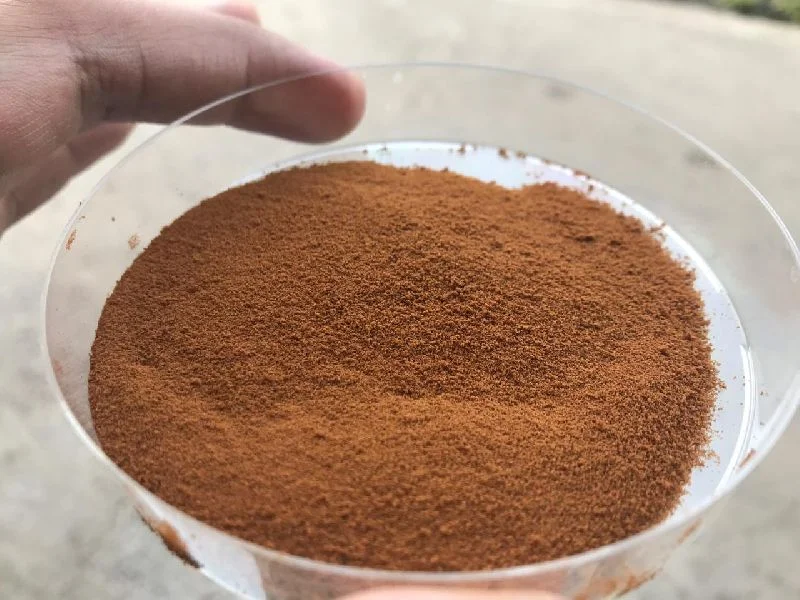
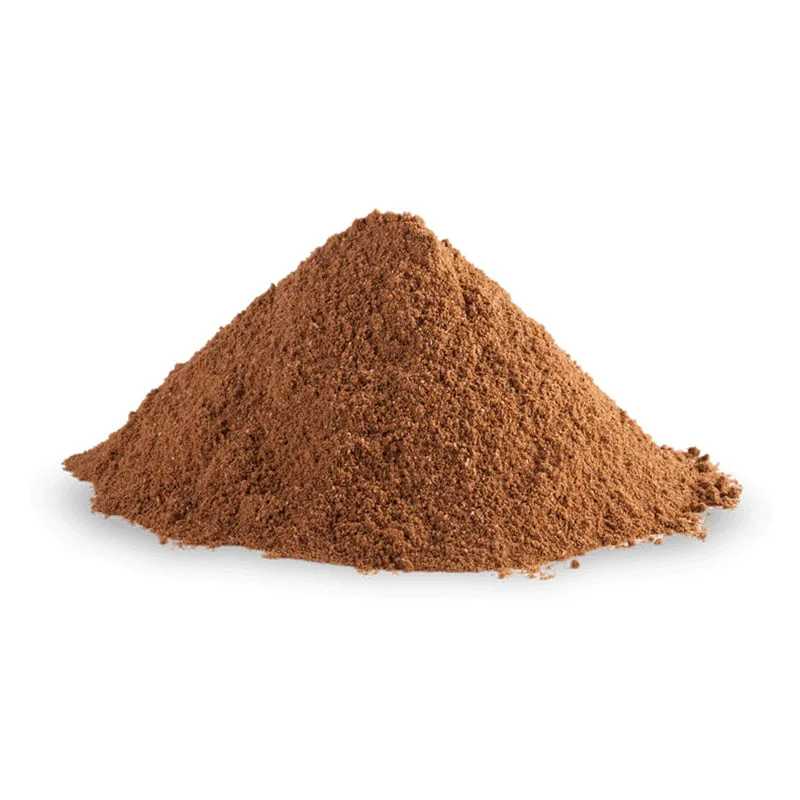
Buyers should request a specification sheet showing moisture (usually below 12%), crude fibre, ash content, and bulk density; pellets are typically 6-8 mm in diameter with a bulk density around 600-650 kg/m³, while meal is supplied as a fine ground powder.
How are wood shavings for animal bedding typically specified?
Bedding-grade wood shavings are usually kiln-dried to 8-12% moisture, graded by shaving size (fine, medium, or large), and shipped in compressed bales or PP bags; buyers should request confirmation that the material is untreated and dust-extracted.
Which documents are typically required for these exports from China?
Standard shipping documents include commercial invoice, packing list, bill of lading, and certificate of origin; for agricultural by-products a phytosanitary certificate and fumigation certificate are commonly required, and for sesame seeds an aflatoxin test report is typically requested by the destination market.
What packaging and container options are typical for these goods?
Ammonium sulphate is usually packed in 25 kg, 50 kg, or 1 MT jumbo bags with 20 ft containers holding 20-25 MT; corn cob products, cotton seed hulls, and wood shavings are typically loaded in 40 ft high-cube containers at 18-22 MT in 25-40 kg PP woven bags.
Which regions typically import these product categories from China?
Caprolactam-grade ammonium sulphate from Chinese producers is commonly imported by Southeast Asian, South Asian, African, and Latin American fertiliser blenders; corn cob by-products, cotton seed hulls, and wood shavings are typically imported by Middle Eastern, North African, and East Asian feed and bedding distributors.




 , China