Krupa International — Verified Supplier
About Krupa International - Pulses Supplier in India
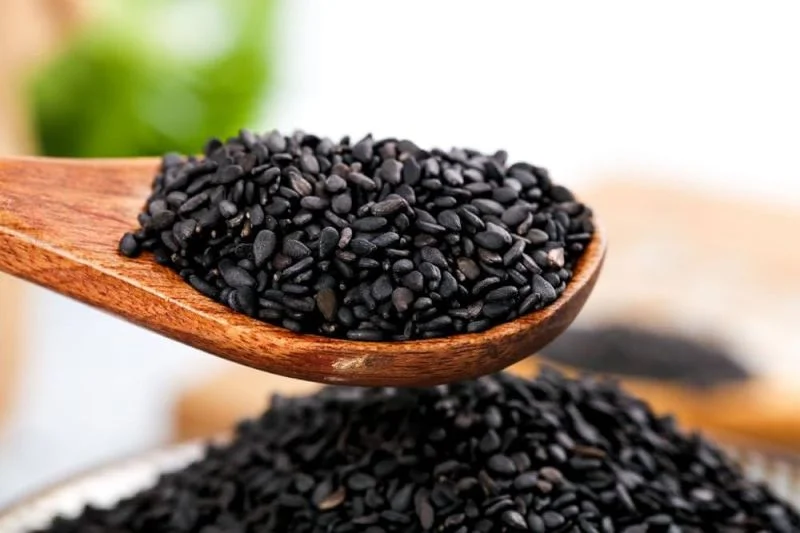
Krupa International is based in Surat, Gujarat, India and currently lists 47 active products across its catalogue. The company’s portfolio includes a mixture of pulses, cereals, oilseeds and spices, with items such as Barley (HS 1003.90, whole barley grain), Basmati Rice (HS 1006.30, long‑grain aromatic rice), Black and White Sesame seeds, and a full suite of beans and lentils. The product list reflects typical Indian export commodities that fall under HS chapters 10 (cereals) and 12 (oilseeds and spices).
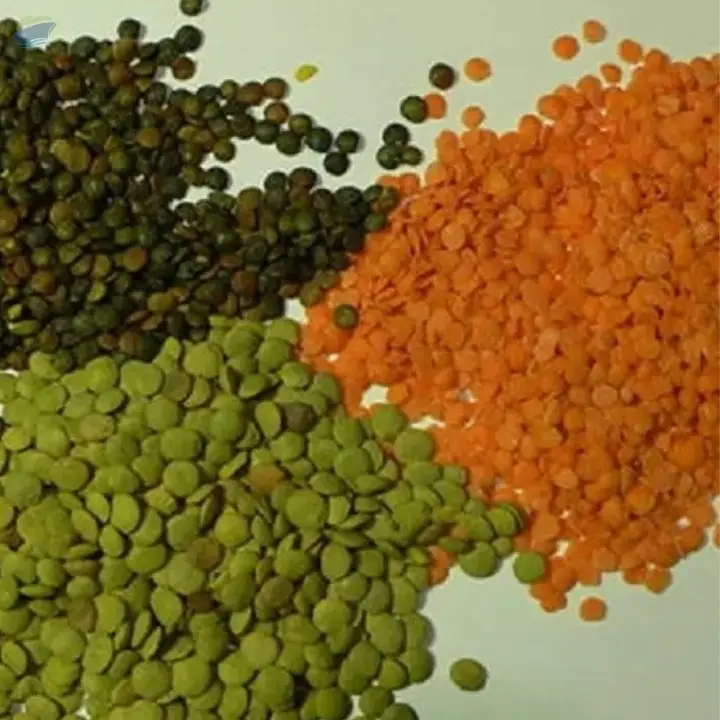
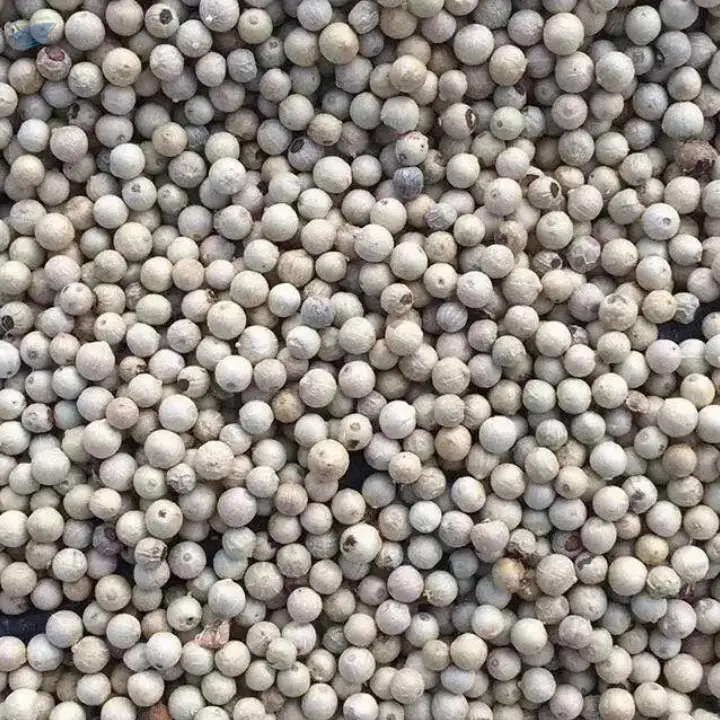
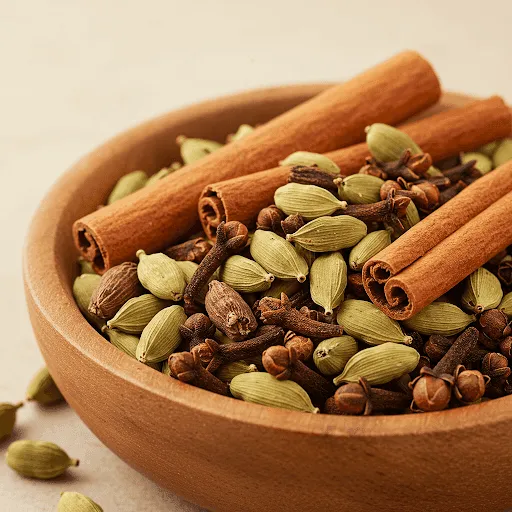
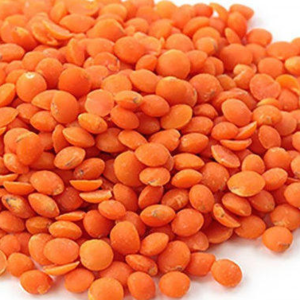
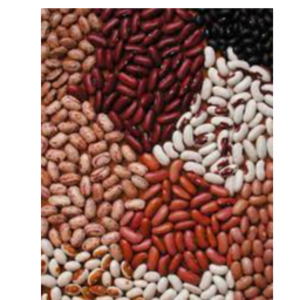
The catalogue further details a range of leguminous crops - Desi Chickpeas, Kabuli Chickpeas, Moong Beans, various kidney beans (red, white, yellow), Masoor Dal, Toor Dal, Chana Dal and Urad Dal - as well as oilseed products like Sunflower Seeds, Peanuts and a selection of spices including Black Pepper, Cardamom and Coriander Seeds. This blend of pulses, cereals and spices aligns with India’s major agri‑export segments, supplying bulk buyers in the Middle East, Africa and Southeast Asian markets.
Product Range and Specialties of Krupa International
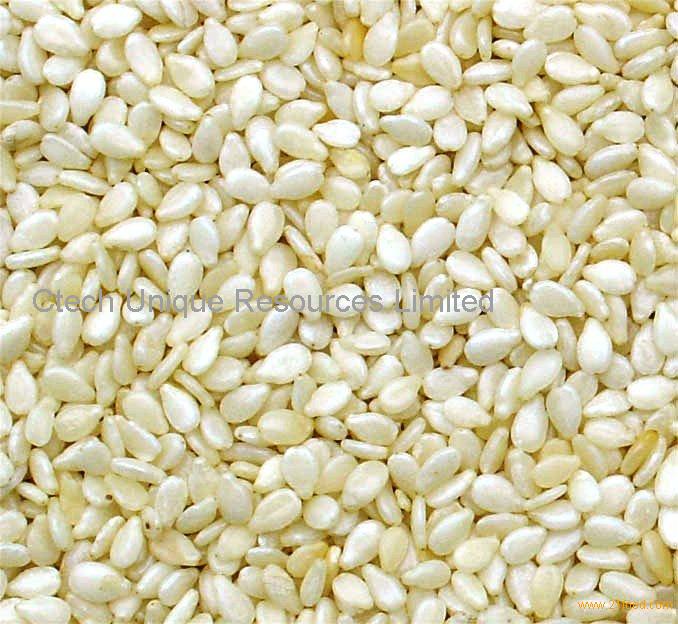
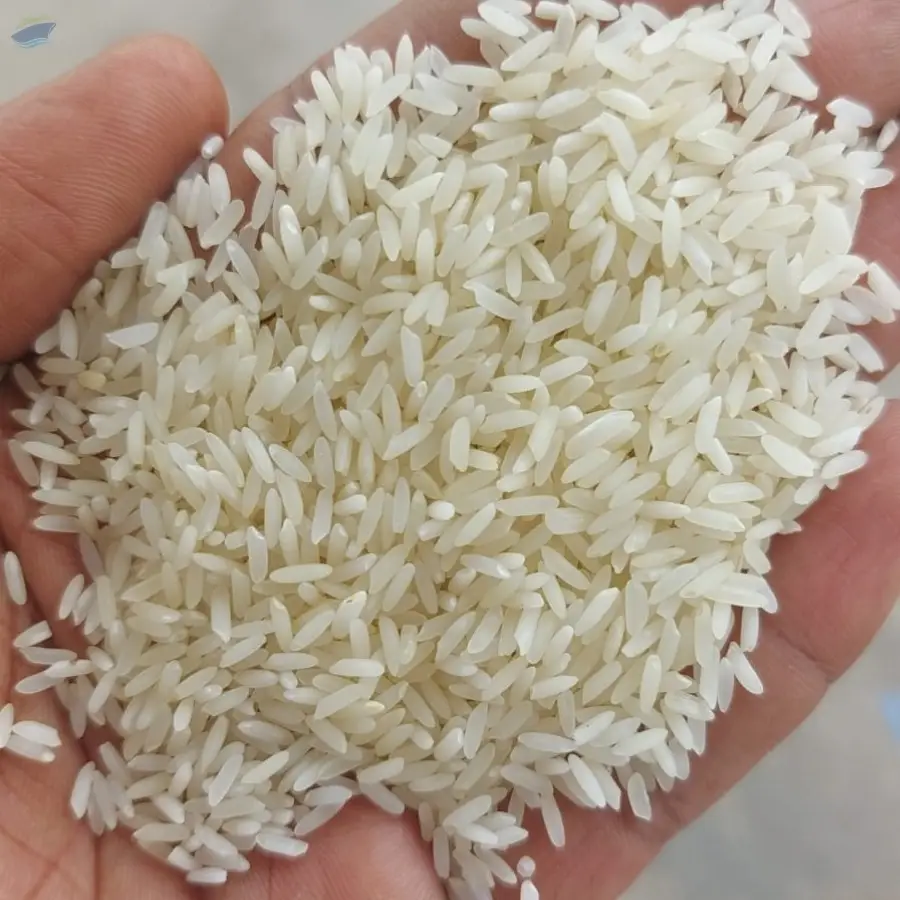
Krupa International’s catalogue comprises 47 items, including Barley, Basmati and non‑Basmati rice, millet, oats, wheat, a full set of pulses (chickpeas, various dal, kidney beans) and oilseeds such as sesame, peanuts and sunflower seeds. In global trade, barley under HS 1003 is typically exported with moisture ≤14 % and protein 9‑12 %. Basmati rice (HS 1006.30) is graded by amylose content (1500‑1800 ppm) and broken grain percentage below 5 %. Sesame seeds are commonly classified by hull‑on/hull‑off status and oil content, with white sesame often meeting a minimum oil extraction of 48 % and black sesame slightly lower. Pulses are usually shipped with moisture ≤13 % and foreign matter under 0.5 %.
Trade and Export Information - Krupa International
India is one of the world’s largest exporters of pulses, rice and oilseeds, and shipments from Surat frequently use FOB Surat or CIF ports such as Dubai and Rotterdam. Buyers in the Gulf Cooperation Council, East Africa and the European Union typically import these goods under HS chapters 10 and 12, requiring compliance with food safety standards such as ISO 22000, FSSC 22000 and, for organic lines, the National Programme for Organic Production (NPOP) certification. Export containers are commonly 20‑ft or 40‑ft dry containers packed in 50 kg polypropylene bags or bulk jute sacks, with phytosanitary certificates and a certificate of origin accompanying each shipment.
Sourcing from Krupa International - Buyer Guidance
Prospective buyers should request a product specification sheet that includes moisture level, foreign matter, oil content (for seeds) and pesticide residue limits in line with Codex Alimentarius. Samples of 5‑10 kg are standard for laboratory verification, and buyers often ask for a recent lab report covering aflatoxin, heavy metals and microbial limits. Verify that the supplier can provide the necessary certifications (e.g., ISO 22000, organic NPOP) and that packaging meets the buyer’s logistic requirements, typically 50 kg bags for bulk shipments with a minimum order of 20 metric tons and a lead time of 30‑45 days.
Frequently Asked Questions About Krupa International
What product codes are used for the cereals listed by Krupa International?
Barley is listed under HS 1003.90 and Basmati Rice under HS 1006.30, both falling in the HS chapter for cereals (chapter 10).
Which certifications should a buyer request for the sesame seeds?
Buyers typically request an ISO 22000 or FSSC 22000 food safety certificate and, if organic, the Indian NPOP organic certification, together with a seed analysis report for oil content.
What are the common moisture limits for the pulses offered?
International buyers usually require moisture content of 13 % or lower for dried pulses such as chickpeas, kidney beans and various dals.
How are the bulk shipments packed for export?
Standard export packs are 50 kg polypropylene bags or 25 kg jute sacks, stacked in 20‑ft or 40‑ft containers; larger volumes may be bulk‑loaded in open‑top containers.
What documentation is needed for customs clearance?
A commercial invoice, packing list, certificate of origin, phytosanitary certificate and any required food safety certificates (e.g., ISO 22000) are routinely required.
What is the typical lead time for an order of Basmati rice?
Lead times are generally 30‑45 days from order confirmation, depending on harvest season and container availability.
Are samples available before placing a full order?
Yes, Krupa International can provide 5‑10 kg samples for laboratory testing; sample requests should specify the product and desired analysis.
What are the main import markets for these Indian commodities?
Key markets include the United Arab Emirates, Saudi Arabia, Kenya, Nigeria, the United Kingdom and the European Union, which import Indian pulses, rice and oilseeds in large volumes.





 Surat, India




.jpg.png)