KRS (Shandong) New Material Co., Ltd. — Verified Supplier
About KRS (Shandong) New Material Co., Ltd. - Calcium Silicate Supplier in China
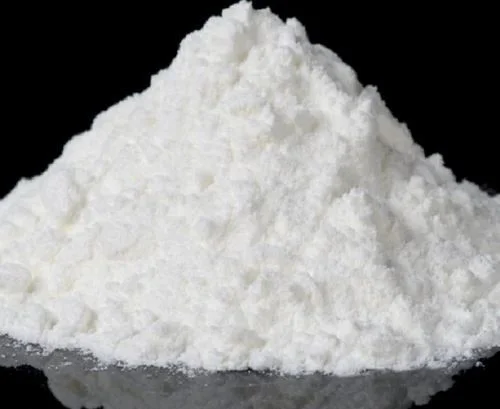
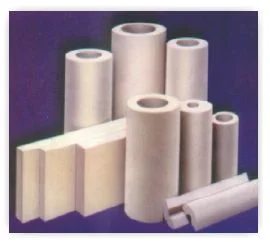
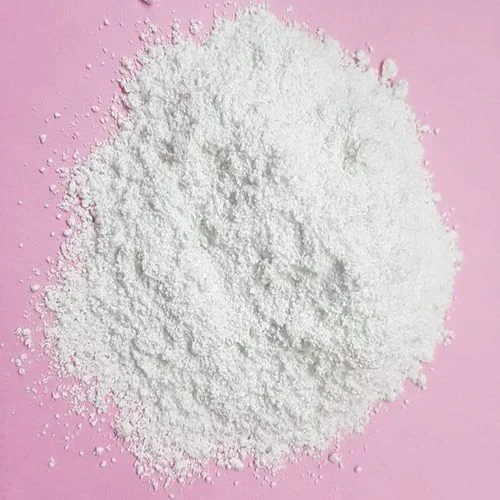
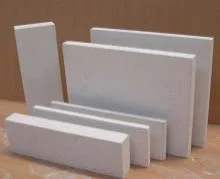
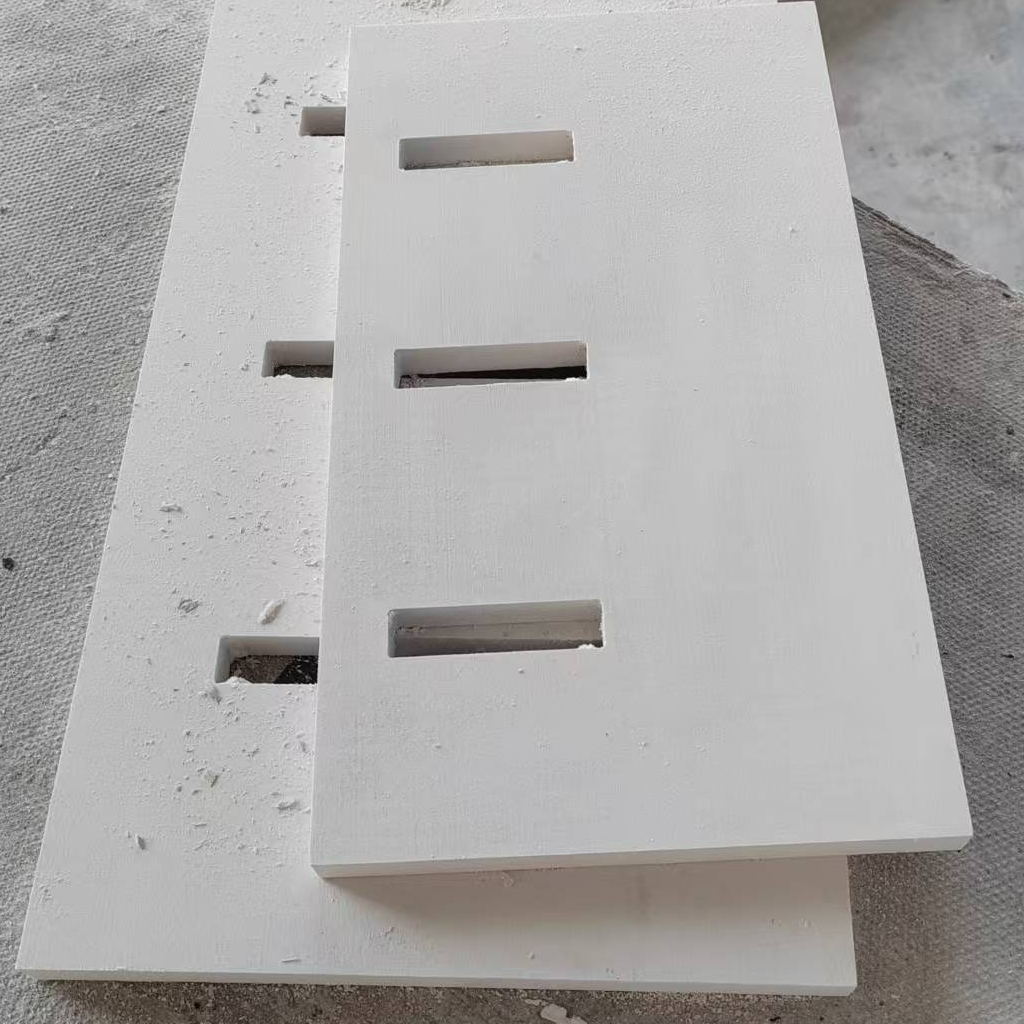
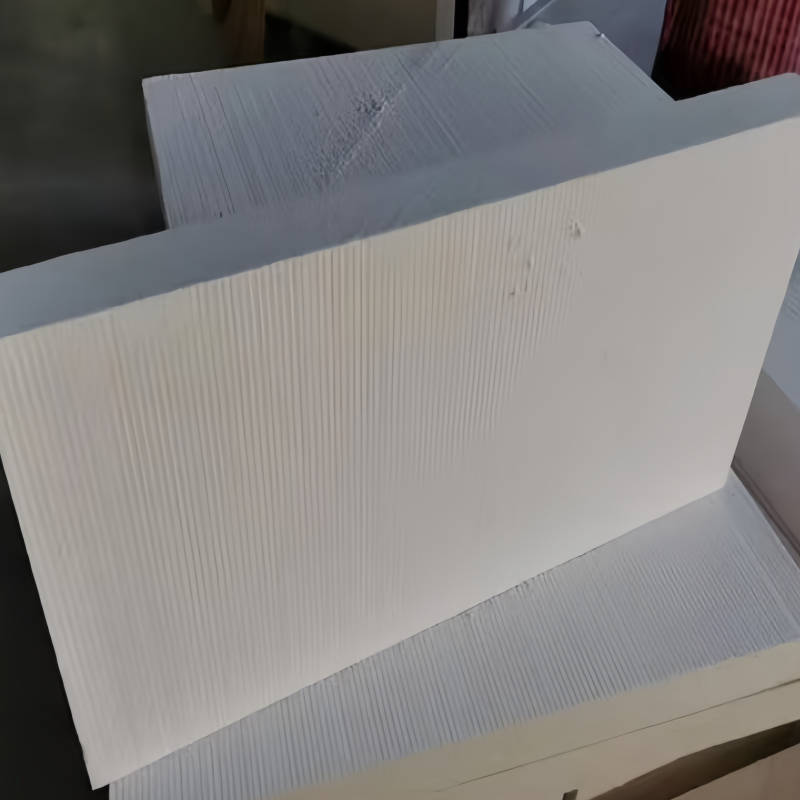
Based in Shandong province, China, KRS (Shandong) New Material Co., Ltd. currently lists 17 distinct calcium silicate products in its catalogue. The supplier’s offerings cover calcium silicate boards, pipes, and high‑temperature insulation panels, each recorded under HS code families 6806, 6810, 6811 and 6815. Product titles include a 1100 °C resistant board, reinforced high‑compressive‑strength pipe, and bulk white board variants. The catalogue also references OEM support and wholesale options for calcium silicate board. Although the broader top‑category list mentions construction materials, insulation paper and fire‑extinguishing products, the active listings focus on calcium silicate solutions.
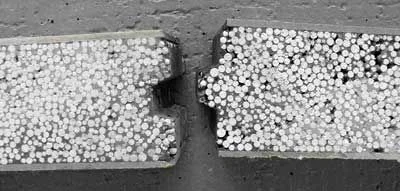
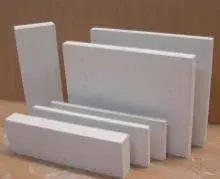
The listed boards range in thickness from 25 mm to 100 mm and are described as asbestos‑free, microporous, and capable of withstanding temperatures up to 1100 °C. Several entries specify reinforcing fibers or cellulose fiber blends, indicating densities typically between 0.5 g/cm³ and 0.7 g/cm³. HS code 6811.40 is used for high‑compressive‑strength pipe insulation, while 6806.10 and 6806.90 cover standard and high‑temperature board families. Product descriptions also note bulk white colour options and technical colour design support. All items are presented as direct‑sale, factory‑supply solutions.
Product Range and Specialties of KRS (Shandong) New Material Co., Ltd.
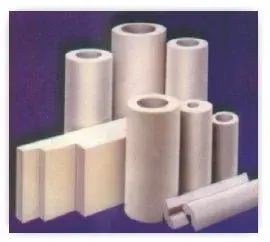
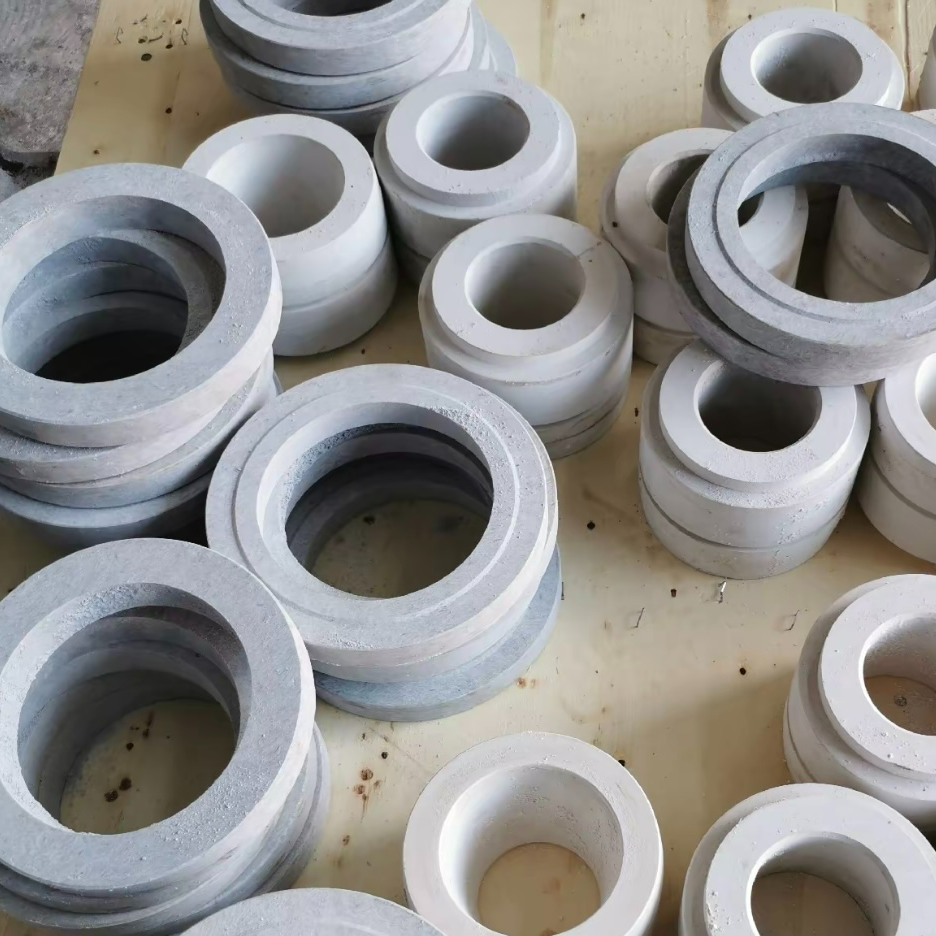
The catalogue contains fifteen calcium silicate board variants and two pipe products, each classified under the HS codes 6806, 6810, 6811 and 6815. In the industry, calcium silicate boards are typically manufactured in densities of 0.5 - 0.7 g/cm³, with thermal conductivity values of 0.06 - 0.07 W/m·K and compressive strengths from 5 MPa to 10 MPa for reinforced grades. Standard board thicknesses run from 10 mm to 150 mm, and length is often 2 m or 3 m, matching the 25‑100 mm range seen in the supplier’s high‑temperature line. Reinforced boards commonly incorporate cellulose or glass fibers, which aligns with the supplier’s mention of fiber‑reinforced compositions. Calcium silicate pipes used for insulation are usually sized 100 mm to 300 mm in diameter and designed for high‑temperature service.
Buyers of calcium silicate insulation generally require compliance with standards such as ASTM C1396 (American) or EN 15690 (European) for fire resistance and mechanical performance. Typical certifications sought include ISO 9001 quality management and, where applicable, ISO 14001 environmental management. In addition to boards, the market also values products like calcium silicate fire‑retardant panels, which meet fire‑rating Class A or higher. Sodium silicate, another top category listed, is often supplied as a liquid with purity ≥ 99 % and used in detergents or water treatment, although specific items are not detailed in the current catalogue.
Trade and Export Information - KRS (Shandong) New Material Co., Ltd.
China is a major exporter of calcium silicate insulation, with shipments frequently destined for the Middle East, Africa, Southeast Asia and European construction markets. The HS‑code clusters 6806, 6810, 6811 and 6815 are routinely inspected under the Shanghai Customs “Inspection and Quarantine” regime, where fire‑resistance test reports and material safety data sheets are standard documentation. Buyers typically request certifications such as ISO 9001, EN 15690 or ASTM C1396, and may also need CE marking for products entering the European Union. Bulk shipments are usually packed on pallets and loaded into 20‑ft containers, allowing approximately 10‑12 tonnes of board material per container, while pipes are crated in wooden boxes to prevent damage. Common Incoterms for Chinese suppliers include FOB Shanghai or CIF destination port, depending on buyer preference.
The export environment in China emphasizes compliance with the REACH regulation for any added chemicals, and the EU’s Construction Products Regulation (CPR) for fire‑performance classification. Importers often arrange third‑party inspection agencies such as SGS or Bureau Veritas to verify thermal conductivity, compressive strength and moisture content (typically < 0.5 %). Seasonal demand peaks in the northern hemisphere’s building‑season, prompting lead times of 30‑45 days for full container loads. The supplier’s listed target markets are not specified, so buyers should confirm the intended destination country’s specific building code requirements before placing orders.
Sourcing from KRS (Shandong) New Material Co., Ltd. - Buyer Guidance
When sourcing calcium silicate boards from this supplier, request a current Material Safety Data Sheet (MSDS) and test reports covering compressive strength, thermal conductivity and fire‑rating (e.g., Class A or B). Verify the exact composition percentages - such as SiO₂ ≈ 43 % and CaO ≈ 44 % - and the type of reinforcing fiber used, because these parameters affect density and mechanical performance. Ask for certificates of conformity to ASTM C1396 or EN 15690 if the project requires compliance with American or European standards. Samples of the 25 mm and 100 mm thickness options are useful to confirm surface finish, colour consistency and dimensional tolerances before committing to a full container.
Typical minimum order quantities for bulk calcium silicate board range from 1 tonne to 5 tonnes, depending on packaging and destination. Lead times reported by Chinese manufacturers average 30 days for standard boards and up to 45 days for high‑temperature or reinforced variants. Shipping is normally arranged on 20‑ft or 40‑ft containers, with boards stacked on pallets and protected by moisture‑resistant film. Buyers should also confirm whether the supplier can provide third‑party inspection reports and whether any additional export licences are required for the destination country.
Frequently Asked Questions About KRS (Shandong) New Material Co., Ltd.
What calcium silicate product codes does the supplier list?
The catalogue includes boards under HS codes 6806.10, 6806.90, 6810.19, 6811.40, 6811.89 and pipes under HS code 6815.99. These codes cover standard, high‑temperature and reinforced board families as well as pipe insulation.
What temperature resistance is available?
The supplier offers boards rated up to 1100 °C, as indicated by the “1100 degree high temperature resistant calcium silicate board” entries. Lower‑temperature variants are typically suitable for service up to 800 °C.
Are the boards fire‑rated?
Yes, the product descriptions reference fire‑resistant and asbestos‑free boards that meet typical Class A fire‑rating requirements. Buyers should request the fire‑performance test report to confirm compliance with ASTM C1396 or EN 15690.
What dimensions can be ordered?
Board thicknesses are listed from 25 mm to 100 mm, and standard lengths of 2 m or 3 m are common in the industry. Pipe diameters are not detailed in the facts, but Chinese manufacturers usually supply 100 mm to 300 mm diameters.
Which certifications should a buyer ask for?
Since no certifications are stated in the supplier’s facts, buyers should request ISO 9001 quality‑management certification and any product‑specific certificates such as EN 15690, ASTM C1396 or CE marking. Additional environmental or REACH compliance documents may be required for certain markets.
What are typical packaging and shipping methods?
Boards are normally palletised, wrapped in moisture‑resistant film, and loaded into 20‑ft or 40‑ft containers, achieving roughly 10‑12 tonnes per 20‑ft container. Pipes are crated in wooden boxes to avoid deformation during transit.
How long does it take to receive an order?
Standard board orders generally require 30 days from order confirmation, while high‑temperature or reinforced boards may need up to 45 days. Lead times can vary with order size and destination port handling.




 , China