Kinyi Environmental Technology Co., Ltd. — Verified Supplier
About Kinyi Environmental Technology Co., Ltd. - Packaging Items & Containers Supplier in China
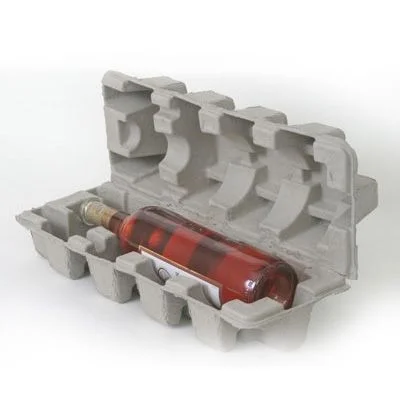
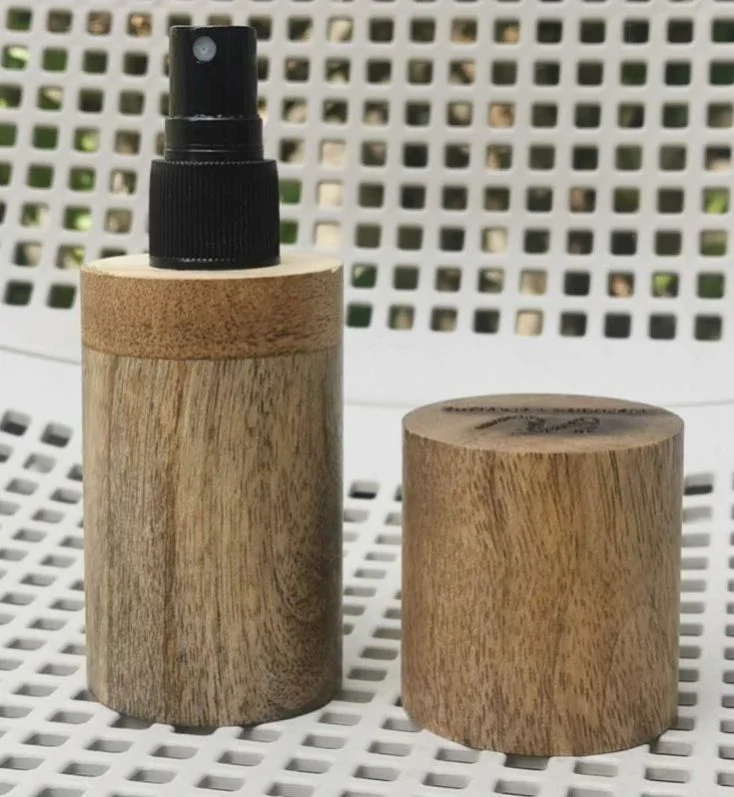
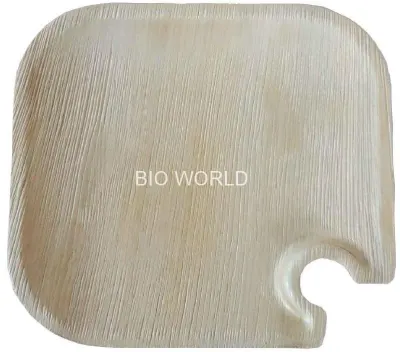
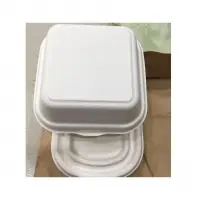
China hosts Kinyi Environmental Technology Co., Ltd., which lists 11 active products in its catalogue. The items are grouped under the categories Packaging Items & Containers and Plastic Bottles & Sealings. Products include Custom Biodegradable Tray, Custom Eco‑friendly Paper Pulp Packaging Tray, Disposable Paper Packaging, Small Bottles, Custom Mold Pulp Packaging For Game Switch, Biodegradable Pulp Packaging For Cosmetic, Bio‑Degradable Electronic Pulp Inner Packaging, Biodegradable Fiber Pulp Clamshell Packaging, Colorful Biodegradable Sugarcane Fiber Pulp Tray, Biodegradable Pulp Packaging For Electronic, and Bio‑Degradable Pulp Food Tray. All entries are described as biodegradable or eco‑friendly and belong to molded pulp or sugarcane‑fiber material families. No HS codes are provided in the source data. The catalogue covers single‑use trays for food, cosmetics, electronics and gaming accessories, together with small bottles. Materials referenced are paper pulp, sugarcane fiber and biodegradable polymers for bottles. These products are positioned for applications where compostable or recyclable packaging is required. The supplier’s public data does not list any specific certifications held.
Product Range and Specialties of Kinyi Environmental Technology Co., Ltd.
The listed products span molded pulp trays, sugarcane‑fiber trays and small plastic bottles. In the industry, molded pulp trays are commonly produced to meet EN 13432 or ASTM D6400 compostability standards, with typical thickness between 0.5 mm and 2 mm and compression strength of 150‑300 kPa. Sugarcane‑fiber trays often have moisture content below 12 % and are graded for food‑contact safety under EU Regulation 1935/2004. Small bottles are usually manufactured from PET or HDPE, with capacities ranging from 100 ml to 1 L, and are tested for impact resistance and leak‑proof sealing. Buyers frequently request specifications such as tray dimensions, load capacity, and bottle wall thickness (e.g., 0.3‑0.6 mm for PET).
Trade and Export Information - Kinyi Environmental Technology Co., Ltd.
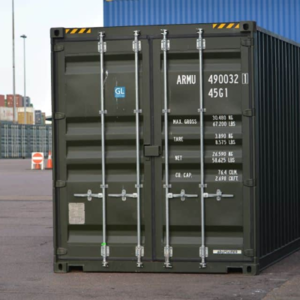
China is a major exporter of biodegradable packaging, with the European Union, United States and Japan representing the largest import markets for molded pulp and sugarcane‑fiber products. Relevant HS‑code families include 4820 (paper‑based packaging) and 3921 (plastic bottles). Importers typically require certifications such as ISO 14001 environmental management, FSC chain‑of‑custody for paper pulp, and third‑party compostability test reports (ASTM D6400, EN 13432). Logistically, a 20 ft container can accommodate roughly 30 000 molded pulp trays, while a 40 ft container can hold up to 60 000, depending on packaging density. Common Incoterms used by Chinese packaging exporters are FOB Shanghai or CIF destination port, with bulk palletization on Euro pallets for European shipments.
Sourcing from Kinyi Environmental Technology Co., Ltd. - Buyer Guidance
When sourcing from this supplier, request a detailed material data sheet that specifies the pulp source (recycled paper, bagasse, etc.), sugarcane‑fiber content and any biodegradable polymer additives used in the bottles. Ask for third‑party test reports confirming compliance with EN 13432 or ASTM D6400 for compostability, as well as any food‑contact safety certifications required by the buyer’s market (e.g., EU Regulation 1935/2004 or US FDA 21 CFR 177). Verify dimensions, load‑bearing capacity and moisture resistance before confirming order quantities; a typical minimum order for custom trays is 5 000 units, with lead times of 30‑45 days after artwork approval. Request a pre‑shipment sample of at least 10 pieces to evaluate visual quality, structural integrity and any required printing inks.
Frequently Asked Questions About Kinyi Environmental Technology Co., Ltd.
What types of biodegradable trays are listed in the catalogue?
The catalogue includes custom molded pulp trays for food, cosmetics and electronics, as well as sugarcane‑fiber trays with colored printing. Each tray is described as biodegradable and intended for single‑use applications.
Which material standards are commonly applied to these trays?
Molded pulp trays are typically produced to EN 13432 or ASTM D6400 compostability standards. Sugarcane‑fiber trays are often certified under the same standards and may also carry FSC provenance for the raw fibre.
What certifications should a buyer request for these products?
Buyers should request ISO 14001 environmental‑management certification, FSC chain‑of‑custody for paper‑based trays, and third‑party compostability test reports (EN 13432 or ASTM D6400). Food‑contact applications also require compliance documentation such as EU Regulation 1935/2004 or US FDA 21 CFR 177.
What is the typical minimum order quantity for custom trays?
Custom molded pulp or sugarcane‑fiber trays are commonly ordered in batches of 5 000 units or more, depending on size and printing complexity. Smaller test batches can be arranged for sample evaluation.
What packaging and shipping format is used for these items?
Products are usually packed in bulk on cardboard or wooden pallets, with each pallet wrapped in stretch film. For international shipments, they are loaded into 20 ft or 40 ft containers, using standard pallet dimensions (1200 mm × 800 mm).
Which HS‑code families are relevant for these products?
Molded pulp and paper‑based packaging fall under HS code 4820, while plastic bottles are classified under HS code 3921. Importers should verify the exact sub‑heading based on product dimensions and material composition.
What lead time should a buyer expect for a custom order?
After final artwork approval, manufacturers in China usually need 30‑45 days to produce and pack a custom order of biodegradable trays. Lead times may vary with order size and current production schedules.




 , China