Ketan International — Verified Supplier
About Ketan International - Fresh Produce Supplier in India
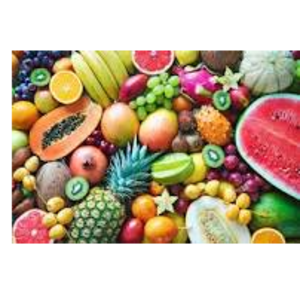
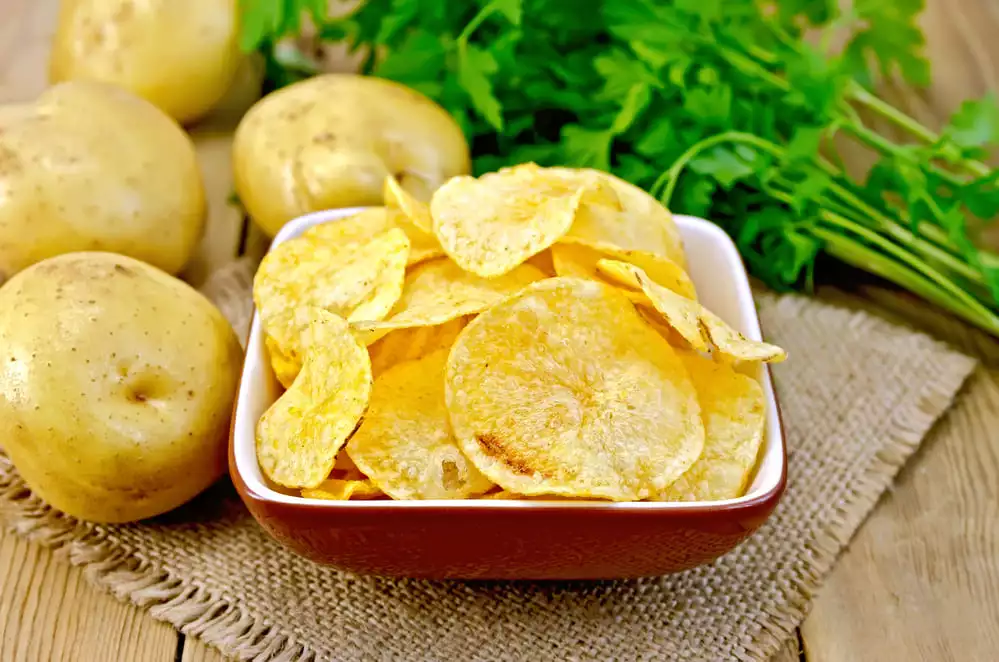
Based in India, Ketan International lists 33 active fresh‑produce items in its catalogue. The catalogue covers a mix of vegetables such as Chilli, Tomato, Onion, Cabbage and Carrot, and fruits including Lemon, Mangoes, Pomegranates and Guava. Each product is reported under the appropriate HS chapter for fresh horticultural goods - vegetables generally fall under HS chapter 07 and fruits under HS chapter 08. The supplier’s top categories are recorded as Fresh Fruits, Fresh Vegetables, Fresh Potato, Fresh Green Chilli, Fresh Lemon, Fresh Tomato, Papaya and Fresh Onion, indicating a broad coverage of seasonal Indian produce.
The product list also includes less common items such as Guar Gum/Cluster Beans, Drumstick, Elephant Footyam, and Mosambis, expanding the portfolio beyond the core vegetables and citrus. All items are described as fresh, implying they are harvested, packed and shipped under temperature‑controlled conditions suitable for perishable goods. The range reflects typical Indian export seasons, with citrus and mangoes available in winter and summer respectively, while root vegetables and leafy greens are supplied year‑round.
Product Range and Specialties of Ketan International
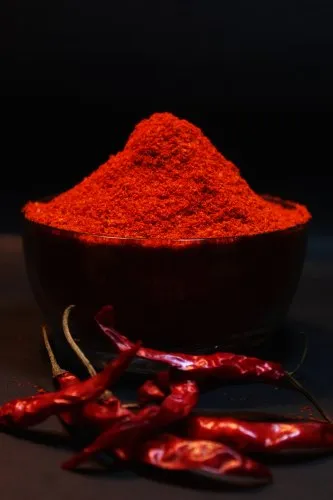
The catalogue contains individual items such as Chilli, Lemon, Tomato, Ginger, Onion, Cabbage, Cauliflower, Capsicum, Lady Finger, Bitter Gourd, Green Peas, Drumstick, Brinjal, Elephant Footyam, Raddish, Carrot, Cucumber, Bottle Gourd, Grapes, Mangoes, Pomegranates, Sweet Potatoes, Mosambis, Pineapple, Orange, Sapota (Chikoo), Jackfruit and Guava. In the fresh‑produce market, these commodities are commonly graded by size, colour and defect level; for example, Indian mangoes are exported as Grade A (large, uniform colour, low blemish) or Grade B (medium size, minor blemishes). Citrus fruits such as Lemon and Orange are usually classified by Brix range (10‑12 % soluble solids) and acidity. Vegetables like Chilli and Capsicum are sorted by length (30‑80 mm) and pungency (Scoville units).
Trade and Export Information - Ketan International
India ranks among the top global exporters of fresh horticultural products, with major shipment lanes to the Middle East, the European Union, Southeast Asia and the United States. Exporters typically use HS 07 50 for fresh vegetables and HS 08 10‑99 for fresh fruits, requiring a phytosanitary certificate issued by the Indian Plant Quarantine authority. Buyers often request compliance with GlobalGAP or BRC food safety standards, and many importers mandate ISO 22000 certification for the processing facility. Standard logistics involve 20‑foot or 40‑foot refrigerated containers (reefers) packed in single‑wall corrugated boxes of 10‑20 kg for vegetables and 5‑10 kg for delicate fruits, with temperature settings between 2 °C and 8 °C depending on the commodity. Common Incoterms are FOB Mumbai or CIF Dubai, reflecting the prevalent port infrastructure in western India.
The Indian export framework requires pre‑shipment inspection by agencies such as the Agricultural and Processed Food Products Export Development Authority (APEDA). Export documentation usually includes a commercial invoice, packing list, Certificate of Origin, phytosanitary certificate and, when required, a fumigation certificate. Seasonal peaks occur from October to March for citrus and from April to June for mangoes, influencing container availability and freight rates.
Sourcing from Ketan International - Buyer Guidance
When sourcing from Ketan International, buyers should request a recent phytosanitary certificate and a laboratory analysis report that confirms pesticide residue levels are within the limits set by the importing country’s regulations (e.g., EU maximum residue limits). Samples of each fruit or vegetable variety should be examined for size, colour and firmness before confirming a bulk order. Verification of any claimed GlobalGAP, BRC or ISO 22000 compliance should be done by reviewing the supplier’s audit reports or certificates, and buyers may ask for a copy of the latest APEDA export licence to confirm legitimacy.
Typical minimum order quantities for fresh produce range from 500 kg per SKU to a full 20‑foot refrigerated container (approximately 10‑12 tons), depending on the commodity and season. Lead times in India are usually 2‑3 weeks from order confirmation to loading, allowing time for harvesting, grading, packing and customs clearance. Buyers should confirm packaging details - such as the use of ventilated cartons, polystyrene trays or bulk bags - to ensure product integrity during transit.
Frequently Asked Questions About Ketan International
What fresh‑produce items does Ketan International list in its catalogue?
The catalogue includes 33 items such as Chilli, Lemon, Tomato, Ginger, Onion, Cabbage, Cauliflower, Capsicum, Lady Finger, Bitter Gourd, Green Peas, Drumstick, Brinjal, Elephant Footyam, Raddish, Carrot, Cucumber, Bottle Gourd, Grapes, Mangoes, Pomegranates, Sweet Potatoes, Mosambis, Pineapple, Orange, Sapota (Chikoo), Jackfruit and Guava.
Which HS chapters cover the products offered by Ketan International?
Vegetable items fall under HS chapter 07 (e.g., 0709 for fresh or chilled tomatoes) and fruit items fall under HS chapter 08 (e.g., 0805 for citrus fruits, 0808 for mangoes).
What certifications are typically required for Indian fresh‑produce exporters?
Importers commonly request GlobalGAP, BRC or ISO 22000 certification, a phytosanitary certificate and, where applicable, a fumigation certificate. Buyers should ask the supplier to provide copies of these documents.
What is a usual minimum order quantity for a single fruit or vegetable variety?
Minimum orders often start at 500 kg per SKU, but many buyers place full‑container orders of 10‑12 tons to achieve optimal freight rates.
How long does it take to prepare a shipment from India?
Lead time is typically 2‑3 weeks after order confirmation, covering harvesting, grading, packing, quality inspection and export documentation.
What packaging formats are standard for these fresh products?
Vegetables are usually packed in single‑wall corrugated cartons of 10‑20 kg, while delicate fruits are placed in 5‑10 kg cartons with ventilated liners or polystyrene trays. All shipments are loaded into temperature‑controlled reefers.
Which regions import Indian fresh fruits and vegetables most frequently?
The Middle East, the European Union, Southeast Asia and the United States are the main destination markets for Indian horticultural exports.
How can a buyer verify the legitimacy of Ketan International’s export licence?
A buyer should request a copy of the current APEDA export licence and cross‑check the licence number with the APEDA database or contact the authority directly.




 , India