Kemet For Export — Verified Suppliers
About Kemet For Export - Herbs & Spices Supplier in Egypt
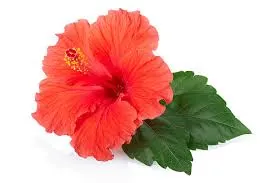
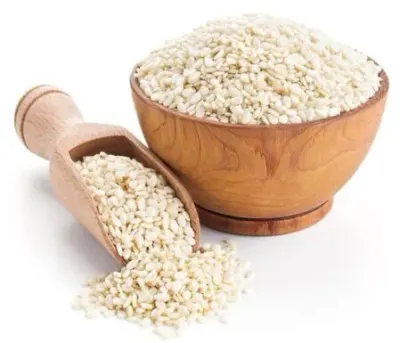
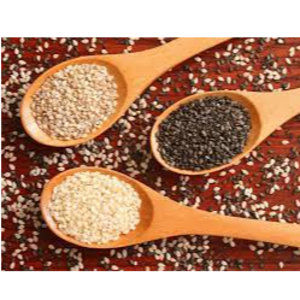
Kemet For Export is based in the Fayoum governorate of Egypt and currently lists nine active products in its catalogue. The product portfolio includes white sesame seeds, Nigella sativa seeds, hibiscus, chamomile flower, fennel seeds and powder, coriander dry whole seeds and powder, conventional cumin, caraway seeds, and organic lemongrass. These items fall under the HS code families for seeds and spices, such as Chapter 09 (herbs, spices, and aromatics) and Chapter 12 (oil seeds). The supplier’s catalogue explicitly mentions an HS code entry for organic lemongrass, listed as “Lemon Grass”. All products are described as organic and sourced from the fertile soils of the Nile Delta and Upper Egypt.
The supplier’s top categories are sesame seeds, various spices, and hibiscus, reflecting a focus on edible seeds and medicinal herbs. Kemet For Export markets these items as organic agricultural outputs, adhering to international sustainability principles, and positions them for export to markets that require organic certification. The company also references the craftsmanship of Fayoum artisans, though the primary trade focus remains on the nine listed herb and spice products.
Product Range and Specialties of Kemet For Export
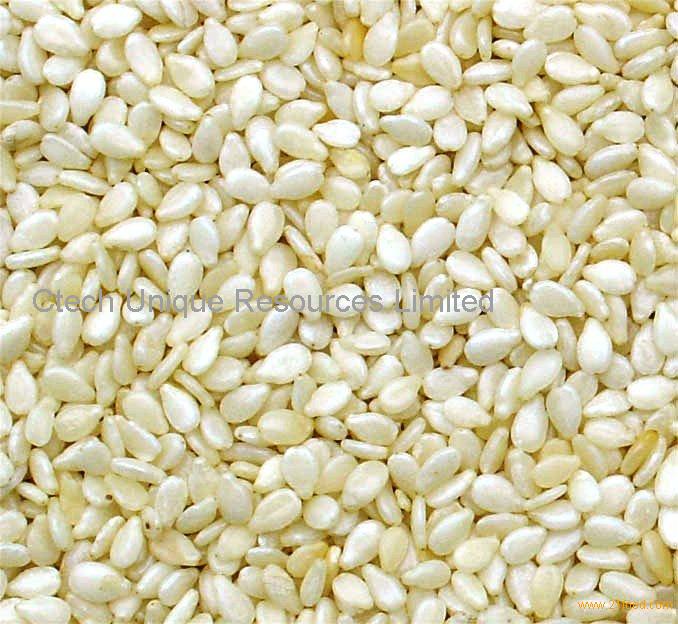
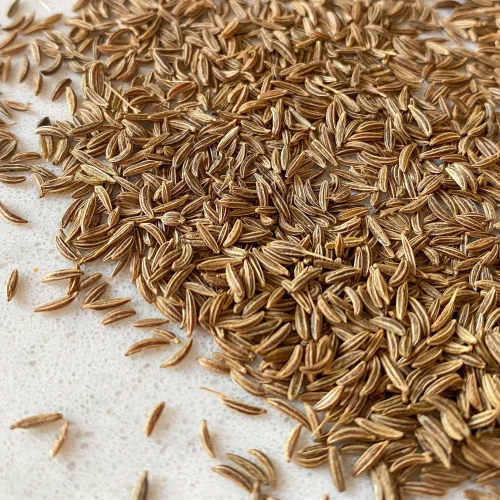
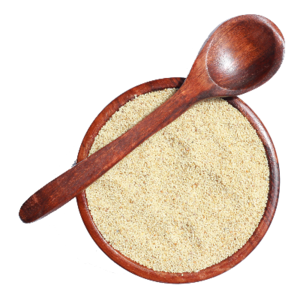
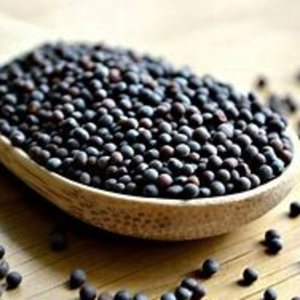
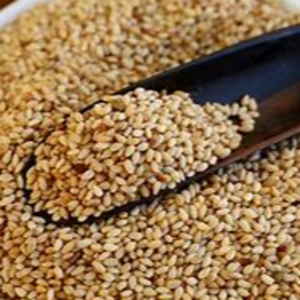
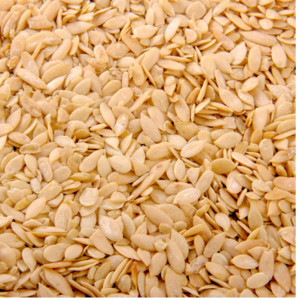
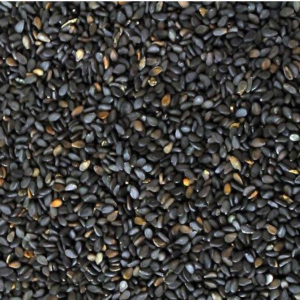
White sesame seeds are commonly graded by hull percentage and oil content, with ICUMSA 45 quality indicating low moisture (≤12 %) and high purity. Nigella sativa seeds are evaluated for oil content (≈30‑35 %) and seed size (4‑6 mm). Dried hibiscus calyces are typically sold with moisture below 12 % and a total organic acid content of 15‑20 %. Chamomile flowers are graded by flavonoid content and moisture under 10 %. Fennel seeds and powder are offered in whole‑seed form (size 6‑8 mm) and fine powder, with standard specifications of ≤12 % moisture and ≥90 % purity. Coriander whole seeds and powder follow similar moisture limits and are often packaged in 25 kg fiber bags. Conventional cumin seeds are measured for color (light brown) and oil content (~45 %). Caraway seeds are evaluated for size (3‑5 mm) and essential‑oil content. Organic lemongrass, listed with an HS code, is a natural herb with typical moisture ≤10 % and is shipped as dried stalks.
Trade and Export Information - Kemet For Export
Egypt is a long‑standing exporter of herbs, spices and oil seeds, with the majority of shipments destined for the European Union, the Gulf Cooperation Council, and North‑American markets. HS Chapter 09 (0901‑0905) covers dried herbs and spices, while Chapter 12 (1207) includes oil seeds such as sesame. Buyers frequently require certifications such as EU organic, USDA organic, ISO 9001 quality‑management and phytosanitary certificates. Standard export packaging includes 25 kg polypropylene bags for seeds and 1 kg cartons for dried herbs, loaded in 20‑foot containers (≈20‑22 tons) or 40‑foot containers for larger volumes. Incoterms commonly used are FOB Fayoum Port or CIF Dubai, with freight forwarding handled by reputable carriers.
Sourcing from Kemet For Export - Buyer Guidance
Potential buyers should request a current organic certification copy (EU or US), a phytosanitary certificate, and a laboratory analysis report confirming moisture, purity and oil content for each herb or seed. Sample quantities of 1 kg per product are typical for quality verification. Minimum order quantities generally start at 500 kg per product, with lead times of 30‑45 days from order confirmation to shipment. Verify that packaging meets the buyer’s market requirements, such as food‑grade liners for bags and moisture‑proof containers for dried herbs.
Frequently Asked Questions About Kemet For Export
What product categories does Kemet For Export offer?
The catalogue lists nine organic products: white sesame seeds, Nigella sativa seeds, hibiscus, chamomile flower, fennel seeds and powder, coriander dry whole seeds and powder, conventional cumin, caraway seeds, and organic lemongrass.
Which HS codes apply to the listed products?
The products fall under HS Chapter 09 for dried herbs and spices and Chapter 12 for oil seeds; the only explicit HS code in the catalogue is for organic lemongrass, recorded as “Lemon Grass”.
What certifications are typically required for these herbs and spices?
Buyers usually ask for an organic certification (EU or USDA), ISO 9001, a phytosanitary certificate and a laboratory COA showing moisture, purity and oil content.
What are the common packaging formats for the seeds and herbs?
Seeds are commonly packed in 25 kg food‑grade polypropylene bags, while dried herbs such as hibiscus or chamomile are shipped in 1 kg cartons or bulk bags with moisture‑proof liners, suitable for 20‑foot container loading.
What are typical minimum order quantities and lead times?
Minimum order quantities start around 500 kg per product, and lead times are generally 30‑45 days after order confirmation, depending on production and export documentation.
How can a buyer obtain samples?
Samples of 1 kg per product can be requested; they are dispatched in sealed, moisture‑controlled packaging and are accompanied by a short analytical report.
Which regions import Egyptian herbs and spices most frequently?
The European Union, Gulf Cooperation Council countries and North America are the primary import markets for Egyptian organic herbs, spices and oil seeds.





 , Egypt
.jpg.png)