JUCOFABS — Supplier
About JUCOFABS - Jute Products Supplier in India
India, in the North 24 Parganas district of West Bengal, is home to JUCOFABS, which currently lists ten distinct jute‑based products in its catalogue. The supplier’s active product count stands at ten items, all falling under the broader HS‑chapter 63 for made‑up textile articles. The portfolio concentrates on jute and burlap textile solutions, including bags, ribbons, fabrics, rolls and specialty carriers. These items are exported under HS code families that cover sacks and bags as well as other textile articles.
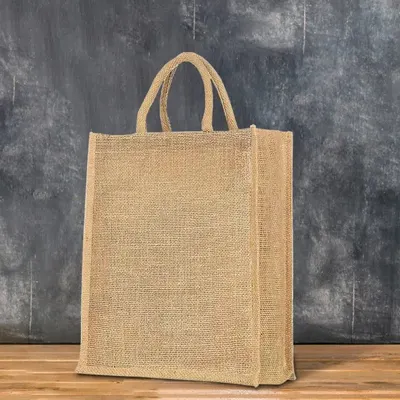
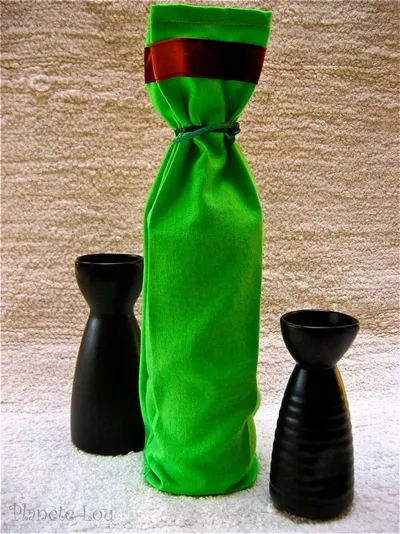
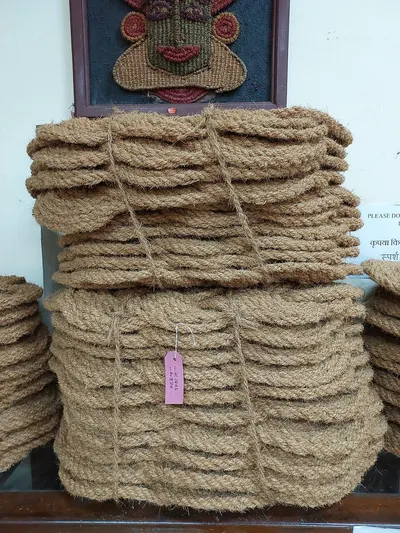
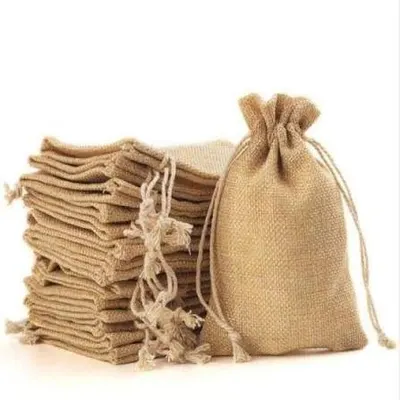
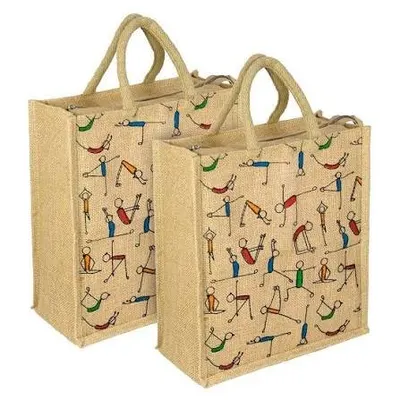
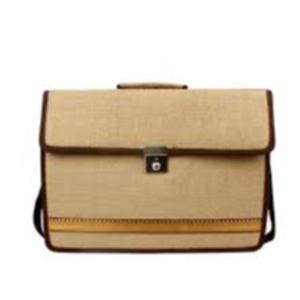
The catalogue explicitly names Jute Bags, Jute Ribbon, Printed Fabrics, Burlap Fabrics, Jute Stocking, Burlap Rolls, Burlap Bags, Burlap Ribbons, Wine Bottle Bags and Burlap Shopping Bag. All products are manufactured from natural jute fibre or jute‑burlap blends, with typical fabric weights ranging from 120 g/m² for lightweight ribbons to 250 g/m² for heavy‑duty bags. In international trade, jute bags are commonly reported under HS 6305.20, while burlap fabrics and rolls fall under HS 6306.90. The range therefore covers both standard shopping‑bag formats and more specialized packaging such as wine‑bottle carriers that meet typical dimensions of about 30 × 35 cm.
Product Range and Specialties of JUCOFABS
JUCOFABS’ catalogue offers a focused set of ten products that span the jute‑bag segment, jute ribbons, printed and plain burlap fabrics, and bulk burlap rolls. Within the industry, jute bags are usually produced in 3‑ply construction with tensile strengths of 30‑40 MPa and moisture content below 12 %. Ribbons are often 3‑mm wide and graded by gram weight per meter, while printed fabrics follow standard dye‑fastness tests (ISO 105‑B02).
Burlap fabrics and rolls are typically 100 % jute, woven in a plain weave with a basis weight of 150‑250 g/m² and a burst strength of 3‑5 kPa. Buyers frequently request certifications for pesticide‑free fibre and compliance with the European REACH regulation for textile articles. The inclusion of wine‑bottle bags reflects a niche market where interior cushioning and a 0.3 mm lining are common specifications.
Trade and Export Information - JUCOFABS
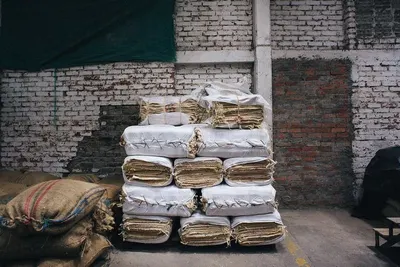
India ranks among the world’s top exporters of jute and burlap products, with the majority of shipments destined for the European Union, the United States, and the Middle East. Exporters of jute bags typically file under HS 6305.20, while bulk burlap fabrics and rolls use HS 6306.90; customs authorities often require a certificate of origin and a phytosanitary declaration for fibre‑based goods. Standard Incoterms for these commodities are FOB or CIF to major ports such as Kolkata, Rotterdam, and New York, and container loads usually fill a 20‑ft container with 1,200 kg of bags or 1,800 kg of rolled fabric.
Buyers in the apparel, furniture, and agricultural packaging sectors commonly request ISO 9001 quality‑management certification, FSC chain‑of‑custody for sustainable sourcing, and Oeko‑Tex Standard 100 for any printed fabrics. Indian exporters also adhere to the Bureau of Indian Standards (BIS) specifications for jute fibre strength (minimum 3.5 cN/tex). Packaging is generally in polypropylene‑lined cartons of 50 kg per carton, with pallets prepared for sea freight.
Sourcing from JUCOFABS - Buyer Guidance
When sourcing from JUCOFABS, buyers should ask for a product data sheet that lists fibre composition, gram weight, dimensions, tensile strength and moisture content for each bag or fabric. Sample requests are typically fulfilled with a single unit of each style, allowing verification of stitching quality, print colourfastness and edge reinforcement before larger orders are placed.
Prior to order confirmation, request the supplier’s ISO 9001 certificate, any available FSC or Oeko‑Tex test reports, and a phytosanitary certificate if the shipment will cross EU borders. Verify the HS code declared on the commercial invoice matches the product type (e.g., HS 6305.20 for jute bags). Confirm container loading plans, pallet dimensions and whether the bags will be packed in moisture‑resistant liners, as these factors affect transit integrity.
Frequently Asked Questions About JUCOFABS
What product categories does JUCOFABS list in its catalogue?
JUCOFABS lists ten items: Jute Bags, Jute Ribbon, Printed Fabrics, Burlap Fabrics, Jute Stocking, Burlap Rolls, Burlap Bags, Burlap Ribbons, Wine Bottle Bags and Burlap Shopping Bag.
Which HS codes are generally applied to the items offered by JUCOFABS?
In international trade, jute bags fall under HS 6305.20, while burlap fabrics and rolls are classified under HS 6306.90. Printed fabrics and ribbons use the same chapter 63 headings for made‑up textile articles.
What typical specifications should a buyer verify for jute bags?
Buyers usually check the bag’s gram weight (120‑180 g/m²), three‑ply construction, tensile strength (30‑40 MPa), moisture content (<12 %), and dimensions such as 30 × 35 cm for standard shopping bags.
Are there common certifications buyers should request for these products?
Buyers often request ISO 9001 for quality management, FSC for sustainable sourcing, Oeko‑Tex Standard 100 for printed fabrics, and a phytosanitary certificate for EU shipments of natural fibre products.
What sample procedure is typical for JUCOFABS products?
A standard practice is to order one unit of each style - e.g., a single jute bag or a 1 m² piece of printed fabric - to evaluate stitching, print colourfastness and material strength before confirming bulk quantities.
What packaging and shipping formats are typical for JUCOFABS’s jute goods?
Products are usually packed in polypropylene‑lined cartons of 50 kg, stacked on Euro‑pallets, and shipped in 20‑ft or 40‑ft containers under FOB or CIF terms to ports such as Kolkata, Rotterdam or New York.




 North 24 Parganas, India