Elmotmiz herbs Co. — Verified Manufacturer & Wholesale Supplier
About Elmotmiz herbs Co. - Herbs Supplier in Egypt
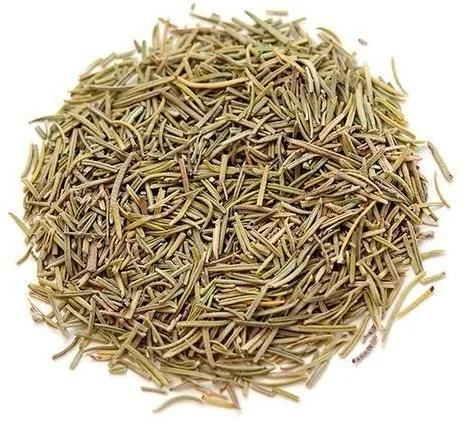
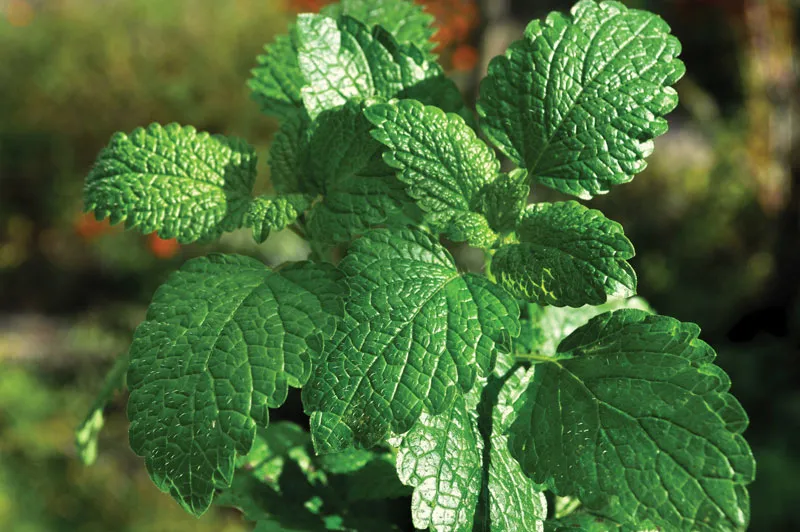
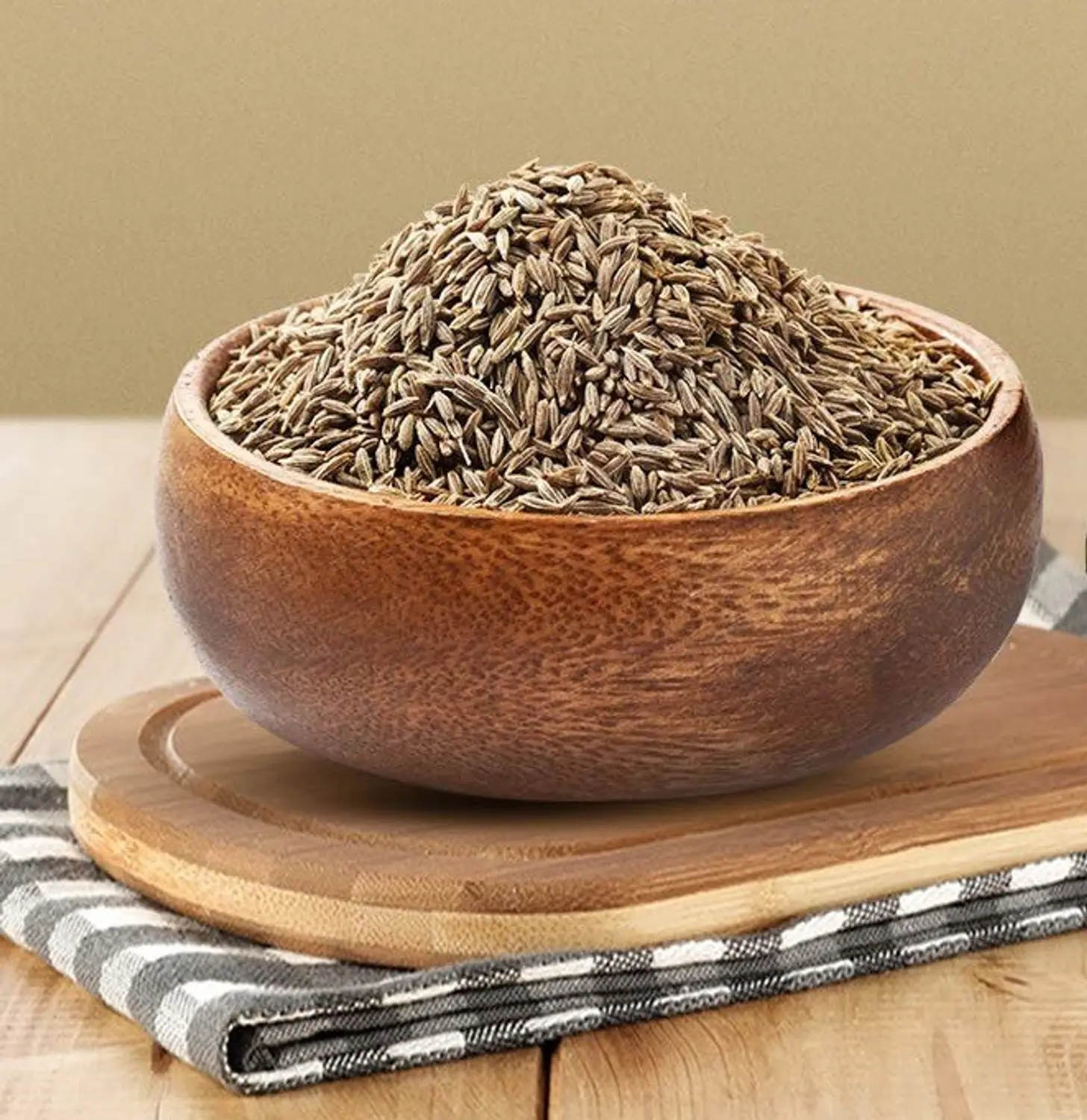
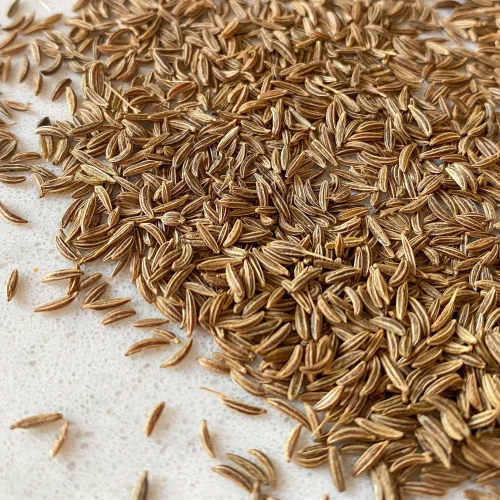
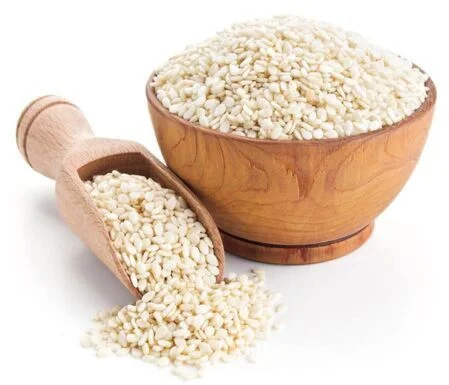
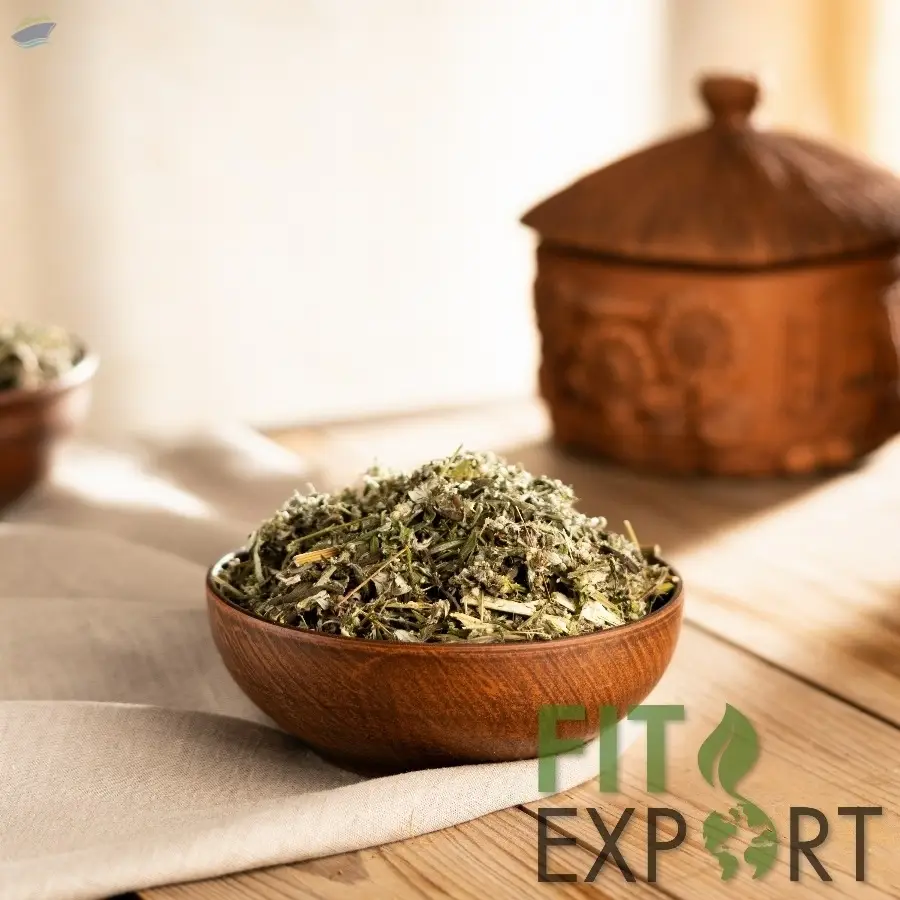
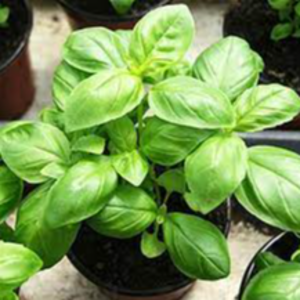
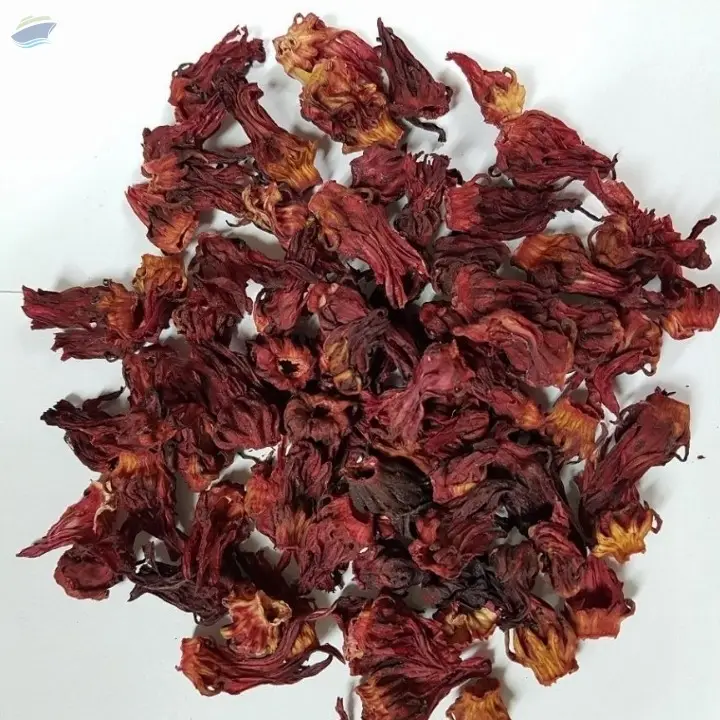
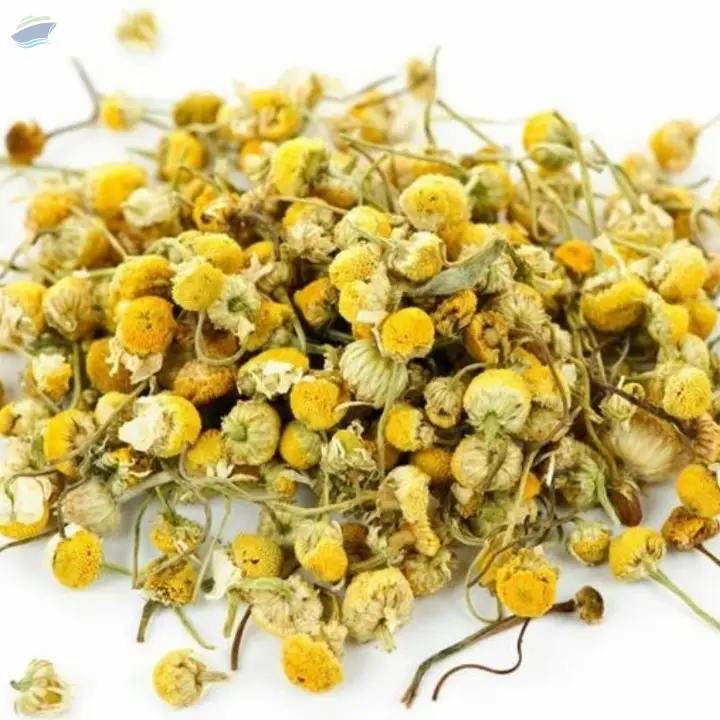
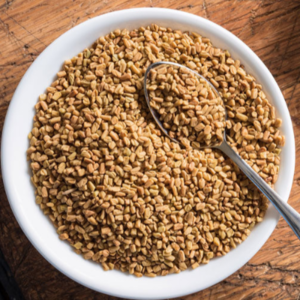
Elmotmiz herbs Co. operates from Fayoum, Egypt and lists 24 active products across herbs, spices, seeds and medicinal plants. The catalogue includes coriander (listed as Coriandar) with HS code 0909.21, coriander seeds, fennel seeds, basil, marjoram, parsley, thyme, hibiscus flower, lemongrass, chamomile flowers, spearmint, sage leaves, rosemary, molokhia whole leaves, oregano, calendula flowers, lemon whole, sesame seeds, nigella seeds, caraway seeds, anise seeds, cumin seeds, celery leaves and peppermint. The company classifies its offerings under top categories such as Herbs, Coriander Seeds, Fresh Flowers, Coriander Powder, Coir Carpets, Other Coir Products, Coir Yarn and Fennel Seeds. All listed items are natural plant materials intended for culinary, pharmaceutical or cosmetic use. The product set reflects a focus on both dried herbs and whole seeds commonly traded in bulk.
The supplier holds ISO 9001:2005 and ISO 22000 certifications together with EU Organic and Halal certifications, indicating compliance with food safety and organic standards. These certifications are relevant for buyers requiring traceability and compliance with EU or Gulf market regulations. The product set includes both leafy herbs such as basil and rosemary and seed commodities like sesame and cumin, which are typically exported in 25 kg paper bags or 1 kg retail packs. The inclusion of fresh flower items such as hibiscus and calendula suggests capability to handle perishable goods with cold‑chain packaging. Export destinations mentioned in the profile include Canada, the USA, Spain, Germany and Italy, reflecting a geographic reach into North America and Europe.
Product Range and Specialties of Elmotmiz herbs Co.
The catalogue lists 24 specific items ranging from dried herbs (basil, rosemary, thyme) to whole seeds (coriander, fennel, sesame) and fresh flower products (hibiscus, calendula). In the global herbs and spices trade, dried herbs are usually graded by moisture content (typically below 12%) and colour, while seeds are assessed for purity (often above 98%) and size. Common HS classifications place most dried herbs and seeds in chapter 0909, with fresh cut flowers recorded under HS 0603. Buyers frequently require EU Organic or Halal certification for organic market channels, and ISO 22000 for food safety management. Typical packaging includes food‑grade paper bags, multi‑wall polypropylene sacks and, for fresh flowers, insulated cartons with gel packs.
Trade and Export Information - Elmotmiz herbs Co.
Egypt is a long‑standing exporter of aromatic herbs and spices, supplying North American and European markets that demand compliance with EU food safety regulations and US FDA import requirements. Products such as dried coriander seeds (HS 0909.21) and other herbs fall under the HS 0909 family, while fresh flowers like hibiscus are classified under HS 0603 and often require phytosanitary certificates. Common certifications requested by importers include ISO 22000, EU Organic, Halal and a phytosanitary inspection issued by the Egyptian Ministry of Agriculture. Logistics typically involve loading bulk bags into 20‑ft or 40‑ft containers under FOB or CIF terms, with temperature‑controlled containers used for perishable flower shipments. Export documentation usually comprises a commercial invoice, packing list, certificate of origin, certificate of analysis and the relevant phytosanitary certificate.
Sourcing from Elmotmiz herbs Co. - Buyer Guidance
When sourcing from Elmotmiz herbs Co., buyers should request the latest Certificate of Analysis, the EU Organic certificate, the Halal certificate and a phytosanitary certificate to verify compliance with destination market regulations. For dried herbs and seeds, specifications to verify include moisture content below 12%, microbial limits (total plate count under 10,000 cfu/g), heavy‑metal limits (lead below 10 ppm) and pesticide residues within EU maximum residue limits. Sample sizes of 100 g to 1 kg are typical for quality assessment, and buyers often ask for a reference batch before confirming larger orders. Verification of packaging integrity, such as food‑grade sealed bags and proper labelling, helps ensure product safety during transport.
Frequently Asked Questions About Elmotmiz herbs Co.
What product categories does Elmotmiz herbs Co. offer?
The catalogue lists 24 items including dried herbs such as basil, rosemary and thyme, whole seeds such as coriander, cumin and sesame, and fresh flower products like hibiscus and calendula.
Which certifications does the supplier hold for its herbs and spices?
The company holds ISO 9001:2005, ISO 22000, EU Organic and Halal certifications, which are commonly required for food‑grade herbs and seed exports.
How can a buyer obtain a sample of a specific herb?
Buyers can request a sample ranging from 100 g to 1 kg; the supplier ships samples in sealed polyethylene bags and includes a phytosanitary certificate for the batch.
What documentation should be requested before placing an order?
Typical documents include a Certificate of Analysis, EU Organic certificate, Halal certificate, ISO audit report and a Phytosanitary Certificate issued by Egyptian authorities.
What are the usual minimum order quantities for seed products?
Seed commodities are commonly sold in 25 kg cartons, with a typical minimum order of 500 kg per seed type, while larger orders are standard for full container loads.
Which HS codes apply to the listed products?
Coriandar is classified under HS 0909.21 for dried coriander seeds; other dried herbs and seeds fall under the broader HS 0909 chapter, and fresh flower items such as hibiscus are usually recorded under HS 0603.
What packaging and shipping methods are used?
Bulk herbs and seeds are packed in food‑grade paper bags or multi‑wall polypropylene sacks and loaded into 20‑ft or 40‑ft containers; fresh flowers are shipped in insulated cartons with gel packs under FOB or CIF terms.
Which markets commonly import Egyptian herbs and spices?
North American markets (USA, Canada) and European markets (Spain, Germany, Italy) are major importers, requiring compliance with EU food safety regulations and US FDA import requirements.





 , Egypt