Jiangsu Benai Alloys Co.,ltd. — Verified Supplier
About Jiangsu Benai Alloys Co.,ltd. - Metal Alloys Supplier in China
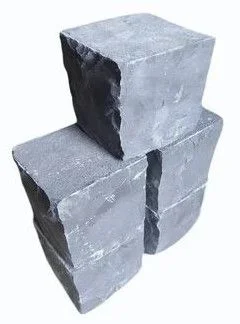
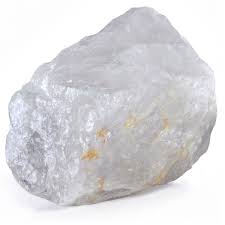
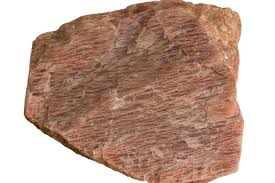
Based in China, Jiangsu Benai Alloys Co.,ltd. currently lists 13 active products across several metal and alloy categories. The catalogue includes ferro‑silicon magnesium alloys, magnesium‑ferrosilicon treatment alloys, and a series of inoculants and cored wires aimed at foundry applications. Products such as Ferro Silicon Magnesium and Magnesium Ferrosilicon are classified under HS chapter 72, specifically HS 7202.21 for certain treatment alloys and HS 7202.99 for various inoculant forms. The cored wire offerings fall under HS 7204.29 and HS 7204.49, indicating steel‑sheath wire products with alloy cores. Additional items like the nodulizer and foundry used inoculant are recorded under HS 3824.99, a code for other chemical products.
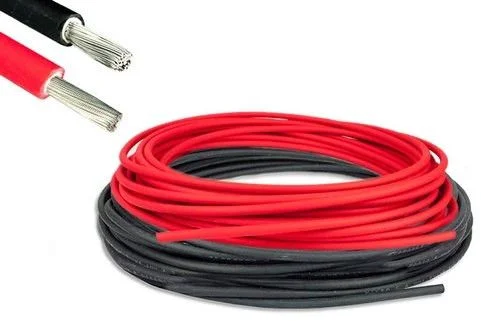
The supplier’s top categories reported are Other Ores & Minerals, Silicon, Metal Alloys, Metal Wire, Industrial Chemicals, and Wires & Cables, reflecting a focus on metallurgical and foundry inputs. Materials listed include FeSiMg alloys, ferrosilicon‑based inoculants enriched with calcium, barium, rare earth elements, and strontium‑silicon blends. Cored wire products are described as steel sheaths filled with calcium‑silicon, calcium carbide, or ferroalloy cores, which are typical for continuous casting and alloy feeding. The product set also mentions treatment alloys designed to modify melt chemistry in steelmaking processes. All entries are catalogued without explicit certification claims, implying buyers should verify standard industry certifications independently.
Product Range and Specialties of Jiangsu Benai Alloys Co.,ltd.
Jiangsu Benai Alloys’ catalogue features ferro‑silicon magnesium (FeSiMg) alloys such as Ferro Silicon Magnesium and Magnesium Ferrosilicon, which are commonly supplied in granular or lump form for steel deoxidation. Typical commercial grades contain 70‑75 % silicon and 15‑20 % magnesium, with iron as the balance, and they are often specified to meet ASTM A923 or EN 10244‑1 material standards for ferro‑alloys. The treatment alloys recorded under HS 7202.21 are usually formulated to adjust silicon and magnesium levels in ladle metallurgy and are supplied in 25 kg bags or bulk containers.
The inoculants listed, including ferrosilicon‑based blends with calcium, barium, rare earths, and strontium‑silicon formulations, align with standard foundry inoculant grades such as Si‑Ba‑Ca‑Al (typically 10‑15 % Si, 1‑3 % Ba, 0.5‑2 % Ca) used to promote grain refinement in cast iron. Cored wire products, classified under HS 7204.29 and HS 7204.49, normally feature a steel sheath of 1.2 mm wall thickness with core diameters of 5‑10 mm, and their alloy cores are tailored to specific melt chemistries. Industry practice follows ISO 2555 for cored wire dimensions and tensile strength requirements of 400‑600 MPa, ensuring compatibility with continuous casting lines.
Trade and Export Information - Jiangsu Benai Alloys Co.,ltd.
China is a leading exporter of ferro‑alloys and foundry consumables, with HS 7202 and HS 7204 categories representing a substantial share of global shipments. Typical import regions for these products include Southeast Asia, the Middle East, and Europe, where steel producers and foundries integrate FeSiMg alloys for deoxidation and alloying. Buyers usually require quality‑management certification such as ISO 9001, REACH registration for chemical inoculants, and compliance with ASTM or EN material specifications. Shipping is commonly arranged on 20‑ft or 40‑ft containers, using bulk bags for granular alloys and wooden crates for cored wire, under CIF or FOB terms.
Regulatory inspection for HS 7202 and HS 7204 often involves customs verification of composition certificates and, where applicable, anti‑dumping duties. Exporters from China typically provide a laboratory assay report confirming silicon, magnesium, and trace‑element contents, together with a Material Safety Data Sheet (MSDS) for chemical inoculants (HS 3824). Logistics include pre‑loading quality checks, moisture control for alloys (<0.5 % moisture), and corrosion‑protected steel sheathing for cored wires to meet international handling standards.
Sourcing from Jiangsu Benai Alloys Co.,ltd. - Buyer Guidance
When sourcing FeSiMg alloys from this supplier, buyers should request a recent assay report showing silicon, magnesium, and impurity levels, as well as confirmation that the product meets ASTM A923 or EN 10244‑1 specifications. For inoculants, a detailed composition sheet, REACH registration proof, and an MSDS are essential to verify safety and regulatory acceptance. Cored wire orders should be accompanied by dimensional drawings, tensile strength data (typically 400‑600 MPa), and a certification that the steel sheath complies with ISO 9001 or an equivalent quality system.
Buyers are advised to confirm the supplier’s packaging method - e.g., 25 kg bags for alloy granules or 1 ton wooden pallets for cored wire - to ensure compatibility with handling equipment. Sample quantities of 5‑10 kg for alloys or a single coil of cored wire are standard for preliminary testing before full‑scale orders. Verification of export documentation such as commercial invoice, packing list, and certificate of origin helps streamline customs clearance in the destination market.
Frequently Asked Questions About Jiangsu Benai Alloys Co.,ltd.
What ferro‑silicon magnesium alloys are listed in the Jiangsu Benai Alloys catalogue?
The catalogue includes Ferro Silicon Magnesium, Magnesium Ferrosilicon, and several magnesium‑ferrosilicon treatment alloys, all identified as FeSiMg alloys.
Which HS codes apply to the supplier’s treatment alloys and inoculants?
Treatment alloys are recorded under HS 7202.21, while inoculants and nodulizers fall under HS 7202.99; the foundry used inoculant is listed under HS 3824.99.
How can a buyer obtain composition verification for the FeSiMg products?
Buyers should request a recent laboratory assay report that details silicon, magnesium, iron, and impurity percentages, typically issued by an accredited testing lab.
What standard specifications are relevant for the cored wire products?
Cored wires are generally expected to meet ISO 2555 for dimensions and to provide tensile strength data in the range of 400‑600 MPa, with the steel sheath complying with ISO 9001 quality standards.
Are there any certifications the buyer should request from this supplier?
Since no certifications are listed, buyers should ask for ISO 9001, REACH registration for chemical inoculants, and any applicable ASTM or EN material certifications.
What packaging formats are typical for the alloy granules and cored wires?
Granular alloys are usually packed in 25 kg bulk bags or 1‑ton bulk containers, while cored wires are shipped in wooden crates or on pallets suitable for 20‑ft or 40‑ft containers.
What is the usual minimum order quantity for the foundry inoculants?
Foundry inoculants are commonly ordered with a minimum of 5 kg for sample testing, scaling up to bulk quantities based on production needs.
What lead time can buyers expect for shipments from China?
Lead times typically range from 2 to 4 weeks after order confirmation, depending on product availability, packaging preparation, and chosen Incoterm (FOB or CIF).




 , China